

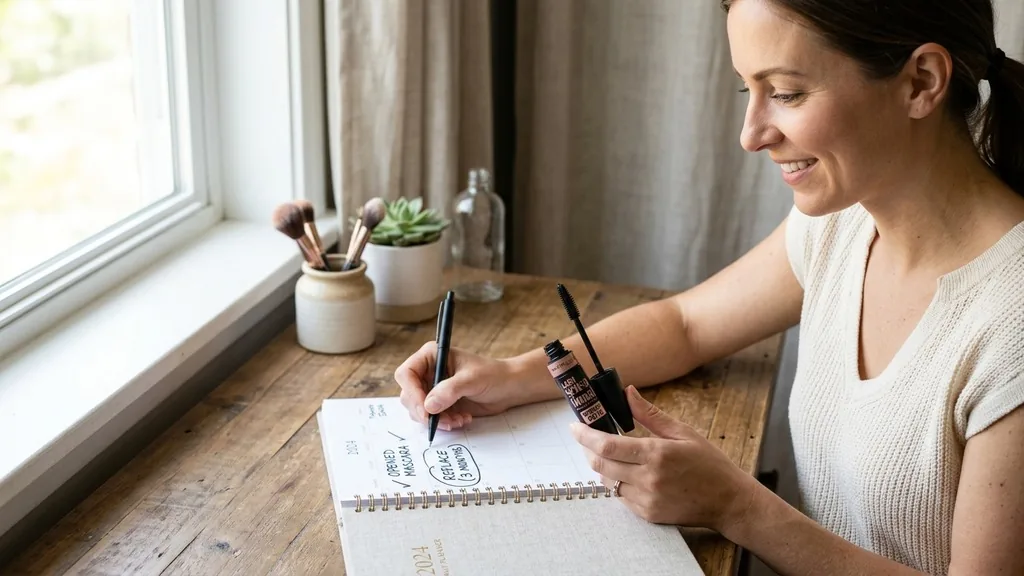
Most people treat their makeup bag like a permanent archive, but your eye products have a strictly limited shelf life. When you ask how long should mascara last, the answer is almost always shorter than you think. While it is tempting to use every last drop in the tube, the reality is that mascara is a high-risk product.
Because it is applied directly to the delicate environment of your eye, it acts as a magnet for microbes. Once you open that seal, the clock starts ticking on a degradation process that can lead to irritation, infection, or worse.
Understanding the Three-Month Rule for Mascara
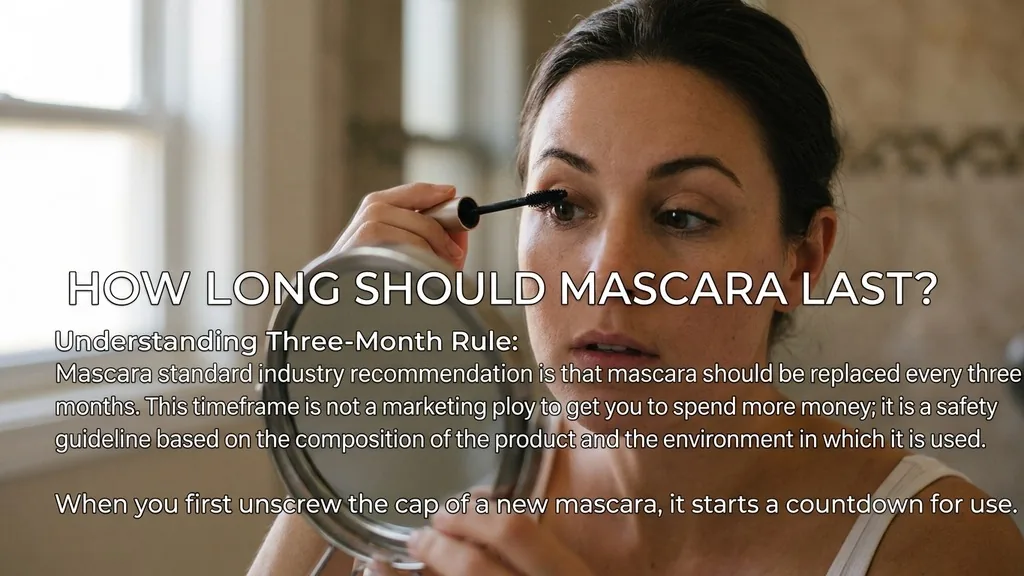
The standard industry recommendation is that mascara should be replaced every three months. This timeframe is not a marketing ploy to get you to spend more money; it is a safety guideline based on the composition of the product and the environment in which it is used.
When you first unscrew the cap of a new mascara, you introduce oxygen and environmental contaminants into the formula. Every time you pump the wand in and out of the tube, you are effectively pushing air and potential debris into the container.
This process accelerates the oxidation of the formula, which causes it to dry out, clump, and lose its intended texture. More importantly, it creates a breeding ground for microorganisms. Your eyes are naturally protected by tears, but they are incredibly sensitive to bacterial growth.
After three months of daily use, the concentration of microbes inside a tube can reach levels that your body’s natural defenses struggle to handle. If you notice your mascara becoming flaky or thick before the three-month mark, it is a clear signal that the product has reached the end of its functional life.
Why Bacteria Love Your Mascara Tube
The primary reason mascara has such a short lifespan is its unique chemical makeup. Most formulas are water-based, which provides the perfect medium for bacterial growth.
Unlike pressed powders or lipsticks, which are often drier or contain different types of preservatives, liquid eye makeup exists in a dark, moist, and nutrient-rich environment. Once you use the wand on your lashes, you inevitably pick up skin cells, oils, and microscopic debris, which are then transferred back into the tube.
Even with the preservatives included in modern formulas, these chemicals have a limited capacity to keep the product sterile. As you continue to use the tube, the concentration of these preservatives diminishes relative to the increasing amount of contaminants. This creates a scenario where the formula is no longer stable.
Ignoring this reality can lead to common issues like conjunctivitis, styes, and chronic eye redness. If you have sensitive eyes, you might even consider replacing your mascara every two months to minimize the risk of a reaction.
Identifying the Signs of Expired Makeup
You do not always need to keep a calendar to know when it is time to toss your mascara. Your senses are your best tool for detecting when a product has gone bad. If you are unsure if your mascara is still safe, perform a quick physical inspection.
Look for changes in the texture, color, and smell of the product. Fresh mascara should have a consistent, smooth texture that glides onto your lashes without resistance.
If you find that the formula is clumping, separating, or has developed a stringy consistency, it is time to discard it. Another major red flag is the scent. While some mascaras have a faint chemical odor, a sharp, vinegary, or pungent smell is a definitive sign that the preservatives have failed and the product has been compromised by bacterial colonies.
Finally, check the performance. If your lashes look uneven, spidery, or flaky despite using a brand that usually works well, the formula has likely degraded to the point where it can no longer adhere properly to your lashes.
The Impact of Daily Use Versus Occasional Wear
One common question is whether the frequency of use changes the expiration date. While common sense suggests that a tube used once a week should last longer than one used daily, the chemistry says otherwise.
Once the seal is broken, the exposure to air and the potential for contamination are constant. Even if you only use the product occasionally, the preservatives are still breaking down, and the environment inside the tube is still changing.
If you are a casual user who only applies makeup for special events, you might find that your mascara dries out long before you have a chance to use it up. In these cases, purchasing travel-sized or mini tubes is a much smarter investment.
These smaller versions are designed to be used up quickly, which helps you avoid the waste of throwing away a half-full, full-sized tube that has expired. By aligning your purchase size with your actual usage habits, you keep your eye area safer while also being more economical.
Storage Habits That Affect Shelf Life
How you store your beauty products plays a massive role in their longevity. Many people keep their makeup in the bathroom, but the heat and humidity of a shower-filled room are detrimental to liquid-based cosmetics. Moisture encourages the growth of mold and bacteria, while temperature fluctuations can cause the ingredients in your mascara to separate.
To maximize the life of your product, store it in a cool, dry place, such as a bedroom vanity or a drawer away from direct sunlight. Never leave your mascara in a hot car or a sun-drenched window sill. Extreme heat can alter the chemical stability of the formula, making it ineffective or even potentially harmful.
Furthermore, make sure the cap is screwed on tightly after every use. A loose cap allows air to enter the tube, which accelerates the drying process significantly. If you find your mascara is drying out within weeks of purchase, check your storage environment first.
Can You Revive Dried Out Mascara?
There are many myths circulating on social media about reviving old mascara using eye drops, contact lens solution, or even hot water. From a safety perspective, this is strongly discouraged.
Adding any liquid to your mascara tube alters the carefully balanced chemical formula. By introducing outside liquids, you are diluting the preservatives, which makes it even easier for bacteria to proliferate.
While adding a few drops might make the consistency feel “good” again for a short time, you are essentially creating a petri dish inside your makeup bag. If your mascara has dried out, it is not a sign that it needs a boost; it is a sign that it has reached the end of its useful life. The risk of developing an eye infection is simply not worth the cost of a new tube.
If you want to learn more about the importance of ocular health in relation to cosmetics, you can read the guidelines provided by the Food and Drug Administration on eye cosmetic safety. Stick to the manufacturer’s intended formula to ensure you are not inviting unnecessary risks into your beauty routine.
Comparing Different Types of Mascara
Not all mascaras are created equal, and their ingredients lists can influence how quickly they degrade. Waterproof formulas, for instance, often contain different waxes and solvents compared to standard water-based formulas. While these ingredients might make the product more resistant to tears and humidity, they still require the same strict adherence to expiration timelines.
| Mascara Type | Typical Characteristics | Safe Usage Period |
|---|---|---|
| Standard/Volumizing | Water-based, high bacteria risk | 3 Months |
| Waterproof | Oil/Wax-based, resistant to moisture | 3 Months |
| Tubing Mascara | Polymer-based, forms tubes around lashes | 3 Months |
| Natural/Organic | Fewer synthetic preservatives | 1-2 Months |
The table above illustrates that while the texture and performance vary, the safety limit remains consistent. Notably, natural or organic formulas often lack the heavy-duty synthetic preservatives found in conventional brands, which means they can actually spoil faster than their counterparts. Always check the packaging for a “period after opening” (PAO) symbol—usually a small jar icon with a number like “6M” or “3M”—which tells you exactly how many months the manufacturer guarantees the product for after the seal is broken.
Topical Gaps: Dispelling Common Myths
There are several persistent myths regarding mascara that often lead people to make unsafe choices. One common misconception is that if a product is expensive, it must be safer to use for longer. Price is not a proxy for safety; high-end and drugstore brands are both subject to the same biological realities.
Another myth is that you can “sanitize” your mascara wand by dipping it in alcohol or boiling water. This will not sanitize the product inside the tube and will only ruin the mascara’s consistency.
You may also wonder about using mascara from several years ago. The answer is a hard no. Makeup that has been stored for years is not just expired; it is chemically unstable.
Even if it looks “fine,” the preservatives have long since evaporated or broken down. Using such products is a direct invitation to bacterial or fungal infections. If you find old items in your collection, the only proper place for them is the trash bin.
FAQ Section
- Can I use 4-year-old mascara? No, you should never use makeup that is years old. The preservatives in the formula will have completely degraded, making it a hotbed for harmful bacteria. Using such an old product significantly increases your risk of developing severe eye infections or allergic reactions.
- How can I tell if my mascara is expired? Look for a change in texture, such as clumping or flaking. A sharp, chemical, or vinegary smell is also a major red flag. If the product no longer applies smoothly or causes irritation, it has expired and should be replaced immediately.
- What happens if I use old mascara? Using expired mascara can lead to eye irritation, redness, and itching. More seriously, it can cause bacterial infections like conjunctivitis or styes. Because the eyes are highly sensitive, the debris and microbes in old mascara can cause lasting damage to your ocular health.
- How long does unopened mascara last? Unopened mascara generally lasts for about two to three years if stored in a cool, dark place. However, once the seal is broken, the shelf life drops drastically to three months. Always check the packaging for the specific expiration date provided by the manufacturer.
Maintaining your eye health requires consistency and a commitment to tossing products that have served their purpose. By respecting the three-month window and paying attention to the physical signs of decay, you can enjoy your makeup without compromising your well-being.
Keep your beauty routine clean, store your products properly, and never hesitate to replace a tube that has reached its limit. Your eyes will thank you for the extra caution.


