

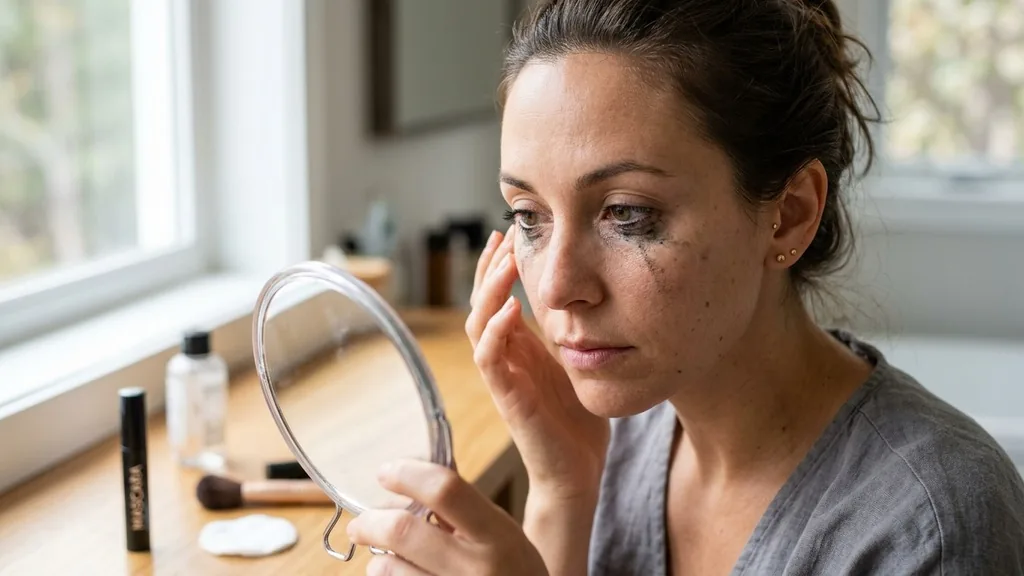
Dealing with dark circles under your eyes that aren’t actually part of your makeup look is a common frustration for anyone who loves defined lashes. Learning how to keep mascara from smudging under eyes requires understanding the chemistry of your products, the natural oils on your skin, and the specific application techniques that lock pigment in place.
When your mascara travels from your lashes to your lower lash line by midday, it usually signals a breakdown in the barrier between your makeup and your skin. By adjusting your routine, you can ensure your look stays crisp, clean, and vibrant from morning until night.
Understanding Why Mascara Smudges on Your Skin
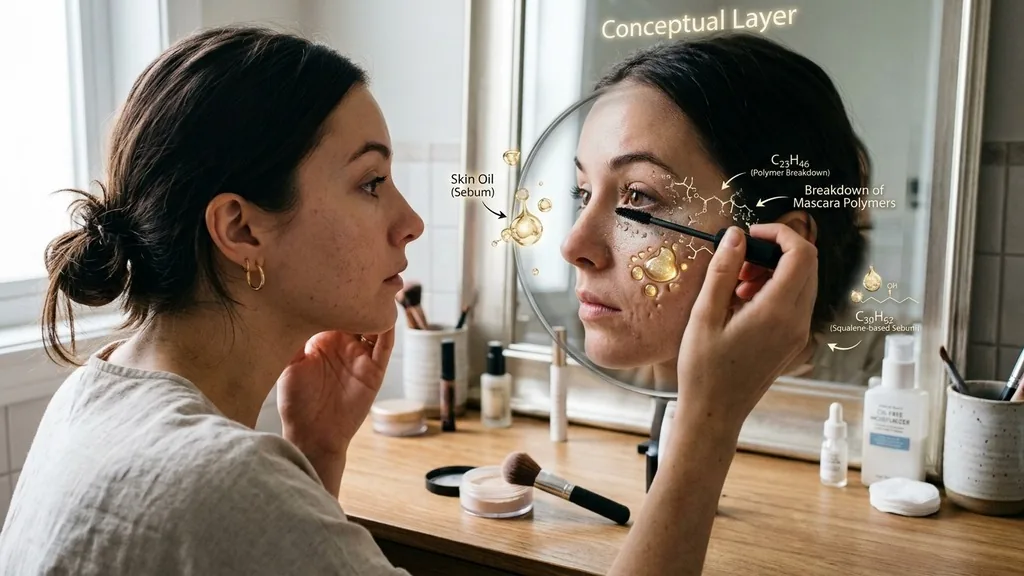
Mascara smudging occurs primarily because the oils naturally produced by your skin or present in your skincare products break down the binding agents in your mascara. Most traditional mascaras are oil-soluble, meaning they are designed to be removed easily with makeup removers that contain oils or fats. When you apply these products, they sit against your skin, which is constantly secreting sebum.
As the day progresses, this sebum migrates upward or downward, softening the mascara film and causing it to transfer onto your under-eye area. This process is accelerated by humidity, heat, and even the natural blinking motion of your eyes, which creates friction against the lower lash line.
Beyond sebum, the moisture levels of your eye area play a significant role. If you have a habit of applying heavy eye creams or thick, emollient-rich concealers, you are essentially creating a slick surface that prevents the mascara from gripping the lashes properly.
The weight of the product, combined with the lack of a “gripping” base, allows the mascara to slide off the lash tips and settle into the fine lines beneath your eyes. Understanding this interaction is the first step toward fixing the issue, as it shifts the focus from blaming the product quality to managing the environment in which the product lives.
The Role of Primers and Base Layers
The most effective way to keep mascara from smudging under eyes involves creating a robust, oil-absorbing foundation for your eye makeup. Before you even think about applying color to your lashes, you need to ensure the skin directly beneath them is prepped. Using a mattifying eye primer or a light dusting of translucent powder can make a world of difference.
When you apply your concealer, allow it to set for a minute or two, then lightly press a finely milled setting powder into the skin. This creates a dry, non-porous barrier that prevents skin oils from reaching your lashes.
Some people prefer to use an actual mascara primer, which acts as a bridge between your bare lashes and the final coat of mascara. These primers are often formulated to be more water-resistant and provide a base that the pigmented mascara can “hook” onto.
By coating your lashes with a primer first, you add a layer of protection that keeps the heavier, more prone-to-smudging mascara from coming into direct contact with the eyelid or the skin below the eye. This dual-layer approach is a staple for professional makeup artists who need to keep a client’s look flawless for hours on end, regardless of the environment.
Choosing the Right Mascara Formula
Not all mascaras are created equal, and some are scientifically engineered to resist the movement that causes smudging. If you consistently face issues with transfer, you might need to reconsider your choice of formula. Tubing mascara is often the best solution for those with oily lids or deep-set eyes.
Unlike traditional wax-based mascaras, tubing formulas wrap each individual lash in water-resistant polymers that form tiny “tubes.” These tubes do not smudge, flake, or run, even when exposed to sweat or skin oils. They are designed to stay put until you remove them with warm water and gentle pressure, which causes the tubes to slide off the lashes cleanly.
If you prefer a traditional formula, look for labels that specifically mention “long-wear,” “smudge-proof,” or “water-resistant.” While waterproof mascaras are the classic choice for staying power, they can be difficult to remove and may dry out your lashes over time.
If you choose to go the waterproof route, make sure you have an oil-based makeup remover on hand to prevent pulling at your delicate eye area during cleansing. Below is a quick comparison of the different types of mascara formulas to help you decide which one fits your specific needs.
| Mascara Type | Best For | Removal Process |
|---|---|---|
| Tubing | Oily skin, sensitive eyes, preventing smudges | Warm water and light pressure |
| Waterproof | High humidity, swimming, tear-prone eyes | Oil-based makeup cleanser |
| Volumizing | Thin lashes needing extra body | Standard makeup remover |
| Lengthening | Short lashes needing definition | Standard makeup remover |
Mastering Application Techniques to Avoid Transfer
How you apply your mascara is just as important as the product you choose. Many people make the mistake of applying product all the way to the very tips of their lower lashes, or applying too many coats, which increases the weight and the likelihood of the lashes touching the skin.
To minimize risk, focus your mascara application on the roots of your lashes and use a lighter hand toward the tips. This creates the illusion of volume and lift without adding excess weight that can cause the lashes to droop and touch your under-eye area.
Consider using a smaller brush or a fan brush for the lower lashes. A large, chunky wand is often clumsy and prone to hitting the skin during application. By using a precise, smaller applicator, you gain better control and can coat the lashes without depositing pigment on the skin itself.
If you do happen to get a bit of product on your skin, do not try to wipe it away immediately. Let it dry completely for about thirty seconds, then use a clean, dry spoolie brush or a cotton swab to gently flick the dried flake away. Wiping wet mascara only smears it deeper into the skin and makes the smudge much harder to remove.
Managing Under-Eye Concealer and Skincare
Your skincare routine can inadvertently sabotage your mascara if you aren’t careful. Heavy, occlusive night creams or rich eye serums applied too close to your morning makeup routine will leave a residue that acts as a solvent for your mascara.
If you use a heavy cream, try to apply it at least twenty minutes before you start your makeup, or use a lighter, gel-based eye cream during the day. Keeping the area hydrated is important, but there is a clear difference between hydrated skin and oily, slick skin.
When applying concealer, avoid bringing it too high up toward the lash line if you don’t need to. The closer your concealer is to your lower lashes, the more likely the oils in the concealer will interact with your mascara. Use a high-quality, long-wear concealer that dries down to a matte or satin finish rather than one that remains dewy or emollient.
Once your concealer is applied, using a damp beauty sponge to press it into the skin can help ensure it is perfectly blended and not sitting in a thick layer that will eventually migrate. According to the American Academy of Dermatology, applying products with gentle pressure is key to protecting the delicate skin around the eyes, which also helps prevent the kind of tugging that can disrupt your makeup application.
Setting Your Under-Eye Area with Powder
Setting powder is the ultimate secret weapon for anyone wondering how to keep mascara from smudging under eyes. Once your concealer is blended, you must lock it in place. A translucent, finely milled setting powder is ideal because it absorbs excess oil without adding color that could look cakey or heavy.
Use a small, fluffy brush to pick up a tiny amount of powder, tap off the excess, and gently press it into the skin under your eyes. Do not sweep or rub, as this can move the concealer you just applied.
The goal is to create a “tacky-free” surface. If you touch your under-eye area and it feels slightly sticky or damp, your mascara will eventually smudge. It should feel smooth and dry to the touch.
If you have particularly oily skin, you might even consider “baking” the area by applying a thicker layer of powder and letting it sit for a few minutes before dusting it off. This creates a highly effective shield against the natural oils your skin produces throughout the day. For those who find powder too drying, a setting spray can also be used, though it is generally less effective at absorbing oil than a powder.
Addressing Environmental Factors and Humidity
Sometimes, no matter how perfectly you apply your makeup, the environment works against you. High humidity, rain, or even a particularly warm office can cause your skin to sweat and your makeup to break down. If you live in a humid climate, your standard makeup routine might need seasonal adjustments.
During the summer months, you might want to switch to a tubing mascara or a dedicated waterproof topcoat. A waterproof topcoat is a clear product that you can brush over your favorite regular mascara to seal it in and prevent it from running.
If you are prone to watery eyes due to allergies or sensitivity, you should take extra precautions. Keep a clean, dry cotton swab in your bag at all times. If you feel your eyes watering, gently dab the inner corner or the lower lash line immediately with the swab to absorb the moisture before it has a chance to reach your lashes.
Being proactive about moisture control is often more effective than trying to fix a smudge once it has already occurred. Avoiding rubbing your eyes is also crucial; the friction will not only cause smudging but can also lead to premature fine lines.
Troubleshooting Common Topical Gaps
One common issue people face is the “mascara on the brow bone” problem, which is technically different from under-eye smudging but caused by similar factors. This happens because your lashes are long enough to touch the skin above the eye when you blink. If you have this issue, the solution is to use a lash curler to give your lashes a more vertical lift.
A good curl ensures that the lashes are pointing upward and away from the brow bone, rather than straight out. Combining a curl with a waterproof formula often eliminates this problem entirely.
Another frequent question is whether setting spray actually stops smudging. While setting spray is excellent for face makeup, it is not always the best solution for the eye area. Most setting sprays contain alcohol or other ingredients that can irritate the eyes or cause the mascara to run if the spray hits the lashes directly.
It is much better to rely on powder for the under-eye area and use a high-quality, long-wear mascara formula. If you do use a setting spray, keep your eyes closed during the application and use a shield or your hand to protect your lashes from the mist.
Frequently Asked Questions
- Does waterproof mascara really prevent all smudging? It is highly effective against moisture and sweat, but waterproof formulas can still break down if your skin produces excessive oil. If you have very oily skin, a tubing mascara is often a more reliable choice than waterproof mascara.
- How do I remove mascara without causing more smudging? Use an oil-based cleanser or a dedicated bi-phase makeup remover. Apply the product to a cotton pad, press it gently against your closed eyelid for thirty seconds to dissolve the pigment, and then wipe downwards. This prevents pulling and smearing.
- Should I use powder on my lower lash line? Yes, applying a small amount of translucent setting powder directly under the lower lash line is one of the most effective ways to create a barrier that stops oils from reaching your lashes and causing them to smudge.
- Can a lash primer help with smudging? Absolutely. A lash primer acts as a base coat that helps the mascara adhere to the lashes more securely. Many primers are also formulated to be smudge-resistant, providing an extra layer of protection between your lashes and your skin.
Consistent practice of these techniques will transform your makeup routine. By controlling the surface oils, choosing the right formula, and applying your products with precision, you can keep your lashes looking pristine all day long. Remember that makeup is a balance of chemistry and technique; once you identify which elements of your routine need adjustment, you can easily maintain a clean, smudge-free look regardless of the conditions.


