

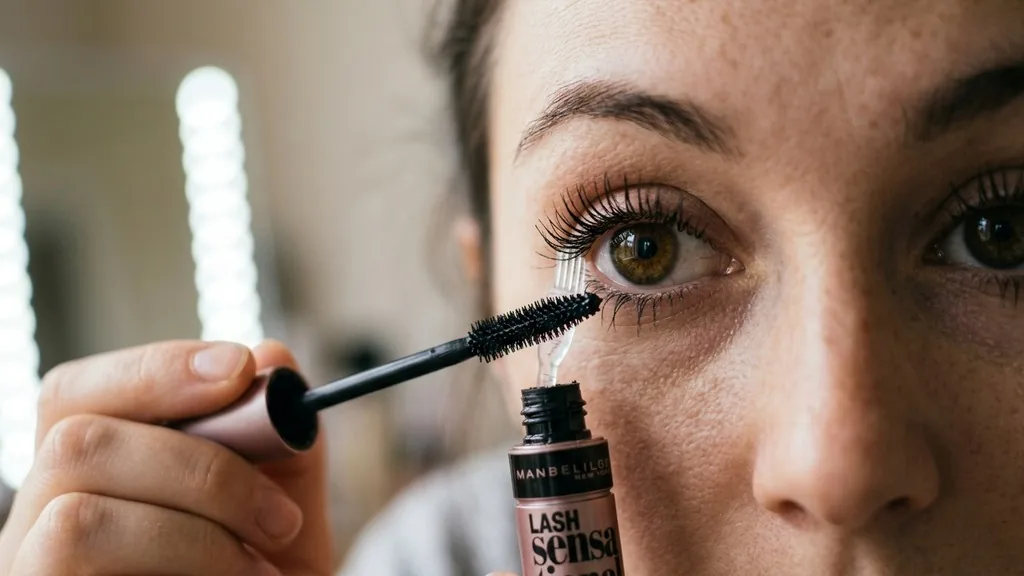
Achieving perfectly defined lashes is a goal for many makeup enthusiasts, yet dealing with clumpy mascara often stands in the way of a polished look. You might notice your favorite formula turning into a thick, spider-like mess before it should, or perhaps the product gathers on the brush in uneven globs.
Understanding how to make mascara less clumpy involves a mix of proper application technique, effective product maintenance, and knowing when it is time to part ways with an aging tube. By refining your routine and managing your tools, you can ensure every coat provides volume and length without the frustration of unwanted residue.
Mastering the Application Technique
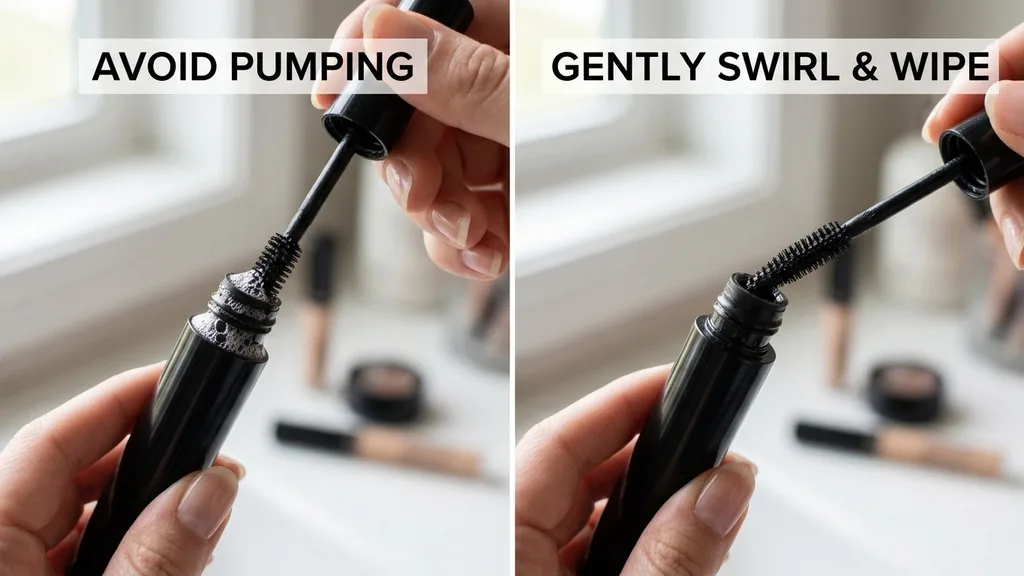
To make mascara less clumpy, you should avoid “pumping” the brush in and out of the tube, as this forces excess air into the container and accelerates the drying process. Instead, gently swirl the mascara wand inside the tube to pick up the formula evenly.
When you pull the wand out, wipe away any large globs on the tip against the edge of the tube or a clean tissue before bringing it toward your eye. This simple adjustment prevents the heavy, overloaded brush from depositing too much pigment onto your lashes all at once.
The way you move the wand during application is equally vital for a smooth finish. Rather than pulling the brush straight up from root to tip, use a slight wiggle motion at the base of your lashes. This technique helps distribute the product evenly across the lash line, which is where most of the volume should be concentrated.
By focusing the density at the roots and using a lighter touch as you move toward the tips, you prevent the ends of your lashes from becoming weighed down and clumpy. If you find that the product is still gathering, use a clean spoolie brush to comb through your lashes immediately after the final coat while the formula is still slightly wet.
Managing Product Consistency
Over time, exposure to air causes the ingredients in your makeup to thicken, leading to a clumpy texture that is difficult to apply. If your mascara is not expired but has become too thick to glide on smoothly, you can try a few methods to restore its consistency. One popular trick involves placing the sealed mascara tube in a cup of warm water for a few minutes.
The heat helps to gently loosen the formula, making it more fluid and easier to pull onto the wand. Ensure the water is warm, not boiling, as extreme heat can damage the plastic components or alter the chemical composition of the product.
Another way to manage consistency is by using a few drops of a dedicated contact lens solution or a high-quality eye-safe mixing medium. Add only one or two drops to the tube—never more—and stir carefully with the wand. Because contact lens solution is designed to be safe for the eye area, it is generally considered a safer alternative to other household liquids.
However, be aware that adding any liquid to a formula may change its shelf life or performance over time. If the product remains thick or flaky despite these interventions, it is usually a sign that the preservatives have broken down and the item should be discarded for safety reasons.
Choosing the Right Mascara Wand
The design of your mascara wand plays a significant role in how the product is deposited on your lashes. Different brushes are engineered for specific results, and sometimes a formula is not the culprit—the applicator is.
Natural bristle brushes tend to hold more product, which can lead to a more dramatic, high-volume look but also increases the risk of clumping if you aren’t careful. Conversely, silicone or plastic wands with shorter, stiffer bristles are often better at separating individual lashes and combing through the formula to prevent buildup.
If you love the formula of a particular mascara but hate the brush, do not feel obligated to use the applicator that came with it. You can save a clean wand from a previous tube that you enjoyed and use it with your current product. Simply wash the old brush with warm water and mild soap, let it air dry completely, and keep it in your makeup bag.
Using a well-designed, clean separator brush can transform a clumpy mascara into a smooth, lengthening tool. This also allows you to customize your lash look, perhaps using a volumizing brush for the initial coat and a precise, defining brush for the finishing touch.
Preventing Clumps Through Proper Storage
Where and how you store your makeup has a direct impact on its longevity and texture. To make mascara less clumpy, keep your tubes in a cool, dry place away from direct sunlight and heat sources.
Many people store their makeup in the bathroom, but the humidity from showers and the fluctuations in temperature can cause the formula to break down faster than it would in a bedroom vanity or a dedicated makeup organizer. Consistent temperature helps maintain the stability of the ingredients, preventing the product from drying out prematurely.
It is also important to ensure the cap is tightened fully after every use. Even a small gap that allows air to enter will cause the mascara to thicken over time. If you notice product buildup around the opening of the tube, wipe it clean with a makeup remover wipe or a damp cloth before closing it.
A clean neck ensures a tight seal, which keeps air out and keeps the mascara fresh. By treating your makeup with care and ensuring it is properly sealed, you can maximize the lifespan of your product and keep it performing at its best until the very last drop.
The Role of Lash Preparation
Sometimes, the issue isn’t with the product itself but with the state of your lashes before you even begin. If you have residual oil, moisturizer, or eye cream on your lashes, the mascara may not adhere properly, leading to uneven clumping or flaking as the day goes on.
Before applying your makeup, ensure your eye area is clean and dry. If you have oily skin, a light dusting of translucent setting powder over your eyelids can help prevent the oils from migrating to your lashes and breaking down the mascara formula.
Using a lash primer is another excellent way to create a smooth canvas. Primers are designed to coat the lashes, creating a uniform surface that helps the mascara glide on more easily. They also provide extra volume and length, which means you might need fewer coats of your actual mascara to achieve your desired look.
Fewer coats directly translate to less clumping, as the product has less time to dry and layer unevenly. If you prefer not to use a primer, simply combing through your lashes with a clean spoolie to remove any stray skincare products can make a noticeable difference in the final result.
Comparing Mascara Formulas
Not all formulas are created equal, and some are naturally more prone to clumping than others. Understanding the difference between various types of formulas can help you choose the right one for your specific needs and preferences.
| Formula Type | Common Characteristics | Clump Risk Level |
|---|---|---|
| Volumizing | Thick, heavy, high wax content | High |
| Lengthening | Fiber-based, fluid, lightweight | Low |
| Waterproof | Oil-resistant, quick-drying | Medium/High |
| Tubing | Forms polymer tubes around lashes | Low |
Volumizing formulas often contain more waxes and pigments, which are necessary to build thickness but can easily clump if applied in thick, multiple layers. Lengthening mascaras are usually more fluid and contain fibers, which are designed to extend the reach of the lash.
Tubing mascaras are a unique category; they wrap each lash in a polymer coating that doesn’t smudge or clump in the traditional sense, making them an excellent choice for those who struggle with messy applications. If you find your current mascara is consistently clumpy despite your best efforts, switching to a different formula type might be the most effective solution.
Recognizing When to Replace Your Product
Even with the best techniques, all mascara has a shelf life. Most experts recommend replacing your mascara every three to four months to prevent eye infections and to ensure the product remains safe and effective.
Over time, bacteria can build up inside the tube, and the preservatives that keep the formula smooth will eventually lose their efficacy. When a product reaches the end of its life, it often becomes dry, clumpy, and difficult to work with, regardless of how well you store it or how carefully you apply it.
If your mascara has a strange odor, has changed color, or is consistently causing irritation, stop using it immediately. These are clear signs that the product has degraded. Keeping a small sticker on the bottom of your tube with the date you opened it can help you track its age.
By staying disciplined with your replacement schedule, you ensure that you are always using a fresh, high-quality product that provides the best possible results for your lashes. For more information on eye safety and makeup hygiene, you can consult the official guidelines on eye cosmetic safety provided by the FDA.
Addressing Topical Gaps
Many users search for solutions to specific problems that arise when dealing with clumpy mascara, such as how to handle a brand-new tube that seems too thick or how to manage clumps that appear mid-day. One common issue is that a brand-new mascara is often “too wet,” meaning it is so liquid that it easily smears and creates clumps upon the first application.
If this happens, try leaving the tube slightly open for a few hours to allow the formula to thicken slightly, or simply wipe the wand more thoroughly before the first few uses. The formula will naturally settle and become easier to manage after a week or two of regular use.
For mid-day clumping, avoid trying to add more product on top of dry, existing mascara. This almost always leads to a brittle, clumpy mess. Instead, use a clean, dry spoolie to comb through the lashes and break up any existing clumps.
If you need to touch up, focus only on the tips of the lashes rather than starting from the root again. By keeping a clean spoolie in your purse, you have an instant tool to smooth out your look without needing to reapply product. These small, practical adjustments can address the most common frustrations that standard tutorials often overlook.
Frequently Asked Questions
- How often should I clean my mascara wand? Cleaning your mascara wand once a week with mild soap and water can prevent product buildup and bacteria. Ensure the brush is completely dry before placing it back into the tube to avoid introducing moisture that could compromise the formula.
- Can I use water to thin out clumpy mascara? It is not recommended to use plain water to thin out mascara. Water can introduce bacteria into the tube and cause the formula to separate or become flaky. A specialized mixing medium or a drop of contact lens solution is a much safer option.
- Does an eyelash curler help prevent clumping? Yes, using an eyelash curler before applying mascara can help lift and separate the lashes, making it easier to apply the product without it gathering in one spot. Always curl your lashes before applying mascara to avoid breakage and ensure a clean, smooth application.
- Is it safe to share mascara with friends? No, you should never share mascara. The tube is a breeding ground for bacteria, and sharing it puts you at a high risk of developing eye infections like conjunctivitis. Always keep your eye makeup products for personal use only to maintain proper hygiene.
Achieving the perfect lash look is a balance of science and skill. By understanding the composition of your mascara, employing the right application techniques, and maintaining your tools, you can easily overcome the issue of clumpy lashes. Remember that your makeup routine should be an enjoyable process, not a source of stress.
With these strategies in your arsenal, you can confidently work toward a smooth, defined, and voluminous finish every single time you apply your makeup. Focus on quality over quantity, keep your products clean, and replace them regularly to keep your eyes healthy and your look flawless.


