

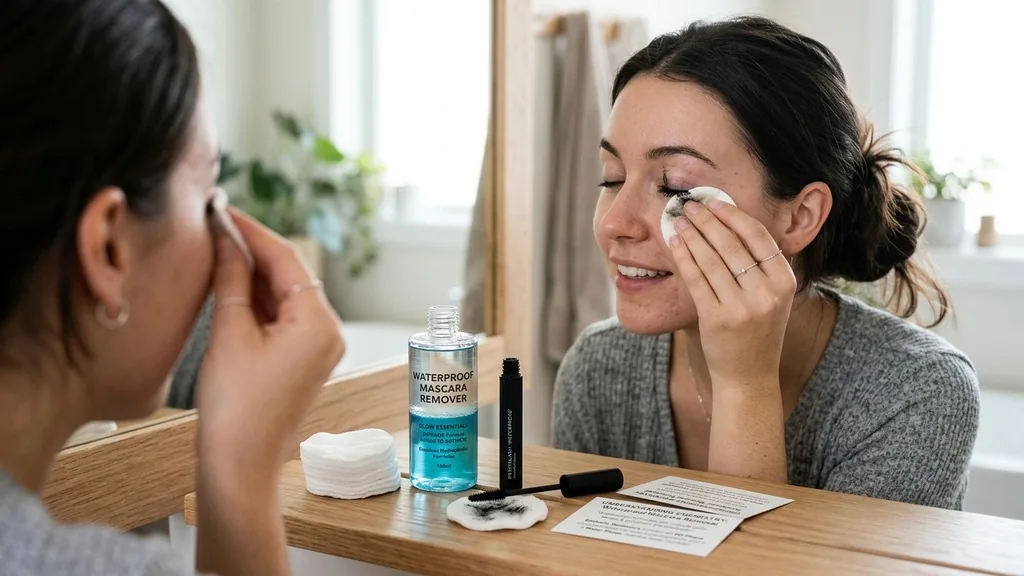
Removing long-wear eye cosmetics can feel like a nightly chore, especially when you are dealing with formulas designed to resist water, sweat, and humidity. If you have ever wondered how do you take off waterproof mascara without tugging at your delicate eye area, you are not alone.
The secret lies in understanding that these products are formulated with polymers and waxes that do not dissolve in water alone. To break these bonds, you need a substance that can emulsify the product, allowing it to slide off the lashes rather than requiring physical friction.
Understanding the Chemistry of Waterproof Formulas
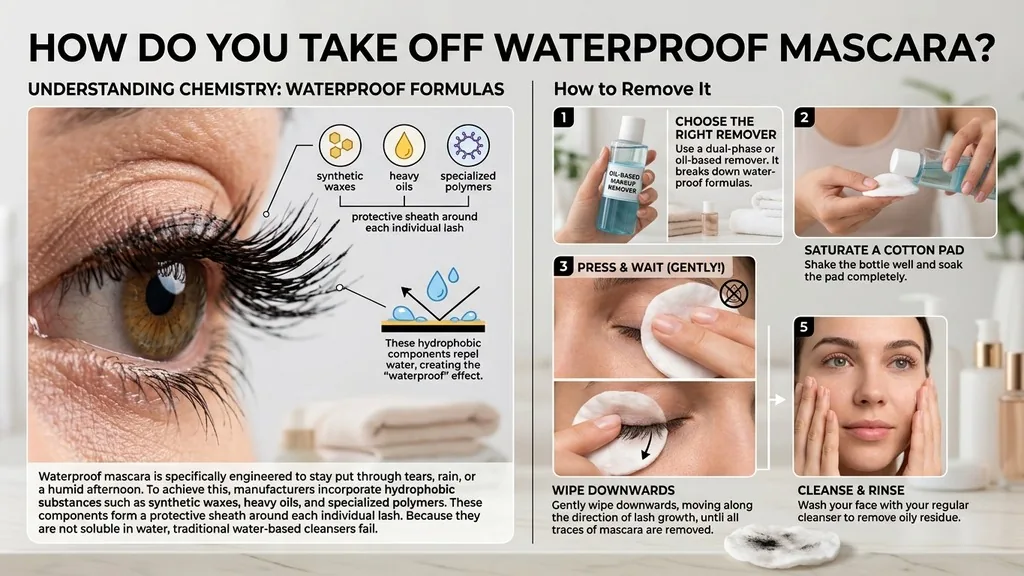
Waterproof mascara is specifically engineered to stay put through tears, rain, or a humid afternoon. To achieve this, manufacturers incorporate hydrophobic ingredients, such as synthetic waxes, heavy oils, and specialized polymers. These components form a protective sheath around each individual lash.
Because they are designed to repel water, splashing your face with standard tap water will only cause the formula to set further. Attempting to wash this off with a foaming cleanser alone often leads to smearing, irritation, and the accidental breakage of your natural lashes.
The most effective way to address this is by using a solvent that aligns with the “like dissolves like” principle. Oils and specific surfactants are the primary agents capable of breaking down the wax-based structure of these products. When you apply an oil-based cleanser or a bi-phase remover, the solvent molecules surround the hydrophobic particles of the mascara.
This lifting action allows you to wipe away the residue gently. Understanding this chemical interaction is the first step toward maintaining healthy, full lashes and avoiding the dreaded “panda eye” effect that happens when makeup is improperly removed.
Selecting the Right Makeup Remover for Your Eyes
The market is flooded with options, but not every product is created equal when it comes to long-wear cosmetics. You should generally look for labels that explicitly state “waterproof” or “bi-phase.” A bi-phase remover is a classic choice for heavy-duty eye makeup.
It contains two distinct layers: an oil-based phase that dissolves the stubborn waxes and a water-based phase that refreshes the skin. When you shake the bottle, these two components mix temporarily, creating the perfect balance for cleaning.
If you have sensitive eyes, you might prefer a cleansing balm or a specialized oil cleanser. These products are often gentler than liquid removers because they do not require the use of a cotton pad, which can sometimes be abrasive. Instead, you massage the balm directly onto your closed eyelids with your fingertips.
The heat from your skin helps melt the mascara, turning it into a silky texture that rinses away cleanly with warm water. Always check the ingredient list for potential allergens, especially if you have a history of contact dermatitis or ocular sensitivity.
The Proper Technique for Using Cotton Pads
Using a cotton pad correctly is a vital skill for anyone who wears heavy eye makeup regularly. Many people make the mistake of scrubbing their eyes back and forth, which is the fastest way to cause premature wrinkles and lash loss. Instead, you must allow the product to do the work for you.
Start by saturating a high-quality cotton pad with your chosen remover. Place the damp pad over your closed eyelid and hold it there for thirty to sixty seconds. This is the most important step in the entire process.
During this waiting period, the remover is actively breaking down the polymers in the mascara. Once the minute is up, gently press down and swipe downward in the direction of your lash growth. Never pull upward or sideways, as this puts unnecessary tension on the hair follicles.
If you still see stubborn mascara near the root of the lashes, use a cotton swab dipped in the same remover to target the area with precision. This method ensures that the lashes remain intact while the makeup is completely lifted from the skin.
Benefits and Drawbacks of Different Removal Methods
Choosing the right approach depends on your skin type, your makeup routine, and the specific products you use. Below is a breakdown of common removal methods to help you decide which one fits your lifestyle best.
| Method | Best For | Pros | Cons |
|---|---|---|---|
| Bi-Phase Remover | Heavy Waterproof Formulas | Fast and highly effective | Can leave an oily residue |
| Cleansing Balm | Dry or Sensitive Skin | Hydrating and gentle | Requires a thorough rinse |
| Micellar Water | Light to Medium Wear | Quick and no-rinse | May need multiple passes |
| Oil-Based Cleansers | Full Face Removal | Efficient for entire routine | May sting if eyes are sensitive |
Using Micellar Water for Waterproof Makeup
Micellar water has become a staple in many beauty routines because of its convenience. It consists of micelles—tiny balls of cleansing oil suspended in soft water. While standard micellar water is excellent for daily grime and light makeup, it may struggle with heavy-duty, long-wear mascaras.
However, many brands now formulate specific micellar waters enriched with oils designed specifically for waterproof products. If you are a fan of this delivery system, ensure you are using a version specifically labeled for waterproof use.
To use it effectively, the soak-and-press technique remains essential. Because micellar water is thinner than a traditional oil cleanser, you might need to leave the saturated pad on your lashes for slightly longer to ensure the micelles have enough time to trap the mascara particles.
If you notice that you are having to rub the pad repeatedly, it is a sign that the formula is not strong enough for your mascara, and you should switch to a dedicated bi-phase solution. Always follow up with a gentle facial cleanser to ensure no residue remains on your skin, which can lead to clogged pores around the lash line.
Natural Alternatives and Home Remedies
Many people look for ways to remove makeup using items they already have in their pantry. While oils like coconut, jojoba, or sweet almond oil are effective at breaking down the wax in waterproof mascara, you must proceed with caution.
The skin around the eyes is the thinnest on the body, and it is highly susceptible to irritation. If you choose to use a natural oil, ensure it is organic, cold-pressed, and free from additives.
When using oil, apply a small amount to your fingertips, close your eyes, and gently massage the lash line. The heat from your fingers will liquefy the mascara. Wipe the residue away with a clean, damp microfiber cloth.
While this is an effective DIY method, be aware that heavy oils can sometimes cause temporary blurred vision if they seep into the eyes. For more information on maintaining ocular health while using beauty products, you can consult resources such as the American Academy of Ophthalmology regarding safe cosmetic practices. Always prioritize products that are ophthalmologist-tested to avoid long-term damage to your vision or the delicate skin surrounding your eyes.
Addressing Common Topical Gaps
A frequent point of confusion is why mascara seems to “reappear” the morning after a thorough cleansing. This is often due to residual product left behind in the inter-lash space or the waterline. Even if the outer lashes look clean, tiny particles can remain trapped near the base.
To address this, make it a habit to clean your waterline using a cotton swab dipped in micellar water or a gentle eye makeup remover. This removes the hidden buildup that can cause irritation or infections.
Another gap in knowledge involves the impact of waterproof mascara on lash health. Because the formula is so durable, the process of removing it is often where the damage occurs—not the mascara itself. If you find your lashes are brittle or thinning, evaluate your removal pressure.
If you are losing more than one or two lashes during your nightly routine, you are likely pulling too hard. Switch to a softer cloth or a more potent oil-based cleanser that dissolves the product instantly, eliminating the need for physical force.
Establishing a Routine for Healthy Lashes
Consistency is key to maintaining healthy lashes while enjoying the benefits of long-wear makeup. Your nightly routine should always be the same: remove, cleanse, and condition. After you have successfully removed all traces of waterproof mascara, do not stop there.
Use a gentle, pH-balanced facial cleanser to wash away any remaining oil or remover residue. This prevents the buildup of bacteria that can cause styes or acne around the eyes.
Consider applying a lash serum or a drop of castor oil to your lashes before bed. This provides hydration and nourishment, helping to counteract the drying effects of waterproof formulas.
By treating your lashes with the same care you give your skin, you can wear long-lasting makeup without compromising the density or length of your natural lashes. Remember that the goal is to leave the eye area clean, hydrated, and free from product, ensuring that your skin can recover and rejuvenate overnight.
Frequently Asked Questions
- Will Vaseline take off waterproof mascara? Yes, petroleum jelly is very effective at dissolving the waxes in waterproof mascara. However, it is quite thick and can be difficult to rinse off completely, potentially clogging pores or causing temporary blurred vision if it enters the eyes.
- Why isn’t my waterproof mascara coming off? You are likely not giving the remover enough time to work. Waterproof formulas require a solvent-based remover to sit on the lashes for at least thirty seconds to break down the polymers. Rubbing only irritates the skin and damages the lashes.
- Can I remove waterproof mascara without using makeup remover? You can use natural oils like jojoba or almond oil to break down the formula. However, standard soaps and water are generally ineffective and will likely lead to scrubbing, which can damage your delicate eye area and pull out your natural lashes.
- Is it bad to wear waterproof mascara every day? While it is not inherently harmful, the daily removal process can be taxing on your lashes. If you wear it every day, ensure you are using a gentle, oil-based removal method to prevent brittleness, breakage, and premature lash loss over time.


