

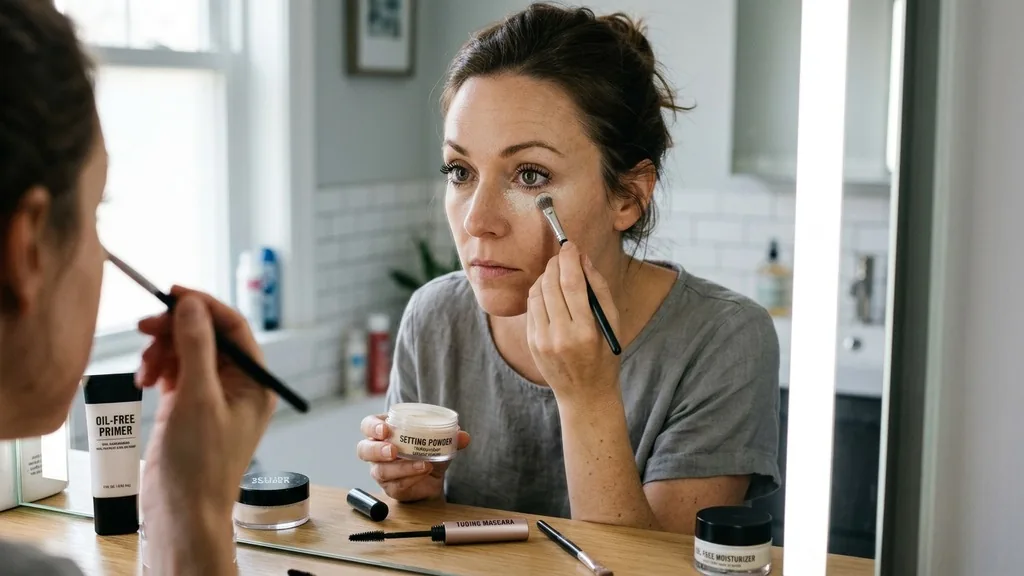
Dealing with dark, unwanted streaks beneath your lower lids is a common frustration that can ruin even the most carefully applied makeup look. Understanding how to stop mascara from smudging under eyes requires a multi-faceted approach involving product selection, precise application techniques, and an awareness of your skin’s natural oil production.
When your lashes interact with the delicate skin around your eyes, friction and moisture often cause pigment to migrate, leading to the dreaded “raccoon eye” effect by midday. By adjusting your routine, you can ensure your eye makeup remains crisp and clean from morning until night.
Identifying the Root Causes of Smudging
Smudging typically occurs when the oils on your skin or the moisture from your environment break down the chemical bonds in your mascara formula. Your skin naturally produces sebum to stay hydrated, but this oil acts as a solvent for many standard makeup products.
When your lashes touch the skin under your eyes—especially when you blink—the oils transfer the pigment onto your face. This is particularly prevalent if you have hooded eyes or deep-set features where the lashes physically contact the skin throughout the day.
Environmental factors like high humidity, sweat, or even the steam from a hot beverage can also contribute to this transfer. If your mascara is not designed to withstand moisture, the formula may soften or lose its structural integrity.
Furthermore, applying heavy, oily eye creams or rich concealers too close to the lash line creates a slippery base that makes it impossible for even the best products to adhere properly. Recognizing these triggers is the first step toward effective prevention.
The Science of Tubing Mascara
If you struggle with persistent smudging, switching to a tubing mascara is often the most effective solution. Unlike traditional formulas that coat your lashes with pigmented wax or oil, tubing mascaras utilize polymers that wrap around each individual lash like a tiny sleeve.
These tubes are physically resistant to oils and sweat, meaning they won’t melt or smudge under your eyes regardless of your skin type. Because they create a physical barrier, they stay in place until you remove them with warm water and gentle pressure.
Many users find that tubing formulas provide a cleaner, more defined look without the risk of flaking. Because the tubes are designed to slide off the lashes during removal, they don’t break down into the messy, liquid state that causes dark circles during the day.
If you have tried waterproof versions without success, the unique chemistry of a tubing mascara might be the missing piece of your routine. It is a highly reliable option for those who deal with long days or oily eyelids.
Preparing the Eye Area for Makeup
Proper preparation of the skin surrounding your eyes is essential to stop mascara from smudging. Before applying any color, ensure the area is free of excess oils.
If you use a heavy moisturizer, wait at least five to ten minutes for it to fully absorb before layering your concealer or setting powder. Applying makeup onto damp or greasy skin is a recipe for disaster, as the product will inevitably migrate downward as the day progresses.
Using a translucent setting powder around the lower lash line is a pro tip that creates a dry, matte surface. This barrier prevents the natural oils from reaching your lashes and provides a foundation that “grips” any stray pigment if it does happen to fall.
Dust a small amount of finely milled powder under your eyes using a fluffy brush. This simple step locks your base makeup in place and provides a protective buffer that significantly reduces the chance of transfer.
Mastering Application Techniques
Even the best product can fail if it is applied incorrectly. One common mistake is coating the lower lashes too heavily. Because the lower lashes are in direct contact with the skin under the eye, any excess product here is likely to transfer.
Consider skipping lower lash mascara entirely or using a very light, dry brush to lightly tint the tips without depositing a thick layer of wet pigment. This approach keeps your look bright and open while eliminating the primary source of smudging.
Another technique to prevent smudging involves the direction of your gaze during application. When applying mascara to your top lashes, look down into a mirror rather than straight ahead. This keeps your lashes away from your upper lid and brow bone, preventing wet product from stamping onto your skin.
Allow the mascara to dry for at least thirty seconds before looking up or blinking rapidly. You can find more detailed advice on eye health and makeup safety through the American Academy of Ophthalmology, which emphasizes the importance of using clean, high-quality products.
Choosing Between Waterproof and Water-Resistant
The distinction between waterproof and water-resistant formulas is critical when you are trying to stop mascara from smudging under eyes. Waterproof mascara is designed to resist water, but it is often susceptible to oils.
If your smudging is caused by the natural sebum your skin produces, a standard waterproof formula might actually fail because it is oil-soluble. In such cases, the “waterproof” label can be misleading.
Water-resistant formulas are often a middle ground, but they still rely on traditional waxes that can break down over a long day. If you are specifically dealing with oil-based smudging, you need a formula that is specifically labeled as “smudge-proof” or “long-wear.”
These products often contain film-forming agents that are designed to resist both water and grease. Refer to the table below to determine which type of formula might best suit your specific needs based on your daily lifestyle and skin conditions.
| Formula Type | Best For | Resistance Level |
|---|---|---|
| Tubing Mascara | Oily lids, long days | High (Oil and Water) |
| Waterproof | Humidity, tears, sweat | High (Water only) |
| Water-Resistant | Mild moisture, daily use | Medium (Water) |
| Standard/Volumizing | Sensitive eyes, easy removal | Low |
The Role of Setting Sprays and Primers
Setting sprays are not just for your face; they can play a role in keeping your eye makeup intact. While you should never spray directly into your eyes, using a setting spray on a small, clean brush and gently tapping it over your finished eye makeup can create a final seal. This helps lock in eyeshadow and prevents the fine particles of mascara from flaking or smudging throughout the day.
Eye primers are equally important. By creating a uniform, oil-free canvas, primers prevent your concealer from breaking down and creating a slippery mess near your lashes.
A good eye primer will absorb excess moisture and ensure that your mascara doesn’t have a “runway” to travel down. If you have very oily skin, look for a mattifying primer specifically formulated for the eye area to provide maximum staying power.
Addressing Topical Gaps and Common Errors
Many people ask why their mascara smudges even when they use expensive, high-end brands. The gap in information often lies in the “flaking vs. smudging” distinction. Flaking occurs when the mascara dries out and crumbles, while smudging is the result of the formula melting.
If your product is flaking, it may be past its expiration date or simply too dry. If it is smudging, it is reacting to your skin’s chemistry.
To resolve these issues, you must evaluate your tools. Using an old, dried-out wand can lead to clumping, which increases the likelihood of product transfer.
Furthermore, if you are layering multiple coats of mascara, ensure each layer is mostly dry before adding the next. Applying a third or fourth coat on top of wet mascara creates a heavy, unstable weight that is much more likely to droop and smudge onto your lower lid as the day wears on.
- Clean your mascara wand regularly to prevent buildup and clumping.
- Avoid pumping the wand in the tube, as this pushes air inside and dries out the formula.
- Replace your mascara every three months to ensure the chemical formula remains stable.
- Use an oil-free makeup remover to clean the under-eye area before applying new makeup.
- Consider a lash primer to thicken lashes without needing excessive coats of black mascara.
Maintenance Throughout the Day
Even with the best preparation, you might find that you need a quick touch-up during a long day. If you notice early signs of smudging, do not simply try to wipe it away with your finger.
This will only smear the pigment further into your skin. Instead, keep a small, angled brush and a tiny bit of concealer or micellar water in your bag.
Use the brush to gently lift the smudge away. If you have a small amount of concealer on the brush, you can “erase” the smudge and re-blend the area simultaneously.
This technique is much cleaner and faster than trying to fix the mistake with a cotton swab or tissue. By keeping your kit minimal and efficient, you can manage any minor transfer without compromising the rest of your makeup.
Frequently Asked Questions
- Why does my mascara smudge even if it is waterproof? Waterproof mascaras resist water but are often dissolved by the natural oils your skin produces. If you have oily eyelids, the oils will break down the wax in the formula, causing it to smudge regardless of its water-resistant properties.
- Is it better to avoid mascara on the lower lashes? Yes, for those prone to smudging, avoiding lower lash mascara is the most effective preventative measure. The lower lashes naturally contact the skin under the eyes when you blink; by keeping them bare, you remove the primary cause of daily transfer.
- How often should I replace my mascara? You should replace your mascara every three months. As the product is exposed to air, the formula changes, making it more prone to flaking or clumping. Using fresh mascara ensures the polymers perform as intended and reduces the risk of eye irritation.
- Can a lash primer help stop smudging? Lash primers can help by providing a smooth, uniform base for your mascara to cling to. By using a primer, you may be able to achieve your desired volume with fewer coats of mascara, which reduces the overall weight and moisture on your lashes.
Ultimately, mastering the art of smudge-free lashes is a process of trial and error. By understanding how your specific skin type interacts with different formulas and refining your application technique, you can stop mascara from smudging under eyes for good.
Focus on keeping the eye area matte, choosing the right formula for your oil levels, and being mindful of how your lashes interact with your skin. With these consistent habits, you will enjoy a flawless, long-lasting look every single day.


