

Finding yourself without a dedicated makeup remover when you are wearing long-wear, smudge-proof eye products can feel like a beauty emergency. Waterproof mascara is specifically engineered to resist moisture, sweat, and tears, which means it contains polymers and waxes designed to cling tightly to your lashes.
Because standard soap and water often fail to break down these resilient formulas, many people believe they are stuck with panda eyes until they can get to a store. However, learning how to take off waterproof mascara without makeup remover is a simple skill that relies on the basic chemical principle of “like dissolves like.”
By utilizing common household items that contain natural oils, you can safely and effectively lift stubborn pigments from your delicate eye area. The skin around your eyes is the thinnest on your body, making it incredibly susceptible to irritation, so the goal is to loosen the product without tugging, pulling, or scrubbing. Whether you are traveling, ran out of supplies, or are simply looking for a more natural approach to your evening skincare routine, understanding these alternative methods will ensure your lashes remain healthy and your skin stays clear.
The Science of Oil-Based Dissolving
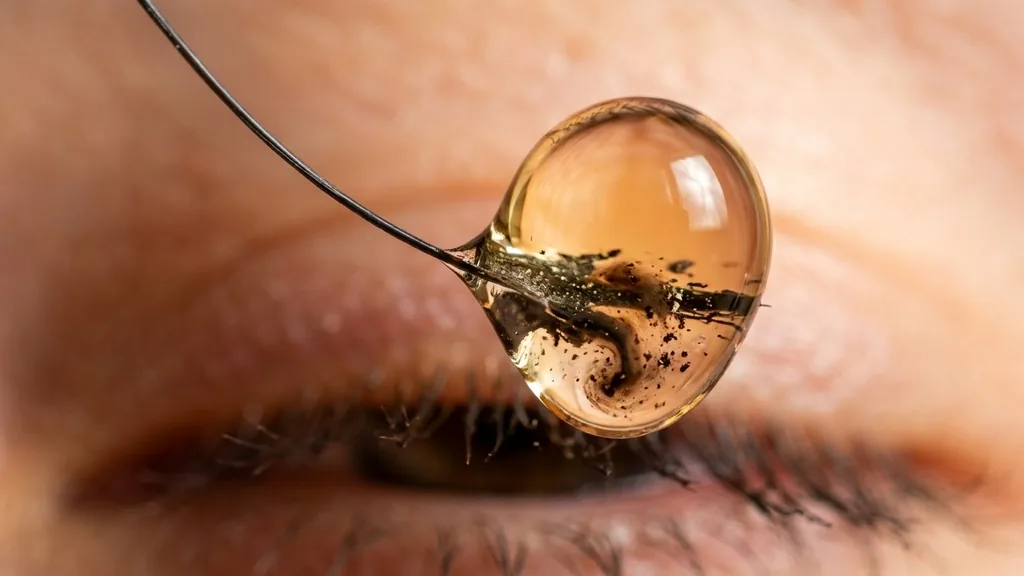
To understand why traditional facial cleansers or soap often fail to remove high-performance mascara, you must look at the formulation of the product itself. Waterproof mascara is built on a base of hydrophobic waxes and volatile silicones.
These ingredients create a barrier that repels water, which is exactly why your mascara doesn’t run when you get caught in the rain or go for a swim. Because water and oil do not mix, simply splashing your face with water will only serve to set the product further, making it harder to remove.
When you use an oil-based substance, you are essentially providing a solvent that can penetrate the waxy coating of the mascara. The oils work to soften the polymers, turning the hardened mascara into a substance that can be easily wiped away.
This is the same principle behind the efficacy of a high-end cleansing balm or a dedicated dual-phase makeup remover. By applying a safe, non-comedogenic oil to your lashes, you allow the formula to break down on a molecular level before you even attempt to touch the skin.
It is vital to prioritize safety when choosing which oils to apply near your eyes. While many kitchen oils are effective, you should always opt for cold-pressed, organic versions if possible to avoid potential contaminants. Furthermore, the process must be handled with extreme care.
You are not trying to “scrub” the mascara off; you are trying to “melt” it. If you find yourself tugging at your lashes, you are likely using too little oil or not giving the product enough time to sit and work its magic. Patience is the most important ingredient in this process.
Using Coconut Oil for Lash Cleansing
Coconut oil is perhaps the most popular and accessible household remedy for removing stubborn eye makeup. It is solid at room temperature but melts instantly upon contact with the warmth of your skin, making it an ideal medium for breaking down mascara.
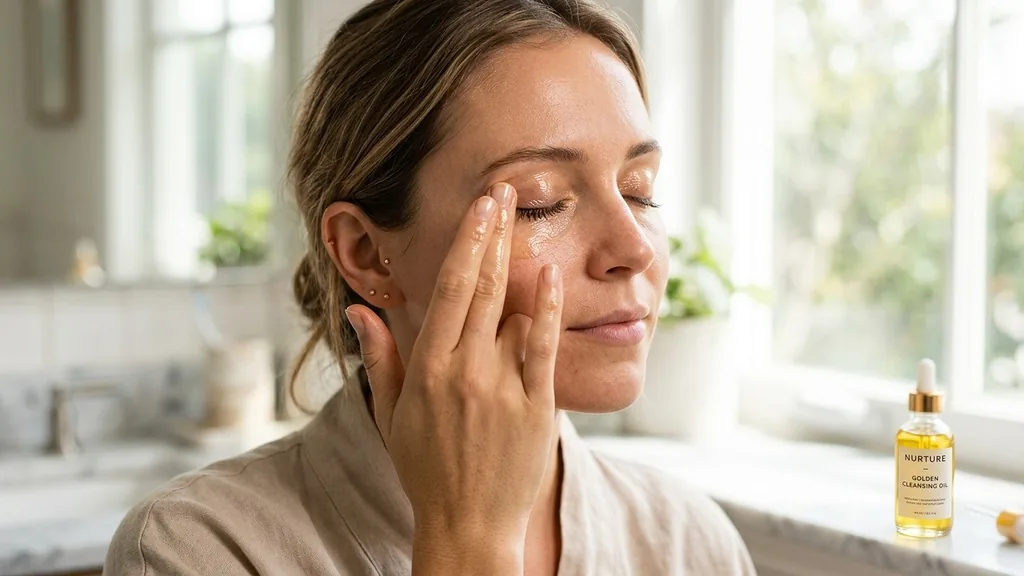
To use this method, scoop a tiny amount of organic, virgin coconut oil onto your fingertips. Gently massage the oil onto your closed eyelids, focusing specifically on the lash line where the mascara is concentrated.
As you massage, you will feel the mascara begin to soften and clump. Once you have worked the oil into the lashes for about thirty to sixty seconds, use a soft cotton pad or a clean, damp microfiber cloth to gently wipe downward.
You will notice the pigment transferring onto the cloth immediately. Because coconut oil is highly moisturizing, it also serves as a conditioning treatment for your lashes, which can often feel brittle after prolonged use of waterproof formulas.
However, there is a caveat: coconut oil is highly comedogenic, meaning it can clog pores if left on the skin. If you are prone to acne or have sensitive, breakout-prone skin, you should be very careful to follow up with a thorough face wash.
After removing the mascara, use your regular water-based cleanser to remove any oily residue. This double-cleansing method ensures that you get the benefits of the oil’s dissolving power without the risk of developing milia or breakouts around your eye contour.
The Benefits of Olive Oil and Sweet Almond Oil
If you find that coconut oil is too heavy or you are concerned about its comedogenic rating, olive oil and sweet almond oil are excellent, lighter alternatives. Olive oil is a staple in many kitchens and is packed with antioxidants and vitamins that can actually benefit the skin around your eyes. Sweet almond oil is even more favorable for this purpose because it is lightweight, absorbs relatively quickly, and is very gentle on sensitive skin.
To use these liquid oils, you can skip the fingertip method and go straight to a cotton pad. Saturate a cotton pad with a small amount of oil—you do not need it to be dripping, just lightly coated. Press the pad firmly against your closed eye for a full thirty seconds.
This “press and hold” technique is crucial. It gives the oil time to soak into the mascara layers, essentially loosening them from the hair shaft.
After the time is up, gently swipe downward. You should see the majority of the makeup come off in one or two passes.
One of the major advantages of using these oils is that they are less likely to cause the “cloudy vision” effect that sometimes happens with thicker balms or petroleum-based products. Because they are natural plant oils, they are generally well-tolerated by the skin. If you have extremely sensitive eyes, always perform a patch test on your inner arm first to ensure you do not have an allergic reaction to these botanical ingredients.
Comparing Removal Methods
It is helpful to look at how different substances perform when you need to remove waterproof mascara without a dedicated product. The table below compares common household alternatives based on their effectiveness and skin compatibility.
| Method | Effectiveness | Skin Type Suitability | Residue Level |
|---|---|---|---|
| Coconut Oil | Very High | Normal to Dry | High (Requires Rinse) |
| Sweet Almond Oil | High | All Types | Moderate |
| Olive Oil | Moderate | Dry/Mature | High |
| Baby Oil | High | Normal | Moderate |
As shown in the table, while all these methods are effective at breaking down the waterproof polymers, they differ in how they interact with your skin’s natural barrier. Baby oil, for instance, is mineral-oil based and highly effective, but it lacks the skin-conditioning nutrients found in plant-based oils like almond or olive. Choosing the right one depends on your specific skin concerns and what you happen to have in your pantry or medicine cabinet.
Important Precautions for Eye Safety
When you are learning how to take off waterproof mascara without makeup remover, your primary concern must always be eye health. The eyes are incredibly sensitive to foreign substances, and introducing oil or any other product into the eye can lead to irritation, blurred vision, or even infection if the product is not clean. Never use oils that have passed their expiration date, as rancid oils can harbor bacteria that are harmful to the delicate ocular surface.
Always ensure your hands are freshly washed before touching your eye area. If you use a cotton pad, make sure it is lint-free. Cotton fibers can easily get stuck in your lashes or, worse, inside the eye itself, causing scratching or discomfort.
If you prefer to use a washcloth, ensure it is freshly laundered and soft. Avoid using harsh or abrasive fabrics, as these will cause micro-tears in the thin skin around your eyes, potentially leading to premature fine lines and wrinkles.
If you wear contact lenses, you must remove them before starting the cleaning process. Oils can easily coat the surface of your lenses, creating a film that is difficult to remove and potentially damaging to the lens material. Furthermore, if any oil gets trapped between the lens and your eye, it can cause significant stinging and prolonged discomfort.
Always prioritize the removal of contacts, wash your hands, and then proceed with the oil-cleansing method. For more information on maintaining eye health, visit the American Academy of Ophthalmology to read about proper hygiene practices.
Troubleshooting Common Removal Issues
Even with the best techniques, you might encounter challenges, especially if your mascara is particularly stubborn or if you have very thick lashes. One of the most common issues is the “remaining smudge” that stays at the very base of the lash line. This is often because the oil did not reach deep enough into the roots.
To fix this, use a clean, oil-dipped cotton swab (Q-tip). Carefully run the swab along the lash line, mimicking the motion you would use with an eyeliner brush. This allows for precision and ensures you are targeting the mascara without getting oil into your eye.
Another issue is the feeling of an oily film remaining after you have finished. This is perfectly normal when using natural oils. The most effective way to remove this film is through the double-cleansing method.
After the mascara is gone, use a gentle, water-based cleanser or a foaming face wash to lift the excess oil from your skin. This step also ensures that any dissolved makeup particles are completely washed away, preventing them from settling into your pores overnight.
If you find that your lashes feel “heavy” even after cleaning, it may be a sign that you are using too much oil. Remember, you only need a drop or two. If you have used too much, use a clean, dry tissue to gently blot the area before washing your face.
This removes the excess oil and makes the secondary cleansing step much more efficient. By adjusting the amount of oil and the duration of your “press and hold” technique, you can master the process of removing waterproof makeup without the need for expensive, store-bought removers.
Frequently Asked Questions
Is it safe to use petroleum jelly to remove waterproof mascara?
Yes, petroleum jelly is an effective occlusive that can dissolve waterproof mascara. However, it is very thick and can be difficult to rinse off, potentially clogging pores for those prone to acne. Use a very small amount and ensure you wash it off thoroughly with a gentle cleanser.
Can I use water alone if I have no oil available?
No, water alone will not remove waterproof mascara because the formula is designed to be hydrophobic. If you have absolutely no oil, you might try a very gentle face cream or even a tiny amount of lotion, as these often contain emulsifiers that can help break down the product.
Will these methods damage my natural lashes?
When done gently, these methods are not damaging. In fact, using natural oils like almond or olive oil can help condition and strengthen your lashes. The only risk of damage comes from pulling, rubbing, or scrubbing too hard, which can cause lash breakage and hair loss.
How do I prevent the oily residue from causing blurry vision?
The best way to avoid blurry vision is to use only a tiny amount of oil and to keep your eyes firmly closed during the entire process. If you do get oil in your eyes, blink rapidly to help your natural tears flush it out, or use a saline eye drop to rinse.


