

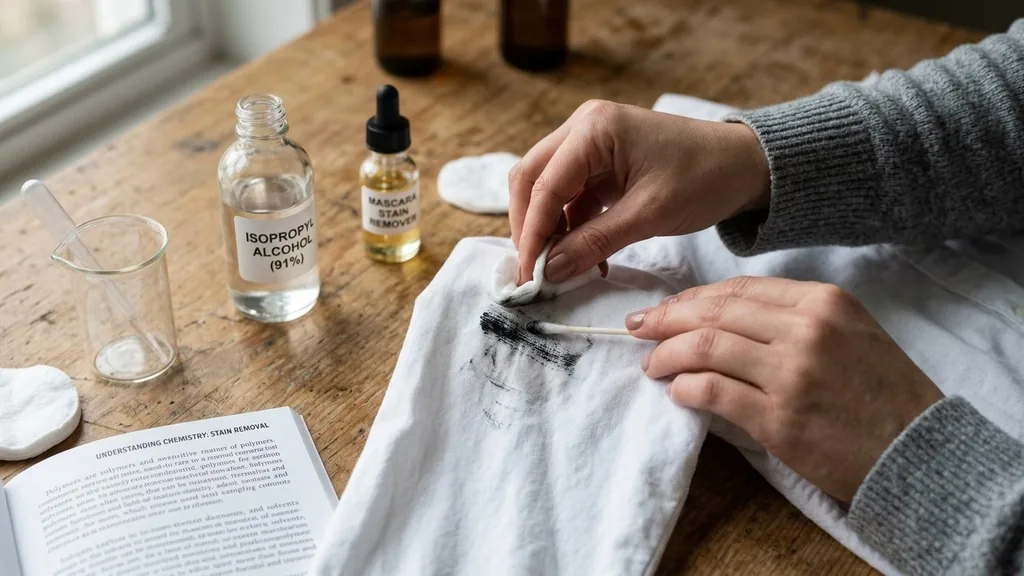
Accidents happen. You are rushing to finish your makeup, the wand slips, and suddenly a dark, waxy streak of mascara mars your favorite shirt. Because mascara is designed to be smudge-proof, water-resistant, and long-wearing, it can feel like a permanent addition to your wardrobe once it makes contact with fabric.
Learning how to remove mascara from clothing requires a strategic approach that prioritizes breaking down the formula’s binders without pushing the pigment deeper into the fibers. Whether you are dealing with a fresh smudge or a dried-in mishap, the right combination of household supplies and patience can restore your garment to its original state.
Understanding the Chemistry of Mascara Stains
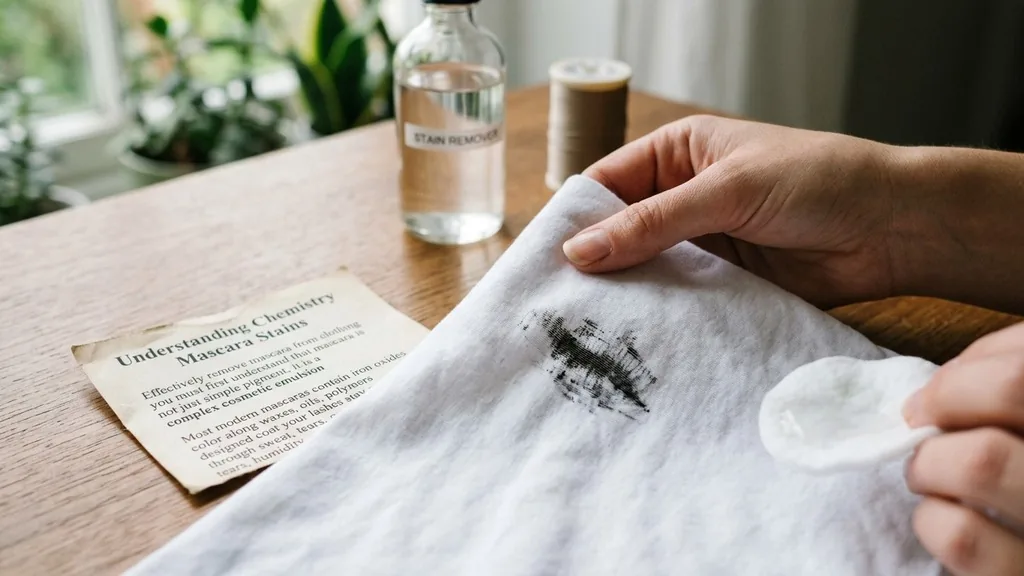
To effectively remove mascara from clothing, you must first understand that mascara is not just simple pigment; it is a complex cosmetic emulsion. Most modern mascaras contain iron oxides for color, along with waxes, oils, and polymers designed to coat your lashes and stay put through sweat, tears, and humidity.
These ingredients are intentionally hydrophobic, meaning they repel water. This is why simply dabbing at a fresh mascara stain with a damp paper towel often makes the situation worse—you are essentially trying to scrub a waterproof oil-based product with water, which merely smears the pigment across a larger surface area of the fabric.
The goal is to use agents that can dissolve the oils and waxes while lifting the iron oxide particles away from the textile. Because these stains are oily, water-based cleaners are usually ineffective on their own.
You need an emulsifier, such as a high-quality dish soap, or a solvent-based cleaner that can break the molecular bond between the mascara and the clothing fibers. Understanding that the stain is essentially a waxy, oil-based deposit changes your entire strategy from rubbing (which grinds the wax into the weave) to lifting and dissolving.
Initial Steps for Fresh Mascara Smudges
When you first notice a smudge, your immediate reaction might be to wipe it away with your finger or a dry tissue. Resist this urge. Touching a fresh mascara stain often pushes the thick, viscous formula deeper into the fabric’s weave.
Instead, grab a dull butter knife or the edge of a credit card to gently scrape away any excess mascara sitting on top of the fabric. By removing the bulk of the product before it sets, you minimize the amount of pigment you will eventually have to wash out.
Once the excess is removed, resist the temptation to use hot water. Heat can set the oils and waxes into the fibers, making the stain significantly harder to remove. Always blot the area—do not rub—with a clean, white cloth or a paper towel.
Using a white cloth is essential because it allows you to see how much pigment is transferring off the garment, providing a clear indicator of progress. If you are at work or on the go, you can lightly dab the area with a tiny amount of micellar water if you have it in your makeup bag, as this is specifically formulated to break down mascara without harsh scrubbing.
The Role of Dish Soap in Stain Removal
Dish soap is perhaps the most effective household tool for treating makeup stains. Because dish soap is designed to cut through grease and oil on plates and pans, it is chemically perfect for breaking down the waxy components of mascara. To use this method, apply a small drop of clear, grease-fighting dish soap directly onto the stained area.
Using a clean finger or a soft-bristled toothbrush, gently work the soap into the fabric using a circular motion. You want the soap to fully encapsulate the mascara particles.
Let the dish soap sit on the fabric for at least ten to fifteen minutes. This dwell time is crucial. It gives the surfactants in the soap time to penetrate the wax and lift the iron oxide pigments away from the threads.
After the time has passed, rinse the area with cold water from the back of the fabric. By rinsing from the back, you are essentially pushing the stain out of the clothing rather than through it.
If the stain persists, repeat the process. It is far better to perform three gentle cycles of soap and rinse than one aggressive, damaging scrub.
Treating Dried Mascara on Delicate Fabrics
If the mascara has dried, the challenge increases because the waxes have hardened around the fibers. You need to rehydrate the stain before you can effectively lift it. A common approach for delicate fabrics like silk or wool is to use a light application of a gentle makeup remover, preferably one that is oil-free, to soften the dried mascara.
Test this on an inconspicuous area of the garment first to ensure it does not cause discoloration. Once the mascara has softened, you can proceed with the dish soap treatment mentioned in the previous section.
When dealing with delicate items, avoid abrasive tools. A soft cotton swab or a microfiber cloth is your best friend. If the clothing is particularly expensive or made of sensitive materials, do not hesitate to consult the care label.
Some items clearly state “dry clean only,” and attempting to treat these at home with water and detergents can lead to water spots or damage to the fabric structure. In these specific cases, it is safer to take the item to a professional cleaner and explicitly inform them that the spot is a mascara stain so they can choose the appropriate solvent.
Comparing Cleaning Agents for Different Materials
Different fabrics react differently to various cleaning agents. Below is a quick reference table to help you determine which approach is safest for your specific garment type. Always prioritize the gentlest method first.
| Fabric Type | Recommended Agent | Precautions |
|---|---|---|
| Cotton/Denim | Dish soap or laundry detergent | Safe for most vigorous cleaning |
| Silk/Satin | Diluted delicate wash | Avoid rubbing; blot only |
| Polyester/Synthetics | Dish soap + white vinegar | Check for colorfastness first |
| Wool/Cashmere | Specialized wool wash | Do not soak for long periods |
Addressing Stubborn Stains with Targeted Solutions
Sometimes, despite your best efforts, a faint shadow of the mascara remains. This is often the case with waterproof formulas that contain high concentrations of long-wearing polymers. In these instances, you may need a stronger solvent.
Rubbing alcohol or a high-quality laundry stain remover can be effective, but they must be used with caution. Dip a clean cotton swab into the rubbing alcohol and dab it onto the stain. The alcohol helps dissolve the polymers that keep the mascara attached to your lashes.
As you dab, you will notice the mascara transferring onto the cotton swab. Keep switching to clean parts of the swab so you are not reapplying the pigment back onto the fabric. Once the alcohol has done its work, follow up immediately with a rinse of cold water and a small amount of liquid detergent to neutralize the area.
Never leave chemicals on the fabric for an extended period, as they can sometimes weaken the fibers or cause the colors to bleed. You can find more information on fabric care and stain management on the Federal Trade Commission guidelines for care labeling.
Preventing Future Makeup Mishaps
The best way to handle mascara stains is to avoid them entirely through better application habits. Many people apply their makeup while already wearing their clothes, which is the primary cause of these accidents.
If possible, put on your mascara while wearing a robe or a towel, and then change into your outfit once your makeup is fully set. If you are in a rush and must dress first, consider using a makeup cape or simply draping a towel over your shoulders to act as a barrier between your lashes and your shirt.
Another preventative measure is to ensure your mascara wand is not overloaded with product. A wand dripping with excess mascara is much more likely to smudge or drop onto your clothes. Wipe the tip of the wand on a tissue before application.
This not only prevents clumps on your lashes but also removes the excess glob of product that usually causes the damage. Additionally, check the condition of your mascara. If it is old, it can become flaky, and those flakes are much harder to remove from fabric than a fresh, creamy smudge.
Addressing Common Topical Gaps
One question that often arises is whether you can remove mascara from clothing without washing the entire garment. Yes, you can.
The “spot cleaning” method described earlier—using dish soap, a toothbrush, and a damp cloth—is specifically designed to target the stain without needing to run the entire item through a full laundry cycle. This is particularly useful for coats, sweaters, or expensive items that you do not want to subject to the wear and tear of a washing machine.
Another common concern is how to deal with mascara on white clothing. White fabric is notoriously difficult because any residual pigment is immediately visible. The key here is to avoid any colored soaps or detergents that might leave a tint.
Use clear, fragrance-free dish soap and white vinegar. The acetic acid in the vinegar can help lift residual iron oxides without staining the fabric.
If a faint trace remains after treatment, a gentle application of an oxygen-based bleach (safe for whites) can often finish the job, provided the fabric is compatible. Always perform a patch test on an inside seam before applying any bleaching agent to the main body of the garment.
The Importance of the Final Wash Cycle
Once you have successfully treated the stain and it is no longer visible, it is essential to wash the garment according to its care instructions. Even if the stain looks gone, there may be microscopic remnants of the formula or the cleaning agent you used that could attract dirt or cause the fabric to stiffen if left behind.
Using a high-quality detergent, wash the item in the recommended water temperature. If you have been treating a stubborn stain, adding a half-cup of baking soda to the wash can help brighten the fabric and ensure no chemical residue remains.
After the wash cycle, inspect the area before putting the item into the dryer. Heat is the enemy of any remaining stain. If the mascara is not 100% gone, the dryer will set the remaining pigment permanently.
If you still see a mark, repeat the spot treatment process rather than drying the garment. It is much easier to remove a stain from a damp, clean shirt than it is to remove one that has been heat-pressed into the fibers by a dryer. Patience is the ultimate factor in successful stain removal.
FAQ Section
- Can I use makeup remover to clean mascara off clothes? Yes, oil-free makeup remover can be effective for softening the mascara, especially on delicate fabrics. Apply it carefully with a cotton swab, then follow up with a mild detergent and cold water to ensure all oily residues are removed from the fabric fibers.
- Does hairspray really help remove mascara stains? While some people suggest hairspray due to its alcohol content, it is not recommended. Modern hairsprays contain resins and conditioners that can leave their own stains or damage the fabric. It is safer to use plain rubbing alcohol or dish soap for a controlled, effective clean.
- Is it possible to remove waterproof mascara from clothing? Yes, but it is more difficult than standard mascara. Because waterproof formulas are designed to resist water, you must focus on oil-based cleaners like dish soap or specialized makeup removers. These agents break down the waterproof polymers, allowing you to lift the pigment out safely.
- Why does my mascara stain look worse after I wash it? If the stain appears darker or larger after washing, it is usually because the hot water set the wax or the detergent wasn’t strong enough to fully emulsify the pigment. Always use cold water for mascara stains to prevent the formula from bonding to the fabric fibers.


