

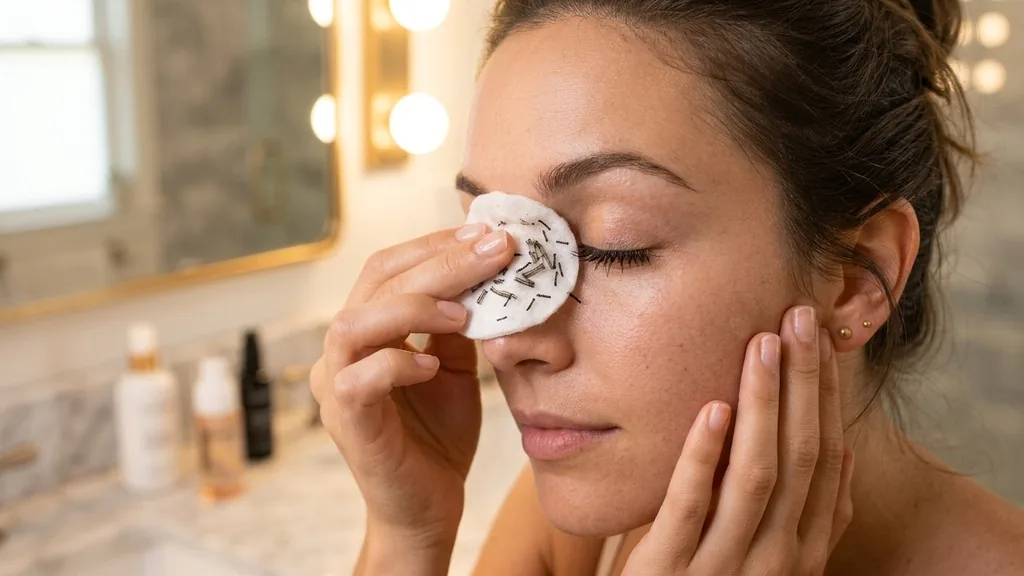
Mastering the process of how to take off tubing mascara is a game-changer for anyone tired of the dreaded “raccoon eyes” that often follow a long day of wearing traditional makeup. Unlike standard mascaras that rely on wax and oil-based pigments to coat your lashes, tubing mascara utilizes specialized polymers that wrap around each individual hair.
These polymers form tiny, water-resistant tubes that stay put through sweat, humidity, and tears, but they possess a unique physical property: they are designed to slide off the lash when exposed to the right conditions. Understanding this mechanism is the secret to protecting your delicate eye area while ensuring a clean, residue-free removal process every single time.
The Science Behind Tubing Mascara Removal
To understand how to take off tubing mascara effectively, one must first appreciate the chemistry of the product. Traditional mascaras are essentially pigmented waxes that adhere to the surface of the lash. When you attempt to remove them, you are essentially breaking down a thick, oily substance, which often leads to smearing and requires heavy-duty cleansers.
In contrast, tubing formulas are built on a water-soluble polymer base. These polymers shrink slightly as they dry, creating a tight-fitting sleeve around the lash.
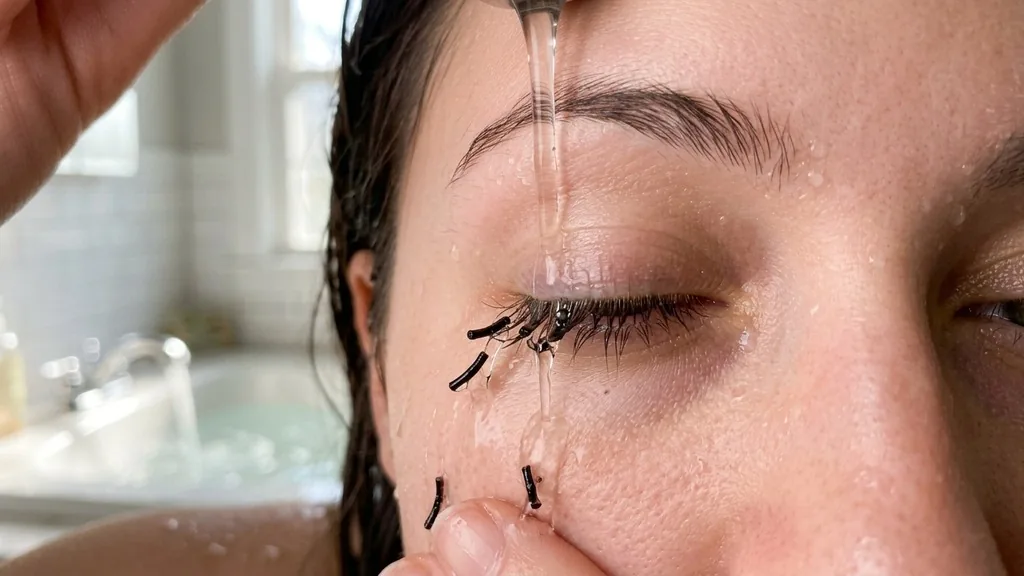
When you introduce warm water to these polymers, the chemical bonds begin to soften and expand. This process effectively breaks the seal between the tube and the lash hair. Because the formula is designed to slide off in one piece, it does not dissolve into a messy liquid state like oil-based mascaras.
This is why you rarely see smudging or staining on the skin beneath your eyes when using a properly formulated tubing mascara. The removal process is purely mechanical rather than chemical; you are physically sliding the tubes off the lash shaft rather than dissolving pigment into your pores. By focusing on the temperature of the water and the gentle pressure of your fingertips, you can safely remove the product without any tugging or pulling, which is essential for maintaining the health and density of your natural lashes.
Step-by-Step Method for Gentle Removal
The most effective way to remove these products is to rely on a simple, consistent technique. You do not need harsh chemical solvents, heavy oils, or abrasive wipes. In fact, using oil-based cleansers can sometimes interfere with the removal process, as they may not be able to penetrate the water-soluble polymers effectively.
Follow these steps to ensure a clean finish:
- Start by splashing your face with plenty of warm water. The water temperature should be comfortable—not scalding—but warm enough to soften the polymers.
- Gently press your wet fingertips against your lashes for about 30 to 60 seconds. This saturation period is critical; it allows the water to penetrate the tubular structures.
- Using your thumb and index finger, gently pinch the base of your lashes and slide your fingers toward the tips. You should feel the tiny tubes sliding off.
- If you prefer, you can use a soft, damp microfiber cloth. Press it against the lashes and gently swipe downwards.
- Rinse your face thoroughly with cool water to ensure all debris is cleared away and to soothe the skin.
This method is incredibly gentle on the eye area. Because you are not rubbing back and forth, you minimize the risk of irritation or premature lash fallout.
It is a common misconception that tubing mascaras cause lash loss; in reality, lash loss is usually caused by the physical trauma of scrubbing away stubborn, non-tubing formulas. When you learn how to take off tubing mascara correctly, you are actually engaging in a much healthier habit for your hair follicles.
Comparing Removal Methods: Tubing vs. Traditional Mascara
It is helpful to look at how the removal experience differs between various types of eye makeup to see why the tubing approach is distinct. The table below highlights the key differences in maintenance and removal effort.
| Feature | Tubing Mascara | Traditional Mascara |
|---|---|---|
| Primary Remover | Warm Water | Oil-based Cleanser/Micellar Water |
| Residue | Minimal (clean tubes) | High (smudging/oily film) |
| Friction Required | Very Low | Moderate to High |
| Skin Impact | Non-irritating | Potential for clogged pores/dryness |
As the data suggests, the reliance on warm water makes the tubing process significantly more efficient. While traditional mascaras often require a cotton pad soaked in solvent, which can create friction against the thin, sensitive skin around the eyes, tubing formulas simply detach. This is particularly beneficial for those with sensitive skin or contact lens wearers, as there is no oily residue left behind that could cloud vision or cause irritation after the makeup is removed.
Addressing Common Challenges and Topical Gaps
One of the most frequent questions regarding this topic is: “What happens if I don’t have access to warm water?” While warm water is the gold standard for softening the polymers, it is not the only way to remove the product.
If you are in a situation where water temperature control is limited, you can use a warm, damp cloth held against the lashes for a slightly longer duration. The steam and heat transfer from the cloth will mimic the effect of a splash.
Another common concern involves the fear that the tubes are actually individual lashes falling out. It is important to distinguish between the two. A natural lash has a root bulb; when you look at a tube that has come off, it will appear as a dark, hollow cylinder.
If you notice a tiny, black, cylindrical shape on your finger, that is the polymer coating. If you notice a hair with a white bulb at the end, that is a natural lash. Learning to identify the difference helps alleviate the anxiety that using this type of mascara is damaging your natural growth.
Furthermore, some users report that certain tubing mascaras are “stubborn.” This usually occurs because the formula has been layered too heavily or because the water used was not warm enough. If you find yourself struggling, do not reach for a harsh cleanser; instead, re-saturate with more warmth.
Patience is the ultimate tool here. For more insights on eye health and hygiene, you can visit the American Academy of Ophthalmology to read about best practices for ocular care and the safe use of cosmetic products around the eye.
Why Friction is the Enemy of Your Eyelashes
When discussing how to take off tubing mascara, the conversation must inevitably turn to the importance of avoiding friction. The skin around the eyes is the thinnest on the human body, and the lashes themselves are delicate structures.
Every time you rub your eyes with a cotton round to remove stubborn, waterproof, oil-based mascara, you are putting mechanical stress on the hair follicles. Over time, this chronic tugging can lead to thinning lashes or even traction alopecia.
Tubing mascara is designed specifically to eliminate this mechanical stress. Because the formula slides off, you bypass the need for aggressive scrubbing. This is a significant health benefit that is often overlooked in favor of purely aesthetic concerns.
By adopting a “no-rub” philosophy, you preserve the natural oils of your eyelids and protect the structural integrity of your lashes. If you find yourself needing to pull or tug to get the product off, you are doing it wrong.
The formula should essentially “give up” and release itself once the polymers reach their saturation point. If it feels like it is sticking, it simply needs more time in the warm water.
Troubleshooting and Pro-Tips for Success
To ensure you never have to deal with difficult removal, consider these professional tips for your daily routine. First, ensure you are not applying too many coats.
Tubing mascara works by forming a sleeve around the hair; if you apply five or six layers, those sleeves become significantly thicker and harder to saturate evenly. Sticking to two or three coats is usually sufficient for a dramatic look and makes the nightly removal process much faster.
Second, consider your environment. If you live in a very humid climate, ensure your tubing mascara is specifically labeled as “water-resistant” or “long-wear.”
Some lower-quality tubing formulas might begin to release if you sweat excessively, which can lead to premature flaking. While this is not a removal issue, it is a performance issue that impacts how the product behaves on your face.
Lastly, do not use makeup removers that contain high concentrations of oils or silicones before you have attempted the water removal. These ingredients can create a barrier on the lash, preventing the water from reaching the polymers. Think of it like a raincoat; if you coat the tubes in oil, the water will bead off rather than soaking in.
Stick to the water-only method first, and only if you have leftover traces of eyeliner or eyeshadow should you use a mild, oil-free cleanser to finish the job. This simple workflow ensures that your nightly routine remains efficient, gentle, and effective.
Frequently Asked Questions About Tubing Mascara
Is it possible to remove tubing mascara with micellar water?
While you can use micellar water, it is often unnecessary and can sometimes be less effective than plain warm water. Micellar water is designed to bind to oils, whereas tubing mascara is designed to respond to temperature and water. Stick to warm water for the best results.
Does tubing mascara cause my natural lashes to fall out?
No, tubing mascara does not cause lash loss when removed correctly. The “tubes” you see on your fingers are the polymer coating, not your actual lashes. If you pull or tug at your lashes during removal, that mechanical force is what causes damage, not the product itself.
Can I use an oil-based makeup remover to get it off?
You can, but it is not recommended as your primary method. Oils can create a water-repellent barrier over the mascara, making it harder for the warm water to soften the polymers. It is better to remove the mascara with water first, then use your cleanser for the rest of your face.
How long should I hold the warm water on my eyes?
You should hold the warm water or a damp, warm cloth against your lashes for at least 30 to 60 seconds. This allows the heat to penetrate the polymers, causing them to expand and release their grip on the lash, allowing for a clean, effortless slide-off.


