

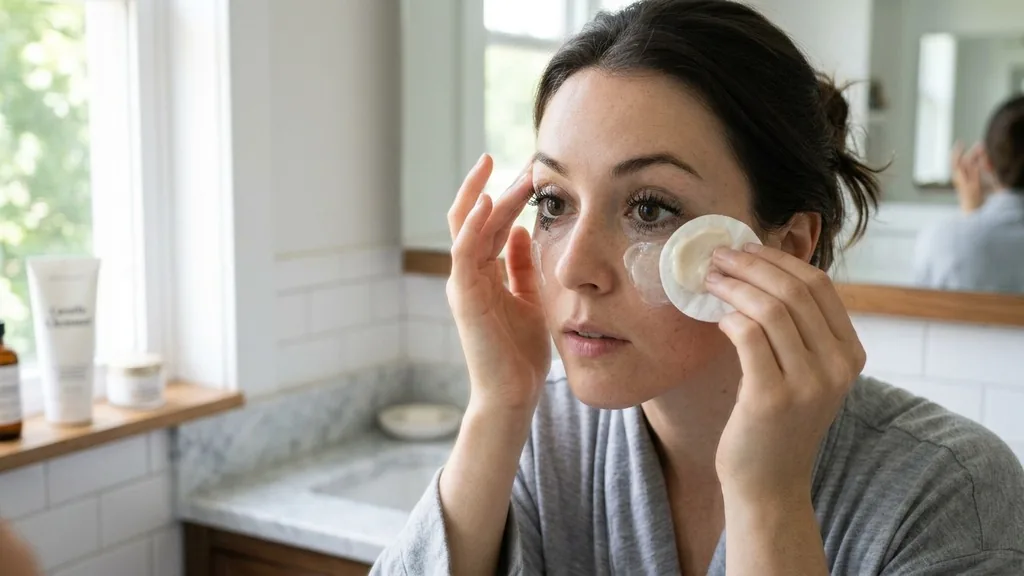
Removing waterproof mascara can often feel like a battle against your own lashes. Because these formulations are specifically engineered to resist moisture, humidity, and even sweat, they contain waxes and polymers that form a stubborn seal around each individual hair. While this is excellent for keeping your look fresh during a rainstorm or an emotional movie, it presents a significant challenge when you are ready to cleanse your face for the night.
If you find yourself scrubbing your eyes until they are red and irritated, you are likely using the wrong technique or the wrong product. Learning how to remove waterproof mascara effectively requires a balance of patience and the right chemical approach to break down those bonds without causing breakage or skin sensitivity.
The Science Behind Waterproof Makeup and Bonding Agents
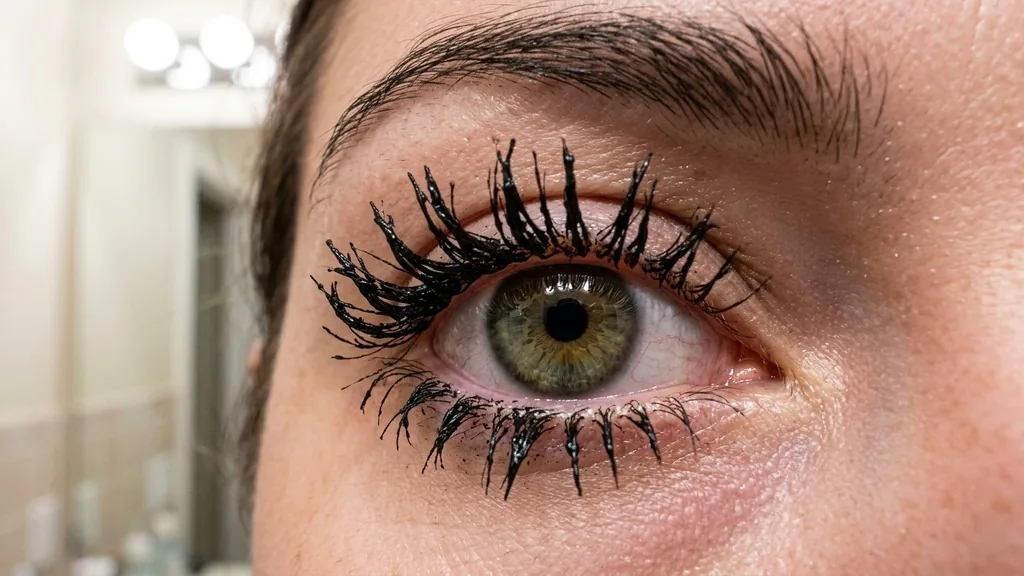
To understand why traditional face wash often fails to move your mascara, you must look at the chemistry involved in waterproof makeup. These products rely on hydrophobic ingredients—primarily silicones, synthetic waxes, and volatile solvents—that repel water.
When you apply these to your lashes, the liquid solvent evaporates, leaving behind a flexible, waterproof film that locks the pigment in place. Because this film is designed to be impervious to water, splashing your face at the sink will do virtually nothing to dissolve it.
Attempting to scrub away this stubborn residue without the proper solvent is a recipe for disaster. The skin around your eye area is the thinnest on the entire body, and it is exceptionally prone to premature aging and irritation. When you pull, tug, or rub aggressively, you break the delicate capillary walls beneath the surface and cause mechanical damage to your eyelashes.
Many people notice their lashes thinning over time simply because they are using abrasive methods to remove their eye makeup. The goal is to dissolve the adhesive bond chemically rather than removing it through friction. By applying a product that is lipophilic (fat-loving), you can effectively lift the polymers off the hair shaft, allowing the mascara to slide off gently.
Why Oil-Based Cleansers Are the Gold Standard
When it comes to the most efficient way to remove long-wear eye makeup, oil is your best friend. The principle of “like dissolves like” applies here; because waterproof mascara is composed of waxes and oils, an oil-based product can penetrate and liquefy those ingredients instantly. Using an oil-based cleansing balm or a dedicated makeup remover is the most effective way to ensure that every trace of pigment is removed without leaving a gritty residue that could cause clumping or irritation.
Many people are wary of using oils near their eyes, fearing that it will lead to breakouts or blurry vision. However, when used as part of a double-cleansing routine, these concerns are largely unfounded. A high-quality cleansing balm melts into a silky oil upon contact with your body heat, effectively loosening the mascara without requiring any pressure.
You should massage the product into your closed eyelids, focusing on the root of the lashes where the mascara buildup is thickest. Once the product has had thirty to sixty seconds to work its magic, you can rinse it away with warm water. This method preserves the health of your skin and keeps your eyelashes strong and conditioned.
Comparing Common Removal Methods
There is no single “correct” way to clean your eyes, as different skin types and preferences dictate the best approach. Some individuals prefer the convenience of pre-soaked pads, while others swear by the deep-cleansing properties of a traditional balm. The following table provides a quick comparison of the most popular methods for removing stubborn eye makeup.
| Method | Best For | Key Benefit |
|---|---|---|
| Cleansing Balm | Heavy makeup users | Dissolves stubborn wax thoroughly |
| Biphasic Remover | Sensitive eyes | Quickly breaks down waterproof layers |
| Micellar Water | Quick, light routines | No rinsing required, gentle |
| Natural Oils | Dry skin types | Conditioning and moisturizing |
Each of these methods has its place in a skincare routine. For instance, a biphasic remover—which consists of both an oil layer and a water layer—is specifically formulated to tackle the most resilient formulas.
You shake the bottle to combine the two phases, apply it to a cotton pad, and hold it against your closed eyelid for a few seconds. This pause is crucial; it gives the formula time to soften the mascara, making it slide off in one smooth motion rather than flaking into your eyes.
Step-by-Step Guide to Effective Makeup Removal
Consistency is the secret to maintaining the health of your skin and the length of your lashes. If you follow a structured process, you will find that the chore of removing makeup becomes much faster and less damaging. Start by selecting a gentle, ophthalmologist-tested makeup remover.
If you are using a liquid or micellar water, soak two cotton rounds thoroughly. Do not use a dry or barely damp pad, as the friction against the skin will be too high.
- Saturate two cotton pads with your chosen remover, ensuring they are damp but not dripping.
- Place the pads gently over your closed eyelids, pressing lightly so the lashes are sandwiched between the pad and your finger.
- Hold the pads in place for at least 30 seconds. This allows the solvent to break down the waterproof polymers.
- Gently glide the pad downward along the length of your lashes, avoiding any side-to-side rubbing.
- If residue remains, use a clean cotton swab dipped in the remover to trace the lash line.
- Always follow up with a gentle facial cleanser to remove any remaining oily film.
Following these steps ensures that you are not just cleaning the surface but actually lifting the makeup away from the delicate hair follicles. It is a common mistake to skip the final cleansing step, but removing the leftover oil is vital for those prone to milia or clogged pores around the orbital bone. You can find more information on general skin hygiene practices via the American Academy of Dermatology, which provides comprehensive advice on maintaining skin barrier health.
Addressing Topical Gaps: Common Mistakes and Myths
One of the most frequent questions regarding this process is: “Why isn’t my mascara coming off?” Often, the answer lies in the application technique. If you apply multiple layers of waterproof mascara, you create a thick, hardened shell that is notoriously difficult to penetrate.
Furthermore, many people attempt to remove their makeup while their face is already wet. Because your mascara is waterproof, adding water first creates a barrier that prevents your cleanser from reaching the pigments. Always apply your oil-based remover to dry skin.
Another common myth is that you must use harsh scrubbing motions to get results. In reality, speed is the enemy of eye health. If you rush the process, you are far more likely to leave residue behind or cause the mascara to clump into the sensitive inner corners of your eyes.
If you find that your chosen product simply isn’t working, it may be time to switch to a formula designed specifically for long-wear products. Some standard cleansers are simply too weak to emulsify the synthetic waxes found in high-performance mascaras. Do not be afraid to invest in a dedicated eye makeup remover if your current routine is leaving you with “panda eyes” the next morning.
Natural Alternatives and Their Limitations
Many people look for household items to remove their makeup, often turning to pantry staples like coconut oil or olive oil. While these can be effective at dissolving waterproof makeup because of their high fat content, they are not always the best choice for everyone.
Coconut oil, for instance, is highly comedogenic, meaning it has a high likelihood of clogging pores, which can lead to whiteheads or milia around the eyes. If you have oily or acne-prone skin, using kitchen oils on your face is generally discouraged.
If you choose to use a natural oil, ensure it is high-quality and cold-pressed. Sweet almond oil or jojoba oil are often better alternatives to coconut oil because they are lighter and closer to the natural sebum produced by your skin. However, keep in mind that these oils do not contain the emulsifiers that commercial cleansers possess.
Emulsifiers are the ingredients that allow the oil to turn into a milky substance when mixed with water, which makes rinsing it away much easier. Without them, you will likely need to wash your face multiple times with a foaming cleanser to remove the greasy residue left behind by pure oil.
The Importance of Post-Cleansing Care
Once you have successfully removed your mascara, the care process shouldn’t stop there. The skin around your eyes is subject to constant movement and is the first area to show signs of dehydration.
After you have cleared away the makeup and rinsed your face, your skin may feel slightly stripped, especially if you have used a deep-cleansing method. It is essential to rehydrate this area immediately.
Apply a gentle, fragrance-free eye cream or a lightweight moisturizer to the orbital bone. Avoid putting heavy creams directly on the lash line, as this can lead to puffiness in the morning. Instead, tap the product in with your ring finger, which exerts the least amount of pressure.
This step not only restores moisture but also soothes any minor irritation caused by the removal process. If you notice persistent redness or swelling, it may be a sign that you are sensitive to one of the ingredients in your makeup remover, and you should consider switching to a formula labeled as “hypoallergenic” or “for sensitive eyes.”
Frequently Asked Questions
Does Vaseline effectively remove waterproof mascara?
Yes, petroleum jelly is an effective occlusive that can break down waterproof waxes. However, it is very thick and can be difficult to remove from the skin. It may also leave a heavy, greasy film that can cause blurry vision if it gets into your eyes.
What is the best way to remove mascara without a specialized remover?
If you are out of makeup remover, a gentle, oil-based facial cleanser or a cleansing balm is the best alternative. Avoid using harsh soaps or alcohol-based toners, as these will dry out your skin and lashes, leading to breakage and irritation around the eyes.
Why does my mascara still leave black smudges after washing?
This usually happens because you are not allowing the remover enough time to dissolve the product, or you are using a water-based cleanser on a waterproof formula. Always use an oil-based product and let it sit on your closed eyes for at least thirty seconds before wiping.
Can I use baby oil to take off my eye makeup?
While baby oil can dissolve mascara, it is often heavily fragranced, which can cause irritation for those with sensitive skin or eyes. If you choose to use it, ensure it is mineral oil-based and be very careful to rinse it away thoroughly to avoid clogging pores.


