

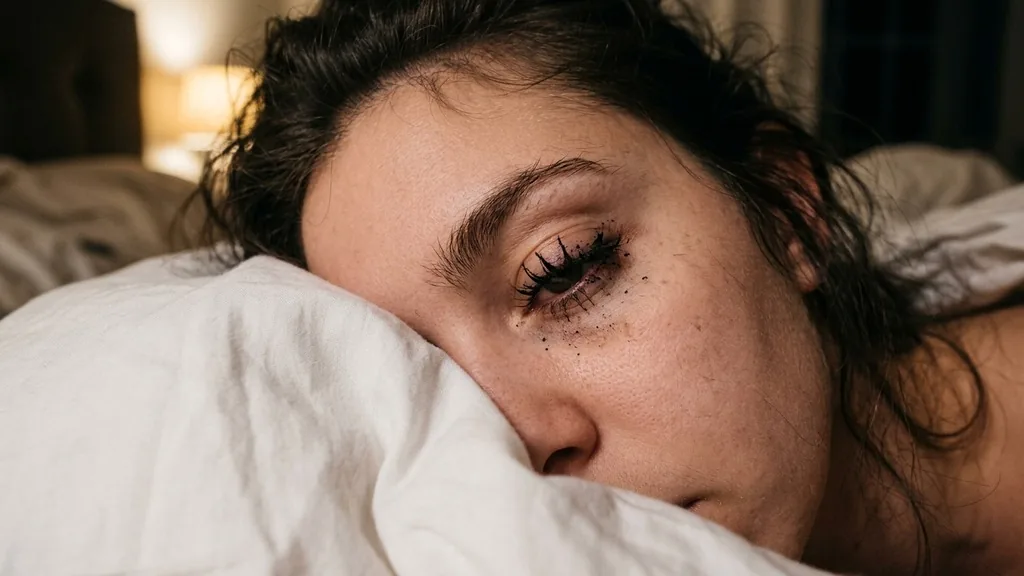
It is a common scenario: you have had a long, exhausting day, and the thought of standing in front of the bathroom mirror to scrub away your eye makeup feels like an impossible chore. You might wonder, is sleeping with mascara bad for your eyes, or is it just a minor lapse in a good skincare routine?
The truth is that leaving mascara on overnight is more than just a potential mess on your pillowcase; it can trigger a cascade of negative effects on your ocular health and the delicate skin surrounding your eyes. While one isolated night might not cause permanent damage, making it a habit introduces significant risks that range from uncomfortable irritation to more serious infections.
The Biological Impact of Dried Mascara on Eyelashes
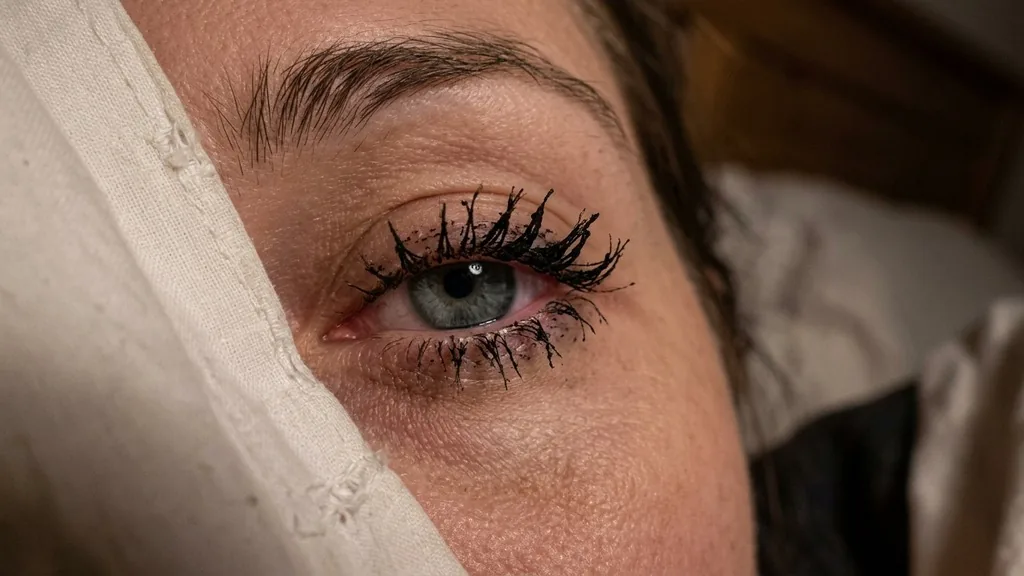
When you leave mascara on overnight, you are essentially coating your eyelashes in a hardened, pigmented substance for eight or more hours beyond its intended use. Mascara formulas are designed to adhere to the hair shaft, providing volume, length, and color. However, as the product dries throughout the day, it becomes brittle.
When you go to sleep, the friction between your eyelashes and your pillowcase causes these stiff, dry lashes to rub against each other and the fabric. This mechanical stress is a primary cause of lash breakage.
Eyelashes, much like the hair on your head, require flexibility to remain healthy. By coating them in a rigid film that does not allow for natural movement, you weaken the structure of the hair. Over time, this leads to thinning lashes, as the weight and rigidity of the old product pull on the follicles.
Furthermore, the buildup of product at the base of the lash line can clog the follicles themselves. This can impede the natural growth cycle of the eyelash, potentially leading to sparse or brittle lashes that fall out prematurely. If you value the fullness of your natural lash line, treating your eyes with a gentle cleansing routine is non-negotiable.
Ocular Irritation and the Risk of Infection
The eyes are remarkably sensitive organs, and they do not react well to foreign substances, especially those containing pigments, waxes, and preservatives that have been exposed to the air for hours. When you sleep with mascara on, microscopic particles of the product can flake off and find their way into the eye.
This is not just a nuisance; it is a direct pathway to mechanical irritation. The physical presence of these particles on the surface of the eye can cause redness, itching, and a persistent feeling of grittiness, as if there is sand trapped under your eyelid.
Beyond simple irritation, sleeping with eye makeup significantly increases the risk of developing ocular infections. Throughout the day, mascara acts as a magnet for dust, pollution, and bacteria from the environment. When you leave this film on overnight, you are essentially pressing a concentrated layer of debris against your eyes for several hours.
This environment is ripe for the development of conditions like bacterial conjunctivitis, commonly known as pink eye, or blepharitis—an inflammation of the eyelid margins. The American Academy of Ophthalmology emphasizes the importance of proper makeup removal to prevent such complications, as the hygiene of the eyelid margin is crucial for overall eye health.
Clogged Pores and Skin Health Around the Eyes
While we often focus on the eyelashes themselves, we cannot ignore the impact that leftover eye makeup has on the surrounding skin. The area around your eyes is the thinnest and most delicate skin on your entire face.
It lacks the oil glands found elsewhere, making it highly susceptible to dryness, fine lines, and irritation. When you skip your nightly cleanse, you are leaving behind a layer of product that prevents your skin from breathing and completing its natural renewal process during the night.
The buildup of mascara and other eye makeup can clog the pores and hair follicles in the eyelid area. This often manifests as small, hard bumps known as milia, or as more inflammatory breakouts like styes. A stye is essentially an infected oil gland or hair follicle at the base of your eyelash.
By leaving mascara on, you trap bacteria against these sensitive areas, creating the perfect breeding ground for these painful, unsightly bumps. Furthermore, the residue can interfere with the absorption of your nighttime eye creams or serums, rendering your expensive skincare products ineffective. If you want to maintain a youthful, clear eye area, removing every trace of makeup is a foundational step that should never be skipped.
The Mechanics of Proper Makeup Removal
Understanding the risks is only half the battle; knowing how to properly remove your mascara is equally important. Many people mistakenly believe that splashing water on their face is enough, but mascara, especially waterproof varieties, is formulated to resist water. Using harsh scrubbing motions to remove stubborn product is actually more damaging than leaving it on, as this tugs on the delicate skin and can lead to premature wrinkling and lash loss.
To protect your eyes, you should adopt a methodical approach to cleansing. The best practice involves using a dedicated eye makeup remover or a gentle oil-based cleanser that can break down the waxes and pigments without requiring excessive pressure. Here is a breakdown of the effective steps for removing mascara:
- Saturate a soft, reusable cotton pad or a clean microfiber cloth with your chosen makeup remover.
- Gently press the pad against your closed eyelid and hold it there for 15 to 30 seconds. This allows the product to dissolve the mascara, making it slide off easily.
- Wipe downward in the direction of the lash growth, never back and forth, to avoid unnecessary friction.
- Use a clean cotton swab dipped in remover to target any remaining residue between the lashes.
- Follow up with a gentle facial cleanser to remove any oily film left behind by the makeup remover.
Comparing Makeup Removal Methods
Different types of mascara require different removal strategies. Understanding these differences can help you avoid the common pitfalls that lead to lash damage. The following table compares the typical requirements for various eye makeup categories and the potential risks of improper removal.
| Mascara Type | Removal Requirement | Common Risk of Improper Removal |
|---|---|---|
| Waterproof | Oil-based cleanser | Lash breakage from tugging |
| Tubing | Warm water + gentle pressure | Incomplete removal of ‘tubes’ |
| Volumizing | Double cleansing | Clogged follicles/Styes |
| Natural/Organic | Micellar water | Bacterial buildup |
Each category of product has its own unique chemical structure. Waterproof mascaras, for instance, are designed to withstand moisture, meaning that simple soap and water will often fail to remove them completely.
If you find yourself scrubbing at your eyes, you are damaging the skin and the lash follicles. Always choose a product that corresponds to the type of makeup you wear to ensure that removal is efficient and gentle.
Addressing Topical Gaps: Can You Nap with Mascara On?
A common question that arises is whether a short nap is as damaging as a full night of sleep. While the duration is shorter, the fundamental problem remains: you are introducing a foreign substance to the eye area during a time when your eyes are closed and resting.
During a nap, your eyes are not blinking, which means they are not naturally clearing away debris or distributing tears to keep the surface lubricated. If you have mascara on, the particles can settle into the eye more easily.
Furthermore, if you are napping for an hour or two, you are likely not using a clean pillowcase every single time. Bacteria from your environment or your skin can transfer onto your eyelashes and then into your eyes. While a 20-minute power nap with mascara on is unlikely to cause a severe infection, it is still a poor habit to form.
If you are prone to sensitive eyes or frequent styes, even short periods of wearing makeup while resting can trigger a reaction. It is always best to perform a quick cleanse if you plan on sleeping for any significant length of time.
Long-Term Consequences of Neglecting Eye Hygiene
The long-term effects of consistently sleeping in your makeup are often cumulative rather than immediate. You might get away with it for a few nights, or even a few weeks, without noticing major issues.
However, the skin around your eyes will eventually show signs of premature aging, such as deeper crow’s feet and loss of elasticity, due to the constant irritation and the lack of proper nighttime recovery. Additionally, the risk of chronic blepharitis increases significantly for those who do not maintain a strict nightly hygiene routine.
Chronic blepharitis can lead to a cycle of inflammation that is notoriously difficult to treat. It can cause the oil glands in the eyelids to stop functioning correctly, leading to chronic dry eye syndrome.
Once the oil glands (meibomian glands) are damaged, they may not recover, leading to permanent discomfort and a dependency on artificial tears. By simply removing your mascara every night, you are protecting the long-term health of your ocular surface and ensuring that your eyes remain comfortable and healthy for years to come.
Frequently Asked Questions
Is it okay to leave mascara on for 2 days if I am traveling?
It is never recommended to leave mascara on for two days. The extended duration dramatically increases the risk of bacterial growth and eye irritation. If you are traveling, carry travel-sized makeup wipes or a small bottle of cleanser to ensure you can maintain your hygiene routine.
Does waterproof mascara cause more damage if left on overnight?
Yes, waterproof mascara is typically harder to remove, which often leads people to scrub more aggressively. This physical tugging can cause significant lash breakage and skin irritation. Furthermore, its chemical composition can be more drying to the eyelashes than standard formulas, making them brittle over time.
Will sleeping with mascara make my eyelashes fall out?
Yes, it can contribute to lash loss. The buildup of product makes the lashes stiff, and the friction against your pillow causes them to snap or pull out at the follicle. Over time, this mechanical stress can lead to a noticeably thinner lash line and potential damage to the hair follicles.
What should I do if I wake up with irritated eyes after sleeping in makeup?
Gently cleanse the area immediately using a mild, fragrance-free cleanser to remove all traces of makeup. Use a clean, cold compress to soothe the inflammation. If the irritation persists, feels painful, or if you notice discharge, consult an eye care professional to rule out a bacterial infection.


