

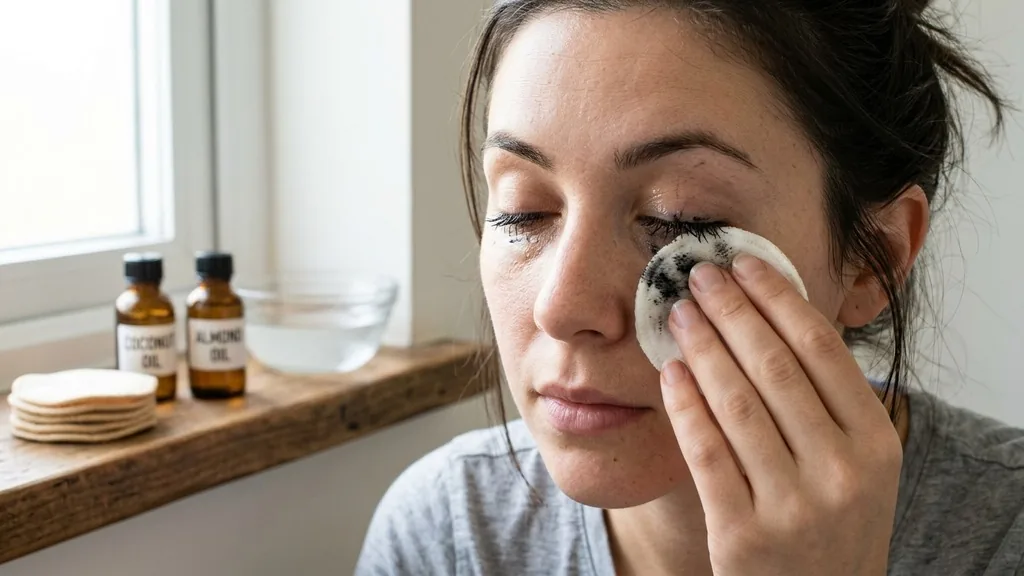
Finding yourself without your usual cleansing balm or wipes at the end of a long day can feel like a genuine crisis, especially when you are staring down the barrel of stubborn, smudge-proof eye makeup. Learning how to remove mascara without makeup remover is a vital skill for any makeup enthusiast, traveler, or someone who simply ran out of products unexpectedly.
The skin around your eyes is the most delicate on your entire face, meaning that harsh, improper scrubbing can lead to irritation, breakage of your natural lashes, or even premature fine lines. Fortunately, you likely have several household staples that can dissolve pigments and waxes effectively and safely.
The Science of Dissolving Mascara Pigments
To understand how to remove mascara without makeup remover, you first need to understand what you are actually trying to break down. Most modern mascaras rely on a base of waxes, polymers, and pigments designed specifically to adhere to your lashes and resist water, sweat, and humidity.
Because these formulas are often hydrophobic—meaning they repel water—a simple splash of water or a quick wipe with a dry cloth will almost always fail to remove them. You need a solvent that can interact with the oil-based or wax-based components of the formula to lift them away from the hair shaft.
Why Oil is the Most Effective Solvent
The core principle of effective eye makeup removal is the chemical concept that “like dissolves like.” Since most long-wear and waterproof mascaras contain hydrophobic waxes, oils are the most efficient agents to break those bonds. When you apply a gentle oil to your lashes, it softens the hardened wax, allowing it to slide off the hair without requiring intense friction.
This process is far superior to using soap and water, which can strip the natural lipids from your skin and leave your eyes feeling tight, dry, or itchy. By choosing the right lipid source, you can safely dissolve even the most stubborn products without damaging your delicate ocular area.
Safe Household Oils for Eyelash Care
You probably have a variety of oils in your kitchen or bathroom cabinet that work exceptionally well for this task. The key is to select oils that are non-comedogenic enough to not cause breakouts if they migrate to your cheeks, yet rich enough to handle thick, waxy makeup.
Coconut oil is a popular choice due to its solid-to-liquid melting point and its ability to break down heavy ingredients quickly. However, it can be heavy for some skin types, so it is important to follow up with a gentle cleanse to ensure no residue remains.
- Coconut oil: Excellent for breaking down waterproof formulas; melts quickly with body heat.
- Extra virgin olive oil: A pantry staple that is highly moisturizing and effective at loosening hardened pigments.
- Jojoba oil: Closely mimics the natural sebum of human skin, making it highly tolerable for sensitive eyes.
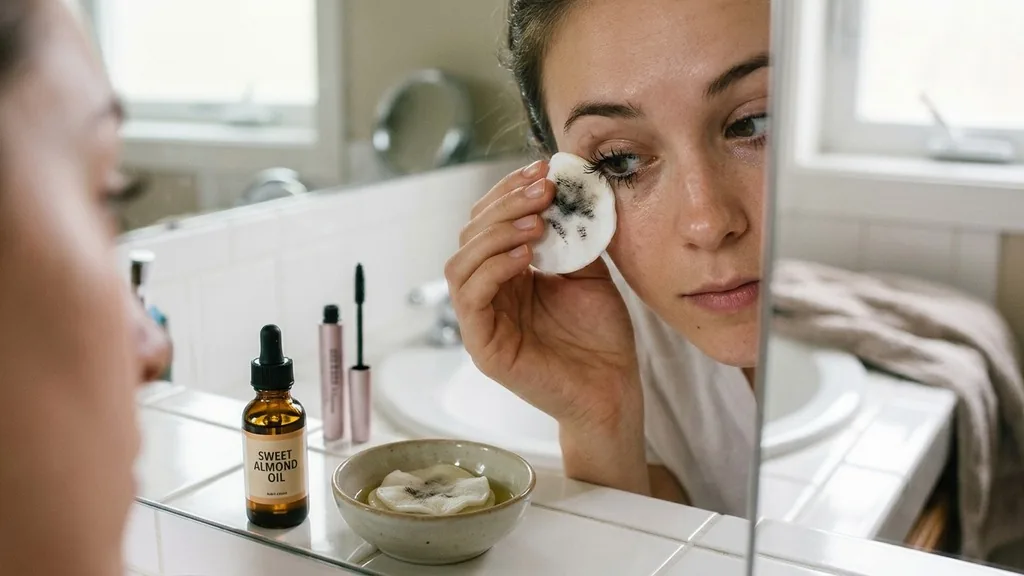
- Sweet almond oil: Rich in Vitamin E, this oil is lightweight and soothing for the thin skin around the orbital bone.
Step-by-Step Guide to Oil Cleansing
When using an oil to clear your lashes, the technique is just as important as the substance itself. You want to avoid any aggressive pulling or tugging, as this is the primary cause of lash loss and skin sagging. Start by washing your hands thoroughly to ensure you aren’t introducing bacteria to your eyes.
Take a small amount of your chosen oil—about the size of a pea—and warm it between your clean fingertips. Gently press your fingers against your closed eyelids and let the warmth transfer to the mascara for about thirty seconds. This “soaking” period is critical because it allows the oil to penetrate the layers of wax.
Once the product has softened, use a gentle downward motion to guide the mascara off the lashes. You will notice the pigment transferring to your fingertips or the cotton pad you are using. Do not rush this process.
If some residue remains, re-apply a tiny bit more oil and repeat the gentle massage. Once the mascara is fully dissolved, you must remove the excess oil.
Use a damp, warm washcloth to wipe away the oil and the suspended makeup. This dual-action approach ensures your skin stays clean while preventing the oil from clogging your pores or causing morning-after puffiness.
Addressing Topical Gaps: Can You Use Water Alone?
A common question is whether you can simply use water to remove mascara. The short answer is that while water can remove some water-based or tubing mascaras, it is generally ineffective for long-wear or waterproof formulas. If you find yourself in a situation where you have absolutely no oils or cleansers, you might be tempted to just scrub with water.
Avoid this urge. Friction is the enemy of your eyelashes. If you have no other options, you are better off leaving the mascara on overnight—though not ideal—rather than damaging your lashes through forced mechanical removal.
If you absolutely must use water, the only way to make it effective is to use a very warm, damp washcloth. The heat helps soften the waxes slightly more than cold water would. Hold the warm cloth against your eyes for a full minute, allowing the steam to do the heavy lifting.
This won’t remove 100% of the pigment if you are wearing heavy, waterproof products, but it will loosen enough to prevent the “crunchy” feeling of old mascara the next morning. If you are interested in the clinical perspective on eyelid hygiene, you can learn more about maintaining healthy eyes from the American Academy of Ophthalmology to ensure your cleansing habits support long-term ocular health.
Comparing Removal Methods
Choosing the right method often comes down to what you have available and the specific type of mascara you are wearing. Some products are designed to be removed with warm water specifically, while others require a heavy-duty oil solvent. The table below outlines how different approaches compare in terms of efficacy and skin impact.
| Method | Best For | Ease of Use | Skin Impact |
|---|---|---|---|
| Oil Cleansing | Waterproof/Long-wear | High | Gentle/Hydrating |
| Warm Water/Steam | Tubing Mascara | Very High | Neutral |
| Micellar Water | Daily Wear | Very High | Minimal |
| Soap & Water | Not Recommended | Low | High (Drying) |
Managing Sensitive Skin and Allergic Reactions
If you have sensitive skin, the prospect of using kitchen ingredients to remove makeup can be daunting. The primary risk when using oils is not necessarily the oil itself, but whether it is pure.
Always check labels to ensure your olive or coconut oil is not blended with synthetic fragrances or additives, which can cause significant contact dermatitis on the eyelids. If you have a history of reactions, stick to jojoba or sweet almond oil, as these are generally considered lower on the comedogenic scale and less likely to cause irritation.
Furthermore, avoid getting the oil directly into your eyes. While food-grade oils are generally safe, they can create a “film” over your vision that is annoying and may lead to temporary blurring. This is why the application technique of closing your eyes tightly and using a damp cloth for the final wipe is so important.
If you feel any burning or itching, stop immediately and rinse with cool, clean water. Your eyes are incredibly sensitive, and no amount of makeup removal is worth risking an infection or an allergic flare-up.
The Role of Cotton and Cloth Materials
The material you use to assist in the removal process matters significantly. Using a rough paper towel or a dry, abrasive washcloth can cause micro-tears in the skin and snap your eyelashes. Instead, opt for soft, reusable bamboo rounds or high-quality cotton pads.
If you are using a washcloth, ensure it is made of soft microfiber or cotton flannel. The texture of the cloth should be soft enough that you can press it against your skin without feeling any scratchiness. In a pinch, a clean, soft cotton t-shirt can work just as well as a professional cloth.
When wiping, always move from the inner corner of the eye toward the outer corner. This follows the natural growth pattern of your lashes and helps prevent the product from getting pushed into the tear ducts. If you are using a reusable pad, make sure it is freshly laundered.
Using a dirty pad can introduce bacteria to the eye area, potentially leading to styes or conjunctivitis. Always treat your eye area with the same gentleness you would use for a baby’s skin.
Post-Removal Eyelash and Skin Care
Once the mascara is gone, your job isn’t finished. Removing makeup is a form of exfoliation, even if you are being gentle.
Your skin will appreciate a quick splash of lukewarm water to remove any lingering oily residue, followed by a light application of your standard facial moisturizer. Do not skip the moisturizer just because you used an oil; the oil is a cleanser, not a treatment, and your skin needs hydration to repair its barrier overnight.
For your lashes, consider applying a tiny amount of castor oil or a dedicated lash conditioner after you have finished the cleaning process. Because you have just dissolved the waxes that keep lashes rigid, they may feel a bit dry or brittle.
A nourishing oil can help coat the lash hair, keeping it flexible and preventing breakage. By building this small, simple routine into your evening, you ensure that even when you are without your standard makeup remover, your eyes remain healthy, bright, and free of irritation.
Frequently Asked Questions
Is it safe to leave mascara on overnight if I have no remover?
It is generally discouraged. Leaving mascara on overnight can lead to stiff lashes that break easily when you toss and turn.
It also increases the risk of eye irritation or clogged follicles. If you cannot remove it, try to at least soften the lashes with a warm, damp cloth.
Can I use Vaseline to take off stubborn waterproof mascara?
Yes, petroleum jelly is an effective occlusive that can break down the waxes in waterproof mascara. Apply a very thin layer to your lashes, let it sit for a minute, and wipe away gently. Be careful not to get it inside your eyes, as it can cause temporary blurry vision.
What is the most common mistake people make when removing mascara?
The most common mistake is aggressive rubbing or pulling. Many people try to “scrub” the mascara off, which puts immense tension on the delicate hair follicles of your eyelashes. This often leads to premature lash loss and can stretch the sensitive skin on your eyelids, contributing to wrinkles.
Why does my vision get blurry after using oil to remove makeup?
Blurry vision occurs when a small amount of oil migrates into the tear film of your eye. It is usually harmless and temporary. To prevent this, use only a small amount of oil, keep your eyes firmly closed during the process, and wipe away all excess oil with a damp cloth before opening your eyes.


