

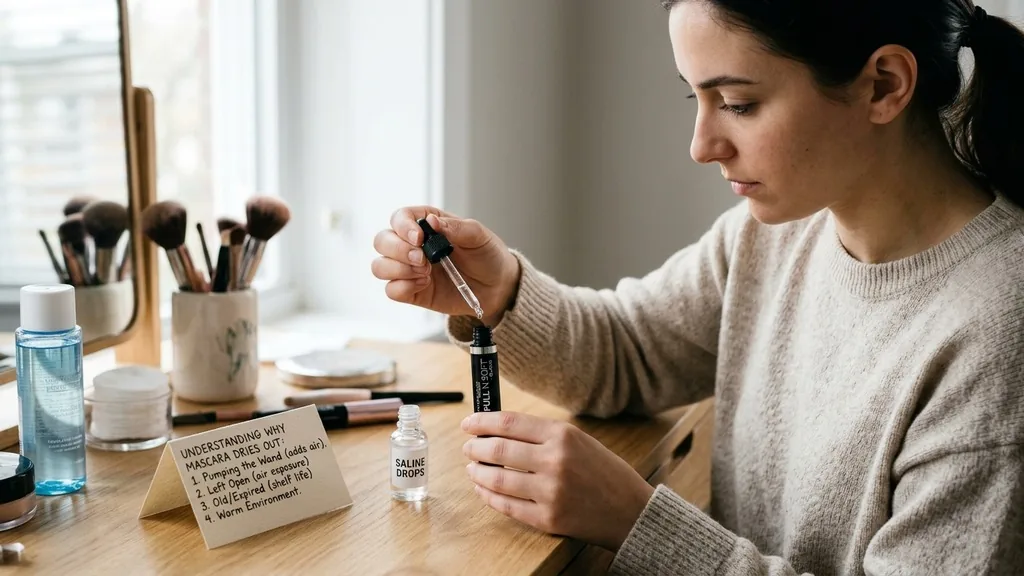
Dealing with a clumpy, flaky, or stiff wand is a frustration every makeup enthusiast knows well. When you reach for your favorite beauty tool only to find the contents have thickened into a paste, it feels like a waste of a good product.
Learning how to make mascara less dry is a essential skill that can save you money and keep your beauty routine running smoothly. Often, the issue isn’t that the product has expired; it is simply that the volatile solvents in the formula have evaporated due to air exposure or improper storage.
Understanding Why Mascara Dries Out
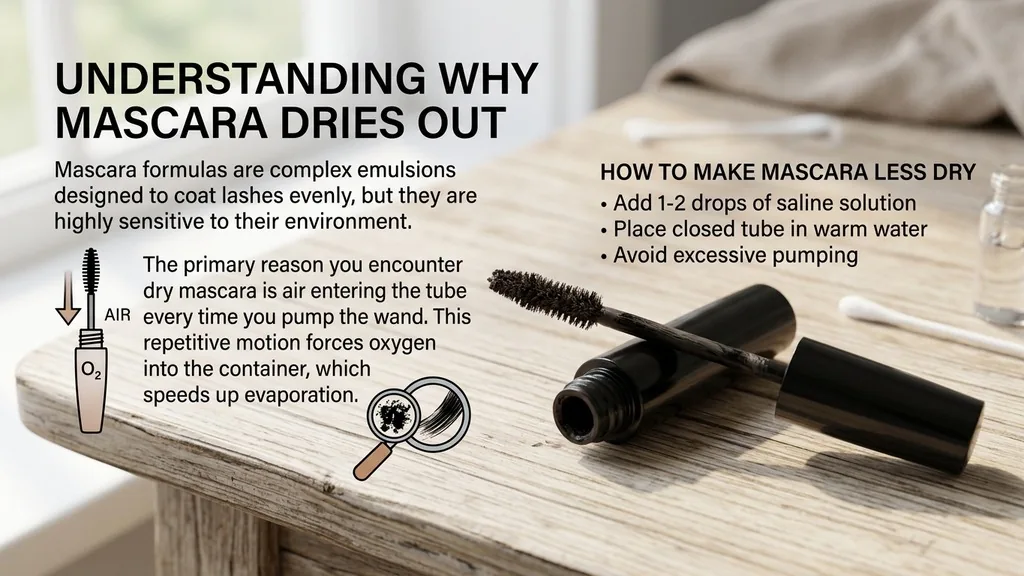
Mascara formulas are complex emulsions designed to coat lashes evenly, but they are highly sensitive to their environment. The primary reason you encounter dry mascara is the introduction of air into the tube every time you pump the wand.
This repetitive motion forces oxygen into the container, which speeds up the evaporation of the liquid components that keep the texture smooth. Once these components evaporate, the remaining pigments and waxes become thick, leading to that dreaded clumpy application.
Temperature fluctuations also play a significant role in the degradation of your makeup. Storing your cosmetics in a bathroom where humidity and heat levels fluctuate frequently can destabilize the formula. Over time, the chemical bonds that keep the wax and oils suspended in the liquid start to break down.
This is why a tube that performed perfectly a month ago might suddenly feel like it is running on fumes. Recognizing these environmental factors is the first step in maintaining the longevity of your products and knowing when a simple fix will work versus when it is time to discard the item.
The Hot Water Bath Technique
The most effective and safest way to revive a stiffened formula is the hot water bath method. This technique relies on gentle heat to soften the waxes and oils inside the tube without compromising the integrity of the preservatives. To start, fill a mug or a small bowl with hot—not boiling—water.
Place the closed tube into the water, ensuring the cap is tightly sealed so no liquid enters the container. Let it sit for about three to five minutes.
The heat helps the formula regain its original, fluid consistency by melting the solidified waxes. After the time is up, remove the tube, dry it off, and give it a gentle shake. You will notice that the wand glides out much more smoothly.
This process is particularly useful for high-end mascaras that still have plenty of product left but have become slightly tacky. It is a non-invasive way to extend the lifespan of your makeup without adding any foreign substances that might irritate your eyes.
Using Contact Lens Solution for Moisture
If a hot water bath does not provide enough restoration, you can introduce a small amount of liquid to thin the formula. Using contact lens solution is a popular hack because it is sterile and specifically formulated to be safe for use near the eyes.
Because it is a saline-based solution, it integrates well with most water-based formulas. However, you must be careful with the quantity to avoid turning your mascara into a runny, unusable mess.
To execute this properly, add only two to three drops of contact solution directly into the tube. Do not add more than this initially, as you cannot remove excess liquid once it is inside. After adding the drops, insert the wand and swirl it around gently, moving it in a circular motion against the sides of the tube to mix the solution into the hardened product.
Avoid pumping the wand up and down, as this only introduces more air and will lead to the same problem you are trying to fix. If the consistency is still too thick, you can add one more drop, but proceed with extreme caution.
The Role of Natural Oils
For those who prefer a more nourishing approach, adding a tiny amount of natural oil can help break down the stubborn, dried-up clumps. Oils such as jojoba, sweet almond, or even a high-quality castor oil can act as a lubricant that softens the dried formula. These oils are generally safe for the eye area, but you should only use a very small amount—no more than a single drop—to avoid making the product greasy or causing it to smudge throughout the day.
When you use oil to make mascara less dry, you are essentially re-introducing a lipid component that may have evaporated or separated. This can be particularly helpful for waterproof formulas that have become difficult to work with. Take a clean dropper or a sterile toothpick to place the oil inside the tube.
Mix thoroughly with the wand. While this method can be very effective for reviving a product, be aware that it might slightly alter the wear time or the smudge-proof nature of your specific mascara. Always test the result on your hand before applying it to your lashes to ensure the consistency is to your liking.
Proper Wand Maintenance
Sometimes the issue is not the formula inside the tube but the buildup of dried product on the wand itself. Over time, layers of old makeup accumulate on the bristles, causing them to clump together.
When this happens, the wand can no longer distribute the product evenly, which makes it feel like the mascara is dry even when it is perfectly fine. Regular cleaning of the brush is essential to keep your application looking fresh and clump-free.
To clean your wand, use a gentle makeup remover or a mild soap and warm water. Wipe the bristles thoroughly with a clean tissue or a disposable spoolie to remove all the caked-on debris. You can also sanitize the wand by dipping it in a bit of rubbing alcohol and letting it air dry completely before returning it to the tube.
Keeping the wand clean ensures that you aren’t constantly dragging old, crusty residue back into the fresh product. You can find detailed advice on maintaining cosmetic hygiene at the U.S. Food and Drug Administration website, which offers guidelines on safe makeup usage.
When to Replace Your Mascara
It is vital to distinguish between a product that is merely dry and one that has reached the end of its functional life. Even if you manage to fix the texture, you must consider the safety of the ingredients.
Most eye makeup products have a recommended shelf life of three months after opening. This is because the eye area is highly susceptible to bacterial growth, and the dark, moist environment inside a tube is an ideal breeding ground for microbes.
If your mascara has an off-putting odor, has changed color, or is causing irritation or redness, do not attempt to revive it. Regardless of how much product is left, these are signs of bacterial contamination. Adding water or other liquids to an expired product can actually make the situation worse by creating an environment where bacteria can thrive even more rapidly.
Prioritize your eye health over the cost of the product. When in doubt, it is always safer to replace it with a new tube rather than risking an eye infection.
Comparing Methods for Reviving Makeup
Different techniques for fixing dried-out products have varying levels of effectiveness and safety. Choosing the right one depends on how dry the mascara has become and what ingredients you have on hand. The following table outlines the common methods used to address this issue and their primary characteristics.
| Method | Best For | Safety Level | Effectiveness |
|---|---|---|---|
| Hot Water Bath | Slightly tacky formulas | High | Moderate |
| Contact Solution | Significantly dried formulas | High (if sterile) | High |
| Natural Oils | Waterproof/Hardened formulas | Moderate | High |
Each of these methods serves a specific purpose. The hot water bath is the least invasive, while adding a liquid or oil provides a more significant change to the consistency.
Always start with the least invasive method and move toward the others only if necessary. Remember that these are temporary fixes intended to help you finish a product, not permanent solutions for long-term use.
Preventative Strategies to Extend Lifespan
The best way to deal with dry mascara is to prevent it from happening in the first place. Small changes in how you handle your makeup will significantly extend the life of your favorite products. Start by changing how you remove the wand from the tube.
Instead of pumping it, which forces air inside, use a gentle swirling motion to coat the bristles. This simple change reduces the amount of oxygen that enters the tube, which is the primary driver of premature drying.
Proper storage is another critical factor. Keep your makeup in a cool, dry place away from direct sunlight. Avoid storing your cosmetics in the bathroom, as the humidity from your shower can affect the formula.
If you want to keep your products in the best possible condition, consider a dedicated makeup organizer in a bedroom or a cool vanity space. Additionally, always make sure the cap is screwed on tightly after every use. Even a slightly loose cap can allow enough air to enter to ruin the formula over a few weeks.
Addressing Topical Gaps: Common Misconceptions
Many people search for solutions to fix their makeup without realizing the potential risks involved. One common misconception is that adding tap water to the tube is an acceptable way to thin it out. You should never add tap water to your mascara.
Unlike sterile contact solution, tap water contains minerals and potential bacteria that can lead to serious eye infections. The eye is a delicate organ, and introducing non-sterile substances into a product designed for that area is a significant safety hazard.
Another common question is whether you can use eye drops to fix the dryness. While some eye drops are saline-based and similar to contact solution, many contain active ingredients like redness relievers or antihistamines that are not intended to be mixed with makeup.
These ingredients can cause stinging or irritation when applied to the lash line. Stick to products that are explicitly designed to be safe for the eyes, such as multi-purpose contact lens solution, and avoid “medicated” drops of any kind.
Finally, there is a belief that storing your mascara in the refrigerator will make it last longer. While a cool environment is good, the extreme cold of a refrigerator can actually cause the waxes and oils in the formula to separate or become brittle, which may ruin the texture entirely. Room temperature is ideal.
If you live in a very hot climate, a cool, dark drawer is sufficient. There is no need to subject your cosmetics to temperature extremes to keep them fresh.
Frequently Asked Questions
- Can I use water to fix my dry mascara? No, you should never use tap water. It is not sterile and can introduce harmful bacteria into the tube, leading to eye infections. Always use a sterile, eye-safe alternative like contact lens solution if you must add liquid.
- How often should I replace my mascara? You should replace your mascara every three months. Even if it is not dry, the formula can harbor bacteria over time. If you notice a change in smell, texture, or if it causes irritation, discard it immediately regardless of how long you have had it.
- Does pumping the wand actually make it dry out faster? Yes, pumping the wand pushes air into the tube. This oxygen exposure causes the volatile ingredients in the formula to evaporate much quicker than they would naturally. Always use a swirling motion to gather the product on the brush instead.
- What is the safest way to revive a clumped wand? The safest method is the hot water bath. By placing the closed tube in a cup of hot water, you gently melt the waxes inside without adding any foreign substances. This is the least likely method to cause irritation or bacterial growth.
Maintaining your makeup routine doesn’t have to be a constant struggle against drying formulas. By understanding the science behind your products and using safe, effective methods to restore them, you can ensure that your lashes look their best every single day. Remember that your eyes are precious; always prioritize hygiene and safety above all else.
When a product has truly reached the end of its life, let it go and treat yourself to a fresh, new tube. Consistent care, proper storage, and smart application habits are the keys to avoiding the frustration of dried-out makeup for good.


