

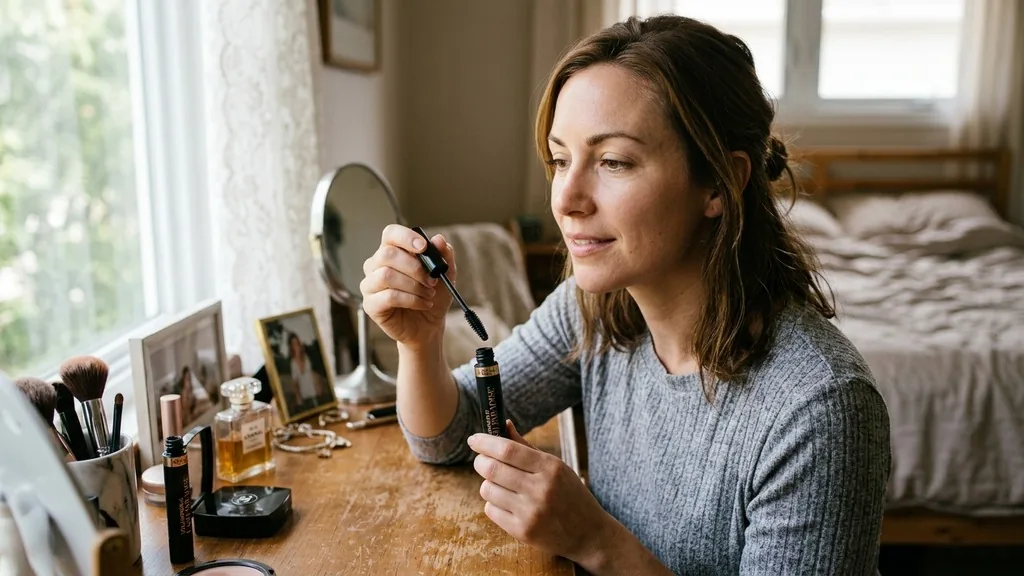
Maintaining a pristine makeup routine is about more than just aesthetics; it is a critical component of your ocular health. Many beauty enthusiasts often overlook the expiration dates on their cosmetic products, particularly eye makeup, which serves as a breeding ground for microorganisms.
Knowing exactly when to replace mascara is the most effective way to prevent irritation, styes, and more severe eye infections. While the product might still appear to have plenty of liquid left, the physical integrity of the formula and the hygiene of the applicator change drastically the moment you first open the tube.
The Three-Month Rule: Why Timing Matters
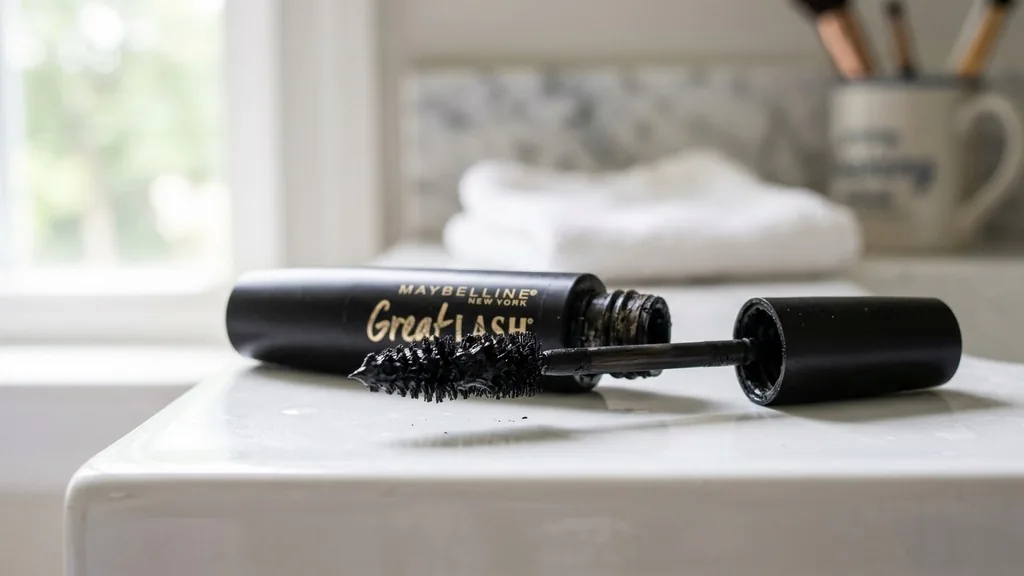
The industry standard for replacing mascara is strictly set at three months. This timeframe is not a marketing ploy designed to make you buy more products; it is a scientifically backed recommendation based on how cosmetics interact with the environment. Every time you pull the wand out of the tube and push it back in, you are pumping air into the container.
This process, known as oxidation, causes the formula to dry out, clump, and lose its intended texture. More importantly, this repeated action introduces oxygen and potential contaminants into a dark, moist environment—the perfect incubator for bacteria.
Once you have opened a new tube of mascara, the clock begins ticking. Even if you only use the product once a week, the degradation process remains active. The preservatives that keep the product stable during storage begin to break down once exposed to the air.
Using a product beyond this three-month window significantly increases the risk of transferring harmful pathogens directly onto your eyelashes and into your tear ducts. Because the eye is one of the most sensitive parts of the body, even a minor bacterial introduction can lead to discomfort, redness, or persistent itching. Prioritizing a fresh tube every quarter is a simple but essential habit for anyone who wears eye makeup regularly.
Recognizing the Signs of Expired Makeup
Beyond the calendar, your senses are your best tools for identifying when a product has reached the end of its life. If your mascara starts to smell slightly off, sour, or metallic, it is a definitive sign that the chemical composition has changed.
A healthy, new mascara usually has a very faint, neutral scent or no scent at all. Any deviation from this, or the development of an acrid odor, indicates that the preservatives have failed and microbial growth may be occurring.
Texture changes are another major red flag. If you notice that your mascara has become thick, goopy, or stringy, it is time to discard it. While some people attempt to revive dried-out mascara by adding water or contact lens solution, this is a dangerous practice.
Adding liquids to a closed system disrupts the balance of preservatives, effectively inviting bacteria to flourish. Furthermore, if you notice that the product is flaking off your lashes throughout the day more than it used to, or if the wand is pulling out clumps of dry product, the structural integrity of the formula has been compromised. Never attempt to “stretch” the life of a product by diluting it; the cost of a new tube is far lower than the cost of treating an ocular infection.
The Link Between Hygiene and Eye Health
The anatomy of the eye makes it particularly susceptible to infections. Unlike the skin on your hands or face, which has a protective barrier, the eyes are constantly lubricated by tears and are in direct contact with the delicate mucous membranes of the conjunctiva.
When you apply makeup, you are working in an area that is highly vascularized and sensitive. If your mascara wand is contaminated with staphylococcus or other common bacteria found on the skin, you are essentially painting those pathogens directly onto your lash line.
According to the American Academy of Ophthalmology, practicing good hygiene with your eye cosmetics is crucial for preventing conditions like blepharitis, which is the inflammation of the eyelids. This condition can cause crusting, burning, and a sensation of having something in your eye. In severe cases, constant exposure to contaminated makeup can lead to corneal ulcers or conjunctivitis.
By adhering to the three-month replacement cycle, you minimize the “bio-load” that your eyes have to defend against. Remember that your eyes do not have a built-in “reset” button; they rely on you to provide a clean environment for your beauty routine.
Navigating Topical Gaps: Common Myths and Realities
There is a significant amount of misinformation regarding the shelf life of beauty products. One common myth is that if a product is “natural” or “organic,” it should be replaced more frequently. While natural preservatives are generally less potent than synthetic ones, the three-month rule applies universally to all mascaras.
Another pervasive myth is that you can keep mascara for up to a year if you store it in a cool, dark place. This is factually incorrect. The physical act of using the wand is what introduces the contamination; storage conditions, while important for longevity, cannot mitigate the damage caused by daily use.
Another area of confusion involves “mini” or travel-sized mascaras. Many users assume that because these tubes are smaller, they might expire faster. In reality, the same rules apply.
Even a small tube will harbor bacteria just as efficiently as a full-sized one. In some cases, because the wand is shorter and closer to the base of the tube, you might be more tempted to “pump” the wand to get more product, which actually accelerates the expiration process.
Regardless of the size of the container, the three-month limit remains the gold standard for safety. If you find you are throwing away half-full tubes, consider switching to travel sizes to reduce waste while maintaining strict safety standards.
Best Practices for Makeup Application and Storage
To maximize the safety of your mascara during its lifespan, you must adopt better application habits. Never share your mascara with anyone else.
Sharing makeup is the fastest way to transmit eye infections between individuals. If you are getting your makeup done by a professional, insist that they use disposable, single-use wands rather than the one that came inside the tube.
Storage matters just as much as application. Avoid keeping your makeup in the bathroom, where humidity levels fluctuate wildly. The moisture from your shower creates a damp environment that encourages the growth of mold and bacteria.
Instead, store your cosmetics in a cool, dry place like a bedroom vanity or a dedicated makeup organizer. Keep the lid of your mascara tightly closed when not in use to prevent the formula from drying out prematurely.
| Factor | Safe Practice | Dangerous Practice |
|---|---|---|
| Application | Use clean, individual wands | Sharing with friends/family |
| Maintenance | Discard after 3 months | Adding water to thin it out |
| Storage | Cool, dry, dark environment | Humid bathroom cabinet |
| Usage | One gentle pull | Pumping the wand repeatedly |
Managing Your Makeup Inventory
Staying organized is the key to ensuring you never use an expired product. Because it is easy to lose track of when you opened a specific tube, you should develop a system to keep yourself accountable.
One effective method is to use a permanent marker to write the date of opening on the bottom of the tube or on a piece of clear tape applied to the side. Alternatively, you can keep a simple note on your phone or a calendar alert set for three months after your purchase date.
- Mark the opening date on the tube with a fine-tip permanent marker.
- Set a recurring calendar reminder on your smartphone to check your makeup bag.
- Avoid buying multiple mascaras at once unless you plan to use them in rotation; keep backups sealed.
- Clean your makeup bag periodically to remove debris and potential contaminants.
- If you experience any redness or irritation, stop using the product immediately, regardless of how long you have owned it.
By treating your mascara as a perishable item, you protect your vision and ensure that your beauty routine remains a source of confidence rather than a source of health issues. It is easy to view makeup as an inert object, but it is a complex chemical mixture that interacts with your body.
Respecting the time limits and the nature of the product is a hallmark of a knowledgeable and responsible beauty consumer. Always prioritize your health over the convenience of a few extra weeks of use; your eyes will thank you for it.
Frequently Asked Questions
Is it safe to use mascara for longer than three months if I only use it occasionally?
No, it is not safe. The three-month window begins the moment you first break the seal and expose the formula to air. Regardless of how often you use it, the preservatives degrade over time, and bacteria can still colonize the tube, putting your eyes at risk.
Why does pumping the mascara wand make it expire faster?
Pumping the wand introduces excess air into the tube, which accelerates the oxidation of the formula. This causes the product to dry out and clump. Furthermore, the air forced into the tube can carry airborne contaminants, significantly increasing the risk of bacterial growth within the mascara.
How can I tell if my mascara has gone bad if it still looks fine?
Even if the appearance seems normal, check for subtle changes. If the scent has changed to something sour or metallic, or if the product has become noticeably thicker and harder to apply, it has expired. When in doubt, it is always safer to discard the item and buy a replacement.
Should I replace all my eye makeup at the same time as my mascara?
While mascara has the shortest shelf life due to its liquid nature and frequent contact with the eye, other products like eyeliner and eyeshadow should also be monitored. Generally, liquid eyeliners should be replaced every three to six months, while powder eyeshadows can last longer if kept clean.


