

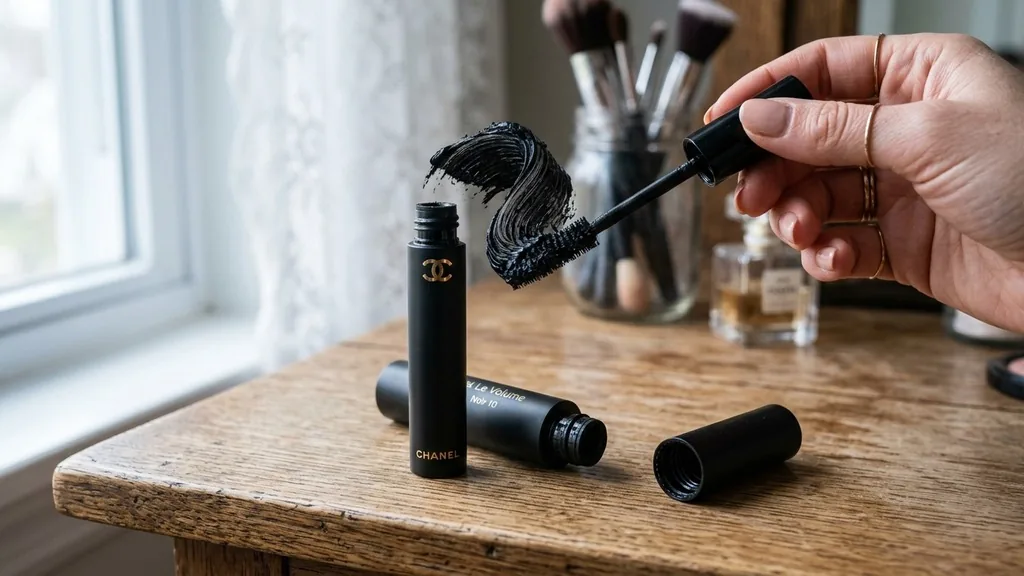
Maintaining a pristine beauty routine requires more than just high-quality products; it demands a vigilant eye on the health and longevity of your cosmetics. A common question that arises in the vanity mirror is how long is mascara good for once opened, and the answer is rooted firmly in both hygiene and chemistry. Unlike powder-based products that can last for years, mascara is a liquid-based medium that creates a hospitable environment for microorganisms.
When you first break the seal of a new tube, you introduce air and skin-borne bacteria, effectively starting a countdown clock that typically ends within three months. Ignoring this timeline doesn’t just result in clumpy, dry application; it invites potential irritation and infections that can compromise the delicate health of your eyes.
The Science Behind Mascara Shelf Life
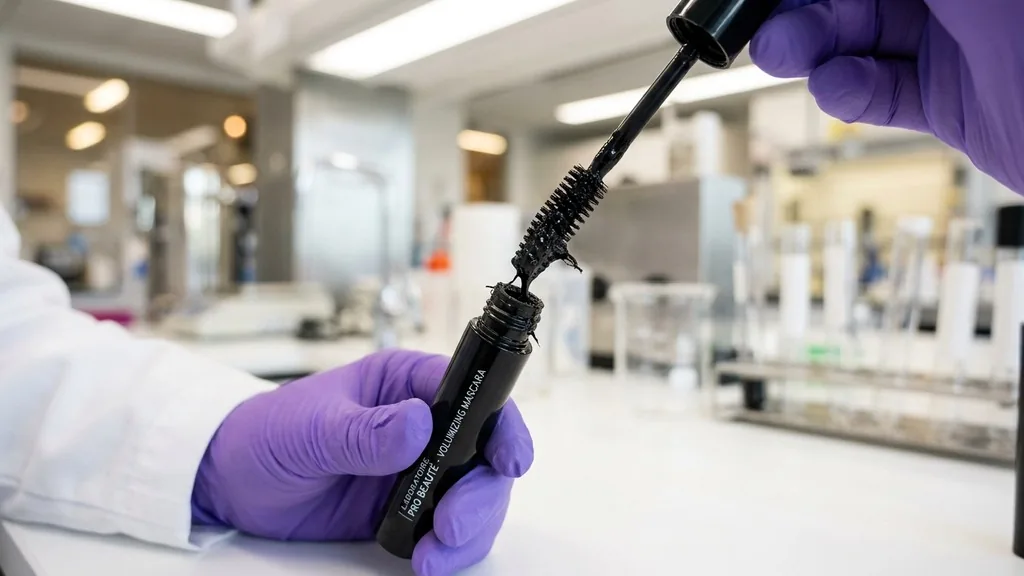
The primary reason mascara has such a short lifespan compared to other makeup products is its unique formulation. Mascara is essentially a mixture of pigments, oils, waxes, and water, which serves as a fertile breeding ground for bacteria.
Every time you pull the wand out of the tube and pump it back in, you are physically pushing air—and with it, dust and airborne pathogens—deep into the formula. Because the environment inside the tube is dark, moist, and nutrient-rich, microorganisms like Staphylococcus aureus or Pseudomonas aeruginosa can thrive if the preservatives in the product lose their efficacy.
Most manufacturers design their formulas with a specific preservative system meant to combat these invaders, but these systems are not invincible. Once the product is exposed to the atmosphere, the preservatives begin to degrade. Chemical reactions between the ingredients and the environment slowly break down the stabilizers that keep the mascara smooth and safe.
While you might not see the bacteria growing with the naked eye, the chemical composition of the mascara will inevitably shift. The waxes may begin to separate, the oils can oxidize, and the consistency will change, signaling that the structural integrity of the product is failing. Understanding that your mascara is a biological ticking clock is the first step in protecting your ocular health.
Signs Your Mascara Has Expired
You do not always need to keep a calendar to know when your product has reached its end. There are several physical indicators that your mascara has gone bad, and you should learn to identify them immediately. The most obvious sign is a change in the texture of the formula.
If you notice that your mascara has become thick, clumpy, or “stringy” when you pull the wand out, it is a clear indication that the solvents have evaporated. This creates a dry, flaky consistency that will not only look uneven on your lashes but will also be more prone to flaking off into your eyes throughout the day, causing significant discomfort.
Another tell-tale sign is a change in odor. Fresh mascara typically has a mild, chemical, or slightly waxy scent. If your tube starts to smell sharp, sour, or like old plastic, the formula has likely degraded significantly.
Do not attempt to “revive” your mascara by adding water, oil, or eye drops. While this might temporarily thin out the product, it also dilutes the preservatives, making it exponentially easier for bacteria to proliferate.
If the product no longer performs like it did on day one, or if you experience any stinging, itching, or redness upon application, it is time to discard the tube immediately. You can find more information on how to maintain ocular hygiene by visiting the American Academy of Ophthalmology regarding eye makeup safety.
Risks of Using Expired Eye Makeup
Using old mascara is not merely a cosmetic blunder; it is a genuine health risk. The eyes are one of the most sensitive parts of the body, and they lack the thick, protective skin barrier found elsewhere. When you apply expired product to your lashes, you are essentially painting your lash line with a potential colony of bacteria.
This can lead to a variety of conditions, ranging from mild irritation to serious infections. The most common issues include conjunctivitis (pink eye), styes, and blepharitis—an inflammation of the eyelid that can cause crusting, swelling, and chronic discomfort.
Beyond infections, there is the risk of mechanical damage. Dried-out mascara creates hard, brittle clumps that can cause friction against the cornea. If a piece of flaked, expired mascara gets trapped under your eyelid, it can cause a corneal abrasion, which is painful and requires professional medical attention.
Furthermore, if you are a contact lens wearer, the risks are magnified. Debris from old makeup can easily become trapped behind a contact lens, creating a localized reservoir for bacteria to sit directly against the surface of your eye for hours at a time. Prioritizing your health over the cost of a replacement tube is always the correct decision.
Comparing Shelf Life Across Beauty Products
It is helpful to understand how mascara compares to other beauty products to maintain a balanced approach to your makeup bag. While mascara has one of the shortest lifespans due to its moisture content, other products have varying expiration windows based on their formulation, presence of water, and how they are applied.
| Product Type | Average Lifespan After Opening | Key Risk Factor |
|---|---|---|
| Mascara | 3 Months | High moisture/Bacterial growth |
| Liquid Eyeliner | 3 to 4 Months | Direct contact with lash line |
| Liquid Foundation | 6 to 12 Months | Oxidation and pump contamination |
| Powder Blush/Eyeshadow | 18 to 24 Months | Oil transfer from brushes |
| Lipstick | 12 to 18 Months | Saliva and skin cell buildup |
As the table illustrates, the “wet” products are generally the ones that expire the fastest. Because mascara is applied directly to the lashes—which are in constant contact with the eye—it requires the strictest adherence to expiration dates.
Powder products, conversely, contain very little water, making it difficult for bacteria to survive, provided you keep your brushes clean. Always check the PAO (Period After Opening) symbol on the back of your product packaging, which is usually represented by a small jar icon with a number (e.g., “6M” for six months), to see what the manufacturer recommends for that specific formula.
Best Practices for Extending Mascara Longevity
While you should never exceed the three-month rule, there are habits you can adopt to ensure your mascara stays effective and safe for the duration of its intended life. The most important rule is to stop “pumping” the wand.
Many people pump the wand in and out of the tube to get more product on the brush, but this action forces air into the tube, which accelerates the oxidation process and dries out the formula prematurely. Instead, use a gentle swirling motion to coat the bristles with product.
Additionally, store your mascara in a cool, dry place. Many people keep their makeup in the bathroom, where the humidity and temperature fluctuations from showers can compromise the integrity of the formula. A dark, temperature-stable drawer in your bedroom is a much better environment.
It is also vital to keep your mascara personal; never share your eye makeup with friends. Sharing products is the fastest way to transmit bacteria, viruses, and fungi between users.
If you have recently had an eye infection, throw away all eye makeup you were using at the time, even if it is brand new. The bacteria can linger in the tube and trigger a recurring infection.
Addressing Common Myths and Misconceptions
There is a lot of misinformation circulating in the beauty community regarding how long products last. One common myth is that if you do not use the mascara every day, it will last longer. While infrequent use might slow down the drying process slightly, it does not stop the degradation of the preservatives.
Once the seal is broken and air has entered the tube, the clock starts regardless of how often you apply it. Another frequent question is whether unopened mascara expires.
While a sealed tube can last much longer than an opened one, it is not immortal. Most manufacturers suggest that sealed mascara remains stable for about two to three years, but if the packaging looks damaged or if the product has been stored in extreme heat, it is safer to avoid using it.
People often ask if they can “clean” their mascara by boiling the brush or adding alcohol. These methods are ineffective and potentially dangerous. The tube itself is the primary source of contamination, and you cannot sanitize the internal reservoir of the product.
Attempting to modify the formula with household ingredients will likely irritate your eyes and destroy the performance of the cosmetic. Stick to the manufacturer’s guidelines and prioritize your long-term eye health over the temptation to save a few dollars by extending the life of an expired product.
Frequently Asked Questions
- How can I tell if my mascara has gone bad? Look for a change in texture—if it is clumpy, stringy, or dry, it is time to toss it. A sour or sharp chemical smell is also a major red flag. If you notice any irritation, redness, or stinging when applying it, discard the tube immediately.
- Does mascara expire if it remains unopened? Yes, even unopened products have a shelf life. While they last significantly longer than opened tubes, the chemical ingredients can still break down over several years. Always check the expiration date printed on the packaging or look for a production code to verify the age.
- Can I use a 4-year-old mascara if it has never been opened? It is strongly advised against. Even if a product is unopened, four years is well beyond the typical shelf life of most cosmetic formulas. The preservatives will have likely degraded, and the chemical stability of the pigments and waxes will be compromised, increasing the risk of irritation.
- When exactly should I throw out my mascara? The industry standard is to replace your mascara every three months. Even if the product still seems to work fine, three months is the safe threshold before the risk of bacterial contamination becomes too high. Mark the date on your tube with a permanent marker when you first open it.


