

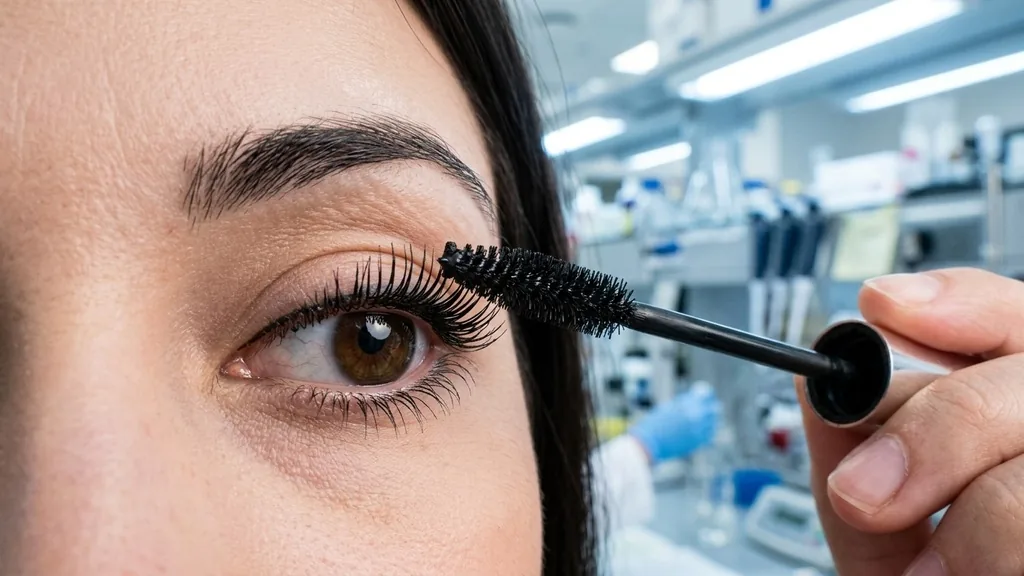
Tubing mascara is a revolutionary eye makeup product that utilizes advanced polymers to wrap each individual lash in water-resistant, tube-like structures rather than painting them with pigment-heavy wax or oil-based formulas. Unlike traditional mascaras that rely on thickening waxes to coat the hair, this innovative technology creates tiny, flexible cylinders around the lash fibers. Because these structures are physically bonded to the lash, they do not smudge, flake, or run when exposed to natural oils, sweat, or even tears, making them a preferred choice for individuals with oily lids or those who wear contact lenses.
The Science Behind Tubing Mascara Polymers
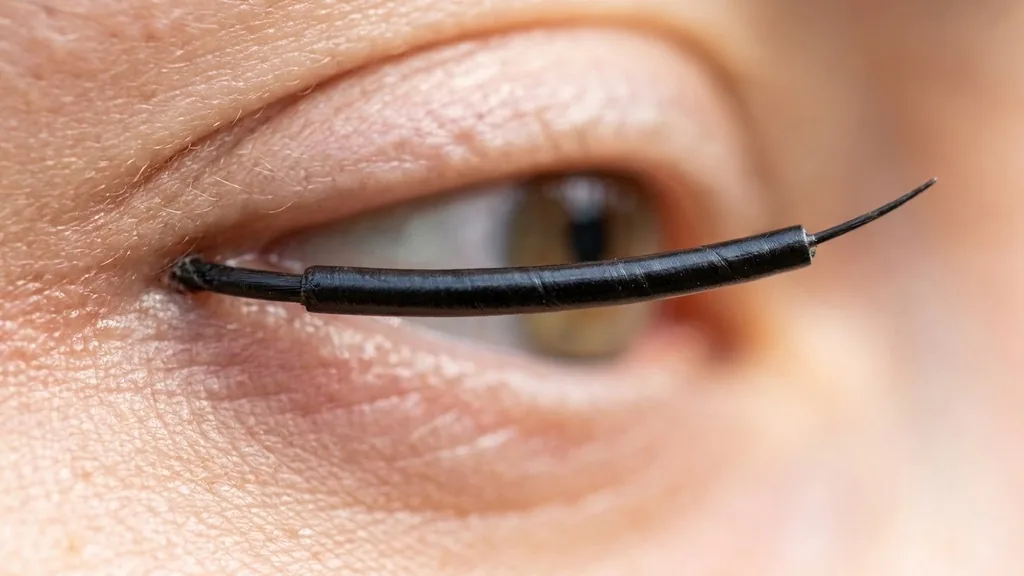
The defining characteristic of tubing mascara lies in its unique chemical composition. While standard formulations are essentially colored waxes suspended in solvents, tubing mascaras are built on a base of specialized polymers, most commonly acrylic copolymers.
When these polymers are applied to your lashes, they undergo a curing process where they shrink and tighten around the lash shaft. This creates a cohesive “sleeve” that is incredibly durable once dry.
Because the formula creates these distinct physical tubes, the product doesn’t just sit on the surface of the lash; it effectively extends and defines it. The polymer structure is designed to be highly resistant to sebum, which is the primary reason traditional mascara often ends up as dark smudges under the eyes by midday.
Since the oil from your skin cannot break down these synthetic polymers, the look remains crisp and clean from morning until night. Furthermore, because the formula is not absorbed into the lash or skin, it is generally easier to manage for those with sensitive eyes, as the pigment remains trapped within the polymer sleeve rather than migrating into the tear ducts.
How Tubing Mascara Differs from Traditional Formulas
The primary difference between tubing and traditional mascara is the mechanism of attachment and removal. Traditional products coat the lashes in a thick, waxy film.
This film is designed to be built up in layers, providing volume through sheer physical mass. However, this weight can sometimes cause lashes to droop, and the wax is highly susceptible to melting when it encounters the warmth and natural oils produced by the skin around the eyes.
In contrast, tubing mascaras provide a lightweight, uniform layer. They are often described as “lengthening” mascaras because the polymers can extend slightly beyond the tip of the natural lash, creating a cleaner, more defined appearance. The most striking difference, however, is the removal process.
Because traditional mascara is oil-based, it requires an oil-based makeup remover to break down the wax. Tubing mascara, conversely, is designed to be removed using only warm water and gentle pressure. This is a significant departure from standard beauty routines and is often the main reason consumers initially find the product confusing.
| Feature | Traditional Mascara | Tubing Mascara |
|---|---|---|
| Primary Base | Waxes, Oils, Pigments | Acrylic Polymers |
| Removal Method | Oil-based cleanser | Warm water and light pressure |
| Smudge Resistance | Low to Moderate | High |
| Lash Effect | Volume and thickness | Length and definition |
Why Tubing Mascara Is Often Better for Sensitive Eyes
For many beauty enthusiasts, the search for the perfect eye product is dictated by comfort. If you have sensitive eyes or wear contact lenses, you are likely familiar with the irritation caused by mascara flakes falling into your eyes.
Traditional formulas, when they dry, become brittle. Throughout the day, the movement of your eyelids causes this dry wax to flake off, which can lead to redness, stinging, or blurred vision for contact lens wearers.
Because tubing mascara creates a flexible, cohesive polymer sleeve, it does not flake. The tubes remain intact until they are intentionally removed with water. This makes them an excellent choice for individuals who experience “raccoon eyes” or those who suffer from allergies that cause itchy, watery eyes.
By eliminating the risk of debris entering the eye area, these products offer a safer, more reliable experience. Additionally, because the removal process involves only warm water, you avoid the harsh rubbing and tugging associated with oil-based cleansers, which can prematurely age the delicate skin around the eyes and cause lash breakage.
The Correct Way to Remove Tubing Mascara
If you are new to this type of product, the removal process can feel counterintuitive. Many people mistakenly try to remove it with an oil-based makeup remover or micellar water, only to find that the product stays firmly attached to their lashes. This is precisely how it is designed to work—it is impervious to the very things that dissolve standard makeup.
To remove tubing mascara effectively, you must change your approach:
- Saturate a cotton pad or your fingertips with warm water.
- Gently press the water against your closed eyelids for 15 to 30 seconds. This step is crucial, as the warm water acts to soften the polymer tubes.
- Use gentle, downward pressure to slide the tubes off your lashes. You will notice small, black “fibers” or cylinders coming off in your hand.
Do not be alarmed; this is not your natural lashes falling out, but the product itself.
- Continue rinsing with warm water until all tubes are removed.
This process is incredibly gentle. By sliding the tubes off rather than scrubbing the lashes, you preserve the health of your natural lash line, which is why many dermatologists and makeup artists recommend this category for those trying to grow or maintain healthy, strong eyelashes.
Addressing Common Misconceptions and Topical Gaps
One of the most common questions regarding this technology is whether it is “bad” for the lashes because of the heavy-duty nature of the polymers. In reality, the opposite is often true.
Because the product does not require aggressive rubbing for removal, it reduces the mechanical stress placed on the lashes. Many people who switch from traditional waterproof mascara to tubing formulas report that their lashes look healthier and fuller over time simply because they are no longer damaging them during their nightly cleansing routine.
Another gap in consumer knowledge involves the “volume” aspect. Critics often claim that tubing mascara cannot provide the same dramatic volume as traditional formulas. While it is true that tubing mascaras are generally better at lengthening and defining, modern formulations have evolved significantly.
Many brands now incorporate specialized brushes and thickening agents within the polymer base to offer a more voluminous look. If you find that one coat isn’t enough, you can often apply a second coat while the first is still slightly tacky to build up more presence.
For more information on eye safety and cosmetic ingredients, you can visit the U.S. Food and Drug Administration website, which provides comprehensive data on cosmetic safety standards.
Who Should Choose Tubing Mascara?
Tubing mascara is not a “one-size-fits-all” product, but it is a game-changer for specific demographics. If you struggle with oily eyelids, you are the ideal candidate.
Oils from the skin are the primary enemy of standard mascara, and tubing technology is specifically engineered to ignore those oils. Similarly, if you work in a high-humidity environment or are prone to tearing up during emotional moments, this formula will stay in place where others would streak.
It is also an excellent option for busy professionals who need their makeup to look as fresh at 6:00 PM as it did at 8:00 AM. Because the product does not smudge, you do not need to carry around touch-up supplies or worry about checking your reflection in the mirror throughout the day.
It provides a level of “set it and forget it” convenience that is rarely matched by traditional wax-based products. However, if you are someone who prefers a very thick, clumpy, “spider-lash” look, you might find the natural, separated finish of tubing mascara a bit too subtle for your aesthetic preferences.
The Evolution of the Category
The history of this technology is quite fascinating. The brand blinc is widely credited with pioneering the category in the late 1990s.
Before their entry into the market, the concept of a water-resistant, non-smudging, water-removable mascara was virtually unheard of. Over the last two decades, the technology has trickled down from high-end specialty brands to drugstore staples, making it accessible to a much broader audience.
As the industry continues to innovate, we are seeing a shift toward “hybrid” formulas. Some newer products attempt to combine the conditioning benefits of natural oils with the structural integrity of polymers.
While these hybrids are becoming more popular, the purist tubing formula remains the gold standard for those who prioritize smudge-proof performance above all else. Looking forward, we expect to see more integration of lash-enhancing peptides and conditioning agents within these polymer sleeves, further blurring the line between makeup and skincare.
Frequently Asked Questions
Is tubing mascara actually waterproof?
Tubing mascara is water-resistant rather than strictly waterproof. While it stands up perfectly to sweat, humidity, and tears, it is designed to be removed with warm water. If you go swimming, the combination of water and physical rubbing may cause the tubes to slide off.
Can I wear tubing mascara with eyelash extensions?
Generally, it is not recommended to use any mascara on eyelash extensions, as the removal process can cause premature shedding of the extensions. While tubing mascara is gentler than traditional wax formulas, the friction required to slide the tubes off can still damage the adhesive bond of your extensions.
Does tubing mascara come in different colors?
Yes, while black is the standard and most popular color, many brands have expanded their lines to include brown, navy, and even plum shades. Because the polymer technology is quite versatile, manufacturers can incorporate various pigments without compromising the integrity of the tube-forming process.
Is it bad for my eyelashes to wear it every day?
No, it is not bad for your lashes. In fact, many users find it to be a healthier alternative to traditional mascara because it eliminates the need for harsh makeup removers and aggressive scrubbing. This helps prevent mechanical breakage and keeps the lash line in better condition over time.


