

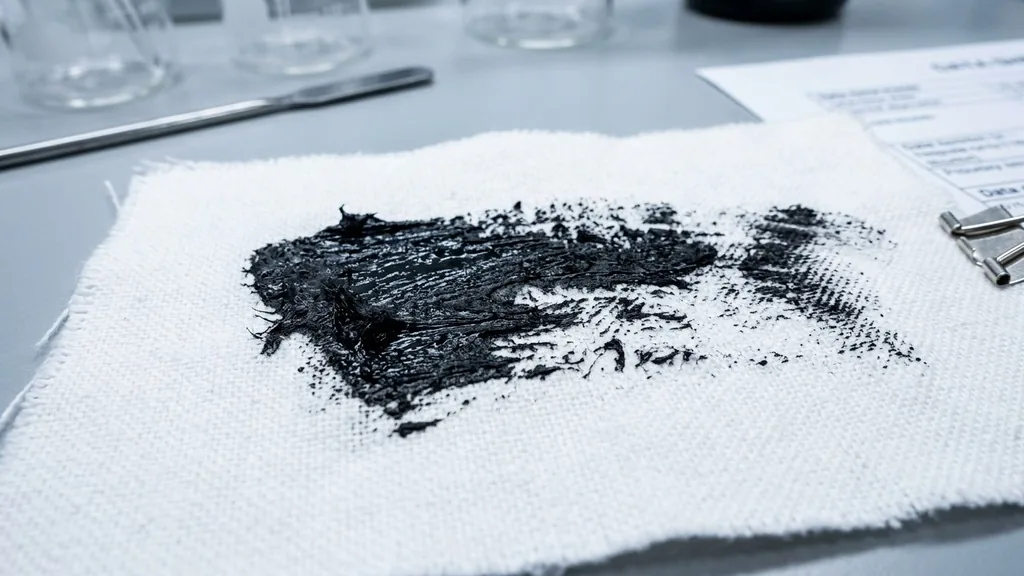
Accidentally dropping a wand or smearing your lashes against a sleeve is a common beauty mishap that can turn a morning routine into a laundry crisis. Learning how to get mascara out of fabric requires a blend of patience and chemistry, as the waxy, pigment-heavy nature of modern makeup is designed specifically to cling to surfaces.
Because mascara is formulated with oils, waxes, and intense colorants, it does not simply rinse away with plain water. Instead, you need a targeted approach that breaks down the binding agents before they set permanently into the weave of your textiles.
Understanding the Composition of Mascara Stains
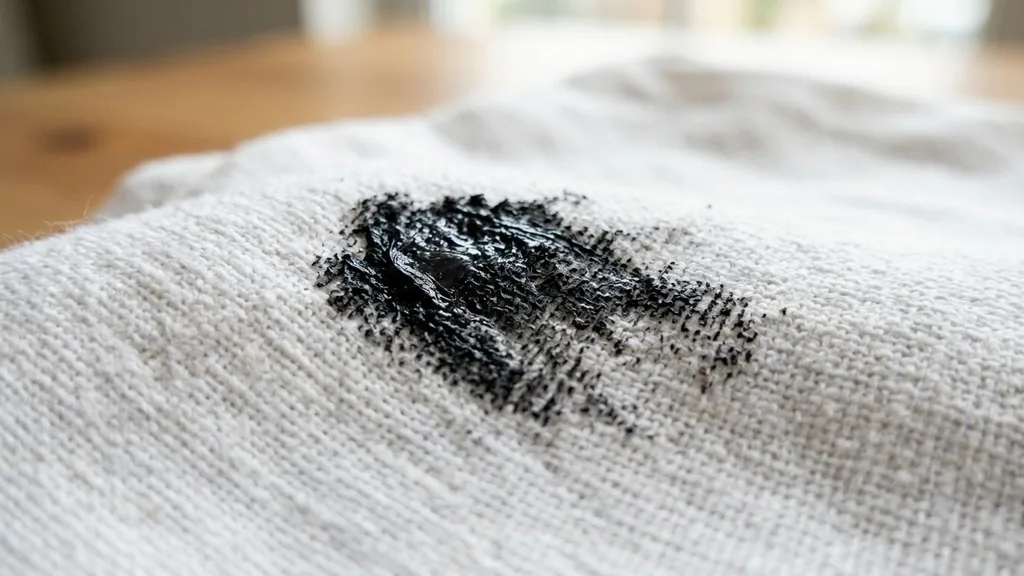
To effectively tackle a stain, you must first acknowledge what you are dealing with. Mascara is not just a simple dye; it is a complex emulsion. Most formulations contain a mix of iron oxides for color, synthetic or natural waxes (like beeswax or carnauba) for structure, and polymers that ensure the product stays flexible on your lashes without flaking.
When this mixture lands on a piece of clothing or upholstery, the wax acts as a hydrophobic barrier. If you immediately hit the spot with water, you are essentially trying to wash oil with water, which is why the smudge often spreads rather than lifts.
The primary goal when addressing these stains is to emulsify the oils so they can be carried away by a surfactant, such as a mild laundry detergent or dish soap. Synthetic fabrics like polyester are particularly prone to holding onto these oily residues, while natural fibers like cotton may absorb the pigment deeper into the individual strands.
If the mascara has dried, the task becomes even more difficult because the polymers have cross-linked, making the substance rigid. Recognizing that you are fighting an oil-based, pigment-heavy compound allows you to choose the right solvents, such as isopropyl alcohol or makeup remover, rather than scrubbing blindly and potentially damaging the material.
Immediate Action Steps for Fresh Mascara Smudges
When you first notice a smudge, your reaction time is the most critical factor in the success of the cleaning process. If the mascara is still wet, do not—under any circumstances—rub the area. Rubbing forces the pigment deeper into the fibers, turning a surface-level dot into a deeply embedded mark.
Instead, you should gently lift the excess product off the surface using the edge of a dull knife, a credit card, or a clean spatula. By carefully scooping up the bulk of the wet material, you prevent it from migrating further into the fabric’s weave.
Once you have removed the excess, take a clean, white paper towel or a soft cloth and gently blot the area. Do not push down hard; simply touch the cloth to the smudge to absorb as much of the oily carrier as possible. If you are dealing with a garment that is safe to spot-treat, you can lightly dab the area with a small amount of micellar water or an oil-free makeup remover.
These products are engineered to break down the exact ingredients found in your mascara. Testing this on an inconspicuous area of the fabric is always recommended to ensure colorfastness. Once the bulk of the pigment is lifted, you can prepare the item for a more thorough wash, but avoid heat until you are certain the stain is gone, as high temperatures will lock the remaining oils into the fibers.
Selecting the Right Cleaning Agents for Different Materials
Not all fabrics respond to the same treatments. A delicate silk blouse requires a vastly different touch than a sturdy cotton denim jacket or a synthetic polyester couch. For delicate materials, harsh chemicals are off the table.
You should rely on gentle, pH-neutral soaps or specialized textile cleaners. Conversely, for heavy-duty fabrics, you can be slightly more aggressive. The following table outlines which agents are generally considered safe for common household textiles when dealing with makeup marks.
| Fabric Type | Recommended Cleaning Agent | Precaution |
|---|---|---|
| Cotton / Linen | Liquid laundry detergent or dish soap | Do not use bleach unless the fabric is white |
| Silk / Wool | Gentle wool-safe detergent or mild soap | Avoid rubbing; blot only to prevent damage |
| Polyester / Synthetics | Isopropyl alcohol or makeup remover | Test for color bleeding on a hidden seam |
| Upholstery (Microfiber) | Rubbing alcohol or distilled water | Use sparingly to avoid water spots |
When choosing your cleaning agent, always prioritize the integrity of the fabric. If you are using a solvent like rubbing alcohol, ensure the area is well-ventilated.
The alcohol works by thinning the wax, making it easier for a detergent to lift it away. If you find yourself in a situation where you are unsure of the fabric’s composition, consult the official care labeling guidelines to ensure you aren’t violating manufacturer recommendations, which could lead to permanent fiber degradation or color loss.
Deep Cleaning Techniques for Dried or Stubborn Stains
If you have discovered a mascara mark that has already dried, you are dealing with a “set” stain. This requires re-hydrating the pigments and softening the waxes. Start by applying a small amount of liquid dish soap directly to the spot.
Dish soap is specifically formulated to cut through grease, which is the main component of mascara. Use your fingers or a soft-bristled toothbrush to gently work the soap into the fibers in a circular motion. This agitation helps the surfactant surround the oil molecules and pull them away from the fabric surface.
After letting the soap sit for about ten to fifteen minutes, rinse the area with cool water. If the stain persists, a mixture of equal parts hydrogen peroxide and dish soap can be effective on white or light-colored fabrics, but use this with caution as peroxide acts as a mild bleaching agent. For darker or colored fabrics, stick to a mixture of white vinegar and water.
The acidity of the vinegar can help break down the mineral-based pigments often found in dark cosmetics. Always rinse thoroughly after each application.
If the mark is on a piece of furniture, such as a couch, you will want to avoid oversaturating the fabric, as this can lead to mold growth in the underlying padding. Instead, use a damp cloth to “rinse” the soap out, blotting repeatedly with a dry towel until no more soap residue remains.
Addressing Topical Gaps: Common Misconceptions
Many people believe that using hot water is the best way to remove makeup stains, but this is a significant error. Heat is the enemy of most cosmetic stains because it can cause the waxes to melt and penetrate further into the fabric, effectively “setting” the stain. Always use cold or lukewarm water when rinsing out mascara.
Another common misconception is that using hairspray will remove all types of makeup. While the alcohol content in some hairsprays can help dissolve mascara, many modern hairsprays contain resins and fragrances that can cause secondary stains or leave a sticky residue that is harder to remove than the mascara itself.
Another overlooked aspect is the role of the laundry cycle. Many users assume that throwing an item in the washer immediately after a quick spot treatment will suffice. However, if the mascara isn’t completely removed before the item hits the dryer, the heat of the machine will solidify the remaining oils.
You should always inspect the fabric under good lighting after the wash cycle but before you put it in the dryer. If you see a shadow of the stain, repeat the spot treatment. Once a mascara stain has been through a high-heat dry cycle, it becomes exponentially harder to remove, often requiring professional dry cleaning services.
Proactive Strategies to Prevent Future Makeup Accidents
The best way to handle a mascara mess is to prevent it from happening in the first place. This may sound obvious, but changing your getting-ready habits can save your favorite clothes from potential damage. Many people apply mascara while wearing their work clothes or a nice outfit.
If you are prone to slips, consider applying your makeup while wearing a robe or an old t-shirt, and only change into your final outfit once your makeup is completely dry and set. This simple habit shift eliminates the risk of a wand slip ruining your day.
Furthermore, ensure that your mascara wand is not overloaded with product. A wand that is clumpy and heavy is much more likely to drop “globs” onto your clothing. Regularly wiping the excess product off the wand onto a tissue before application not only helps you achieve a more natural lash look but also minimizes the amount of product that could potentially fall onto your chest or shoulder.
If you are traveling, keep your makeup in a secure, leak-proof bag. Mascara tubes can sometimes leak if the cap isn’t tightened or if the product is exposed to extreme temperature changes in a car or airplane.
- Apply mascara before dressing to avoid accidental contact with clothing.
- Wipe the excess mascara from the wand to prevent clumping and dropping.
- Keep a small kit of makeup remover wipes in your purse for immediate “on-the-go” spot treatment.
- Store cosmetics in a cool, dry place to prevent the formula from separating or leaking.
- Check labels for “oil-free” mascara options, which are generally easier to remove from fabrics if a spill occurs.
Frequently Asked Questions
Does mascara stain permanently if left too long?
It can become permanent if it is exposed to high heat, such as in a dryer. If left at room temperature, it is usually just difficult to remove. The longer it sits, the more the oils oxidize and bond with the fabric, so prompt treatment is always best.
Can I use makeup remover to clean mascara off a couch?
Yes, but be careful. Oil-free makeup remover is generally safe, but you should test it on a hidden part of the upholstery first. Ensure you do not over-saturate the fabric, as excess liquid can soak into the foam padding and cause long-term damage or water marks.
What is the best way to dissolve dried mascara?
The best method is to use a grease-cutting dish soap or a specialized laundry pre-treater. Apply the soap, let it sit for ten minutes to soften the dried waxes, and then gently agitate the area with a soft brush before rinsing with cool water to lift the stain.
Is it possible to remove mascara from white clothing without bleach?
Absolutely. You can use a mixture of white vinegar and water or a high-quality laundry detergent designed for color-safe stain removal. Avoid bleach unless the care label specifically permits it, as bleach can yellow some synthetic fabrics or weaken natural fibers like cotton over time.


