

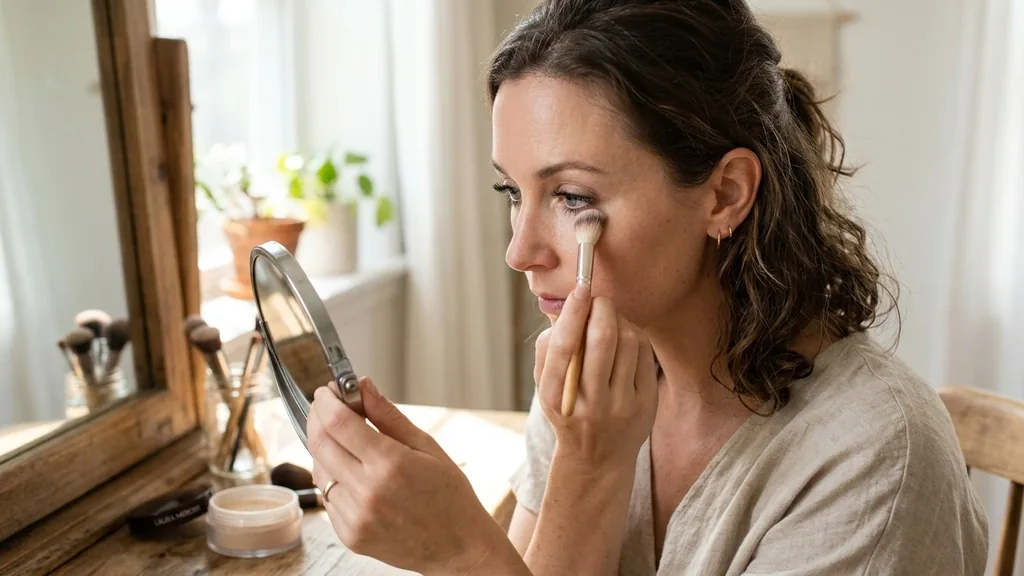
Mastering the art of how to apply mascara to bottom lashes is a transformative skill that can instantly open up your gaze and balance your overall makeup look. While many beauty enthusiasts focus exclusively on their upper fringe, adding definition to the lower lash line creates a cohesive aesthetic that frames the eye perfectly.
However, the delicate nature of the skin underneath the eye, combined with the proximity to the cheekbone, often leads to common frustrations like smudging, clumping, or the dreaded “raccoon eye” effect. By refining your technique and selecting the right tools, you can achieve a wide-eyed, polished appearance that lasts throughout the day without constant touch-ups.
Essential Preparation for Lower Lash Application
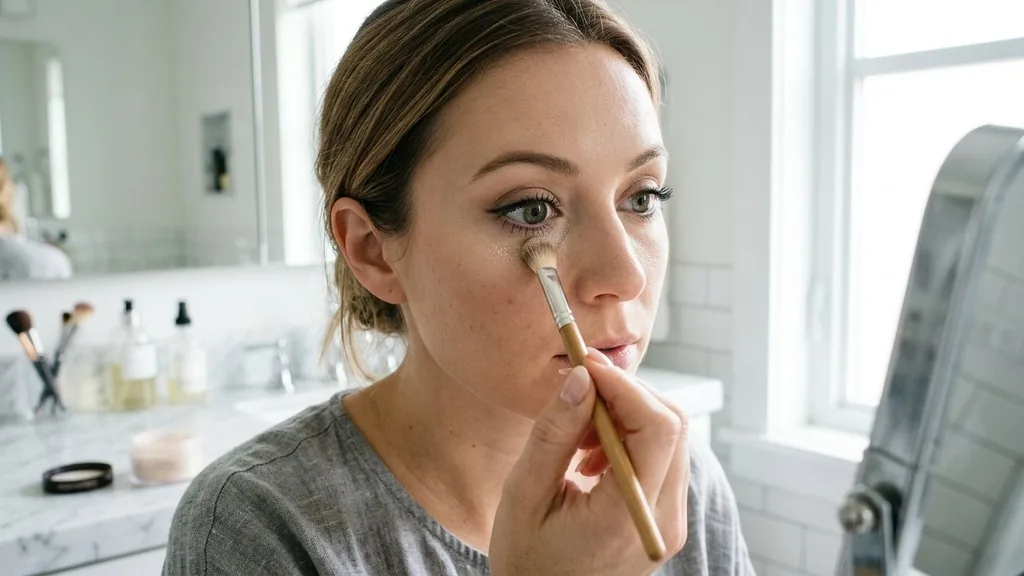
Before you even touch your eyelashes with a wand, the foundation of your eye makeup must be secure. The skin surrounding the eye is naturally prone to movement and oil production, which are the primary culprits behind mascara migration. To ensure your bottom lashes look crisp, start by gently patting a small amount of translucent powder or a long-wearing eye primer under your lower lash line.
This creates a dry, matte surface that prevents the oils from your skin from breaking down the mascara formula. If you have naturally watery eyes, this step is non-negotiable.
Choosing the right product is equally vital. While you might be tempted to use the same tube of mascara you use on your top lashes, this is often a recipe for disaster. Heavy, volumizing formulas are designed to build thickness on thick, sturdy upper lashes, but they often contain waxes that can melt or flake when applied to the finer, sparser hairs of the lower lid.
Instead, consider using a specialized product with a smaller brush head or a tubing mascara. Tubing formulas are particularly effective for bottom lashes because they wrap each hair in a polymer coating that resists smudging and moisture, yet slides off easily with warm water at the end of the day.
The Right Tools for Precision
The size and shape of your applicator wand determine how much control you have during the application process. A large, fluffy brush, which is excellent for creating dramatic volume on the upper lid, will almost certainly deposit too much product on the lower lashes and smudge onto your concealer. For the bottom lash line, you need a wand with a tapered, tiny, or thin design.
If your favorite mascara has a large brush, don’t feel obligated to use it. You can purchase disposable, precision-tip wands that allow you to coat even the tiniest hairs in the inner corner of the eye without making a mess.
Beyond the wand, consider the utility of a small makeup guard or even a clean business card. By holding a small piece of cardstock or a plastic lash shield against the skin just below your lower lashes, you create a barrier. This allows you to apply the product with confidence, knowing that any excess will land on the shield rather than your carefully applied foundation.
This simple tool is a game-changer for beginners who are still developing the steady hand required for delicate eye makeup work. Cleaning your brushes is also part of the process; a clean, dry spoolie can be used after application to comb through the lashes, removing excess product and ensuring a fanned-out, natural look.
Step-by-Step Technique for Flawless Results
To apply mascara to bottom lashes effectively, start by removing excess product from the wand. Pull the wand out of the tube and wipe it against the inner rim or a clean tissue until there is only a minimal amount of formula left.
Applying too much product at once is the primary cause of clumping. Tilt your head slightly forward and look down into a mirror; this position naturally pushes your lower lashes away from your skin, providing a better angle for application and reducing the risk of accidental contact with your cheek.
Place the tip of the wand at the base of the lower lashes and wiggle it slightly from side to side to deposit the most pigment at the root. From there, gently pull the wand downward toward the tips of the lashes. Avoid pulling the wand horizontally, as this can cause the lashes to clump together.
If you find that your lashes are too long or sparse, move the wand vertically—holding it like a pen—and use just the very tip of the brush to touch each lash individually. This technique, often called “vertical application,” provides maximum control and results in a clean, defined look that mimics professional makeup artistry.
- Remove excess product from the wand before application.
- Tilt your head forward to create space between the lashes and the skin.
- Use the tip of a small, tapered wand for precision.
- Apply using a gentle downward motion rather than a horizontal sweep.
- Use a clean spoolie to separate any lashes that appear to stick together.
- Consider a tubing formula for long-lasting, smudge-proof wear.
Comparing Mascara Formulas for Lower Lashes
When selecting a product, understanding the chemical makeup of your mascara is essential. Not all formulas perform the same way on lower lashes, where contact with skin oils is inevitable. The following table compares common mascara types based on their suitability for the lower lash line.
| Mascara Type | Best For | Smudge Resistance |
|---|---|---|
| Tubing Mascara | Sensitive eyes and avoiding smudging | Excellent |
| Waterproof Mascara | Humid environments and watery eyes | Very High |
| Volumizing Mascara | Dramatic, thick lash appearance | Low |
| Lengthening Mascara | Defining sparse or short lashes | Moderate |
As shown in the table, tubing formulas are generally superior for the lower lash line because they do not dissolve in the natural oils of the under-eye area. While waterproof formulas offer high resistance, they can be difficult to remove, potentially causing damage to the delicate lashes over time. If you prefer a natural look, look for a formula with a thinner consistency that focuses on separation rather than extreme volume.
Addressing Common Concerns and Topical Gaps
A frequent question among makeup enthusiasts is whether applying mascara to the bottom lashes makes one look older. The answer depends entirely on the technique and the amount of product used. Heavy, clumpy mascara on the bottom lashes can draw attention to fine lines and shadows under the eye, potentially weighing down the appearance of the face.
However, when applied with a light hand to provide subtle definition, it can actually open the eyes and make them appear more alert and youthful. The key is to keep the application light and focused on the center and outer corners of the lash line.
Another concern involves the “spider leg” effect, where lashes clump together. This usually happens when the formula is too thick or the brush is holding too much product. If you do end up with clumps, do not try to add more mascara to cover them.
Instead, use a clean metal lash comb to separate the hairs while the mascara is still slightly damp. If the product has already dried, it is often better to use a tiny bit of micellar water on a cotton swab to clean the area and start fresh, rather than trying to salvage a clumpy application. You can learn more about proper eye makeup safety to ensure that your routine remains hygienic and gentle on your eyes.
Troubleshooting Smudging Throughout the Day
Even with the best technique, some people naturally have eyes that are more prone to smudging due to their shape or skin type. If you notice that your mascara consistently migrates onto your under-eye area by midday, you may need to adjust your strategy. First, ensure that your eye cream has fully absorbed before you begin your makeup.
Applying mascara while your skin is still tacky from moisturizer is a guaranteed way to cause smudging. Wait at least five to ten minutes after your skincare routine before moving on to color cosmetics.
If you struggle with watery eyes, consider using a clear mascara or a lash primer on your bottom lashes instead of a pigmented formula. A clear lash gel provides the look of wet, defined lashes without the risk of dark pigment smearing under your eyes. If you are determined to wear black or brown mascara, try applying it only to the outer two-thirds of your lower lash line.
Leaving the inner corner bare can prevent smudging in the area where tears are most likely to collect, while still providing the definition needed to frame the eye. Lastly, setting your under-eye concealer with a high-quality, finely milled translucent powder acts as a final barrier against any potential transfer from your lashes to your skin.
Maintaining Lash Health
While focusing on how to apply mascara to bottom lashes, it is easy to overlook the health of the lashes themselves. Lower lashes are often finer and more fragile than upper lashes, meaning they require gentle handling. Always remove your mascara at the end of the day using a dedicated eye makeup remover or an oil-based cleanser.
Avoid scrubbing or pulling at the lashes, as this can cause them to break or fall out prematurely. Gently press a saturated cotton pad against the lashes for a few seconds to allow the product to break down before wiping away.
Consistency is key to maintaining healthy, long lashes. If you wear mascara every day, consider applying a lash serum or a conditioning treatment at night. These products can help nourish the hair follicles and keep the lashes flexible, which in turn makes them less likely to break when you apply makeup the following morning.
By treating your lower lashes with the same care and attention as your upper lashes, you ensure that they remain a beautiful, natural frame for your eyes. Remember that makeup is meant to enhance your natural features; when you take the time to learn the proper techniques, you can achieve a sophisticated and polished look that feels uniquely yours.
Frequently Asked Questions
Does putting mascara on your bottom lashes make you look older?
When applied heavily or with clumpy formulas, it can highlight under-eye texture. However, a light, defined application can brighten the eyes and make you look more awake. The goal is to enhance the lash line subtly rather than creating a heavy, weighed-down appearance that emphasizes shadows.
Should you put mascara on both top and bottom lashes?
It is entirely a matter of personal preference. Applying it to both creates a balanced, wide-eyed effect that is popular for formal makeup looks. If you prefer a more minimalist or “no-makeup” aesthetic, you may choose to skip the bottom lashes or apply only a very small amount.
Does mascara on bottom lashes make eyes look bigger?
Yes, when done correctly, it creates a vertical frame that enhances the size of the eye. By defining the lower lash line, you extend the visual boundary of the eye, which can make them appear more open and expressive, especially if you focus the product on the outer edges.
What is the best way to remove mascara from bottom lashes without tugging?
Use an oil-based cleanser or a dual-phase eye makeup remover. Soak a cotton pad or a reusable bamboo round in the remover, press it gently against your lower lashes for 20 to 30 seconds to dissolve the product, and then wipe downward in one smooth, gentle motion.


