

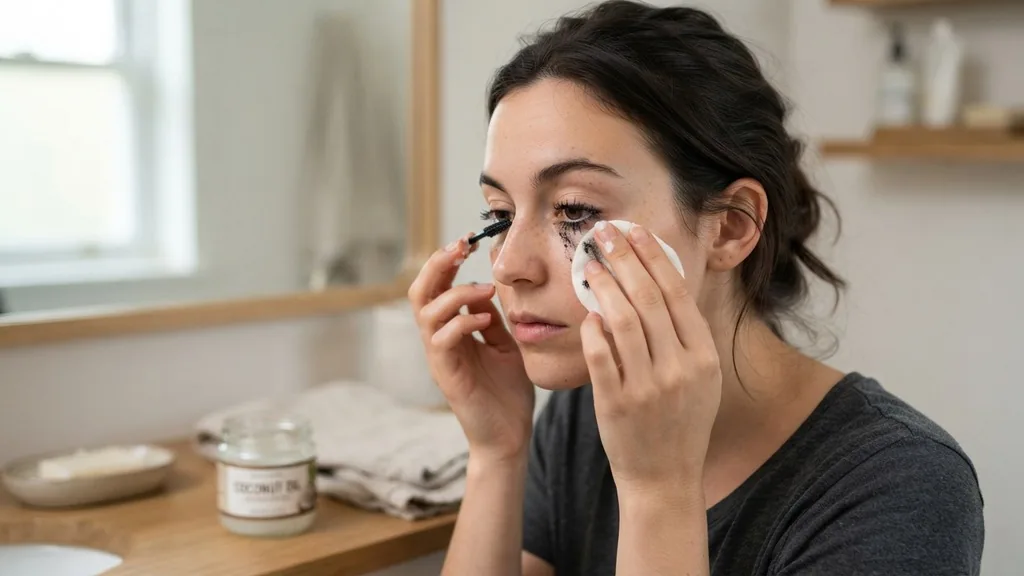
Finding yourself without your usual bottle of cleansing solution is a common dilemma. Whether you are traveling, staying over at a friend’s house, or simply ran out unexpectedly, learning how to get mascara off without makeup remover is a valuable skill for any beauty enthusiast. The good news is that your pantry likely contains several effective alternatives that can break down stubborn pigments without irritating your delicate eye area.
Understanding the Composition of Mascara
Mascara is a complex cosmetic formulation designed to adhere to your eyelashes for hours. To understand how to remove it effectively, you must first recognize that most formulas are either water-based or oil-based.
Waterproof varieties, in particular, rely on polymers and waxes that are specifically engineered to resist moisture. When you attempt to remove these products without a dedicated solvent, you are essentially trying to dissolve these waxes using a compatible substance.
The primary goal is to soften the dried mascara so that it slides off the lashes rather than pulling or tugging at them. If you pull on your lashes, you risk breakage or premature shedding.
By selecting the right household substitute, you can safely lift the product while keeping your lashes healthy. Always prioritize ingredients that are safe for the sensitive skin around the eyes, as this area is thinner and more prone to irritation than the rest of your face.
Using Natural Oils for Effective Removal
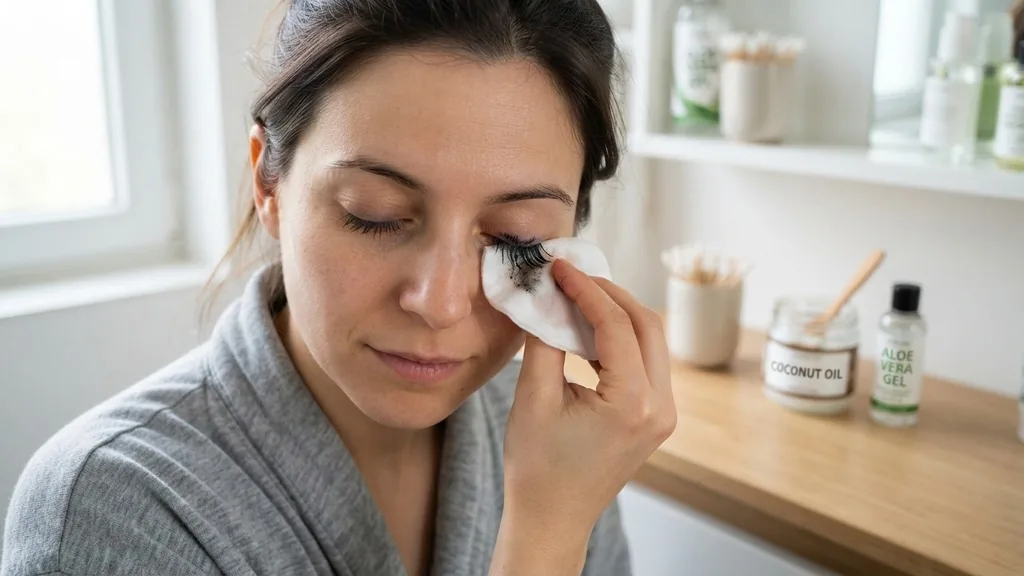
The most reliable way to dissolve stubborn eye makeup is by using an oil-based product. Oil naturally breaks down the waxes and polymers found in most mascaras, making them easy to wipe away. Olive oil, coconut oil, or even jojoba oil are excellent candidates because they are gentle and provide a conditioning effect to your lashes.
To use this method, place a small amount of oil onto a clean cotton pad or a soft cloth. Gently press the pad against your closed eyelid for about thirty seconds. This “soaking” period is crucial, as it allows the oil to penetrate the layers of mascara, loosening the bond between the makeup and your hair follicles.
Once the mascara has softened, you can gently wipe it away in a downward motion. Be careful not to get too much oil directly into your eye, as it can cause temporary blurriness, though it is generally harmless. After the mascara is gone, follow up with a gentle face wash to remove any oily residue, which is especially important if you have naturally oily skin.
The Role of Gentle Moisturisers
If you do not have pure oils on hand, your daily face moisturizer or even a thick hand cream can often do the trick. Many moisturizers contain a blend of humectants and emollients that can help break down cosmetic pigments. This is a particularly useful trick if you have dry skin, as the cream will leave your eye area feeling hydrated rather than stripped of its natural oils.
Apply a small dab of cream onto your lashes using your fingertips or a cotton swab. Massage it in very lightly, moving in the direction of lash growth. The cream acts as a solvent, lifting the mascara away from the skin.
Once you have massaged the area, use a damp, warm washcloth to wipe away the cream and the dissolved mascara. This dual-action approach—softening with the cream and wiping with the warm cloth—is highly effective for stubborn formulas. Ensure the moisturizer you choose is fragrance-free if possible, as the skin around the eyes can be reactive to strong scents.
Using Warm Water and Steam
Sometimes, the simplest approach is the most effective. If you are using a water-soluble mascara, warm water alone can often soften the product enough to remove it.
This is a great option for those who want to avoid applying any oily substances to their skin. The heat from the water helps to break down the film-forming agents in the mascara.
To maximize this method, try using a warm, damp compress. Soak a clean washcloth in warm water, wring it out, and hold it against your eyes for a minute or two. The heat and moisture will work together to loosen the mascara.
Once the product has softened, gently stroke your lashes with the cloth to remove the residue. If you are at home, taking a warm shower can provide the same effect, as the steam naturally loosens the hold of the makeup. After you finish, remember to pat your face dry with a clean towel rather than rubbing, as the latter can cause unnecessary friction and potential skin damage.
Safety Precautions for Sensitive Eyes
When you are learning how to get mascara off without makeup remover, safety must remain your top priority. The eye area is incredibly delicate, and improper technique can lead to redness, irritation, or even infection. Always ensure your hands are thoroughly washed before touching your eyes, as you do not want to introduce bacteria into the area.
If you find that your eyes are becoming red or itchy, stop the process immediately and rinse with cool water. Avoid using harsh household items like soap or shampoo near your eyes, as these are formulated for different pH levels and can cause significant stinging. If you have particularly dry skin or a history of allergies, perform a small patch test with your chosen alternative on your inner wrist before applying it to your eyelids.
This simple precaution can save you from an uncomfortable reaction. For more information on maintaining ocular health, you can visit the American Academy of Ophthalmology to read about proper hygiene for the eye area.
Comparing Removal Methods
Different methods work better depending on the type of mascara you are wearing and your specific skin type. The following table provides a quick reference to help you decide which alternative to use when you find yourself in a pinch.
| Method | Best For | Pros | Cons |
|---|---|---|---|
| Natural Oils | Waterproof Mascara | Highly effective, moisturizing | Can leave an oily residue |
| Face Cream | Dry Skin | Gentle, hydrating | May contain irritants |
| Warm Water | Water-soluble Mascara | No residue, very gentle | Less effective on waterproof formulas |
Addressing Topical Gaps
Many people worry about the long-term effects of using household items to remove makeup. A common concern is whether these alternatives can lead to clogged pores or breakouts. If you have oily skin, you might be hesitant to use oils like coconut or olive oil.
In these cases, focus on using lightweight oils like jojoba, which closely mimics the skin’s natural sebum and is less likely to clog pores. Alternatively, stick to the warm water compress method to avoid adding extra lipids to your routine.
Another gap in knowledge involves the frequency of these methods. Are they safe for daily use? While these alternatives are excellent for emergencies, they are not necessarily a replacement for a balanced skincare routine.
Professional makeup removers are often formulated with specific surfactants that are designed to lift makeup while maintaining the skin’s pH balance. Use these household hacks as a temporary solution, but try to return to your standard products when possible to ensure your skin remains in its best condition.
Step-by-Step Removal Routine
To ensure you are removing mascara effectively without damaging your lashes, follow this structured routine. Consistency is key to avoiding the common skin cause of irritation: aggressive rubbing.
- Begin by dampening a soft cloth with warm water to prepare the area.
- Apply your chosen alternative (oil or cream) to a clean cotton pad or your fingertips.
- Gently press the product against your lashes for thirty seconds to allow the mascara to soften.
- Use a sweeping, downward motion to move the mascara off the lashes, avoiding back-and-forth scrubbing.
- Wipe away any remaining residue with a clean, damp cloth.
- Follow up with a gentle cleanser to ensure no oil or debris is left on the skin.
- Apply a light eye cream if your skin feels tight after the process.
Following these steps will help you maintain the health of your eyelashes and the skin surrounding your eyes. By treating the area with care, you minimize the risk of irritation and ensure that your eyes look refreshed even after a long day of wearing makeup.
Maintaining Lash Health Long-Term
Once you have mastered how to get mascara off without makeup remover, it is important to consider the overall health of your lashes. Frequent use of waterproof mascara can be taxing on your lashes, leading to brittleness and breakage.
Regardless of how you remove your makeup, always ensure you are being as gentle as possible. Avoid tugging at the roots, as this can cause premature fallout.
If you notice your lashes are feeling weak, consider incorporating a lash serum into your nightly routine. Even a simple application of castor oil or a dedicated conditioning treatment can help strengthen the hair follicles over time. Remember that your skincare routine is a holistic process.
What you do to remove your makeup is just as important as the products you apply afterward. Keep your tools clean, your movements soft, and your products suited to your specific skin needs, and you will maintain healthy, fluttery lashes for years to come.
Frequently Asked Questions
- Is it safe to use olive oil on my eyes? Yes, food-grade olive oil is generally safe for the eye area, but it is quite heavy. Use only a tiny amount to avoid clogging pores or causing temporary cloudiness in your vision. Always wipe thoroughly after use.
- Can I use baby oil to remove mascara? Baby oil is an effective makeup remover because it is mineral oil-based and excellent at breaking down waxes. However, ensure it is fragrance-free, as added perfumes can be highly irritating to the sensitive skin surrounding your eyes.
- What should I do if my eyes become irritated? If you experience redness, swelling, or stinging, immediately flush your eyes with lukewarm water. Stop using the product that caused the reaction and avoid applying any makeup until the irritation has completely subsided. Consult a doctor if symptoms persist.
- Does warm water work on all mascara types? No, warm water is primarily effective for water-soluble formulas. If you are wearing waterproof or long-wear mascara, you will almost certainly need an oil-based medium to break down the resilient polymers, as water alone will not dissolve them effectively.


