

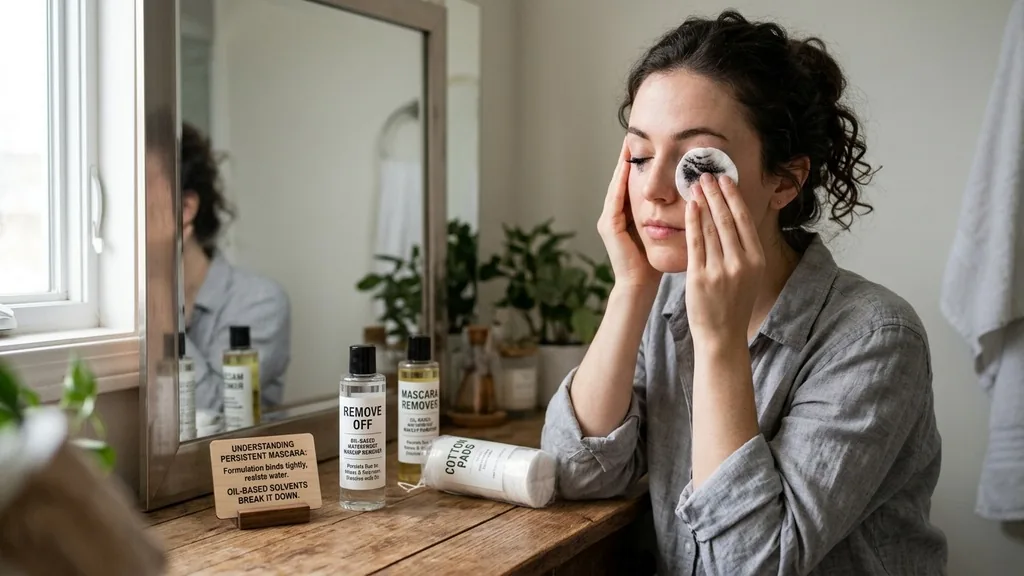
Learning how to get off waterproof mascara without causing irritation to your delicate eye area is a skill every makeup wearer needs. Because this type of product is designed specifically to resist moisture, sweat, and humidity, it clings to the hair follicles with incredible tenacity.
Using standard soap and water often fails, leading to aggressive scrubbing that can damage your lashes or inflame the surrounding skin. By understanding the chemistry behind these formulas, you can select the right solvents to break down the polymers without compromising the health of your eyes.
Understanding Why Waterproof Mascara Is So Persistent
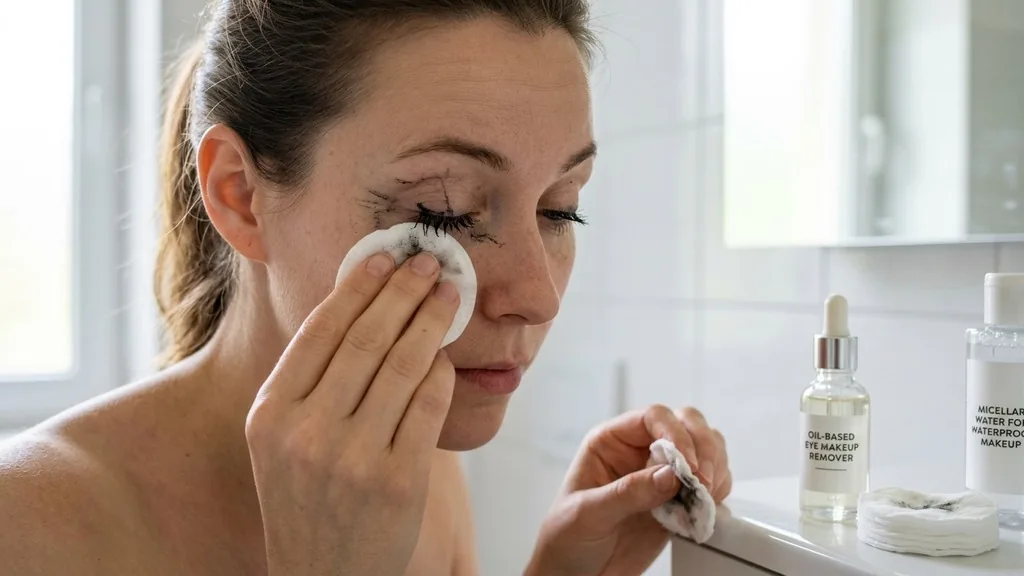
Waterproof mascara is designed to stay put through rain, tears, and physical exertion, which means it requires a specialized approach to remove. These formulas typically contain long-lasting waxes, silicones, and volatile solvents that create a hydrophobic barrier.
When you apply this product, it forms a film around each individual lash. Unlike water-based mascaras that emulsify easily when wet, these formulas are engineered to repel water, making standard cleansers ineffective.
The primary challenge in removing these products lies in their chemical structure. To effectively dissolve them, you need a substance that can break down the non-polar bonds of the waxes and oils used in the formula.
If you try to remove them with a water-based wash, the water simply beads off the mascara, leaving the pigment locked firmly in place. This is why you often find yourself rubbing your eyes repeatedly, which is a leading cause of premature lash loss and skin micro-tears.
By identifying these products as oil-based or polymer-based, you can choose a cleansing method that targets those specific components. Using an oil-based medium allows the solvent to penetrate the hardened wax, loosening the bond between the mascara and the eyelash.
This process is much gentler than mechanical friction. Understanding the “like dissolves like” principle in chemistry is the secret to a quick, painless removal routine.
The Efficacy of Oil-Based Cleansers
Oil-based cleansers are the gold standard for removing stubborn eye makeup because they naturally interact with the hydrophobic ingredients in waterproof formulas. When you apply an oil-based product to your lashes, the oil molecules surround the waxy pigments, effectively lifting them away from the hair strand. This allows you to wipe the makeup off with minimal effort, protecting the skin from unnecessary tugging.
Many people prefer using dedicated oil-based makeup removers, but simple kitchen staples like jojoba oil or sweet almond oil also work wonders. To use these, apply a small amount to a clean finger or a soft cotton pad and press it gently against your closed eyelid. Let it sit for about thirty seconds.
This “soaking” time is vital; it gives the oil enough time to soften the mascara. Once the product has softened, you can gently swipe downwards to remove the residue.
If you have sensitive eyes, look for fragrance-free, mineral-oil-based options or plant-based oils that are non-comedogenic. While oils are incredibly effective, they can leave a slight blur in your vision if they get into your eyes.
This is temporary and harmless, but it is worth noting if you are in a rush. Following up with a gentle, water-based cleanser or a damp cloth will remove any remaining oily film, leaving your skin clean and refreshed.
Using Micellar Water for Gentle Removal
Micellar water has become a staple in many beauty routines because of its ability to lift dirt and oil without heavy scrubbing. It works by utilizing tiny suspended surfactants called micelles, which act like magnets for impurities. While standard micellar water is excellent for daily cleansing, you must look for a bi-phase version to effectively tackle waterproof mascara.
A bi-phase micellar water consists of two parts: an oil layer and a water layer. When you shake the bottle, these two components combine to create a powerful solution that cleanses while conditioning. The oil component works to dissolve the stubborn waxes in the mascara, while the micellar water layer ensures that the residue is easily wiped away.
To use this method effectively, saturate a cotton pad with the solution and hold it against your closed eye for a full minute. Do not rub. The goal is to allow the product to do the heavy lifting for you.
After a minute has passed, gently wipe the pad downward, following the natural direction of your lashes. This technique is highly recommended by dermatologists for those with sensitive skin, as it minimizes the risk of allergic reactions or mechanical irritation. For more information on maintaining eye health, you can visit the American Academy of Ophthalmology to read about proper eyelid hygiene practices.
The Role of Cotton Pads and Proper Technique
The tools you use to remove your makeup are just as important as the cleanser itself. Many people make the mistake of using rough paper towels or abrasive tissues, which can scratch the delicate skin around the eyes. High-quality cotton pads are essential because they provide a soft, absorbent surface that holds the cleanser in place.
When you are removing mascara, the goal is to minimize friction. If you find yourself pulling on your lashes, you are likely using the wrong technique or an insufficient amount of product.
Start by folding the cotton pad in half if you need a smaller surface area to work around the lash line. Press the pad firmly against the lashes for a sustained duration rather than scrubbing back and forth.
Another effective technique involves using a cotton-tipped swab for precision. If you have residual mascara stuck between the roots of your lashes, dip a cotton swab into your makeup remover and gently trace the lash line.
This allows you to target the specific areas that are difficult to reach with a flat pad. Always ensure that the cotton swab is saturated but not dripping, as excess liquid can easily run into your eyes and cause stinging.
Comparing Common Removal Methods
Selecting the right method depends on your skin type, your budget, and the specific mascara formula you use. The following table provides a breakdown of the most common approaches to help you decide which one fits your routine best.
| Method | Best For | Key Benefit |
|---|---|---|
| Bi-Phase Micellar Water | Sensitive eyes | Gentle, non-greasy finish |
| Cleansing Oil/Balm | Heavy makeup wearers | Dissolves stubborn wax quickly |
| Natural Oils (Jojoba/Almond) | Budget-conscious users | Nourishing and chemical-free |
| Makeup Remover Wipes | Travel and convenience | Single-step, no-rinse application |
Each of these methods has its place in a skincare regimen. While wipes are convenient for travel, they often require more physical pressure than liquid cleansers, which can be detrimental over time. Cleansing balms are often preferred by those who enjoy a “spa-like” ritual, as they melt into the skin upon contact and emulsify into a milky consistency when rinsed with water.
Addressing Common Topical Gaps
One of the most frequently overlooked aspects of removing waterproof mascara is the “residue factor.” Many people believe that once the black pigment is gone, their lashes are clean.
However, microscopic wax particles often remain at the base of the lash, which can lead to clogged follicles. Clogged follicles can cause styes or even lead to localized inflammation, which is why a double-cleansing approach is so beneficial.
Another common gap in knowledge is the impact of water temperature. Cold water is generally ineffective at breaking down the oils and waxes in waterproof makeup.
Using lukewarm water is the optimal choice; it is warm enough to help soften the product without stripping the skin of its natural moisture. Avoid using hot water, as it can dehydrate the skin around the eyes and cause unnecessary puffiness.
Finally, many individuals forget that their mascara wand itself can harbor bacteria if not cleaned properly. If you notice that your mascara is becoming harder to remove over time, it may be because the product has dried out inside the tube, making the formula more stubborn. Replacing your mascara every three months is not just a hygiene recommendation; it also ensures the formula remains at its intended consistency, making the removal process significantly easier.
Tips for Sensitive Eyes and Contact Lens Wearers
If you wear contact lenses, you must be extra vigilant about the products you use around your eyes. Oils and heavy cleansers can leave a film on your lenses, causing blurriness and potential irritation.
Always remove your contact lenses before beginning your makeup removal routine. This ensures that no residue gets trapped between the lens and your cornea.
For those with naturally sensitive eyes, look for products labeled “ophthalmologist-tested” or “hypoallergenic.” These products have been screened for common irritants that can cause redness or tearing.
If you experience persistent stinging, it may be an indication that your cleanser contains harsh preservatives or fragrances that your skin does not tolerate well. Switching to a simple, fragrance-free oil can often resolve these issues immediately.
It is also important to consider the “soak-and-swipe” method carefully. If you have eczema or rosacea around the eyes, even the act of pressing a cotton pad can cause a flare-up. In these cases, using a gentle cleansing balm with your fingertips might be better than using a cotton pad.
Massage the balm into your lashes using circular motions, then rinse thoroughly with lukewarm water. This eliminates the need for any abrasive tools entirely.
Maintaining Lash Health During Removal
Your eyelashes are thin, delicate hairs that require care just like the hair on your head. Aggressive removal techniques can lead to breakage, making your lashes appear thinner and shorter over time.
One of the best ways to keep your lashes healthy is to incorporate a conditioning treatment into your routine. Many makeup removers now include ingredients like Vitamin E, hyaluronic acid, or panthenol, which help nourish the lashes while cleansing them.
Never pull or tug at your lashes to remove clumps of dried mascara. If a clump is particularly stubborn, it is better to leave it until the next day or apply an extra layer of oil and let it sit for a few minutes longer.
Patience is your greatest ally in maintaining lash density. If you find your lashes are consistently dry, consider applying a tiny amount of castor oil or a dedicated lash serum after you have finished your evening cleansing routine.
Regularly cleaning your lash line is also vital for preventing blepharitis, a condition characterized by inflammation of the eyelid margins. By ensuring that every trace of waterproof mascara is removed before you sleep, you prevent the buildup of debris that can irritate your eyes. A clean lash line is a healthy lash line, and it will ensure that your lashes continue to grow in strong and resilient despite the frequent use of long-wearing makeup products.
Frequently Asked Questions
- Why isn’t my waterproof mascara coming off? Waterproof formulas are designed to resist water, so standard soap and water will not work. You need an oil-based cleanser or a bi-phase makeup remover to dissolve the waxes and polymers that hold the mascara to your lashes.
- Does Vaseline take off waterproof mascara? Yes, petroleum jelly is an effective, inexpensive way to remove stubborn makeup. Because it is oil-based, it breaks down the water-resistant bonds in the mascara. However, be careful not to get too much in your eyes, as it can cause temporary blurriness.
- How can I remove waterproof mascara without specialized remover? You can use natural oils such as coconut, jojoba, or almond oil. Simply apply a small amount to your lashes, let it sit for thirty seconds to soften the formula, and gently wipe away with a clean, damp cotton pad or a soft cloth.
- Does micellar water work on waterproof products? Standard micellar water is often ineffective for waterproof makeup. You must use a bi-phase micellar water, which contains an added oil layer. The oil dissolves the mascara, while the micelles help lift the residue away from the skin without requiring harsh rubbing.


