

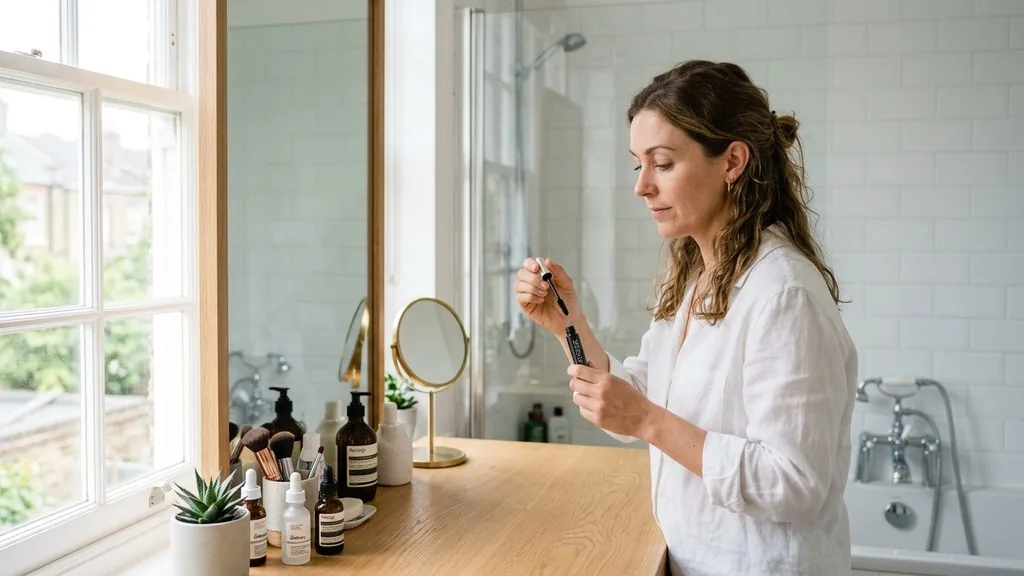
Navigating the nuances of eye makeup hygiene is critical, especially when considering how long should mascara last with daily use. Most beauty experts and dermatologists agree that the typical lifespan of an open tube of mascara is significantly shorter than many consumers realize. While it is tempting to use a product until every last drop is gone, the delicate environment of the eye makes this practice a potential health risk.
Because mascara is a liquid-based cosmetic applied directly to the lashes, it creates a breeding ground for microorganisms that thrive in warm, dark, and damp environments. Understanding the shelf life of your favorite beauty staple is not just about performance; it is about protecting your vision and maintaining long-term ocular health.
The Three-Month Rule for Mascara Longevity
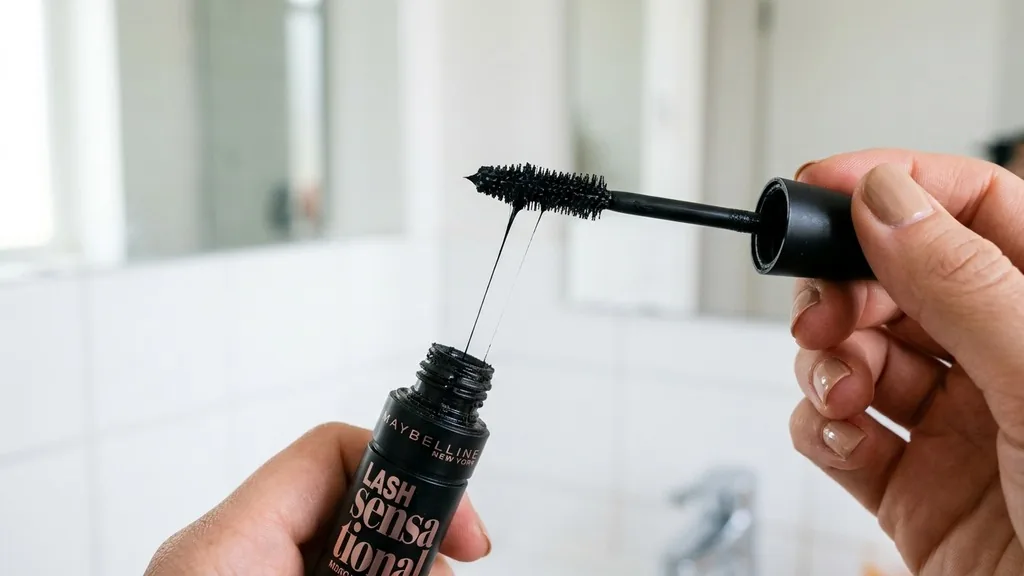
The industry standard for mascara safety is widely cited as three months after opening. This timeframe is not a random marketing suggestion designed to make you buy more products; it is based on the chemical stability of the formula and the inevitable introduction of contaminants. Every time you pull the wand out of the tube and return it, you are pumping air into the container.
This interaction with oxygen causes the formula to oxidize, thicken, and eventually dry out, which changes the texture and performance of the product. More importantly, the wand acts as a vehicle that transfers bacteria from your eyelashes and the skin surrounding your eye back into the tube.
Once these bacteria are introduced, they multiply rapidly within the enclosed, moist environment of the mascara tube. By the time three months have passed, the preservative system within the cosmetic—which is designed to keep microbes at bay—often begins to break down. Using a product beyond this window significantly increases the risk of developing uncomfortable eye conditions.
If you notice that your mascara has become clumpy, developed an off-putting odor, or changed in consistency, it is a clear indicator that the preservative system has failed or the formula has degraded. Always prioritize safety over the desire to finish every last bit of the product, as the cost of a new tube is far lower than the cost of treating a persistent eye infection.
Why Daily Use Accelerates Product Degradation
When you apply mascara every single day, you are essentially accelerating the wear-and-tear cycle of the product. Daily usage means the tube is opened and closed hundreds of times over a few weeks, which leads to rapid evaporation of the volatile components in the formula.
Furthermore, the wand collects skin cells, oils, and trace amounts of dust or debris from your lashes with every swipe. These organic materials serve as a food source for bacteria, allowing colonies to thrive inside the tube.
If you wear makeup seven days a week, you should be even more vigilant about the three-month expiration date. In fact, for heavy users who apply multiple coats daily, the product may show signs of degradation—such as flaking or difficulty in application—well before the three-month mark. It is also important to consider the environmental conditions of your storage.
Many people store their makeup in the bathroom, where humidity levels fluctuate significantly due to hot showers. This moisture can infiltrate the tube, further destabilizing the formula and encouraging the growth of mold or bacteria. To maximize the lifespan of your mascara, store it in a cool, dry place away from direct sunlight and temperature extremes, and ensure the cap is tightened securely after every use.
Identifying the Signs Your Mascara Needs Replacement
Determining when to toss your mascara is a skill every makeup enthusiast should master. You should not wait for the three-month calendar reminder if your product begins to exhibit red flags earlier. Paying attention to these subtle changes can help you avoid unnecessary irritation or more severe ocular complications.
- Changes in odor: If your mascara smells sharp, sour, or distinctly different from when you first opened it, the product has likely become contaminated or the ingredients have spoiled.
- Texture alterations: If the formula has become thick, goopy, or develops a stringy consistency that causes clumping on your lashes, it is time to discard it.
- Drying out: If you find yourself having to pump the wand repeatedly to get product onto the bristles, the formula has lost its moisture and will no longer apply smoothly.
- Flaking and smudging: An older, degraded formula often loses its ability to adhere properly to the lashes, resulting in excessive flaking under the eyes or smudging throughout the day.
- Eye irritation: Any sensation of redness, itching, burning, or a gritty feeling in your eyes shortly after application is a major warning sign that your mascara may be harboring harmful bacteria.
If you experience any of these symptoms, do not attempt to “fix” the mascara by adding water, eye drops, or oil. Adding substances to the tube introduces new contaminants and further dilutes the preservatives, making the bacterial growth problem worse rather than better.
When in doubt, it is always safer to replace the product entirely. For more information on maintaining eye health, you can consult the American Academy of Ophthalmology guidelines on eye makeup safety.
Comparing Mascara Lifespans by Formula Type
Not all mascaras are created equal. Different formulations—such as waterproof, tubing, or volumizing formulas—have varying chemical compositions, which can slightly influence how long they remain effective. However, regardless of the formula, the three-month rule remains the gold standard for safety.
| Mascara Type | Typical Texture | Sensitivity to Contamination | Average Stability |
|---|---|---|---|
| Waterproof | Thick, oil-based | Moderate | High (resists clumping) |
| Tubing | Polymer-based | Low | Very High |
| Volumizing | Wax-heavy | High | Moderate (dries faster) |
| Natural/Organic | Plant-based | Very High | Low (lacks synthetic preservatives) |
As shown in the table above, natural and organic mascaras often have a shorter effective shelf life than conventional options. Because these products typically rely on gentler, plant-based preservative systems, they are much more susceptible to bacterial growth.
If you choose to use clean beauty products, you must be even more diligent about monitoring for changes in scent or texture. Waterproof formulas, while durable, can also trap oils and debris more effectively, meaning that the wand requires more careful maintenance if you want to keep the tube clean for the full three months.
Common Mistakes That Shorten Mascara Life
Many people unknowingly shorten the lifespan of their mascara through common habits that introduce air and bacteria into the tube. One of the most pervasive mistakes is “pumping” the wand.
Many users believe that moving the wand in and out of the tube helps pick up more product; in reality, this motion forces air into the tube, which accelerates the oxidation process and causes the formula to dry out prematurely. Instead of pumping, use a gentle circular motion against the inside walls of the tube to pick up the product before removing it.
Another major error is sharing makeup. Even if you are close with friends or family, sharing mascara is a direct pathway for cross-contamination. Bacteria that are harmless on one person’s skin can cause significant infections in another person’s eye.
Furthermore, applying mascara in a moving vehicle or in dusty environments can lead to debris entering the tube. Finally, failing to remove your eye makeup thoroughly before bed can lead to a buildup of product on the lashes, which then gets transferred back into the mascara tube the next morning. A clean lash line is essential for keeping your mascara formula pristine for as long as possible.
Addressing Topical Gaps: The Truth About “Old” Mascara
There is a persistent myth that if a mascara tube has not been opened, it can be kept indefinitely. While an unopened product is certainly safer than an opened one, it is not immortal. Cosmetic manufacturers generally design products to remain stable for 24 to 36 months if stored in optimal conditions.
However, once the seal is broken, the clock starts ticking. Some users ask if they can use four-year-old mascara; the answer is a definitive no. Even if the product has never been opened, the chemical components can degrade over time, leading to separation, loss of pigment, and a compromised preservative system.
Another common question concerns whether eyelashes are healthier without mascara. The answer is nuanced: mascara itself is not inherently “unhealthy” for lashes, provided it is high-quality, used within its expiration date, and removed properly every night. Damage typically occurs through mechanical stress—such as rubbing the eyes too hard during makeup removal—or by using waterproof formulas that are difficult to remove without aggressive scrubbing.
To keep your lashes healthy, use a gentle makeup remover designed for the eye area, and avoid tugging at the lashes. If you find your lashes are brittle or thinning, consider taking a break from mascara for a few days to allow them to recover, and focus on nourishing the lash line with a gentle conditioner.
Frequently Asked Questions
How can I tell if my mascara has gone bad?
Look for changes in the formula’s consistency, such as extreme clumping, a dry or flaky texture, or a significant change in color. If the mascara develops a strange, sour, or chemical odor, or if you experience any redness or itching after use, discard it immediately.
Is it safe to use water to revive dried-out mascara?
No, you should never add water, eye drops, or any other substance to your mascara tube. Doing so introduces new bacteria and dilutes the preservatives, which are essential for keeping the product safe. Once the formula has dried out, its shelf life has effectively come to an end.
Can I keep my mascara for longer than three months if I use it infrequently?
Even if you only use mascara once a week, the three-month rule still applies. Once the seal is broken and the wand is introduced to the tube, the product is exposed to air and contaminants. The bacterial growth process begins the moment you first open the container.
Does waterproof mascara last longer than regular mascara?
While waterproof formulas may resist smudging better, they do not have a longer shelf life. All mascara formulas, regardless of their water resistance, are subject to the same bacterial growth and oxidation risks. You should replace all types of mascara every three months to ensure your eye safety.


