

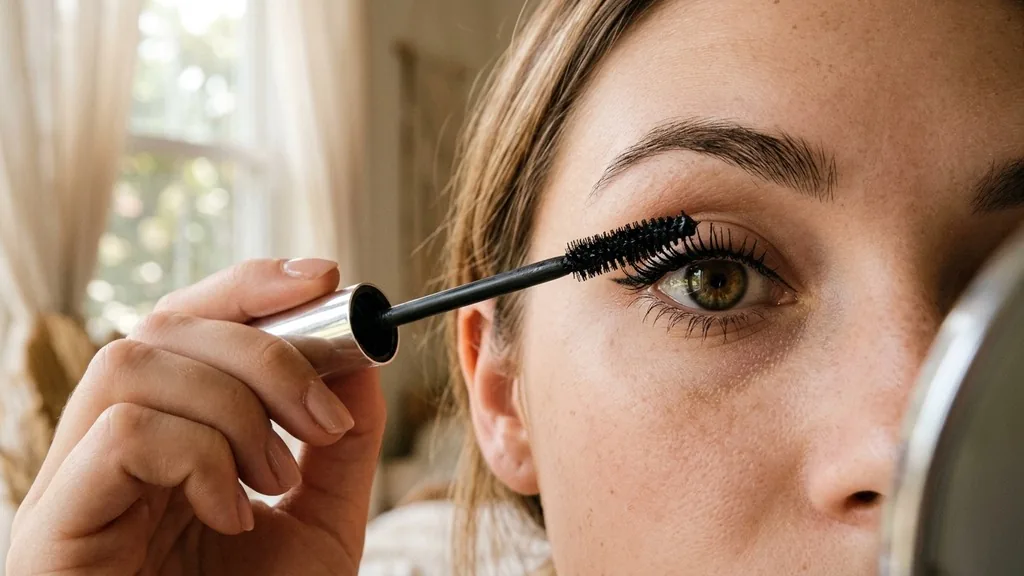
When you look at your vanity, you likely see a collection of items ranging from foundations and powders to brushes and setting sprays. Among these, mascara stands out as a staple in almost every beauty routine, yet questions often arise regarding its technical classification. To address the fundamental query, yes, mascara is considered makeup.
It is a cosmetic product specifically designed to enhance the appearance of the eyelashes by darkening, thickening, lengthening, or defining them. While its primary function is aesthetic—falling squarely under the umbrella of beauty and cosmetic enhancement—its chemical composition often leads to confusion, particularly when it comes to travel logistics and security regulations.
Beyond its basic definition as a cosmetic, mascara serves as a prime example of how the beauty industry categorizes various items. Because it is applied to the face to modify one’s appearance, it fits the dictionary definition of makeup perfectly. However, the confusion usually stems from the physical state of the substance.
Mascara is a liquid or semi-liquid emulsion, which creates a distinct set of challenges when you decide to pack makeup for a trip. By understanding how regulatory bodies view these products, you can better navigate the rules surrounding your daily beauty regimen.
The Chemical Composition and Definition of Mascara
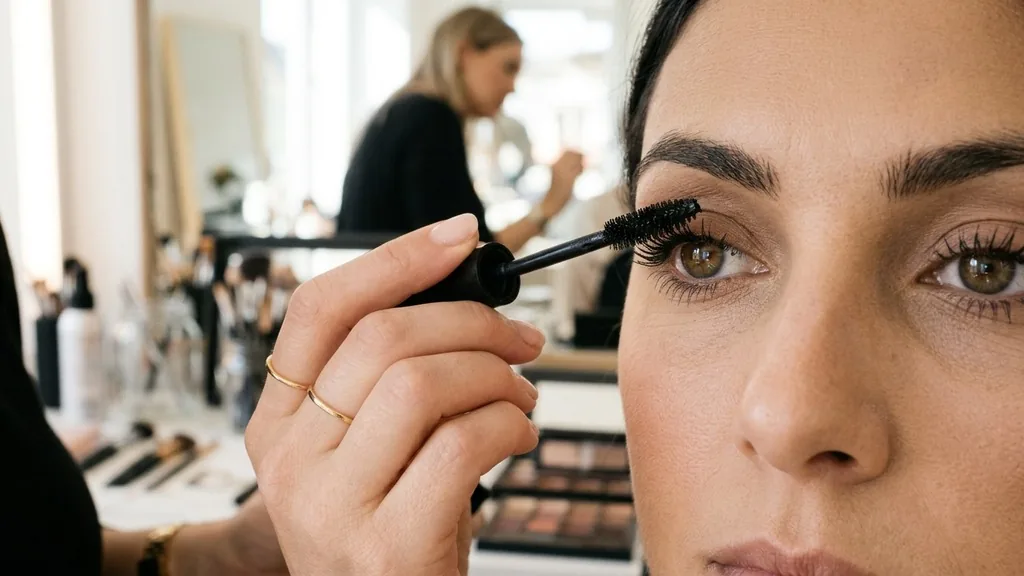
At its core, mascara is a specialized cosmetic product formulated with a blend of pigments, oils, waxes, and polymers. These ingredients work in harmony to coat the individual lashes, providing the desired volume and length. From a regulatory and industrial standpoint, it is classified as eye makeup.
The “makeup” label applies because the product is intended for topical application on the skin and hair to alter or improve the visual aesthetic of the user. Unlike skincare, which is generally formulated to improve the health or function of the skin, mascara’s primary goal is purely decorative.
The formulation of mascara has evolved significantly over the decades. Modern formulas often include conditioning agents like panthenol or vitamin E to help maintain lash health, which blurs the line slightly between pure pigment and treatment. Nevertheless, the industry standard remains that any product used to color the lashes is fundamentally makeup.
When you apply it to your lashes, you are engaging in a standard cosmetic practice that has been a part of human culture for centuries. The liquid consistency is simply a delivery vehicle for the pigments and waxes that provide the structural change to your lash line.
Understanding this classification is essential for both consumers and professionals. If you are ever asked to categorize your beauty items for inventory or insurance purposes, mascara belongs in the cosmetic category alongside eyeliner, eyeshadow, and brow gels.
It does not fall under personal care or toiletries in the same way that soap, shampoo, or toothpaste might, although it is often sold in the same sections of retail stores. This distinction is important because it dictates how these items are marketed, taxed, and regulated by consumer safety agencies.
Navigating TSA Makeup Regulations and Travel
One of the most frequent reasons people question whether mascara is considered makeup is the stress of navigating airport security. When you bring makeup on a flight, you are subject to the TSA makeup guidelines, which are primarily concerned with the physical state of the substance rather than its aesthetic purpose.
The Transportation Security Administration classifies substances based on their viscosity. Because standard mascara is a liquid or a gel-like emulsion, it is treated as a liquid for the purposes of the 3-1-1 carry-on rule.
If you are planning to pack makeup for an upcoming flight, you must be aware that any mascara tube exceeding the standard liquid limits will be subject to screening or potential confiscation if it does not fit within your quart-sized clear bag. While a single tube of mascara is almost always under the 3.4-ounce (100-milliliter) limit, it still counts toward your total allowance of liquids. It is a common misconception that makeup is exempt from these liquids rules; in reality, the TSA does not differentiate between a bottle of shampoo and a tube of mascara when it comes to the “liquid, gel, or aerosol” category.
To ensure a smooth experience at the airport, you should keep your essential cosmetics in a transparent, resealable bag. This allows security officers to quickly inspect your items without you having to dig through your carry-on luggage. If you are worried about your favorite luxury mascara being flagged, remember that the size of the container is the primary factor.
Most mascara tubes are approximately 0.2 to 0.3 ounces, which is well within the legal limit for air travel. However, if you are traveling with a large collection, ensure the total volume of all your liquid-based cosmetics fits comfortably within the permitted space in your bags.
Comparing Makeup Categories for Security Screening
To clarify what constitutes a liquid versus a solid in the eyes of security agencies, it helps to look at how different beauty items are categorized. This comparison can help you organize your travel kit more effectively. The following table illustrates how common products are often treated during security checks, though you should always check the official TSA guidance on prohibited items for the most current information.
| Product Category | Common Examples | TSA Classification |
|---|---|---|
| Eye Makeup | Mascara, Liquid Eyeliner | Liquid / Gel |
| Lip Products | Lip Gloss, Liquid Lipstick | Liquid / Gel |
| Face Makeup | Foundation, Concealer, Primer | Liquid / Gel |
| Powders | Pressed Powder, Blush, Bronzer | Solid |
| Lipstick | Bullet Lipstick, Lip Balm | Solid |
As shown in the table, the physical state is the deciding factor. While mascara is definitely makeup, its status as a liquid is what dictates your travel experience.
Knowing this distinction allows you to plan your makeup plane strategy with confidence. If you prefer to avoid the hassle of the liquid bag, you might opt for solid alternatives like mineral powders or traditional bullet lipsticks, which are not subject to the same strict volume restrictions as liquid products.
The Evolution of Mascara as a Cultural Staple
Mascara has traveled a long path from the kohl-based concoctions of ancient Egypt to the high-tech, fiber-infused formulas we use now. Historically, the goal was not just beauty but also protection, as ancient civilizations believed dark pigment around the eyes would ward off the “evil eye” and protect the wearer from the harsh glare of the sun.
Today, the focus has shifted toward enhancement and self-expression. Yet, the classification of mascara as a makeup staple remains one of the most stable aspects of the beauty industry.
Because it is a cosmetic product, the development of mascara has always focused on safety and performance. Manufacturers must adhere to strict guidelines regarding the ingredients allowed near the sensitive eye area.
This is why mascara has a shorter shelf life than many other products; the moisture-rich, liquid environment of a mascara tube is a breeding ground for bacteria if not handled correctly. Experts generally recommend replacing your mascara every three months to prevent eye infections, which highlights its nature as a product that requires active management.
The cultural significance of mascara is undeniable. It is often the first item of makeup a person learns to use, serving as a gateway into the broader world of cosmetics.
Whether you prefer a natural “no-makeup” look or a dramatic, voluminous lash, mascara remains the most versatile tool in your kit. Its ability to instantly frame the eyes makes it an indispensable component of modern beauty standards, confirming its status not just as a product, but as a cultural icon.
Addressing Common Misconceptions and Topical Gaps
One significant gap in many discussions about beauty products is the confusion between “cosmetic makeup” and “skincare.” Some users wonder if a tinted lash serum counts as makeup. The answer lies in the primary intent.
If a product is formulated primarily to color or define the lash, it is makeup. If it is formulated to nourish and stimulate growth, it is technically a treatment.
However, many modern products are hybrids, providing both benefits. This overlap can be confusing, but the simple tip is to look at the marketing claim: if it is sold to make your lashes look better instantly, treat it as makeup.
Another common point of confusion is whether “makeup” and “cosmetics” are the same thing. While they are often used interchangeably, “cosmetics” is the broader industry term that includes skincare, haircare, and fragrances. “Makeup,” on the other hand, is specifically reserved for decorative products used to alter the appearance of the face.
Mascara sits firmly in this second category. Understanding this nuance helps when you are researching ingredients or checking for product recalls, as the regulatory requirements for a decorative product (makeup) may differ from those of a therapeutic product (skincare).
Furthermore, people often ask if eyebrow gel is treated differently than mascara. While they are similar in formulation, they are categorized by their intended application area. Both are considered makeup.
When you are packing your carry-on, both will be evaluated under the same liquid rules. If you find that your travel bag is getting too full, you might consider if you need both a liquid brow gel and a liquid mascara, or if you can find solid alternatives to save space.
Best Practices for Managing Your Makeup Collection
Effectively managing your beauty stash requires a blend of organization and awareness of product lifecycles. Since mascara is a liquid-based makeup, it is particularly sensitive to temperature and time.
Storing your mascara in a cool, dry place away from direct sunlight will preserve its consistency and prevent it from drying out prematurely. When you travel, avoid leaving your makeup bag in a hot car or a checked suitcase that may be exposed to extreme temperatures, as this can degrade the formula and affect its performance.
When you pack makeup for a trip, consider the utility of each item. Do you really need three different mascaras? By narrowing down your selection to the essentials, you not only save space in your liquids bag but also reduce the risk of products expiring before you have a chance to use them.
For those who frequently travel, investing in travel-sized versions of your favorite mascara can be a game-changer. These mini tubes are perfect for maintaining your look on the go without taking up valuable real estate in your compliant clear bag.
Ultimately, accepting that mascara is a liquid makeup product simplifies the process of integrating it into your lifestyle. Whether you are prepping for a cross-country flight or simply organizing your bathroom drawer, knowing the classification of your products helps you make informed decisions. Keep your items clean, replace your mascara regularly, and always stay updated on the latest travel regulations to ensure your beauty routine remains a source of joy rather than a source of stress.
Frequently Asked Questions
Is mascara considered a liquid by the TSA?
Yes, the TSA classifies mascara as a liquid or gel. When you bring it in your carry-on luggage, it must be in a container of 3.4 ounces (100 ml) or less and must fit inside your quart-sized, clear, resealable plastic bag along with your other liquids.
Does mascara count as makeup for customs declarations?
Yes, mascara is classified as a cosmetic or makeup product. When traveling internationally, you generally do not need to declare standard personal-use quantities of makeup. However, if you are carrying a large, commercial quantity of products, you may be required to declare them to customs authorities.
Is it better to pack mascara in a carry-on or checked bag?
You can pack mascara in either. If you want to ensure you have it upon arrival, keep it in your carry-on, provided it is within the liquid limits. If you have a large collection that exceeds liquid rules, it is safer to pack those items in your checked luggage.
Does the expiration date of mascara change if I travel with it?
Traveling does not necessarily change the expiration date, but extreme temperatures in luggage holds or cars can degrade the formula faster. Always check for changes in smell, texture, or irritation, and replace your mascara every three months regardless of how much you have traveled with it.


