

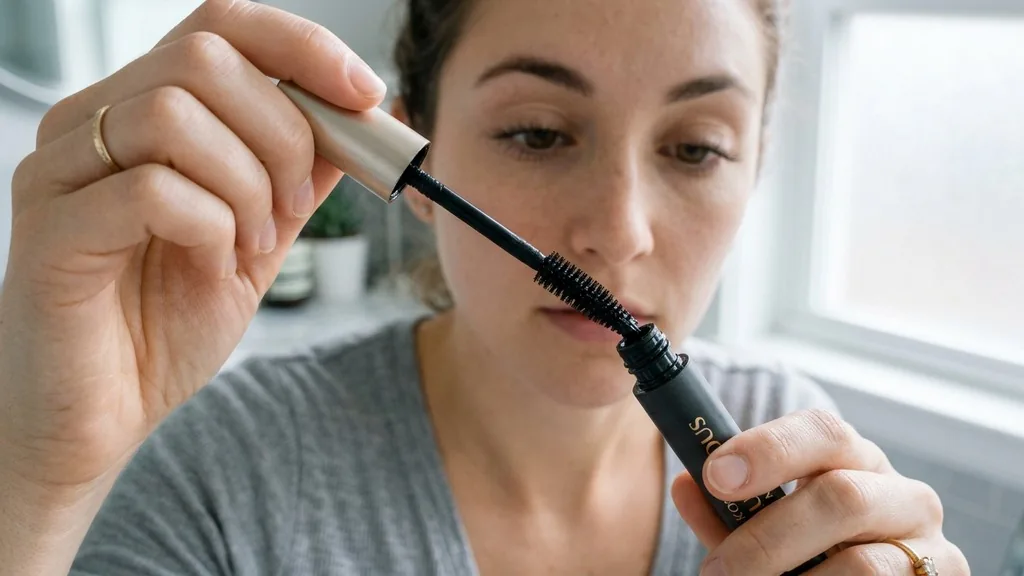
Maintaining a pristine beauty routine involves more than just selecting the right shades and textures; it requires a disciplined approach to product longevity and hygiene. If you have ever wondered how often should I replace my mascara, you are not alone. The consensus among dermatologists and makeup professionals is that you should replace your mascara every three months.
This timeframe is not arbitrary; it is rooted in the biological reality that your eyes are one of the most sensitive areas of your body, and the dark, moist environment inside a tube of product creates a perfect breeding ground for bacteria. Ignoring these guidelines can lead to persistent eye infections, irritation, and long-term damage to your ocular health.
Understanding the Three-Month Rule for Mascara
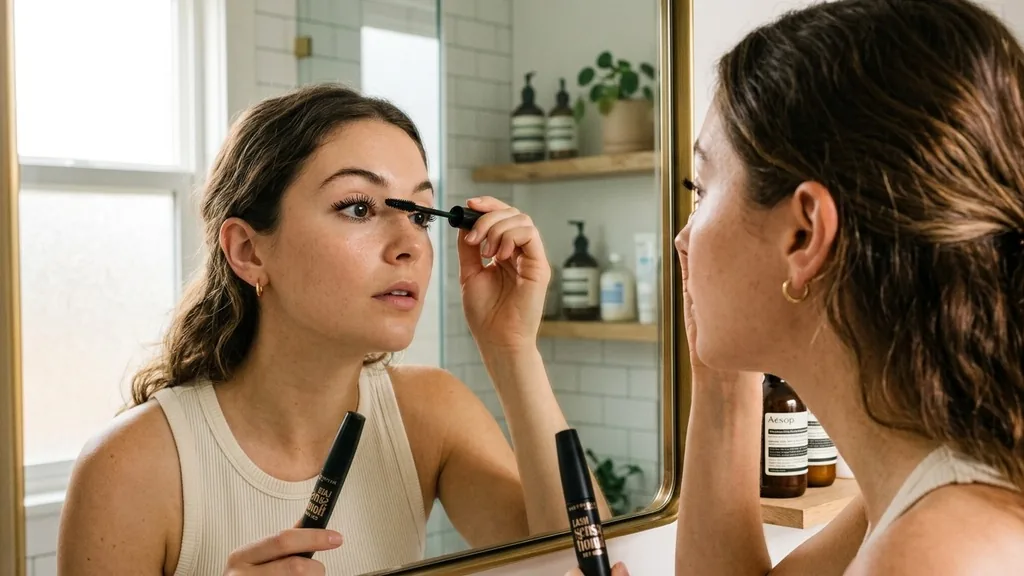
The primary reason for the three months replacement cycle is the chemical stability and microbial safety of the product. Every time you pull the wand out of the tube and push it back in, you are effectively pumping air and potential contaminants into the container.
This process, often called “pumping,” accelerates the oxidation of the formula and introduces microscopic debris from the air and your skin into the product. Once the preservative system in the makeup begins to break down, it can no longer effectively neutralize the bacteria that inevitably find their way inside.
Many users assume that if the product still feels wet or looks like it is performing well, it is safe to continue using. However, visual cues are often deceptive. Pathogens like Staphylococcus epidermidis or Pseudomonas aeruginosa can thrive in aged mascara without changing the color or scent of the liquid.
By sticking to a strict three-month limit, you minimize the risk of transferring these pathogens directly to your lash line. If you notice the product becoming thick, clumpy, or developing an unusual odor before the three-month mark, you should discard it immediately. Protecting your eyes is far more important than finishing every last drop of a product.
The Biological Risks of Expired Eye Makeup
Your eyes lack the protective skin barrier that covers the rest of your body, making them uniquely susceptible to external irritants. When you apply makeup that has exceeded its shelf life, you are essentially applying a concentrated layer of microbes onto your lashes and the sensitive skin of your eyelids.
This can lead to conditions such as conjunctivitis, styes, or blepharitis. Blepharitis, in particular, is a chronic inflammation of the eyelids that can cause redness, swelling, and a gritty sensation.
Beyond infections, old formula can trigger contact dermatitis. Over time, the ingredients that keep the product stable—such as preservatives and stabilizers—can degrade, potentially becoming allergens. Even if you have used the same brand for years, an expired tube might cause a reaction that a brand-new one would not.
If you experience persistent itching, watering, or redness after applying your eye cosmetics, your first step should be to evaluate the age of the product. The American Academy of Ophthalmology provides extensive guidance on eye safety, emphasizing that clean tools and fresh products are the best defense against vision-threatening complications.
Identifying Signs of Product Degradation
While the calendar is your best tool for tracking safety, your senses can also act as a secondary defense. Even if you haven’t hit the three-month threshold, certain environmental factors—like keeping your makeup in a hot, humid bathroom—can cause the product to degrade much faster. High temperatures can break down the emulsifiers in the formula, causing the oils and pigments to separate.
Key Indicators Your Mascara Needs Replacing
- Texture Changes: If the liquid becomes thick, stringy, or starts to form hard clumps, the solvent has likely evaporated.
- Unusual Odor: A sharp, chemical, or “off” smell is a clear sign that the preservative system has failed and microbial growth is occurring.
- Flaking: If you notice significantly more fallout under your eyes throughout the day than when the product was new, it is a sign that the binders have compromised.
- Performance Decline: If the wand no longer coats your lashes evenly or the product feels dry during application, it is time to discard the tube.
- Color Shifts: Any unexpected change in the pigment or a “muddy” appearance indicates chemical instability.
Comparing Lifespans of Common Makeup Products
It is helpful to view your entire cosmetic collection through the lens of longevity. While mascara has the shortest lifespan due to its liquid nature and direct contact with the eyes, other products have varying requirements. Using this table as a quick reference guide can help you maintain a safer, more hygienic beauty routine.
| Product Category | Recommended Replacement Time | Primary Safety Concern |
|---|---|---|
| Mascara | 3 Months | Bacterial overgrowth in liquid |
| Liquid Eyeliner | 3 Months | Contamination of the applicator |
| Foundation (Liquid) | 6 to 12 Months | Oxidation and separation of oils |
| Powder Products | 18 to 24 Months | Surface contamination |
| Lipstick | 12 to 18 Months | Bacteria from oral contact |
Hygiene Habits to Extend Product Integrity
While you cannot avoid the three-month rule, you can certainly ensure your product remains safe for its entire intended duration by practicing good hygiene. Many people inadvertently shorten the life of their makeup by failing to follow basic handling protocols.
For instance, never share your eye products with others. Sharing introduces foreign bacteria into your tube that your eyes may not be accustomed to, significantly increasing the risk of infection.
Furthermore, always ensure your hands are clean before applying eye cosmetics. Even if you use a wand, your fingers often touch the applicator or the area around your eyes. Another common mistake is applying makeup in a moving vehicle.
Aside from the obvious risk of poking your eye with the wand, moving vehicles often expose your products to fluctuating temperatures and unsanitary conditions. Finally, always close your tube tightly after every use.
Leaving the cap loose allows air to enter, which dries out the formula and invites environmental contaminants. By treating your cosmetics with the same care you would apply to your skincare, you extend their functional life and protect your health.
Addressing Common Myths and Topical Gaps
There is a prevalent myth that high-end or expensive products contain better preservatives and therefore do not need to be replaced as often. This is false.
Regardless of the price point, the chemical nature of mascara—a water-based or oil-in-water emulsion—remains the same. In fact, some “clean” beauty brands that use natural, plant-based preservatives may actually require even more frequent replacement because their formulas are less resistant to microbial colonization.
Another point of confusion is whether you can sanitize your wand. While you can wipe a wand with alcohol, you cannot sanitize the inside of the tube. Once the brush goes back into the container, any bacteria picked up from your lashes are deposited into the bulk of the product.
There is no way to “clean” the liquid inside. Furthermore, many people ask if they should replace their mascara after recovering from an eye infection. The answer is a definitive yes.
You should discard any eye products used while you were symptomatic, as they are likely contaminated and will simply reinfect you. Taking this step is a small price to pay to ensure your recovery is permanent and to prevent the cycle of irritation from continuing.
The Impact of Application Techniques on Safety
The way you apply your product has a direct correlation with how long it stays safe. Many people develop a habit of “pumping” the wand to get more product on the bristles. This action pushes air into the tube, which dries out the formula and introduces airborne particles.
Instead, gently swirl the wand inside the container to pick up the product. This simple change in technique preserves the integrity of the emulsion and prevents the product from becoming prematurely clumpy.
Additionally, consider the state of your lashes before application. Applying makeup over residual oils, skin cells, or leftover product from the previous day can create a “sludge” that gets pulled back into the tube. Starting with a clean face is not just about aesthetics; it is a fundamental pillar of cosmetic hygiene.
If you wear contact lenses, be especially cautious. Your eyes are already more sensitive to irritation, and a stray fiber or a bit of contaminated mascara can easily get trapped behind a lens, leading to severe discomfort or corneal abrasions. By maintaining a clean application area and adhering to the three-month replacement schedule, you ensure that your beauty routine supports, rather than compromises, your ocular health.
Frequently Asked Questions
Is it really necessary to throw away mascara after three months if I have barely used it?
Yes, it is necessary. The expiration clock begins the moment you open the tube and expose the formula to air. Even if the product is nearly full, the preservative system is designed to handle only a limited amount of environmental exposure and microbial contact over that timeframe.
Can I use a different wand to make my mascara last longer?
While using disposable wands can prevent you from contaminating the tube with your own lashes, it does not stop the degradation of the formula itself. The product inside is still exposed to air and potential moisture every time you open it, so the three-month limit remains the standard.
Does applying mascara to lower lashes increase the risk of infection?
Applying products to lower lashes can bring the formula closer to the tear duct and the sensitive inner rim of the eye. While it does not inherently increase the “speed” of expiration, it does make your eyes more vulnerable to irritation if the product is old or contaminated.
What should I do if I accidentally use my mascara after it has expired?
Do not panic, but monitor your eyes closely for the next 48 hours. If you notice any redness, itching, discharge, or pain, discontinue use immediately and consult an eye care professional. If you feel fine, simply discard the old product and purchase a fresh one to avoid further risk.


