

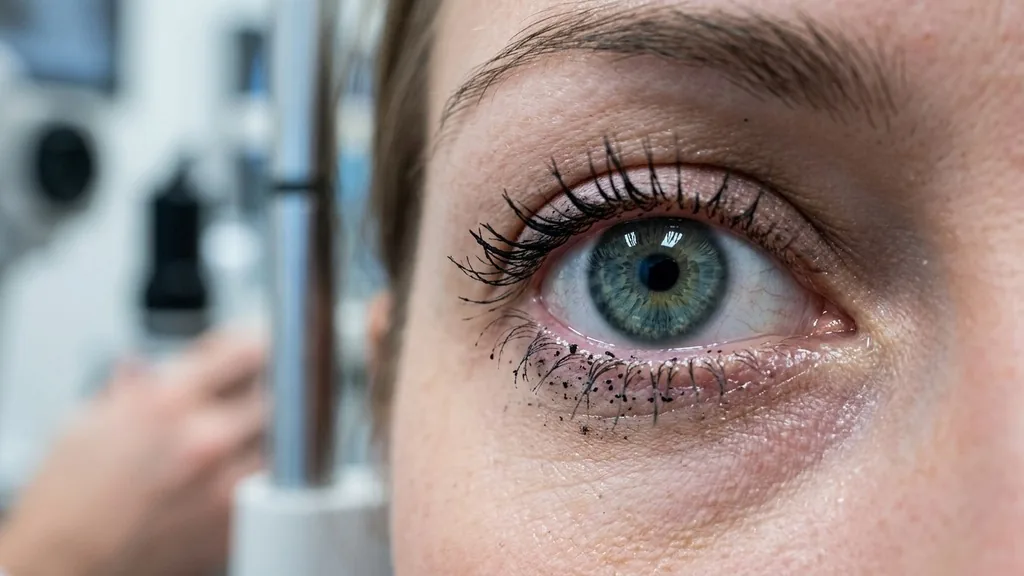
Many patients wonder, “can i wear mascara to an eye exam” when they are preparing for their annual vision screening or a comprehensive health evaluation. While it might seem like a minor detail in your daily beauty routine, the state of your eyes during an appointment can significantly impact the accuracy of your clinical results. In most professional settings, optometrists and ophthalmologists prefer that you arrive with a clean face, free of cosmetic products, to ensure the most efficient and precise assessment of your ocular health.
When you visit an eye doctor, the primary objective is to obtain a clear, unobstructed view of your cornea, eyelids, and the internal structures of your eye. Mascara, by its very nature, is designed to coat, thicken, and darken eyelashes.
Because these lashes sit directly in front of the ocular surface, any residue, flakes, or smudges from your makeup can easily migrate into the eye during testing. This can lead to misleading readings, irritation, or the need to remove the makeup on-site, which consumes valuable time during your scheduled slot.
Why Avoiding Mascara Matters for Diagnostic Accuracy
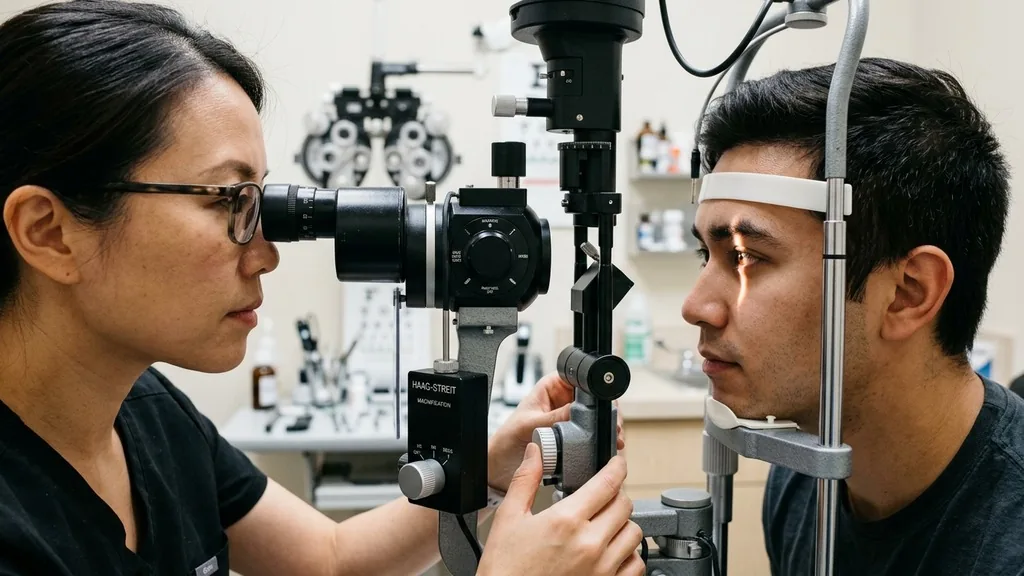
The integrity of your eye exam depends on the clarity of your ocular surface. When you wear mascara, you introduce foreign substances in close proximity to the tear film. The tear film is a delicate, multi-layered liquid coating that protects the cornea and provides the refractive surface necessary for clear vision.
If particles of mascara flake off—which is common throughout the day—they can contaminate the tear film. This contamination often results in “debris” that the doctor sees through the slit lamp, a high-powered microscope used to examine the front of the eye.
Furthermore, if you are undergoing a refraction test—the part of the exam where you read letters on a chart to determine your prescription—any irritation caused by makeup can induce tearing or excessive blinking. These natural reflexes alter the way light enters your eye, making it difficult for the doctor to determine your true refractive error.
Accuracy is the hallmark of a successful appointment; therefore, minimizing variables that could cloud the doctor’s view or distract you from focusing on the eye chart is essential. By arriving without mascara, you eliminate the risk of interference and allow the practitioner to focus entirely on your vision and eye health, rather than managing cosmetic residue.
The Impact of Eye Makeup on Specialized Testing
Beyond basic vision checks, certain specialized tests require an exceptionally clean ocular environment. If your doctor plans to perform a contact lens fitting, for example, the presence of makeup is particularly problematic. Contacts are medical devices that rest directly on the cornea.
If there is residual mascara on your lashes or lid margins, it can easily transfer to the lens during insertion or removal. This not only makes the lens uncomfortable but can also lead to the trapping of bacteria or chemicals against the corneal surface, increasing the risk of infection or inflammation.
Another critical scenario is when you undergo pupil dilation. During this process, the doctor administers medicated drops to widen your pupils, allowing for a thorough examination of the retina and optic nerve. These drops can cause temporary light sensitivity and increased tear production.
If you have heavy eye makeup on, the moisture from the drops can cause the product to run or smudge, potentially getting into the eye and causing a stinging sensation. This reaction is not only uncomfortable but can also make it difficult to keep your eyes open for the necessary imaging or examination procedures.
| Procedure Type | Makeup Sensitivity | Risk Level |
|---|---|---|
| Routine Vision Check | Low | Minimal interference, but potential for chart distraction |
| Contact Lens Fitting | Very High | High risk of contamination and lens discomfort |
| Dilated Eye Exam | High | Increased risk of smudging and stinging from drops |
| Glaucoma Screening | Moderate | Potential for interference with pressure measurement |
Managing Contact Lenses and Cosmetics
If you are a regular user of contacts, your appointment prep involves more than just addressing your mascara habits. Many patients ask whether they should wear their lenses to the office.
Generally, it is best to bring your current pair in their case and arrive wearing your glasses, or be prepared to remove your lenses upon arrival. When you combine contact lens wear with eye makeup, you create a complex environment for your eyes.
When you wear contacts, you are already modifying the surface of your eye. If you add mascara to this mix, the risk of “makeup-related keratoconjunctivitis” or other forms of ocular surface irritation increases. This condition occurs when tiny particles of makeup get trapped between the lens and the cornea, causing redness, discomfort, and blurred vision.
During an exam, your doctor needs to assess the health of your cornea without the influence of these external factors. If you arrive wearing lenses and makeup, the doctor must spend time cleaning your eyes and potentially waiting for the irritation to subside before they can perform a proper assessment of your vision stability. For more information on maintaining ocular hygiene, you can visit the National Eye Institute to learn about standard eye care practices.
What to Do If You Must Wear Makeup
We understand that life is busy. Sometimes an appointment falls right in the middle of a workday or social event where you feel the need to look your best. If you find yourself in a situation where you simply cannot remove your makeup before arriving, there are several steps you can take to minimize the impact on your exam.
First, opt for “clean” or hypoallergenic products that are less likely to flake or run. Waterproof formulas, while often harder to remove, tend to stay in place better than standard formulas, though they can still pose a challenge for the doctor.
If you must wear eye makeup, bring a small pack of oil-free makeup remover wipes or a gentle cleanser with you. Inform the receptionist or the technician at the start of your appointment that you are wearing makeup and ask if they would like you to remove it. Most offices have a designated area where you can wash your face.
Being proactive about this shows respect for the technician’s time and ensures that the exam proceeds smoothly. Do not wait for the doctor to point out the makeup; addressing it immediately demonstrates that you understand the clinical necessity of a clean eye surface.
Common Topical Gaps: Addressing Misconceptions
A common point of confusion is whether “natural” or “organic” makeup is safer for eye exams. While these products are often better for your skin, they can still contain oils and pigments that, if they enter the eye, can blur your vision or interfere with the doctor’s ability to use diagnostic equipment like an autorefractor. The machine uses infrared light to measure how light changes as it enters your eye; if there is a film of oil or makeup particles on the tear film, the machine may produce an inaccurate reading.
Another gap in common knowledge is the role of the eyelid margin. The edges of your eyelids contain tiny glands called Meibomian glands, which produce the oil necessary to keep your tears from evaporating. Mascara and eyeliner are often applied directly to this area, which can block these glands.
During your exam, the doctor may be looking for signs of dry eye or Meibomian gland dysfunction. If you have thick layers of makeup covering these glands, the doctor might misinterpret the state of your ocular health or struggle to perform a proper assessment of your lid margin. Therefore, skipping makeup entirely is always the superior choice for a comprehensive clinical evaluation.
Best Practices for Your Next Appointment
To ensure you get the most out of your visit, consider the following checklist for your next eye health check-up. These steps are designed to streamline your appointment and provide your doctor with the most accurate data possible:
- Schedule your appointment at a time when you do not feel the need to be fully made up, such as early in the morning or on a day off.
- Avoid using heavy creams or serums around the eyes on the morning of your exam, as these can migrate into the eye and cause temporary blurring.
- If you wear contact lenses, bring your glasses and a storage case so you can remove your lenses if requested.
- Be prepared to discuss your current eye care routine, including the types of makeup or facial products you use regularly.
- If you experience any specific symptoms like itching, burning, or redness, be ready to describe these without the influence of fresh makeup.
By following these simple guidelines, you help your eye doctor perform their job with maximum efficiency. An eye exam is a medical procedure, and like any other medical visit, arriving in a state that allows for clear, unobstructed observation is in your best interest.
Whether it is your first exam or a routine follow-up, your cooperation in keeping your eyes free of cosmetics contributes directly to the quality of care you receive. Remember that your vision is precious, and every small step you take to facilitate a better exam is a step toward maintaining long-term ocular health.
Frequently Asked Questions
Is it okay to wear eyeliner if I don’t wear mascara?
It is generally recommended to avoid all eye makeup, including eyeliner, before an exam. Eyeliner is applied directly to the lash line, which is the most critical area for the doctor to examine for signs of gland blockage or inflammation. It is best to arrive with a clean face.
Will my eye exam take longer if I wear makeup?
Yes, wearing makeup can potentially prolong your appointment. If the doctor or technician determines that your makeup is interfering with the testing equipment or the view of your cornea, you will likely be asked to remove it, which adds time and may delay your scheduled procedures.
Can I wear foundation or concealer to my appointment?
While facial makeup like foundation is generally less problematic than eye-specific products, it is still best to keep the area around your eyes clean. Creams and powders can accidentally transfer to the equipment or into your eyes during the exam, so keeping the eye area completely bare is the safest approach.
What if I forget and arrive wearing makeup?
Do not worry if you forget. Simply inform the staff as soon as you arrive. Most offices are well-prepared for this and will provide you with a mirror and makeup remover so you can clean your eyes before the testing begins. Honesty with your doctor is always the best policy.


