

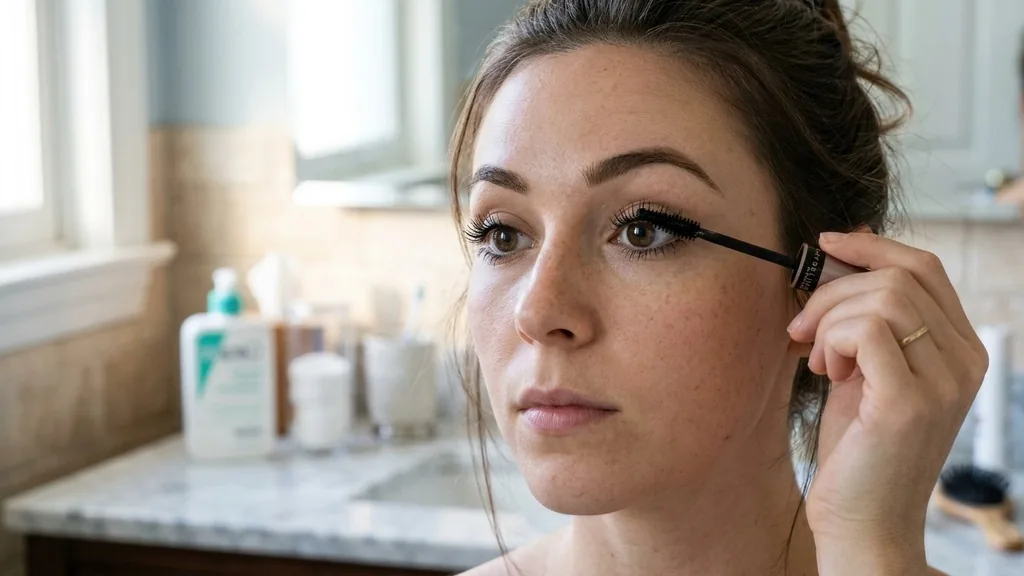
Many people invest in high-quality eyelash extensions to save time on their morning beauty routine, aiming to wake up with a voluminous, fluttery look that requires zero maintenance. However, as the days go by and the natural shedding process occurs, those once-perfect fans might start to look a little sparse. This often leads to the burning question: can you put mascara on lash extensions?
The short answer is that while you technically can, it is generally discouraged by professional lash artists. Applying makeup to your extensions can compromise the integrity of the adhesive bond, lead to premature fallout, and make the cleaning process significantly more difficult.
When you decide to wear mascara over your extensions, you are introducing foreign substances—waxes, oils, and pigments—into the delicate architecture of your lash set. Extensions are designed to mimic the appearance of mascara-coated lashes without the actual product.
By layering additional makeup on top, you risk creating a clumpy, uneven texture that looks far less natural than the clean, defined look your technician initially provided. If you find yourself constantly reaching for your makeup bag, it might be a sign that you are due for a “fill” appointment rather than a quick fix with a mascara wand.
Why Standard Mascara Harms Your Lash Extensions
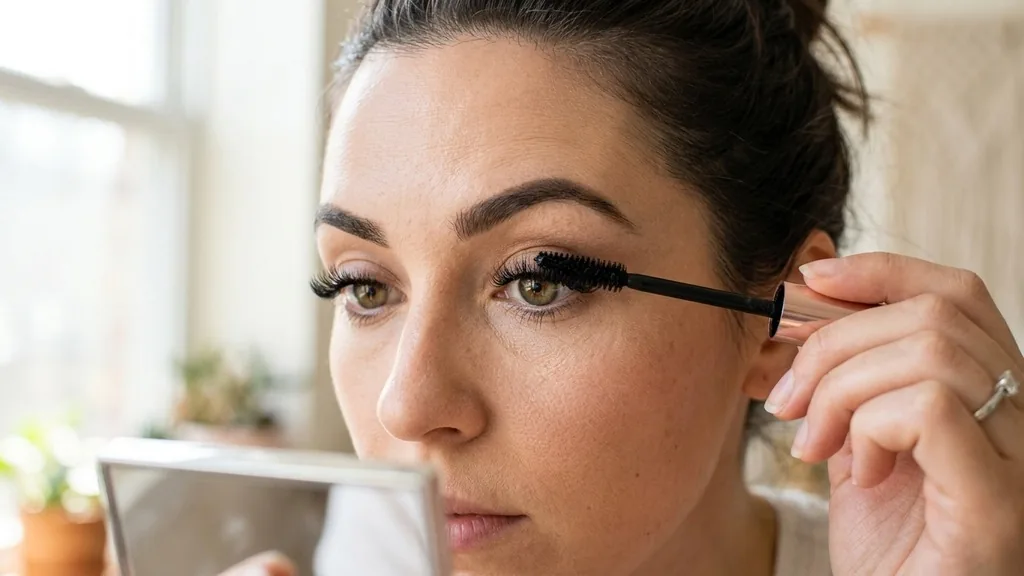
The primary reason most professionals advise against using traditional makeup on lash extensions is the composition of the product itself. Most conventional mascaras are formulated with oils, glycols, and carbon black that are designed to cling to the natural lash cuticle.
When these ingredients come into contact with the surgical-grade cyanoacrylate adhesive used to attach your extensions, they can act as a solvent. Over time, the oils break down the bond, causing the extensions to slip off your natural lashes much faster than they would otherwise.
Furthermore, the physical act of applying and removing mascara puts significant stress on the extensions. Standard mascara formulas harden as they dry, making the lashes brittle. When you attempt to remove this hardened product, you are often forced to rub or scrub the eye area.
This mechanical friction is the enemy of long-lasting extensions. Even if you are gentle, the fibers of a cotton pad or the bristles of a spoolie can snag on the base of the extensions, leading to twisting, tangling, or premature shedding.
Another critical factor to consider is hygiene. Extensions are porous, and when you layer mascara on top, you create a breeding ground for bacteria. Because it is notoriously difficult to thoroughly clean the base of the lash line without disturbing the glue, residue from the mascara can build up over time.
This buildup, often referred to as “lash crust,” can lead to irritation, itching, or even eye infections like blepharitis. Maintaining a sterile environment around your eyes is paramount, and introducing makeup makes that maintenance routine much more complex.
Identifying Safe Alternatives for Lash Enhancement
If you find that your current set of lashes is not providing the level of drama you desire, you do not necessarily have to reach for a heavy, oil-based mascara. Instead, you should explore safer alternatives that won’t jeopardize your investment. The most common recommendation is to use a specially formulated water-based mascara.
Unlike traditional options, these products are designed specifically for those with eyelash enhancements. They are free from the heavy oils that dissolve glue and are generally easier to remove with a simple, gentle cleanser.
When looking to find a suitable product, always check the ingredient label. Avoid anything containing propylene glycol, beeswax, or mineral oils, as these are known to damage the bond of your extensions. A high-quality oil-free mascara will provide the added darkness and definition you crave without the risk of creating a clumpy mess.
However, even with these specialized products, you must be extremely selective about where you apply the makeup. Never coat the entire length of the extension; instead, focus only on the very tips of the lashes to add a bit of extra color.
It is also worth noting that some lash artists offer a service called a “lash tint” or a “lash bath” to help refresh the look of your set. If you are unhappy with the density of your current volume set, talk to your technician about switching to a different style or density at your next appointment.
Sometimes, the issue isn’t that you need more makeup, but that your current lash map no longer suits your aesthetic preferences. Adjusting the curl, length, or diameter of the extensions during a refill can provide a much more long-term solution than relying on daily mascara applications.
The Proper Way to Clean Lashes with Makeup Residue
If you have already applied mascara to your extensions, panic is not necessary, but you must change your aftercare routine immediately. You cannot simply use a standard makeup wipe or a micellar water containing oil to remove the product. You need a dedicated lash shampoo or a pH-balanced foaming cleanser that is safe for eyelash extensions.
Using the right tools is just as important as using the right product. A soft, fluffy eyeshadow brush is the best tool for the job.
To clean your lashes effectively, apply a small amount of your cleanser to the brush and gently work it through the lashes in a downward motion. Do not rub side-to-side, as this will cause the extensions to cross over one another and tangle.
Once you have gently agitated the makeup, rinse your eyes thoroughly with lukewarm water. Pat the area dry with a lint-free towel or a clean paper towel—avoid cotton rounds at all costs, as the fibers will inevitably get caught in the lash line and create a messy, difficult-to-remove situation.
Consistency is key when it comes to hygiene. You should be cleaning your lashes daily, regardless of whether or not you have applied mascara. This practice prevents the natural oils produced by your skin from accumulating at the base of the extensions, which is the most common cause of premature lash loss.
By keeping the lash line clean, you ensure that the adhesive remains strong and that your natural lashes remain healthy enough to support the extensions for the full duration of their growth cycle. For more information on maintaining ocular health, you can consult the American Academy of Ophthalmology regarding eye makeup safety.
Comparing Traditional vs. Safe Lash Maintenance
To help you visualize why certain products and habits are preferred over others, the following table breaks down the differences in how various substances interact with your lash extensions.
| Feature | Standard Mascara | Water-Based Mascara | Professional Lash Cleanser |
|---|---|---|---|
| Oil Content | High (Damaging) | None | None |
| Ease of Removal | Difficult/High Friction | Moderate | Very Easy |
| Adhesive Impact | Weakens Bond | Neutral | Safe/Strengthening |
| Hygiene Level | Low (Builds up) | Moderate | High |
As shown in the table, the goal is always to minimize friction and avoid oil-based ingredients. While a water-based mascara is a middle-ground solution, nothing beats a proper professional lash cleanser for maintaining the longevity of your set.
If you are struggling with poor retention, the first step is to eliminate any product that isn’t specifically labeled as being compatible with synthetic lashes. Many people find that once they switch to a proper cleaning routine, their need for extra mascara disappears entirely because their lashes look cleaner, fluffier, and more lifted on their own.
Addressing Common Misconceptions and Topical Gaps
A frequent point of confusion for new clients is the distinction between “lash extensions” and “lash lifts.” While both aim to enhance the eyes, they are entirely different processes. A lash lift is a chemical treatment performed on your natural lashes, similar to a perm.
Because there is no adhesive holding synthetic fibers to your own, you are generally free to use mascara on a lash lift once the initial 24-hour setting period has passed. However, applying heavy mascara to a lift can still weigh the curl down, making it lose its shape faster than it would with minimal product.
Another common question concerns “cluster lashes” or “DIY lash extensions.” These are often applied with a different type of glue—sometimes a strip lash adhesive or a semi-permanent DIY bond. If you are using these at-home kits, the rules are different.
Because these lashes are meant to be removed frequently, you might be tempted to use mascara to blend your natural lashes with the clusters. Be warned: mascara will make cluster lashes clump together, making them impossible to clean and likely leading to the clusters falling off within 24 to 48 hours.
Finally, there is the issue of “waterproof” mascara. Never, under any circumstances, use waterproof mascara on any type of lash extension. Waterproof formulas rely on heavy waxes and silicone-based polymers that are nearly impossible to remove without oil-based removers.
Using these products is a guaranteed way to ruin your extensions in a single application. If you feel you must wear mascara, stick to water-soluble, water-based formulas and treat your eyes with the same level of care you would provide to a delicate piece of jewelry.
When to Replace Your Extensions Instead of Masking Them
If you find yourself constantly asking can you put mascara on lash extensions because you are unhappy with how your set looks, it is time to have an honest conversation with your lash artist. Extensions have a natural lifespan; as your own lashes grow, the extensions move further away from the lash line, causing the set to look “grown out” or droopy.
No amount of mascara can fix the structural issue of a lash that has grown out too far. In fact, adding weight to a grown-out extension can cause it to twist, which is not only unattractive but can also put unnecessary strain on your natural hair follicle.
Instead of trying to mask the growth with mascara, consider scheduling more frequent fills or opting for a style that grows out more gracefully. For example, a “natural” set with a shorter length may stay looking tidy for longer than a dramatic “mega-volume” set.
If you are nearing the end of your set’s life, the best course of action is to schedule a removal or a full set replacement. Attempting to get “one more week” out of your lashes by piling on makeup usually results in a messy aesthetic and potential damage to your natural lashes.
Ultimately, the beauty of having lash extensions is the freedom they provide. By investing in high-quality application and following a diligent cleaning routine, you can enjoy a consistent, beautiful look without the need for daily makeup applications. If you find you still crave the extra intensity of mascara, discuss this with your technician.
They may be able to incorporate darker, thicker, or more curled extensions into your next set to achieve the desired effect without the need for additional products. Your natural lashes will thank you for the break, and your eyes will look consistently stunning without the risk of clumping, irritation, or premature loss.
Frequently Asked Questions
- Can I use mascara on my lash extensions if I only apply it to the tips? Yes, you can apply a water-based mascara to the tips of your extensions, but it is risky. It can cause clumping and make the lashes look heavy. Always ensure the formula is oil-free to avoid dissolving the glue bond.
- What is the best way to remove mascara from lash extensions? Use a dedicated, oil-free lash shampoo and a soft, clean eyeshadow brush. Gently brush the cleanser through the lashes in a downward motion, rinse with lukewarm water, and pat dry with a lint-free cloth. Never scrub or rub your eyes.
- Why do my extensions fall out faster when I wear makeup? Mascara contains waxes and oils that break down the adhesive bond. Additionally, the physical act of applying and removing makeup creates friction, which pulls on the extensions and causes them to detach from your natural lashes prematurely.
- Is it safe to use waterproof mascara on lash extensions? No, you should never use waterproof mascara. These formulas require oil-based removers to dissolve, which will instantly break the adhesive bond of your extensions. Stick to oil-free, water-based mascaras only if absolutely necessary, or avoid mascara entirely.


