

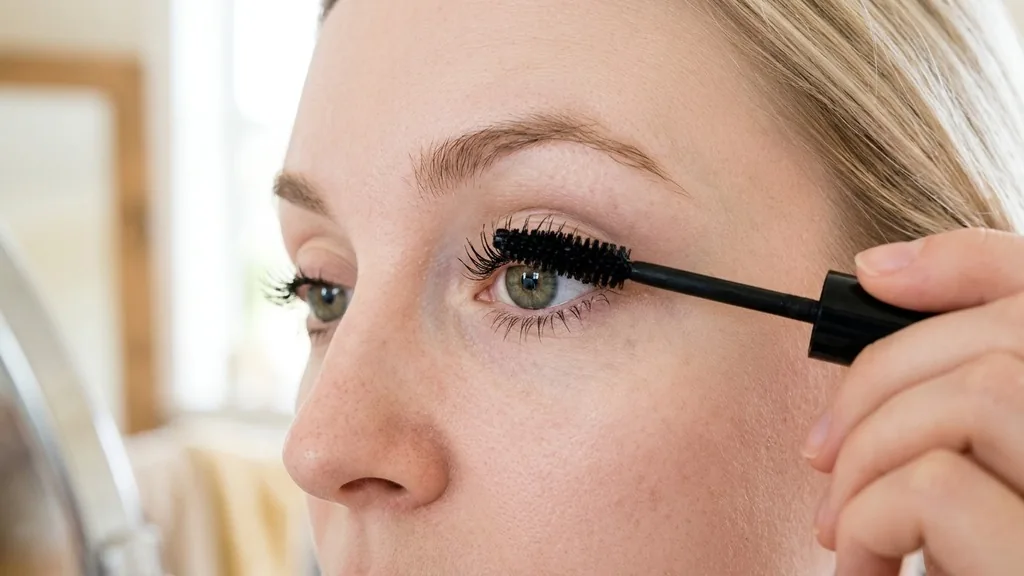
Choosing the right makeup shade for your lashes can dramatically shift the focus of your face, yet many people default to standard black without considering how other pigments might enhance their natural features. When you ask yourself what color mascara should I use, the answer often lies in the delicate interplay between your iris color, skin undertone, and the specific look you want to achieve for the day. While black remains the industry standard for high-contrast, dramatic results, the world of beauty has expanded to include sophisticated brown, navy, plum, and even forest green options that can make your eyes appear brighter, larger, or more defined.
Understanding the Impact of Pigment on Lash Definition
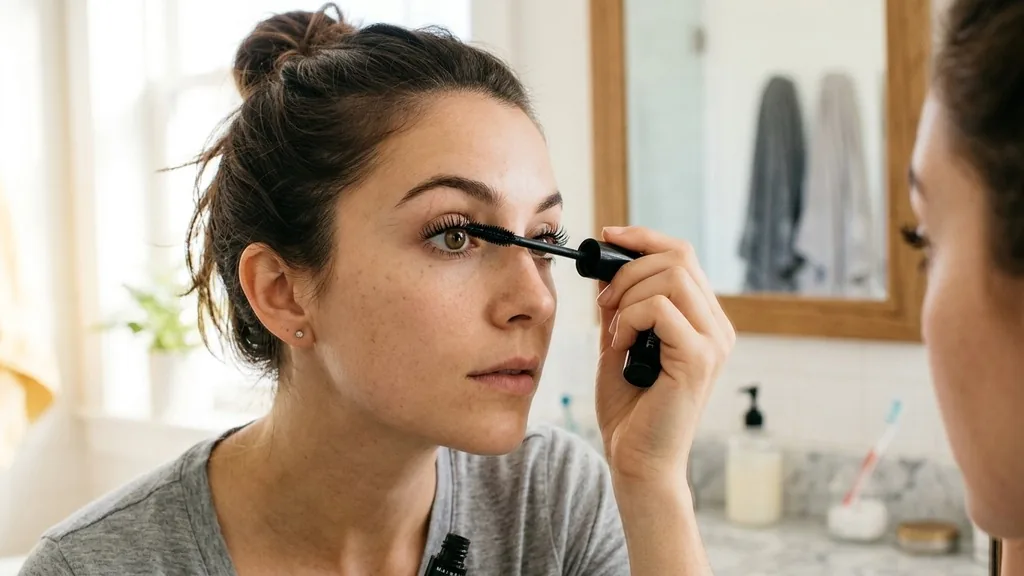
The primary function of mascara is to darken, thicken, and define the eyelashes, but the specific hue you select changes how light reflects off your eyes. Black mascara contains high concentrations of carbon black or iron oxides, providing the deepest possible contrast against your skin.
This creates a frame for the eyes that mimics the look of eyeliner, which is why it is the go-to for evening events or professional settings where you want maximum impact. However, the intense darkness of black can sometimes appear harsh against very fair skin or light-colored lashes, leading to a “heavy” look that doesn’t always flatter.
In contrast, brown mascara offers a softer approach. By reducing the intensity of the pigment, it allows the natural light within your eyes to remain the focal point rather than the lashes themselves.
This is particularly effective for those with lighter complexions, blonde or red hair, or anyone aiming for a “no-makeup” makeup aesthetic. When you choose a shade like a deep chocolate or mocha, you still get the lengthening benefits of formulas like Maybelline Lash Sensational, but with a diffused edge that looks incredibly natural under daylight.
Matching Mascara Shades to Your Specific Eye Color
Color theory is the secret weapon of professional makeup artists, and it works just as well for your lashes as it does for your eyeshadow. The goal is to choose a color that creates a subtle contrast or highlights the flecks of color within your iris.
If you have blue eyes, for example, warm tones like bronze, copper, or even deep plum can make the cool tones of your iris pop. If you have green eyes, purples and burgundies are widely considered the best colored options because they sit opposite green on the color wheel, creating a vibrant, complementary effect.
For those with brown eyes, the world is your oyster. Because brown is a neutral base, you can get away with almost any shade.
Deep navy blue mascara can make the whites of your eyes appear brighter, while forest green can bring out the hidden amber or gold tones in a dark brown iris. If you are ever unsure, sticking to the standard rule of “complementary colors” will guide you toward the right choice.
| Eye Color | Best Mascara Color | Resulting Effect |
|---|---|---|
| Blue | Navy or Bronze | Makes blue look brighter and more intense |
| Green | Plum or Burgundy | Enhances the green tones and adds warmth |
| Brown | Navy or Deep Green | Brightens the whites and highlights golden flecks |
| Hazel | Olive or Dark Brown | Brings out the gold and green transitions |
Why Brown Mascara Is a Must-Have for Daily Wear
Many people ignore brown mascara, viewing it as a “beginner” product, but it is actually a sophisticated tool for everyday makeup routines. If you are wondering what color mascara should I use for a long workday or a casual brunch, brown is almost always the superior choice.
It provides enough definition to make your eyes look awake and polished without the starkness of black. When you use a formula known for lengthening, such as a sky high variant, the brown pigment ensures the lashes look long and fluttery rather than blocky or artificial.
Furthermore, brown is far more forgiving than black. If you have a shaky hand or are applying makeup in a hurry, brown mascara is less likely to show smudges or uneven application.
It blends more seamlessly with your natural lash color, especially if your lashes are naturally light or thin. By transitioning to a softer brown, you can often achieve a youthful, fresh-faced look that is difficult to replicate with high-pigment black formulas.
Addressing Topical Gaps: Mascara for Mature Eyes
A common concern that often goes unaddressed is how mascara choice changes as we age. As skin loses elasticity and the natural pigment in our lashes may fade, heavy, clumpy black mascara can emphasize fine lines or make the eyes appear tired.
If you are concerned about your lashes looking brittle or sparse, the texture and color are equally important. For mature eyes, I recommend switching to a high washable formula that doesn’t require aggressive scrubbing to remove.
Regarding color, avoid “inky” blacks that can look heavy. Instead, opt for a “soft black” or a deep, dark brown. These shades offer enough contrast to define the lash line without creating a harsh border that highlights wrinkles around the eyes.
Additionally, focus on formulas that include conditioning ingredients like oils or waxes. When your lashes are nourished, they appear thicker and healthier, making the color you choose look more vibrant and intentional. If you have been using the same black tube for years, testing a brown-black shade can be a transformative experience for your overall face shape and presentation.
The Role of Formula and Wand Technology
The color of the pigment is only half the battle; the delivery system is what truly defines your look. When you are looking for the best colored options, you will find that many are integrated into popular product lines like sensational sky or other high-performance collections.
These formulas are designed to grip every lash, ensuring that the pigment is distributed evenly from root to tip. A great mascara should be able to build volume without flaking, regardless of whether it is blue, black, or brown.
When selecting your mascara, consider the wand type:
- Plastic molded wands with short bristles are excellent for separating lashes and preventing clumping, which is essential if you are using colored mascara that might show buildup.
- Natural fiber brushes are better for depositing large amounts of pigment, which is ideal if you want a bold, dramatic look with your chosen color.
- Curved wands help lift the lashes, opening up the eye area significantly.
- Tapered wands are perfect for reaching the tiny, hard-to-access lashes in the inner corners of the eyes.
By combining the right color with the right applicator, you ensure that your lashes look intentional rather than messy. If you experiment with colored mascara, always ensure the formula is fresh; colored pigments can sometimes show signs of separation or clumping faster than standard black, so keep an eye on the expiration date.
When to Break the Rules and Go Bold
While neutral tones have their place, there are moments when you should absolutely embrace color. Fashion trends often dictate that neon or vibrant blue lashes can be a standout feature, especially at events or during summer months. If you have a neutral outfit and want your eyes to be the centerpiece, a bright navy or even a deep forest green can serve as an accessory in its own right.
The key to pulling off bold colors is to keep the rest of your makeup understated. If you are wearing bright blue lashes, skip the heavy eyeshadow and opt for a clean, dewy complexion with a neutral lip. This allows the mascara to act as a point of interest without overwhelming your features.
Remember that the “best” choice is the one that makes you feel confident. If you find that a deep plum makes you feel more creative and expressive, that is the correct choice, regardless of what traditional color theory suggests.
FAQ: Common Questions About Choosing Mascara
Is brown mascara better than black for everyday wear?
Brown mascara is generally considered better for daily wear because it provides a softer, more natural look that doesn’t appear as harsh as black. It is particularly effective for those with fair skin or light-colored lashes, as it defines the eyes without overwhelming the face.
Does colored mascara actually change the look of my eyes?
Yes, colored mascara can subtly shift the appearance of your iris color. By using a complementary shade—such as plum for green eyes or navy for brown eyes—you can brighten the whites of your eyes and bring out hidden flecks of color within your iris.
Can I wear colored mascara if I have sensitive eyes?
You can wear colored mascara if you have sensitive eyes, provided you choose high-quality, ophthalmologist-tested formulas. Always check the ingredient list for potential irritants and ensure the mascara is easy to remove with a gentle cleanser to avoid rubbing or pulling on the delicate eye area.
How do I know when to replace my mascara?
You should replace your mascara every three months to prevent the growth of bacteria and ensure the formula remains effective. If you notice the product has become dry, clumpy, or has an unusual scent before the three-month mark, it is time to discard it immediately.


