

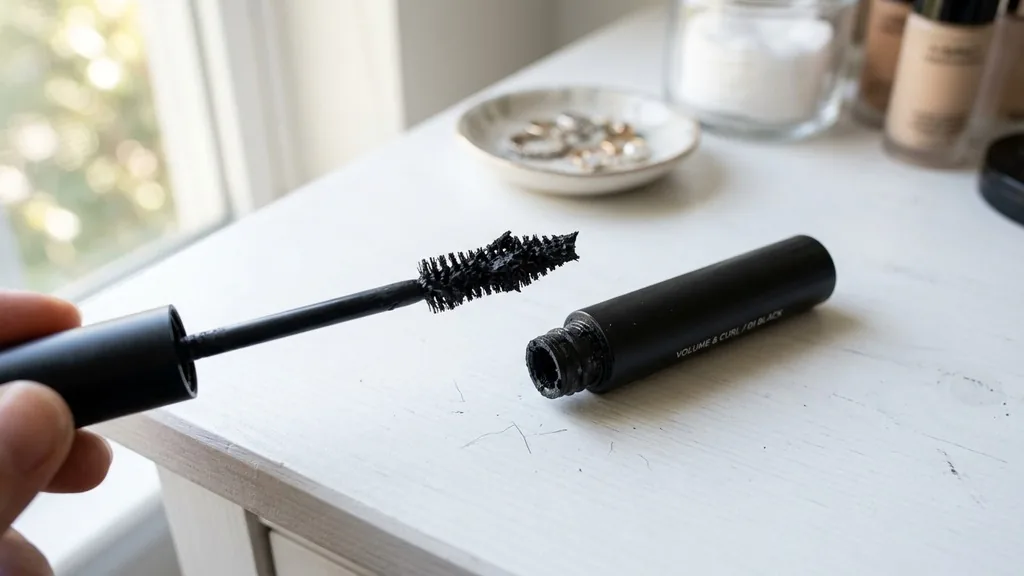
Discovering that your favorite tube of mascara has become thick, dry, or spider-leg inducing is a common frustration for anyone who wears eye makeup. Learning how to fix clumpy mascara can save you from a morning makeup disaster and extend the life of your beauty products significantly.
When mascara begins to clump, it usually signals that the solvent—the ingredient responsible for keeping the formula creamy—has started to evaporate, often due to air exposure or age. Instead of tossing it in the trash, there are several effective, professional-grade techniques you can use to restore the desired consistency and achieve that smooth, fanned-out lash look once again.
Understanding Why Your Mascara Turns Clumpy
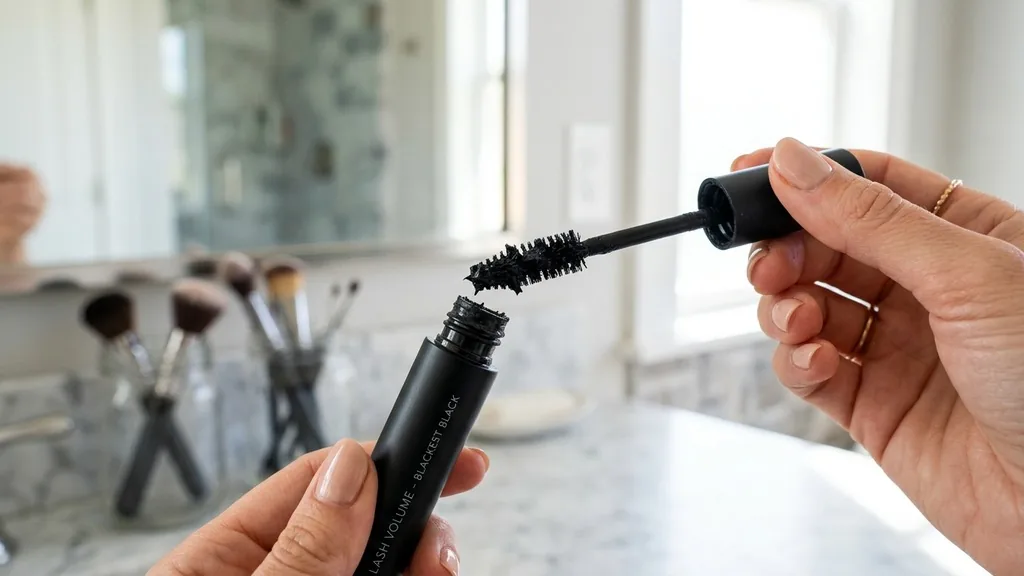
To effectively address the issue, you must first understand the chemical environment inside your makeup tube. Mascara is a complex emulsion of waxes, pigments, oils, and solvents. When you pull the mascara wand out of the tube, you introduce oxygen into the container.
Over time, this exposure causes the volatile components of the formula to evaporate, leaving behind a higher concentration of wax and pigment. This imbalance creates the dreaded clumpy mascara texture that makes application uneven and difficult to control.
Beyond simple evaporation, contamination plays a significant role. Every time you pump the wand in and out of the tube—a common habit many people have—you force air into the chamber, accelerating the drying process. Furthermore, trace amounts of skin oils, bacteria, or old makeup particles can migrate into the tube, altering the chemical stability of the product.
Recognizing that the product is essentially a delicate balance of moisture and solids is the first step in troubleshooting. By identifying these root causes, you can adjust your application habits to prevent premature clumping while learning how to revive your current favorites.
Effective Methods to Thin Out Dried Formula
If you find that your mascara is too thick, there are several reliable ways to reintroduce moisture. The most popular and effective method involves using a few drops of saline solution or contact lens solution. Because these solutions are formulated to be sterile and safe for the eyes, they are the ideal choice for thinning out a formula.
Simply add two or three drops directly into the tube, insert the brush, and swirl it around gently to incorporate the liquid. Avoid shaking the tube vigorously, as this can create air bubbles that lead to further drying.
Another approach involves a warm water bath. Place the sealed tube in a cup of hot (not boiling) water for about five to ten minutes. The heat helps to soften the hardened waxes inside, making the formula more pliable and easier to apply.
This is a temporary fix that works wonders if you are in a rush and need to use your makeup immediately. Keep in mind that while these methods provide an excellent short-term solution, they do not replace the preservatives that have naturally degraded over time, so keep an eye on the texture and smell of the product to ensure it remains safe for use. For more information on maintaining beauty product hygiene, you can consult the FDA guidelines on eye cosmetic safety to ensure you are following best practices for your health.
Optimizing Your Application Technique
Often, the problem isn’t just the formula, but how it is being applied to your lashes. If you are struggling with clumping, your technique might be inadvertently dragging excess product onto the hairs. A professional makeup artist will tell you that less is almost always more.
When you remove the wand, wipe the excess off on the rim of the tube or a clean tissue before bringing it toward your eye. This prevents the “globbing” effect that occurs when too much heavy formula is deposited at the roots.
Additionally, how you move the brush matters. Instead of just pulling the wand straight up, use a gentle wiggling motion at the base of the lashes, then pull through toward the tips. This technique distributes the product evenly and separates the hairs as you go, creating a fanned-out effect rather than a heavy, stuck-together look.
If you notice the product building up too quickly, use a clean spoolie brush to comb through your lashes immediately after application while the mascara is still slightly wet. This small step can make a massive difference in achieving a polished, professional finish that highlights your eyes without the mess.
Comparing Revitalization Methods
Choosing the right method for your specific situation can help you get the best results without damaging the product. Use the table below to compare the most common techniques for handling a dried-out tube.
| Method | Best For | Effort Level | Longevity |
|---|---|---|---|
| Saline Drops | Quick fixes for dry formula | Low | Short-term |
| Warm Water Bath | Hardened wax/cold environments | Medium | Immediate |
| Oil-based drops | Extremely dry, thick formula | Low | Moderate |
| New Mascara | Expired or contaminated product | Zero | Long-term |
Preventative Habits to Keep Your Mascara Fresh
The best way to deal with clumpy makeup is to prevent the issue from happening in the first place. One of the most common mistakes is the “pumping” motion. Most people pump the wand in and out of the tube to get more product on the brush, but this actually forces air into the tube, which dries out the formula significantly faster.
Instead, gently swirl the wand inside the tube to coat the bristles. This simple change in habit can add weeks or even months to the life of your mascara.
You should also be mindful of how you store your products. Avoid keeping your makeup in the bathroom, where humidity and temperature fluctuations can degrade the formula. A cool, dry place is ideal.
Furthermore, always ensure the cap is screwed on tightly after every use. A loose cap is the fastest way for air to reach the formula and cause it to dry out.
If you find your mascara is consistently clumping within a few weeks, consider switching to “travel-size” tubes. These smaller containers are used up much faster, meaning the product has less time to sit and dry out before you finish it, ensuring a fresh application every single time.
When to Replace Your Mascara
While it is tempting to try and save every drop, there comes a time when you must prioritize safety over utility. Mascara has a relatively short shelf life compared to other cosmetics because it is used near the eyes, which are highly susceptible to infection. Generally, you should replace your mascara every three months.
If the product develops a strange odor, changes color, or begins to cause irritation, discard it immediately. No amount of thinning or fixing is worth the risk of an eye infection.
Signs that it is time for a new tube include:
- An unpleasant or “off” smell emanating from the tube.
- The product flakes off onto your cheeks throughout the day.
- The mascara has become thick and stringy despite your best efforts to thin it.
- You have recently recovered from an eye infection like conjunctivitis.
- The label has worn off, and you cannot remember when you opened it.
By keeping a sharpie or a small sticker on the bottom of the tube with the date you opened it, you can easily track when it is time to cycle out your old product. This discipline ensures that your makeup looks great and stays safe for your delicate eye area.
Addressing Topical Gaps: Advanced Troubleshooting
Many people ask if certain additives like eye drops or facial oils are safe to use. While saline is the standard recommendation, some people try to use facial oils or almond oil.
While these can soften the formula, they may also break down the water-resistant properties of your mascara, leading to smudging under the eyes. If you choose to use an oil, use only a tiny drop, and be prepared for the product to be less smudge-proof than it was originally.
Another common gap in knowledge is the difference between “new” and “old” clumping. If your new mascara is clumpy, it might be a manufacturing defect or a product that has been sitting on a shelf for too long. In this case, do not hesitate to return it.
You shouldn’t have to fix a product that you just purchased. However, if the clumping is happening because of your environment—such as a very dry climate—you may need to store your mascara in a sealed baggie or a slightly warmer room to keep the waxes at an ideal consistency. Understanding the environmental factors as well as the chemical ones allows you to be much more effective in managing your makeup collection.
Frequently Asked Questions
Can I use water to thin out my mascara?
It is generally not recommended to use tap water. Water can introduce bacteria into the tube, which can lead to eye infections. If you must add moisture, stick to sterile saline solution or contact lens solution, as these contain preservatives that help keep the formula safe.
Is it bad to use clumpy mascara?
Using clumpy mascara is mostly a cosmetic issue, but it can be a sign that the product is old or contaminated. If the mascara is flaking or causing eye irritation, it is definitely time to stop using it and replace the tube to protect your eye health.
How do I know if my mascara is expired?
Most mascaras have a shelf life of three to six months once opened. If the formula smells strange, has become excessively thick or stringy, or if the texture has separated into oily and solid parts, it has likely expired and should be thrown away immediately.
Does pumping the wand really make it clump?
Yes, pumping the wand is one of the primary causes of premature clumping. Every time you pump, you push air into the tube, which accelerates the evaporation of the solvents in the formula. Swirling the wand gently is a much better way to load the brush.


