

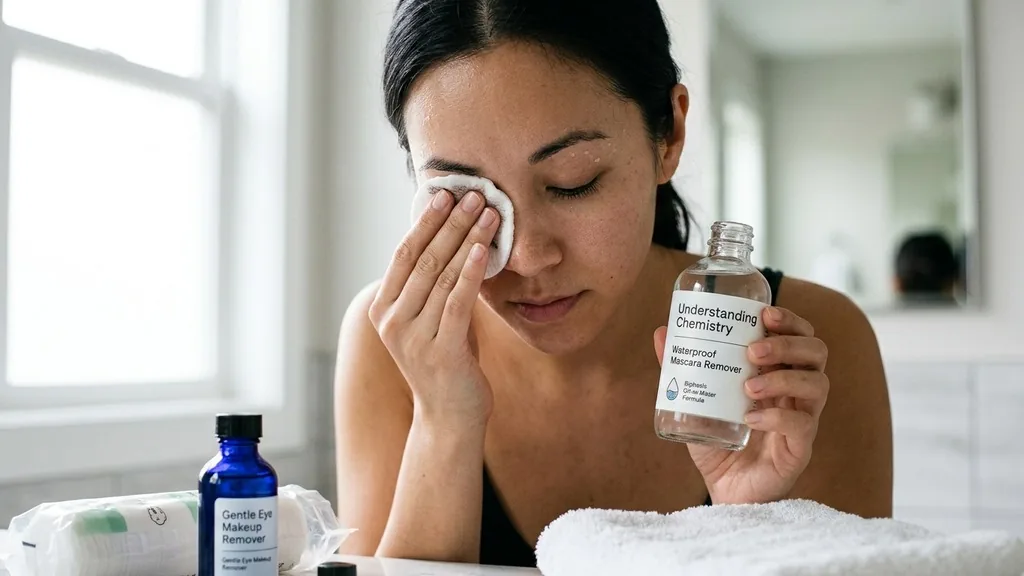
Removing stubborn, long-wear eye cosmetics can feel like a nightly chore, especially when you are trying to figure out how to get rid of waterproof mascara without damaging your delicate eye area. Most people struggle because they attempt to scrub away the product, which only leads to irritation, redness, and premature lash loss. The secret to success lies in understanding that waterproof formulas are designed to resist water; therefore, water-based cleansers are almost entirely ineffective.
To dissolve these pigments, you need a substance that breaks down the structural integrity of the polymers and waxes used in the mascara. By choosing the right solvent—whether it be a specialized oil or a high-quality balm—you can lift the product away with minimal friction, keeping your skin healthy and your eyelashes intact.
Understanding the Chemistry of Waterproof Mascara
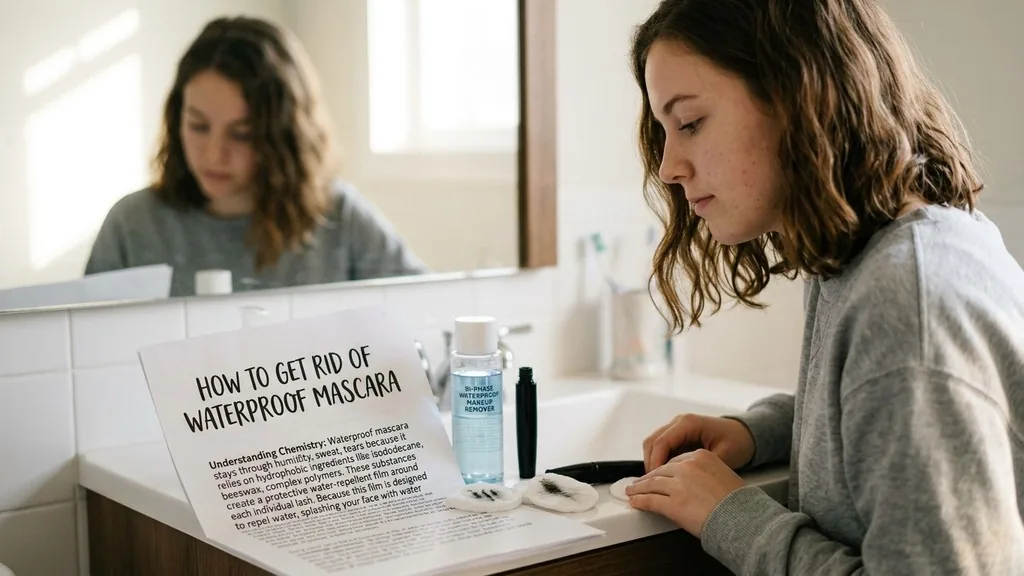
Waterproof mascara stays on through humidity, sweat, and tears because it relies on hydrophobic ingredients like isododecane, beeswax, and complex polymers. These substances create a protective, water-repellent film around each individual lash. Because this film is designed to repel water, splashing your face with standard face wash or tap water will simply cause the product to bead up rather than rinse away.
To effectively remove waterproof mascara, you must use a solvent that matches the lipid-based nature of the mascara’s ingredients. When you apply an oil-based product, the lipids in the cleanser interact with the waxes in the mascara, effectively loosening the bond between the makeup and the hair shaft. This process, known as emulsification, allows the makeup to slide off the lashes rather than being torn away through physical force.
The Role of Oil-Based Cleansing
Oil is the most efficient agent for dissolving the wax-based binders found in long-wear eye products. When you apply an oil to your lashes, it works by mimicking the oils naturally produced by your skin, which trick the waterproof polymers into breaking down. You do not need expensive, designer products to achieve this; many natural oils work perfectly well.
However, you must be careful to choose non-comedogenic oils if you are prone to breakouts. Common choices include jojoba oil, which closely resembles human sebum, or sweet almond oil.
When you use an oil-based makeup remover, you should apply it to a cotton pad or your fingertips and let it sit on the closed eyelid for at least thirty seconds. This “soaking” period is crucial, as it gives the oil enough time to penetrate the layers of mascara so that they can be wiped away in a single, gentle motion.
Using Micellar Cleansing Water for Sensitive Eyes
Micellar water has become a staple in modern skincare routines, particularly for those who find traditional heavy oils too greasy. These cleansers contain tiny spheres of oil molecules called micelles suspended in soft water. These micelles act like magnets, attracting dirt, sebum, and makeup pigments away from the skin.
While standard micellar water is excellent for light makeup, you must look for a bi-phase version specifically formulated for waterproof makeup. A bi-phase micellar water features an oil layer and a water layer that must be shaken together before use.
This combination provides the heavy-duty dissolving power of an oil while maintaining the lightweight, non-greasy finish of a water-based product. It is an ideal choice for anyone with sensitive eyes who wants to avoid the heavy residue left by pure oils or thick balms.
The Benefits of Cleansing Balms
Cleansing balms are solid at room temperature and melt into a luxurious, silky oil upon contact with the warmth of your skin. This format is highly popular because it is travel-friendly, less prone to spilling, and offers a controlled application process. When you use a balm to remove waterproof mascara, the texture allows for a gentle massage that helps break down every last trace of product without needing to pull or tug at the skin.
Many dermatologists recommend this method because it encourages a slow, deliberate cleansing ritual that protects the skin barrier. You apply a small amount of the balm to dry skin, massage it over the lashes, and then rinse with warm water. The balm emulsifies into a milky consistency that washes away cleanly, leaving your eyes feeling refreshed and hydrated rather than tight or dry.
Common Mistakes to Avoid During Removal
Even with the best products, many people accidentally harm their lashes by using improper technique. The most common error is rubbing the eyes in a horizontal back-and-forth motion. This action can lead to lash breakage and micro-tears in the delicate skin surrounding the orbital bone.
Instead, you should always use downward, sweeping motions that mimic the natural growth pattern of your lashes. Another frequent mistake is using a rough cotton pad or a synthetic washcloth that creates friction. Opt for soft, reusable bamboo rounds or microfiber cloths that provide a gentle surface.
Furthermore, never rush the process. If you find yourself scrubbing, it is a sign that the cleanser has not been allowed enough time to work. Patience is your best ally when dealing with resilient, long-wear formulas.
Comparison of Common Removal Methods
There are various ways to approach the task of cleaning your eyes, and each has its own set of advantages depending on your skin type and personal preference. The following table highlights the differences between the most effective methods for removing waterproof makeup.
| Method | Best For | Texture | Key Benefit |
|---|---|---|---|
| Bi-Phase Micellar Water | Sensitive eyes | Liquid | No oily residue |
| Cleansing Balm | Dry or mature skin | Solid to Oil | Hydrating and gentle |
| Natural Oil (e.g., Jojoba) | Minimalists | Oil | Pure, additive-free |
| Makeup Remover Wipes | Travel convenience | Pre-moistened | Quick and disposable |
Addressing Topical Gaps: Why Mascara Clings to Lashes
One common frustration is when mascara seems to “stubbornly” refuse to budge, even after using an oil cleanser. This usually happens for one of two reasons: either the mascara formula is exceptionally heavy in synthetic polymers, or there is a buildup of old product on the lashes. If you find that your mascara is not coming off, you may be suffering from “lash coating,” where layers of dried makeup have hardened over time.
To fix this, incorporate a lash comb into your routine to ensure you are only applying a thin, even layer of product each day. Additionally, check the expiration date of your mascara. As the formula ages, it thickens, making it significantly harder to remove at the end of the day.
Using a fresh tube and ensuring you are not layering too many coats will make your evening removal process much smoother. For more insight on eye safety and product ingredients, you can refer to the official guidelines on eye cosmetic safety provided by government health agencies.
Establishing a Gentle Nightly Routine
A consistent routine is the best way to ensure your lashes remain healthy over the long term. Start by tying back your hair so it doesn’t interfere with your cleansing. Apply your chosen remover to a soft cotton pad and press it firmly against your closed eyelid for thirty seconds.
This pressure allows the product to soak into the mascara without requiring any rubbing. Once the time is up, gently sweep the pad downward from the base of the lashes to the tips. If there is any mascara left at the lash line, use a cotton swab dipped in a small amount of oil to carefully clean the area.
After the mascara is removed, follow up with a mild foaming cleanser to remove any remaining oily residue from the skin. This double-cleansing method ensures that your pores remain clear while your lashes stay nourished and hydrated.
Natural Alternatives vs. Commercial Products
When you consider how to get rid of waterproof mascara, you might wonder if natural household items are as effective as store-bought solutions. While items like coconut oil are technically capable of breaking down waterproof wax, they are not always the best choice for everyone. Coconut oil, for instance, is highly comedogenic, meaning it can clog pores and lead to breakouts for those with oily or acne-prone skin.
Commercial makeup removers, while sometimes containing synthetic ingredients, are often pH-balanced specifically for the eye area. This balance is critical because the skin around the eyes is much thinner and more porous than the skin on the rest of your face. If you choose to use natural oils, stick to non-comedogenic options like jojoba or fractionated coconut oil, and always perform a small patch test on your inner arm to ensure you do not have an allergic reaction before applying the substance near your eyes.
Frequently Asked Questions
- Is it safe to use Vaseline to remove waterproof mascara? Yes, petroleum jelly is an effective solvent for waterproof mascara because it is lipid-based. However, it can be quite thick and difficult to rinse off completely, potentially leading to clogged pores or milia around the eyes if not followed by a proper cleanser.
- What can I use if I run out of makeup remover? If you are out of supplies, a small amount of olive oil, jojoba oil, or even a creamy facial moisturizer can effectively dissolve waterproof mascara. Apply it to your lashes, let it sit for a minute, and gently wipe away with a damp, warm cloth.
- Why does my waterproof mascara irritate my eyes after removal? Irritation is usually caused by excessive rubbing or using a product that contains harsh fragrances or alcohol. To avoid this, switch to a fragrance-free, oil-based remover and focus on letting the product do the work rather than using physical force to scrub the lashes.
- Should I remove waterproof mascara every single night? Absolutely. Leaving mascara on overnight can lead to lash breakage, eye infections, and clogged hair follicles at the lash line. Consistent removal is essential for maintaining the health of your eyelashes and preventing eye irritation caused by product buildup or flaking particles.
Maintaining healthy lashes while enjoying the benefits of long-wear makeup is entirely possible with the right approach. By understanding the chemical nature of your products and choosing a removal method that prioritizes the health of your skin, you can prevent the damage often associated with waterproof formulas. Remember that the goal is always to dissolve rather than scrub.
Whether you prefer the convenience of a bi-phase micellar water or the luxury of a cleansing balm, the key remains the same: give the product the time it needs to break down the wax, and your lashes will thank you for it in the long run. By following these professional-grade techniques, you can ensure that your makeup removal process is quick, effective, and completely stress-free. Avoid the temptation to pull at stubborn spots, and instead, trust in the science of emulsification to do the heavy lifting for you every single night.


