

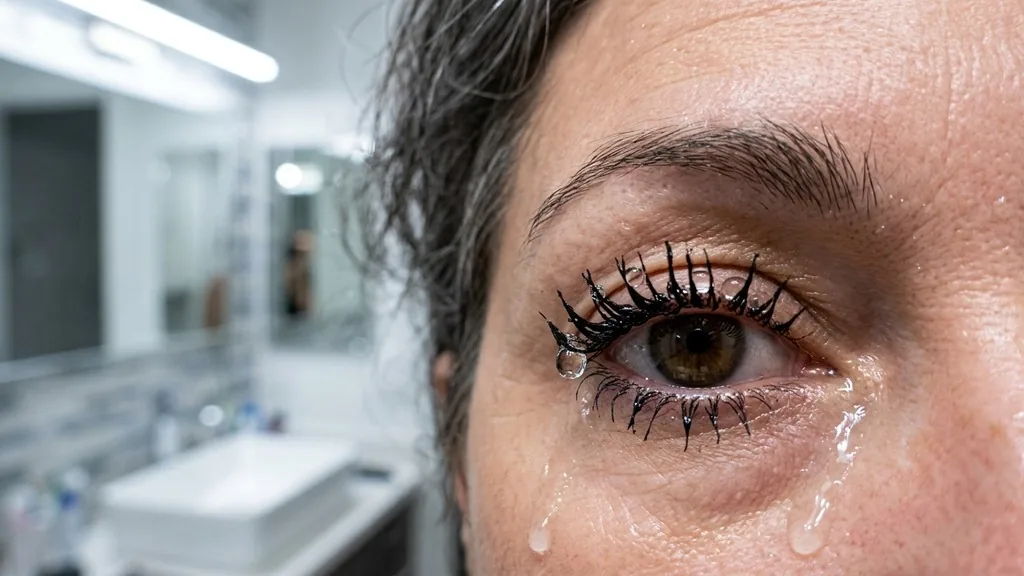
Removing stubborn eye products can often feel like a battle, especially when you are dealing with formulas specifically engineered to withstand humidity, sweat, and tears. Many people wonder if they can effectively figure out how to get waterproof mascara off with water alone.
The short answer is that while water is the primary component of many cleansing systems, plain tap water is rarely sufficient to break down the hydrophobic polymers that give your waterproof mascara its staying power. To succeed without traditional makeup remover, you must understand the chemistry behind these products and how to manipulate them using the right techniques and temperature.
The primary reason you cannot simply splash your face with cold water to remove heavy-duty mascara is the chemical composition of the product itself. Waterproof formulas contain waxes and volatile silicones that are designed to repel water molecules. When you apply these products, they create a protective film over your lashes that is impervious to the very substance that usually cleanses the face.
If you attempt to scrub these off with nothing but water and friction, you risk pulling out your natural lashes or causing micro-tears in the delicate skin around your eyes. However, by adjusting the temperature and applying specific mechanical pressure, you can sometimes loosen the bond enough to slide the product off safely.
The Science of Waterproof Formulations and Why Water Alone Struggles
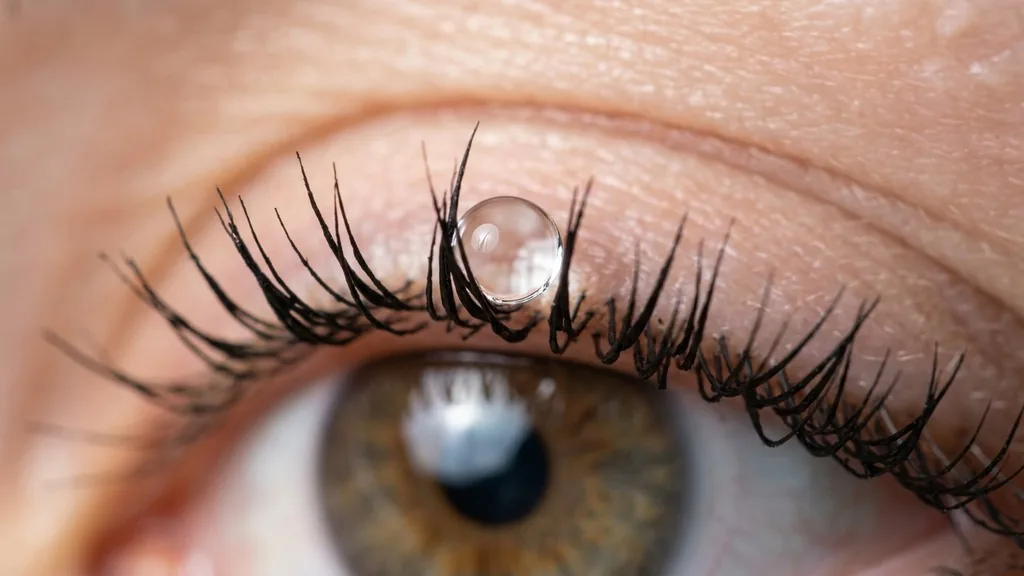
To understand the challenge, you must look at the ingredients. Waterproof makeup relies on hydrophobic barriers. These barriers prevent the pigment from smearing when you get caught in the rain or go for a swim. Most of these products utilize isododecane or various synthetic waxes that do not emulsify in water.
When you expose these ingredients to simple H2O, they remain structurally intact. This is the exact design goal of the manufacturer: to ensure your look stays pristine throughout the day regardless of moisture exposure.
When you try to wash your face with plain water, the surface tension of the water prevents it from penetrating the waxy shield of your mascara. Instead of dissolving, the product might clump or flake, but it won’t lift away from the hair shaft. This leads to the “panda eye” effect, where the mascara smears into the lower lash line rather than being removed.
Furthermore, the skin around the eyes is significantly thinner than the skin on the rest of your face. Repeated, aggressive rubbing with a washcloth and plain water to force the mascara off can lead to irritation, redness, and even premature fine lines. It is essential to recognize that while water is the vehicle for cleansing, it needs a surfactant or a solvent to actually break the chemical bond.
Harnessing Steam and Warmth to Soften the Lash Coating
If you are determined to avoid chemical-heavy removers and want to know how to get waterproof mascara off with water effectively, temperature is your best ally. Warm water can help soften the waxes that hold your mascara in place.
By using a warm, damp compress, you can essentially “melt” the outer layer of the product. This process is similar to how steam facials work; the heat relaxes the pores and softens the hardened residues on the lashes.
To do this, soak a clean, soft microfiber cloth in warm—not hot—water. Gently press this against your closed lids for at least 30 to 60 seconds. This “hold” period is crucial.
You aren’t just wiping; you are allowing the warmth to transfer through the lash fibers. After the hold, gently slide the cloth downward from the root to the tip of your lashes. You will likely see the mascara begin to release in tiny, tube-like pieces.
This method is much safer than scrubbing, as it relies on the softening of the wax rather than mechanical abrasion. If the mascara is particularly stubborn, repeat the process. The key is patience; if you rush the warming phase, you will end up pulling at your lashes, which can result in long-term damage or breakage.
The Role of Micellar Cleansing as a Water-Based Alternative
While plain water has its limits, micellar cleansing technology offers a sophisticated way to achieve the same goal using a water-like solution. Micellar water is essentially purified water infused with tiny, suspended surfactant molecules called micelles.
These micelles are attracted to both oil and water. When you apply a cleansing water to your lashes, the oil-loving side of the micelle grabs onto the waxy components of your mascara, while the water-loving side allows it to be easily wiped away.
Many people confuse micellar water with plain water because of its texture, but it functions differently. It is highly effective for removing eye makeup because it doesn’t leave a greasy residue behind, making it a favorite for those with sensitive skin or contact lens wearers. To use this method, soak a cotton pad thoroughly.
Do not use a dry pad, as that creates unnecessary friction. Place the saturated pad over your closed eyelid and let it sit for a full minute.
This allows the micelles to work their way into the layers of the mascara. After the wait, a gentle downward swipe should remove the majority of the product.
| Cleansing Method | Mechanism | Efficiency for Waterproof Mascara |
|---|---|---|
| Plain Warm Water | Thermal softening | Low (requires high patience) |
| Micellar Water | Surfactant-based emulsification | High (fast and effective) |
| Oil-based Cleanser | Solvent dissolution | Very High (instant break down) |
Common Mistakes When Removing Waterproof Mascara
One of the most frequent errors people make when attempting to remove waterproof products is the “scrubbing” technique. Because the mascara is stubborn, the natural instinct is to apply more pressure. This is a detrimental approach.
The skin around your eyes is extremely delicate and lacks the oil glands found elsewhere on the face, making it prone to dehydration and sensitivity. When you scrub, you are not just removing mascara; you are exfoliating the sensitive eyelid skin, which can lead to inflammation and dermatitis.
Another common mistake is failing to remove the product from the root. People often focus on the tips of the lashes, leaving a thick layer of wax at the base. Over time, this buildup can clog the hair follicles, potentially leading to styes or infections.
You must ensure that your cleansing technique covers the entire length of the lash, from the base to the ends. If you find that you are leaving residue behind, it is a sign that your chosen method—even if it involves water-based products—is not strong enough for the specific formula you are using.
You might need to pivot to a double-cleansing routine where you use a gentle oil-based pre-cleanse before finishing with a water-based wash. For more details on the importance of skin health, you can visit the American Academy of Dermatology for professional guidelines on proper facial cleansing.
Addressing Topical Gaps: Why Some Mascaras Won’t Budge
A common question that arises is why some waterproof mascaras seem impossible to remove even with water and heat. The answer lies in the formulation technology. Modern “tubing” mascaras, which are often marketed as waterproof or water-resistant, are designed to form distinct polymers around each lash.
Unlike traditional wax-based mascaras that smear, these formulas are intended to slide off in tubes when exposed to significant amounts of warm water. However, if you are using a traditional wax-and-oil-based waterproof mascara, these will never “tubing” off. They require a solvent to dissolve, which water—even warm water—cannot provide.
If your mascara is not coming off, you are likely dealing with an extremely high-performance formula that requires a lipid-based solvent. In these cases, water will only cause the mascara to harden further or become “tacky.” If you find yourself in a situation where you have no makeup remover, you might be tempted to use household oils.
While oils like olive or jojoba are effective at breaking down waterproof formulas, they can be comedogenic or irritating if not properly rinsed off. The takeaway is that if your chosen mascara is marketed as “long-wear” or “swim-proof,” it is built to resist water, and you should manage your expectations regarding how much water alone can accomplish.
Best Practices for Lash Health During Removal
Maintaining the integrity of your lashes while removing heavy products is paramount. If you lose lashes during the removal process, they may take weeks to grow back, and constant irritation can weaken the hair follicles. Always prioritize a gentle touch.
If you are using a cloth or a cotton pad, ensure it is of high quality and doesn’t shed fibers into your eyes. Using a soft, reusable bamboo or microfiber pad is often better than disposable cotton, as they are more absorbent and hold moisture longer.
Furthermore, consider the frequency of your waterproof mascara use. If you wear it every single day, you are subjecting your lashes to a daily removal process that is inherently more stressful than removing standard mascara. Try to reserve waterproof formulas for special occasions or particularly humid days.
On days when you don’t need the extra resistance, opt for a standard formula that can be removed with a simple splash of water or a mild foaming cleanser. This allows your lashes a “recovery period” and prevents the buildup of residue that can lead to thinning lashes over time. Always finish your removal process with a gentle moisturizer or an eye cream to keep the skin around the eyes hydrated and supple, counteracting any drying effects from the cleansing process.
FAQ: Frequently Asked Questions
Can I safely remove waterproof mascara with just water?
While you can soften the product with warm water, it is rarely enough to remove it completely without causing friction. Plain water lacks the surfactants needed to break down the hydrophobic waxes in waterproof formulas. Using only water often leads to excessive rubbing and potential damage to your natural lashes.
Why does my mascara smear instead of coming off?
Smearing occurs when the water or the cleansing agent is not strong enough to dissolve the wax coating. The mascara softens enough to move but not enough to be lifted away. This usually happens when you use too little water or don’t allow the product enough time to break down before wiping.
Is it bad to leave mascara residue on my lashes overnight?
Yes, it is highly discouraged. Leaving mascara on overnight can lead to lash breakage, irritation, and even eye infections. The hardened product can also clog the follicles at the base of your lashes, which may cause styes or other inflammatory issues. Always ensure your lashes are completely clean before sleeping.
What is the most effective way to remove mascara without a store-bought remover?
The most effective method is using a warm, damp microfiber cloth to gently steam the lashes for at least 60 seconds. This helps soften the waxes. If that fails, using a small amount of a gentle, non-comedogenic oil like jojoba can help dissolve the formula before rinsing with a mild cleanser.


