

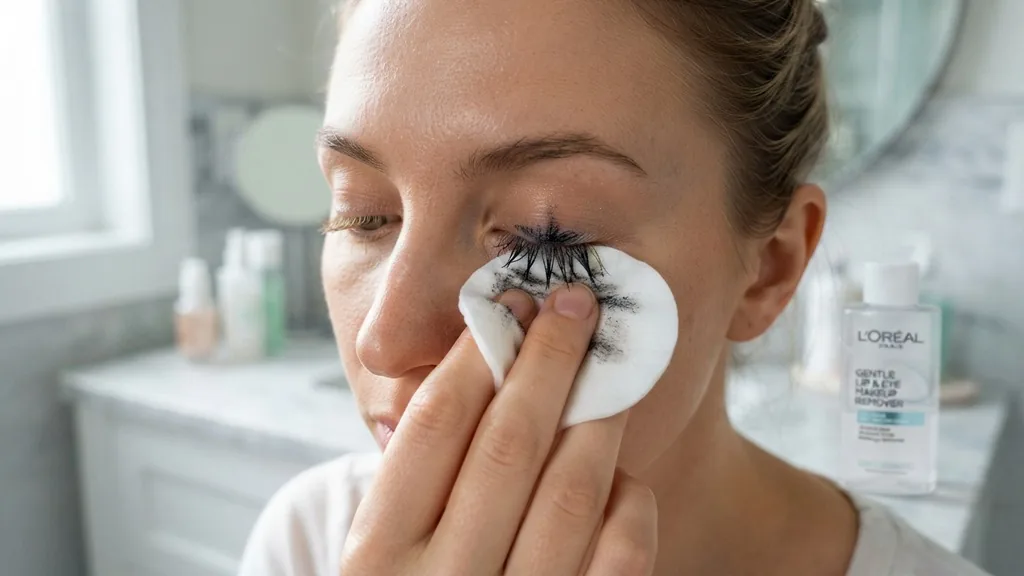
Removing stubborn, long-wear eye cosmetics can feel like a nightly battle. You might find yourself scrubbing, pulling at your delicate lids, and waking up with dark smudges under your eyes the next morning. Knowing exactly what takes off waterproof mascara without damaging your lashes or irritating your skin is essential for maintaining healthy, vibrant eyes.
Waterproof formulas are designed to resist sweat, tears, and humidity, which means they contain polymers and waxes that standard soap and water simply cannot break down. To effectively dissolve these materials, you need a solvent that interacts with the specific chemistry of your product.
Understanding the Chemistry of Waterproof Formulas

Waterproof mascara is designed to stay put, which makes the removal process fundamentally different from standard cosmetics. These products rely on hydrophobic ingredients that repel water, meaning you cannot rely on a simple splash of water or a basic facial cleanser to remove them.
When you attempt to wash them away with water-based products, the mascara remains intact, often leading to excessive rubbing. This physical friction is the primary cause of lash loss and premature skin aging around the eyes.
The key to dissolving these resilient polymers is to use a substance that shares a similar chemical makeup. Because the waxes and resins in your mascara are oil-based, you need an oil-based solvent to lift them from your lashes. By applying an oil-heavy product, you initiate a process where the makeup is broken down into a liquid state, allowing you to wipe it away gently.
Understanding this chemical interaction prevents the common mistake of trying to “wash off” the product, which only leads to irritation. Always prioritize products labeled as oil-based or specifically formulated for long-wear cosmetics to ensure a smooth transition from full makeup to clean skin.
The Efficiency of Cleansing Balms
Cleansing balms are arguably the most effective tools for removing waterproof mascara. These semi-solid products melt into a luxurious oil upon contact with the warmth of your skin.
Because they are thick and emollient, they coat the lashes thoroughly, allowing the oils to penetrate the waterproof barrier of the mascara. You simply massage the balm onto your dry eyes, focusing on the lash line, and watch as the dark pigment dissolves into the oil.
Many people prefer balms because they stay in place better than liquid oils, which tend to drip down the face or into the eyes. A high-quality cleansing balm often contains skin-nourishing ingredients like vitamin E or plant-based oils that provide hydration while cleaning. Once you have thoroughly massaged the balm into your lashes, you can emulsify it with a splash of warm water.
The product turns milky and rinses away cleanly, taking the mascara with it. This method is particularly popular because it does not leave a greasy residue if you follow up with a gentle water-based cleanser, a process often referred to as double cleansing.
Oil-Based Makeup Removers and Their Benefits
If you prefer a liquid consistency, an oil-based makeup remover is the gold standard for stubborn eye products. These formulas are usually bi-phase, meaning they consist of two distinct layers: an oil layer to dissolve the mascara and a water layer to refresh the skin.
Before use, you must shake the bottle vigorously to combine these layers temporarily. The oil acts as a solvent for the waterproof polymers, while the water layer helps to remove the oily feeling after the mascara has been lifted.
Using these removers requires a specific technique to avoid tugging on your lashes. Soak a cotton pad with the solution and hold it against your closed eyelid for fifteen to thirty seconds. This “soak time” is crucial; it allows the oil to soften the mascara before you ever attempt to wipe.
By letting the product do the heavy lifting, you minimize the need for friction, which is the most common cause of mechanical lash damage. Once the time is up, gently swipe downward to remove the makeup. You will notice that the mascara slides off onto the pad rather than smearing across your eyelid.
The Role of Micellar Water in Your Routine
Micellar water has become a staple in many beauty routines, but it is important to distinguish between standard versions and those designed for waterproof makeup. Standard micellar water is excellent for light dirt and oil, but it often struggles to break down the heavy-duty waxes in waterproof mascara.
If you are a dedicated fan of micellar cleansing, you must ensure you are purchasing a formula specifically labeled for waterproof or long-wear makeup. These versions contain an added oil component that provides the necessary power to dissolve stubborn resins.
When using these specialized micellar waters, the application method remains largely the same as with oil-based removers. You should saturate a soft, reusable cotton pad and let it sit on your lashes for a moment. This process allows the micelles to surround the makeup particles, while the added oils break down the waterproof seal.
While some people find that micellar water is faster to use than a balm, it may require a bit more pressure or multiple passes if you wear a particularly heavy layer of mascara. It is an excellent middle-ground option for those who dislike the heavy feel of pure oils but still need something more potent than standard soap.
Comparing Common Removal Methods
Choosing the right product depends on your skin type, your personal preference for texture, and the specific mascara brand you use. The following table compares the most popular methods for removing waterproof cosmetics to help you identify which might best suit your nightly routine.
| Method | Texture | Best For | Residue Level |
|---|---|---|---|
| Cleansing Balm | Solid to Oil | Dry/Sensitive Skin | Low (with water) |
| Bi-Phase Oil Remover | Liquid | Heavy Waterproof Makeup | Moderate |
| Micellar Water | Water-like | Quick/Light Removal | None |
| Natural Oils (Jojoba/Olive) | Viscous Oil | Budget/Minimalist | High |
Natural Alternatives: Pros and Cons
Many people look for natural alternatives found in their kitchen, such as coconut oil, olive oil, or jojoba oil. These oils are indeed effective at breaking down waterproof mascara because they are pure fats that readily dissolve the waxes in your makeup.
If you find yourself in a pinch, these oils will certainly get the job done. However, there are significant trade-offs to consider before making them a permanent part of your routine.
The primary concern with using kitchen oils is their potential to clog pores or cause milia, which are tiny white bumps that appear around the eyes. Coconut oil, in particular, is highly comedogenic, meaning it is more likely to block hair follicles and cause breakouts. Furthermore, natural oils are not formulated for the delicate eye area; they can leave a blurry film over your vision if they seep into the eye.
If you choose to go the natural route, opt for high-quality, cold-pressed oils and always ensure you wash the area thoroughly with a mild cleanser afterward to remove the excess oil. For a more scientific perspective on skin health, you can consult the American Academy of Dermatology regarding proper cleansing habits to avoid irritation.
Addressing Common Topical Gaps
A common frustration among beauty enthusiasts is the “raccoon eye” effect that persists even after using a remover. This occurs when the mascara is broken down but not fully lifted from the skin. Many people stop at the first wipe, leaving dissolved pigment trapped in the fine lines of the under-eye area.
To solve this, always perform a second pass with a fresh, damp cotton pad or a clean cloth. If you are still seeing residue, it is likely that your remover is not powerful enough for your specific mascara brand, or you are not allowing the product enough time to work.
Another gap in knowledge involves the impact of tools. Many people use rough cotton balls that create micro-tears in the skin. Instead, opt for soft, reusable bamboo pads or microfiber cloths.
These materials are much kinder to the skin and are more effective at grabbing the dissolved mascara pigment. Additionally, many users forget to clean the roots of their lashes.
Mascara buildup at the root can lead to clogged oil glands, which may cause styes or other eye infections. Ensure that your removal technique includes a gentle massage directly at the lash base, not just on the tips of the lashes.
Best Practices for Lash Health
Your lashes are fragile, and constant tugging can lead to breakage or premature shedding. Beyond selecting the right product, the way you physically remove your makeup is just as important. Never pull, rub, or scrub your eyes.
If the makeup isn’t coming off, the solution is to add more remover and wait longer, not to apply more force. A gentle touch is the secret to keeping your natural lashes long and healthy.
* Always use a gentle, downward sweeping motion rather than rubbing back and forth.
* Avoid using waterproof mascara every single day if you notice your lashes becoming brittle.
* Clean your eyelid margins thoroughly to prevent debris buildup that can lead to irritation.
* Store your makeup removers in a cool, dry place to maintain their chemical stability.
* If you wear contact lenses, always remove them before taking off your waterproof mascara to prevent oil buildup on the lenses.
Consistency is key to maintaining healthy lashes. If you find your eyes are consistently red or puffy after your nightly routine, you might be reacting to a fragrance or preservative in your remover.
Switching to a “fragrance-free” or “sensitive skin” formula can often resolve these issues immediately. Your eyes are among the most sensitive areas of your body, and they deserve a removal process that is as soothing as it is effective.
Frequently Asked Questions
- Does Vaseline effectively take off waterproof mascara? Yes, petroleum jelly is an effective oil-based solvent that breaks down waterproof mascara. However, it is very thick and can be difficult to rinse off, potentially leaving a film over your eyes and causing clogged pores if not properly cleansed.
- Can I use plain water to remove waterproof makeup? No, plain water will not work because waterproof mascara is specifically formulated to be hydrophobic. Using only water will lead to excessive rubbing, which can damage your lashes and irritate the delicate skin around your eyes.
- What is the best way to avoid eye irritation during removal? The best approach is to use an oil-based cleanser or balm and allow it to sit on your closed eyes for at least thirty seconds. This dissolves the makeup without needing any harsh rubbing or tugging on your eyelids.
- How do I know if my mascara is fully removed? You can check by gently running a clean, damp cotton pad along your lash line after cleansing. If the pad remains clean, you have successfully removed all traces of the product. If you see dark pigment, continue with a second cleanse.
By following these guidelines, you can ensure that your daily routine is safe, efficient, and gentle on your skin. Whether you choose a high-end cleansing balm or a reliable bi-phase liquid, the secret remains the same: let the product do the work for you.
With the right technique, you can easily remove even the most stubborn waterproof mascara while keeping your lashes healthy and your eyes irritation-free. Taking the time to remove your makeup properly is an investment in the long-term health of your skin and the beauty of your natural lashes.


