

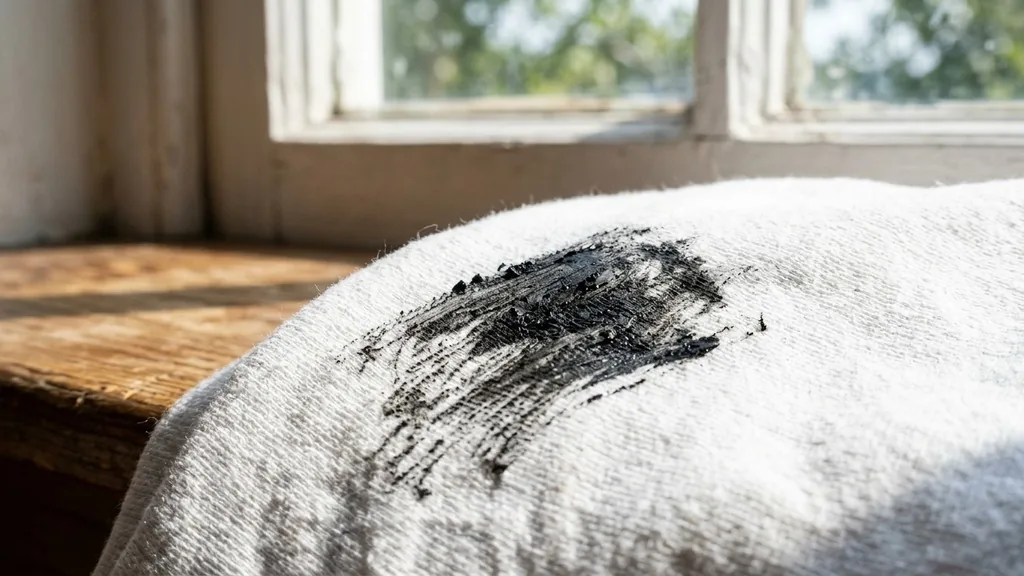
Discovering a smudge of dark, stubborn pigment on your favorite shirt can trigger an immediate sense of panic. Because you are dealing with a product specifically engineered to resist moisture, sweat, and tears, learning how to get waterproof mascara out of clothes requires more than just a standard cycle in the washing machine. Waterproof formulas are typically composed of polymers, waxes, and oil-based pigments designed to cling to lashes for extended periods.
When this formula transfers to clothing, it acts like a permanent adhesive, bonding deeply with the fibers of the fabric. Fortunately, with the right approach and a bit of patience, you can successfully lift these mascara stains without damaging the integrity of your garments.
Understanding the Chemistry of Waterproof Mascara Stains
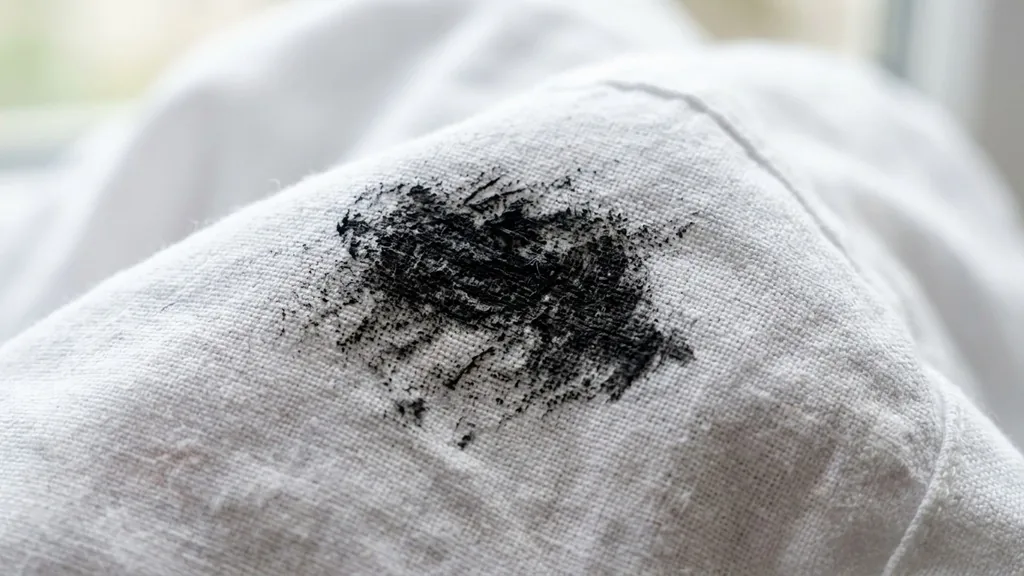
The primary reason these stains are so difficult to address is the chemical composition of the product itself. Unlike water-based mascaras that can be easily rinsed away with soap and water, waterproof versions are formulated with hydrophobic substances.
These include ingredients like isododecane, beeswax, carnauba wax, and specialized polymers that create a flexible film around each lash. When this mixture lands on a piece of clothing, it does not merely sit on the surface; it penetrates the weave and hardens as it cools or dries.
To effectively remove the blemish, you must break down these waxes and oils before they set permanently. This is why standard laundry detergents often fail. Most detergents are designed to lift dirt or water-soluble stains, but they lack the specific solvent power required to dissolve heavy waxes.
If you attempt to scrub the stain while it is still wet or use hot water, you risk pushing the pigment deeper into the textile fibers. Understanding that you are essentially trying to dissolve a specialized cosmetic resin allows you to approach the cleanup process with the correct chemical mindset. You need an agent that can emulsify the oils and waxes, effectively loosening the grip the mascara has on your garment.
Initial Steps for Fresh Mascara Spills
When you first notice a smudge, your immediate reaction might be to rub it with a wet paper towel. This is a common mistake that often makes the situation worse. Rubbing spreads the pigments across a larger surface area, turning a small dot into a significant smear.
Instead, take a blunt object, such as a dull knife or the edge of a credit card, and gently lift any excess product off the surface of the fabric. By removing the bulk of the pigment before it has a chance to settle, you minimize the amount of material that needs to be dissolved during the chemical treatment phase.
Once you have removed the excess, assess the item. If the garment is delicate—such as silk or cashmere—take it to a professional dry cleaner immediately. For standard cotton or synthetic blends, you can begin the spot-treatment process.
It is crucial to use cold water rather than warm or hot water during these initial stages. Heat can cause the waxes in the mascara to soften and spread, or conversely, it can “cook” the stain into the fibers, making it significantly harder to extract later. Blot the area gently with a clean cloth, working from the outside of the stain toward the center to prevent it from bleeding into the surrounding clean areas of the garment.
The Power of Dish Soap and Solvent Solutions
When you need to know how to get waterproof mascara out of clothes without damaging the material, the most reliable household solution is grease-fighting dish soap. Dish soap is specifically formulated to break down lipids and oils, which makes it an ideal solvent for the heavy waxes found in waterproof cosmetics.
Apply a small amount of clear, high-quality dish soap directly onto the stain and gently massage it in with your fingertips or a soft-bristled toothbrush. The goal is to work the soap into the fibers so it can emulsify the mascara components.
After letting the soap sit for at least ten to fifteen minutes, rinse the area with cool water. If the stain persists, you may need a more aggressive solvent. You can try a small amount of isopropyl alcohol or a dedicated stain remover, but always perform a patch test on an inconspicuous area of the clothing first to ensure colorfastness.
This step is vital because some dyes in fabrics can react poorly to solvents, leading to discoloration. According to the American Cleaning Institute, ensuring that your cleaning methods match the fabric type is essential for long-term garment care. By systematically breaking down the waxes, you allow the detergent to lift the pigment away during the final wash cycle.
Addressing Dried Mascara Stains and Older Marks
Dealing with a stain that has already dried or survived a cycle through the dryer presents a unique challenge. Once heat from a machine has been applied, the polymers in the mascara have likely bonded firmly with the textile fibers. In this scenario, you must re-soften the residue before you can hope to lift it.
Applying a small amount of oil-based makeup remover or a specialized pre-treatment spray can help rehydrate the hardened wax. Ensure the remover is oil-based, as this will dissolve the mascara’s original binders.
After applying the remover, let it sit for a significant amount of time—often up to thirty minutes—to ensure full penetration. Once the area is saturated, follow up with the dish soap method mentioned previously to remove the oil residue left behind by the makeup remover. If you put the item in the dryer before the stain is completely gone, the heat will essentially bake the remaining pigment into the weave.
Always inspect the item carefully after the wash cycle and before it enters the heat of the machine. If a shadow of the stain remains, repeat the treatment process rather than opting for a quick dry.
Comparison of Stain Removal Agents
When choosing which agent to use, consider the nature of your clothing. Below is a comparison of common household items used to treat these specific types of cosmetic marks.
| Agent | Effectiveness | Best For | Caution |
|---|---|---|---|
| Dish Soap | High | Cotton, Synthetics | Rinse thoroughly |
| Isopropyl Alcohol | Medium-High | Sturdy Fabrics | Test for colorfastness |
| Oil-based Makeup Remover | High | Dried-in Stains | Can leave oil spots |
| Laundry Pre-treater | Low-Medium | Fresh Stains | Check instructions |
This table highlights that while many products can assist in the removal process, each carries specific trade-offs regarding fabric safety and the potential for secondary residue.
Essential Tips for Success and Common Pitfalls
To ensure the best results, consistency and technique are paramount. Many people fail because they rush the process or use the wrong temperature of water. Here is a checklist to keep in mind when tackling these stubborn marks:
- Always work from the back of the fabric if possible, pushing the stain out through the front of the weave.
- Avoid using colored dish soaps, as the dyes in the soap can sometimes transfer to light-colored clothing.
- Never skip the rinse step; residual chemicals can damage the fabric over time if left to dry.
- Check the care label of your item to confirm the fabric can withstand the chemicals you intend to use.
- If the stain is large or the garment is expensive, seek professional help rather than risking permanent damage.
One common pitfall is the assumption that one round of treatment is sufficient. Depending on the density of the mascara and the porosity of the fabric, you may need to repeat the application of dish soap or solvent multiple times.
Patience is your greatest asset here. Repeated, gentle applications are far more effective at preserving the fabric than a single, aggressive, and potentially damaging scrub.
Addressing Topical Gaps: Why Mascara Remains After Washing
A frequent question among those struggling with this issue is why the mark often remains visible even after a standard machine wash. The answer lies in the interaction between the product’s hydrophobic nature and the water-based environment of a washing machine.
Because waterproof mascara is designed to resist water, the detergent-laden water in your machine often slides right over the stain without effectively penetrating the wax barrier. Furthermore, if you wash multiple items together, the mascara can sometimes be re-deposited onto other areas of the clothing.
To bridge this gap, you must treat the garment as a pre-wash project. The machine is the final step, not the primary cleaning method. By manually emulsifying the waxes with a surfactant like dish soap before the water cycle begins, you change the chemical state of the stain.
You are essentially turning a water-resistant substance into something that can be easily washed away. If you find that the mark persists, it is likely because the wax was never fully emulsified, or the pigment has stained the fibers themselves. In cases of very light fabrics, a gentle, oxygen-based bleach may be necessary, provided the material is compatible with such treatments.
Conclusion and Best Practices for Future Prevention
Mastering the art of how to get waterproof mascara out of clothes is a valuable skill for anyone who enjoys using high-performance makeup. While these products are fantastic for maintaining a flawless look throughout the day, they require extra care when they come into contact with your wardrobe. By remembering to act quickly, avoiding heat, and utilizing effective oil-dissolving agents, you can protect your clothing from permanent damage.
Always keep a small bottle of clear dish soap or a dedicated pre-wash treatment in your laundry room. By making these part of your standard routine, you remove the stress associated with accidental spills.
Remember that the goal is to break the bond between the wax and the fabric fibers before the stain is allowed to set. With a systematic approach and the right tools, you can ensure that your clothes remain pristine, regardless of how stubborn your makeup might be.
Frequently Asked Questions
Does waterproof mascara come out of clothes in the wash?
Standard washing machine cycles are rarely sufficient to remove waterproof mascara because the product is formulated to resist water. Without pre-treating the area with a grease-dissolving agent like dish soap, the waxes and pigments will likely remain embedded in the fabric fibers after the wash.
What removes waterproof mascara from fabric effectively?
The most effective household method is applying a small amount of clear dish soap to the stain. Dish soap is designed to break down oils and waxes. Gently massaging the soap into the fabric and letting it sit before rinsing with cool water helps lift the pigment.
Does Vaseline help remove waterproof mascara from clothing?
Vaseline can sometimes help soften the waxes in waterproof mascara, making the stain easier to lift. However, it adds its own oily residue to the fabric. You should only use it if you are prepared to follow up with a strong degreasing agent like dish soap to remove the petroleum jelly.
How do I remove mascara after it has been through the dryer?
Once a stain has been through the dryer, the heat has likely set the waxes into the fibers. You will need to re-soften the residue using an oil-based makeup remover, let it sit, and then follow up with a thorough dish soap treatment before washing the garment again.


