

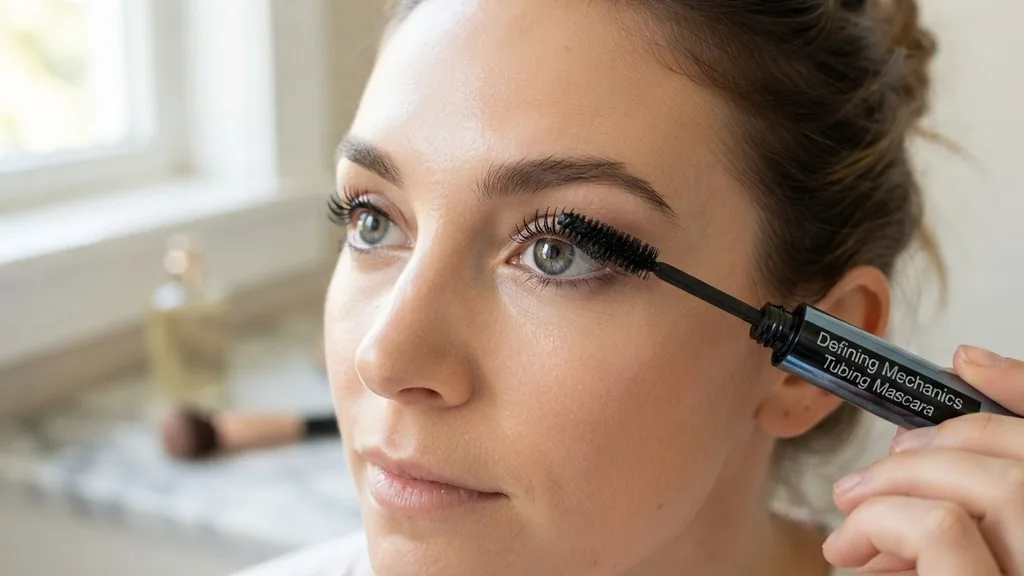
The quest to identify whether your favorite lash-enhancing product relies on polymer technology often leads to confusion in the beauty aisle. Many consumers ask, is telescopic mascara tubing, specifically when looking at the iconic L’Oréal offering that promises extreme length and separation.
The reality is that the term “telescopic” refers primarily to the functional design of the brush and the intended effect on your lashes, while “tubing” refers to a specific chemical delivery system. Understanding the distinction between these two concepts is essential for anyone trying to build a makeup routine that suits their specific needs, whether they are fighting smudging, seeking easy removal, or trying to achieve a dramatic, high-definition look.
Defining the Mechanics of Tubing Mascara
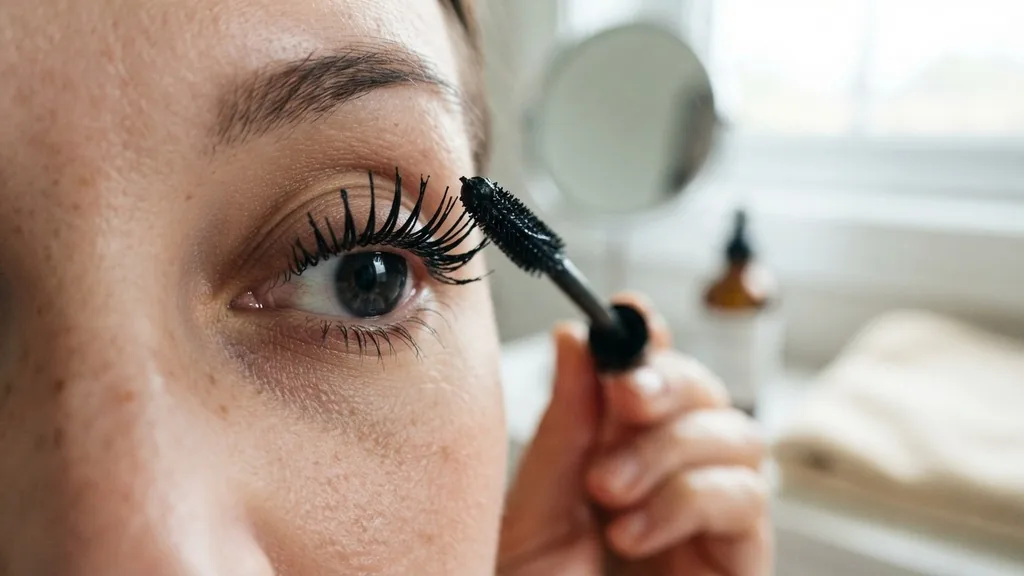
Tubing mascara is a distinct category of eye makeup that utilizes water-soluble polymers to wrap individual lash fibers in tiny, water-resistant tubes. Unlike traditional formulas that rely on waxes and oils to coat the lash, these polymers slide off when exposed to warm water and gentle pressure.
The primary benefit of this technology is its resistance to smudging, flaking, and “raccoon eyes,” as the tubes do not dissolve with the natural oils produced by your skin throughout the day. When you look at the composition of these products, you will notice they lack the heavy, oily consistency found in many waterproof or volumizing options.
The delivery system is highly efficient. As the wand coats the lash, the polymers bind to the hair, creating a seamless, uniform sheath. This technology is particularly favored by individuals with hooded eyelids or oily skin, who often find that standard mascaras migrate under the brow bone or onto the undereye area.
Because the removal process involves sliding the tubes off rather than dissolving pigments with makeup remover, it is generally considered gentler on the delicate eye area. You don’t need to scrub or tug, which helps maintain the long-term health of your natural lashes.
Analyzing the L’Oréal Telescopic Formula
When you examine the L’Oréal Telescopic range, you are looking at a product line engineered for maximum length and precision. The “telescopic” aspect of the name is a direct reference to the wand and the formula’s ability to stretch the appearance of the lashes, mimicking the extension of a telescope.
These mascaras typically feature a thin, comb-like wand that allows for extreme control, enabling the user to reach the roots of the lashes and pull the product through to the tips. This design is excellent for achieving a clean, separated, and fanned-out look that defines the eyes without clumping.
Most versions of the Telescopic line, including the original and the waterproof iterations, are formulated as traditional wax-based mascaras rather than tubing formulas. They are designed to build volume and length through pigment adhesion and structural wax support.
While they provide excellent hold and dramatic length, they do not create the characteristic “tubes” that slide off with water. If you are specifically searching for a tubing product to prevent smudging, it is vital to check the ingredient list for specific polymers like acrylates copolymer, which are the hallmark of true tubing technology.
The Difference Between Tubing and Traditional Mascara
Distinguishing between these two types of makeup requires looking at how they interact with your environment. Traditional mascaras, which include the classic Telescopic, utilize a combination of waxes, pigments, and oils to coat the hair.
These ingredients are designed to be durable, but they remain susceptible to breakdown when confronted with the natural oils of your face. If you have ever experienced a “panda eye” effect by the end of the day, you are likely using a wax-based formula that has succumbed to the warmth and oils of your skin.
Tubing mascaras, by contrast, are essentially impervious to oil and sweat. They stay put until you physically remove them with warm water and a soft cloth. This makes them a superior choice for humid climates or long days where touch-ups aren’t an option.
However, they can sometimes lack the intense, buildable volume that wax-based mascaras offer. Because tubing formulas rely on film-forming polymers, they can sometimes feel slightly stiff on the lashes. The following table highlights the core differences in performance and composition to help you decide which is better for your personal routine.
| Feature | Traditional Mascara | Tubing Mascara |
|---|---|---|
| Removal Method | Oil-based makeup remover | Warm water and gentle pressure |
| Primary Ingredient | Waxes and Oils | Water-soluble polymers |
| Smudge Resistance | Moderate (can smudge with oil) | High (oil-proof) |
| Effect | Buildable volume/length | Clean, defined length |
Identifying Tubing Mascara in the Aisle
If you are determined to find a tubing formula, you need to know what to look for on the back of the package. While marketing terms like “long-wearing” or “smudge-proof” are common, they don’t always guarantee a tubing formula. True tubing mascaras often list ingredients like acrylates copolymer or ammonium acrylates copolymer near the top of the list.
These are the film-forming agents that create the protective sheath around your lashes. If you see a long list of waxes like carnauba or beeswax, it is more likely a traditional formula.
Another way to test a product is by its removal process. If the instructions suggest using an oil cleanser or a waterproof makeup remover, it is almost certainly not a tubing formula. Tubing mascaras are marketed as “water-removable” or “tubing.”
If you are shopping online, look for reviews that specifically mention the product coming off in “little black tubes” or “fiber-like bits” when washing the face. This is the most reliable anecdotal evidence that the formula is indeed a tubing variety. You can learn more about the complexities of cosmetic ingredients through resources like the FDA Cosmetics Guidance pages.
Why Lash Length and Separation Matter
The desire for dramatic length is the primary reason why products like Telescopic remain bestsellers. Long, defined lashes open up the eyes and create a more youthful, awake appearance. The “telescopic” effect is achieved by the combination of a high-pigment formula and a specialized wand.
When you apply the product, the thin wand acts as a separator, ensuring that every lash is coated evenly from root to tip without the clumping that often occurs with thicker brushes. This creates a clean, fanned-out aesthetic that is very popular in modern beauty trends.
For many, the appeal of a product is less about the chemical delivery system and more about the immediate visual payoff. If you have naturally sparse or short lashes, the ability to build length without adding excessive weight is a major advantage.
Traditional formulas are often better at this because they allow for multiple layers of wax to build up, whereas tubing formulas can sometimes look “spidery” if too many layers are applied. Choosing between them often comes down to a trade-off between the smudge-proof benefits of tubing and the dramatic, buildable volume of traditional wax-based mascaras.
Addressing Common Misconceptions
A prevalent myth in the beauty community is that all smudge-proof mascaras are tubing mascaras. This is simply not true. Many waterproof mascaras are designed to resist water, but they are still oil-soluble.
They will not smudge when you cry or get caught in the rain, but they will dissolve if you apply a facial oil or a heavy cream around your eyes. Tubing mascaras are the opposite; they are immune to oil but will dissolve instantly in warm water. Confusing these two categories often leads to frustration during the removal process.
Another misconception is that tubing mascaras are harmful to lashes. Because they don’t require harsh rubbing or oil-based solvents, they are actually often recommended for people with sensitive eyes or those who use eyelash extensions. The removal process is physically gentle.
However, if you have very dry lashes, some users find that the film-forming polymers can feel slightly drying. It is all about finding a balance that works for your specific lash type and skin chemistry. Experimenting with different formulas is the only way to find what feels comfortable for your daily wear.
Maximizing Your Lash Potential
Regardless of the formula you choose, the way you use your wand significantly impacts the final look. For the best results, start at the very base of your lashes and wiggle the wand side to side before pulling it through to the ends. This technique deposits the majority of the product at the root, which helps hold the curl and provides a denser appearance.
If you are using a lengthening formula like Telescopic, do not stop at the tips. Continue to comb through until you reach your desired level of definition.
If you find that your lashes tend to droop throughout the day, you might consider using an eyelash curler before applying your mascara. This creates a structural base that helps the product hold the shape. For those who want the best of both worlds, some people choose to layer a tubing mascara over a traditional one.
This “sandwich” method allows you to use a volumizing wax-based formula for bulk, sealed in by a tubing topcoat to prevent smudging. It is an advanced technique that requires practice but can yield incredible, long-lasting results for special events.
Topical Gaps and Clarifications
To clarify the topical gaps regarding the specific L’Oréal Telescopic line, it is important to reiterate that while the brand has expanded its range significantly over the years, the core Telescopic identity remains rooted in wax-based technology. There is no evidence that the standard Telescopic or Telescopic Lift are formulated as tubing mascaras. If you are specifically looking for a tubing mascara from a drugstore brand, you would be better served by looking for products explicitly labeled with “tubing” or “polymer” technology.
Many users also wonder if the waterproof version of a popular mascara is automatically a tubing mascara. In the case of Telescopic, the waterproof version is still a traditional wax-based formula designed to be resistant to moisture but still requiring a standard makeup remover.
This distinction is vital for those who want to simplify their skincare routine by eliminating the need for oil-based removers. By understanding that “waterproof” and “tubing” are two entirely different categories of resistance, you can navigate the beauty aisle with much more confidence and avoid purchasing a product that doesn’t meet your specific removal or longevity requirements.
Frequently Asked Questions
- How can I tell if a mascara is a true tubing formula? Check the ingredient list for polymers like acrylates copolymer. If the label mentions removal with warm water and gentle pressure, it is likely a tubing mascara. Traditional formulas usually require oil-based removers.
- Is the L’Oréal Telescopic mascara considered a tubing mascara? No, the L’Oréal Telescopic line is primarily a wax-based formula. It is designed for extreme length and definition but does not use the polymer-sheath technology required to be classified as a tubing mascara.
- Can I use a tubing mascara if I have sensitive eyes? Yes, tubing mascaras are often excellent for sensitive eyes. Since they are removed with warm water rather than harsh chemical cleansers or aggressive rubbing, they help minimize irritation and prevent damage to your natural lashes during the cleaning process.
- Why does my mascara smudge if it is supposed to be long-wearing? Smudging often happens because the wax-based formula in your mascara is reacting to the natural oils on your eyelids. If you have oily skin, consider switching to a true tubing mascara that is immune to oil and will not migrate.


