


If you’ve ever spent a long day fighting smudges under your eyes, you already know the frustration that tubing mascara was designed to solve. So what is tubing mascara, exactly? It’s a special type of eye makeup that forms tiny, flexible tubes around each lash rather than simply coating it with wet, waxy pigment.
Those tubes wrap and grip the hair, giving you clean definition and length that lasts all day without the flaking, running, or raccoon-eye drama you often get from a regular formula. It’s become a bit of a cult favourite among makeup lovers, and once you understand how it works, it’s easy to see why.
How Tubing Mascara Actually Works
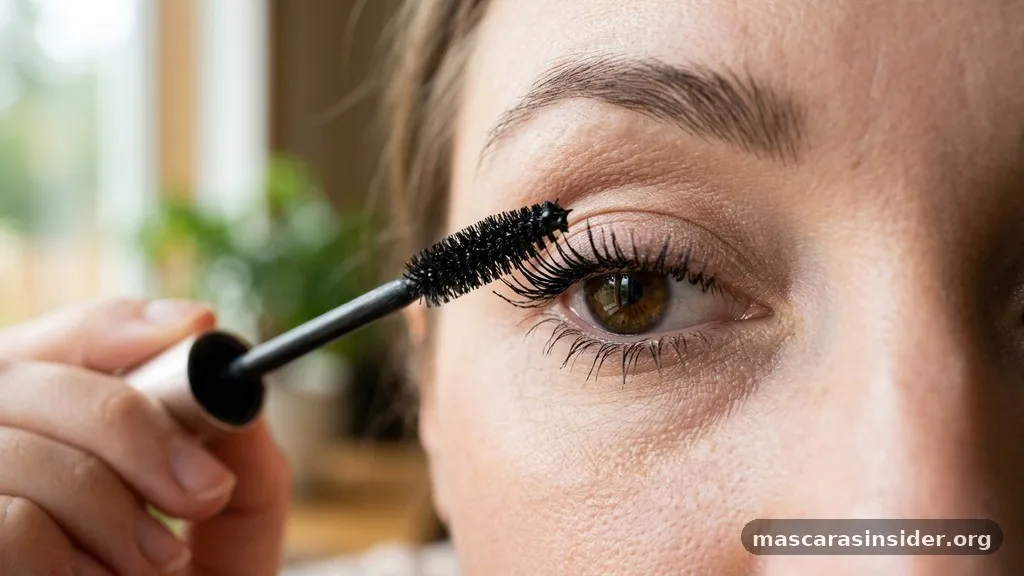
The magic here is all in the formula. Instead of relying on oils and heavy waxes like most traditional mascaras do, tubing mascaras use polymer-based ingredients that form a thin, bendy film as they dry.
When you sweep the wand along your lashes, these polymers cling to each hair and set into a flexible tube that wraps around the lash from root to tip. That’s literally where the name comes from.
Because each lash gets its own little protective casing, the pigment stays put. It doesn’t melt into your skin when you sweat, cry at a wedding, or get caught in the rain. And here’s the clever part about removal: you don’t need harsh makeup removers or a lot of scrubbing.
Warm water and gentle pressure are usually enough. When you press a wet, warm cloth over your eyes, the tiny tubes loosen and slide right off, sometimes in visible little strands.
This is a genuinely different mechanism to what conventional products do. A regular mascara sits on top of the lash as a coating that has to be dissolved with oils or solvents.
Tubing tech encapsulates the hair, so warm water can break the bond mechanically. It’s a subtle but important distinction, and it’s the reason so many people notice less smudging and almost no flaking throughout the day.
Tubing Mascara vs Regular Mascara
The core difference is simple: tubing mascara wraps your lashes in polymer tubes, while regular mascara paints them with a pigmented layer. That single change affects wear, removal, and how your eyes feel by evening. Below is a quick side-by-side to make the contrast clear.
| Feature | Tubing Mascara | Regular Mascara |
|---|---|---|
| How it works | Forms flexible tubes around each lash | Coats lashes with waxy pigment |
| Removal | Warm water and gentle pressure | Oil-based remover, often needs scrubbing |
| Smudging & flaking | Very low | More common as the day goes on |
| Volume payoff | Moderate, focuses on length | Can build heavy volume |
| Waterproof feel | Water-resistant but easy off | Waterproof versions need strong remover |
One thing worth flagging: unlike traditional waterproof formulas that fight you at the sink, tubing versions give you smudge resistance and easy takeoff. You don’t have to choose between staying power and gentle removal.
That said, if your goal is dramatic, spidery volume, some tubing formulas lean more toward natural length and separation than sheer thickness. Plenty of brands now offer volumising options, but it’s a fair expectation to set.
Is Tubing Mascara Better for Your Lashes?

For many people, yes, tubing mascara tends to be gentler on the lash line. The biggest reason is the removal process. Because you don’t have to rub and tug with cotton pads soaked in remover, you put far less mechanical stress on delicate lashes.
Aggressive rubbing is a leading cause of lash breakage and even lash loss over time, so anything that reduces friction is a plus. Dermatologists at trusted resources like the American Academy of Dermatology regularly stress how sensitive the skin and hair around the eyes are, which is exactly why a low-friction routine matters.
Tubing formulas also tend to skip some of the heavy oils and waxes, which can be a relief for anyone with sensitive or watery eyes. Brands like Thrive Causemetics built their reputation partly on this tube technology, marketing it as a more comfortable, lash-friendly wear. Still, I’d gently push back on the idea that it’s a treatment.
It won’t make your lashes grow, and no makeup genuinely conditions your hairs while you wear them. What it does do is minimise the daily damage that comes from harsh takeoff, and that alone can help your lashes stay healthier looking.
A few things to keep in mind so your eyes stay happy:
- Always remove your mascara before bed, even the gentle kind, so tubes don’t shed into your eyes overnight.
- Replace the tube every three to four months to avoid bacteria build-up.
- If you wear contacts, pick a formula labelled safe for lens wearers.
- Patch test a new product if you have reactive or allergy-prone eyes.
Downsides and What to Watch For
No product is perfect, and it’s only fair to talk about the trade-offs. The most common complaint is that during removal, some of those little tubes can shed as tiny black flecks. If the warm water isn’t warm enough, or you rush, you might see a couple of tubes slide onto your cheek.
It’s harmless, but it can catch you off guard the first time. Using genuinely warm water and a soft cloth solves this almost every time.
Application also takes a slight adjustment. Tubing formulas set fast, so you can’t layer coat after coat the way you might with a traditional product. If you try to over-build, it can clump because the formula is already forming its film.
The trick is one or two coats, applied fairly quickly, before it dries. Once you get the rhythm, it’s honestly easy.
A few other honest notes:
- Volume: some people find tubing gives less dramatic thickness than a classic volumising mascara.
- Waterproof limits: it resists water and humidity, but heavy swimming or deliberate soaking may loosen the tubes early.
- Price: premium tubing options can cost more than drugstore staples, so whether it’s worth it depends on how much the clean wear matters to you.
For most everyday users, though, these are small quibbles. The payoff, clean length, no midday smudging, and a fuss-free wash-off, is exactly what makes this category so beloved. If you’ve struggled with flaking or panda eyes for years, this really can feel like a small miracle.
Who Should Try Tubing Mascara
Tubing mascara suits a wide range of people, but it shines for certain groups. If you have oily lids, watery eyes, or you sweat a lot, the smudge resistance is a game changer.
Contact lens wearers often love it because there are fewer stray particles floating around. Anyone with sensitive skin around the eyes tends to appreciate the gentle, warm-water takeoff that doesn’t require tugging.
It’s also a smart pick for busy lives, think long shifts, travel days, humid climates, or emotional events where you want your makeup to hold. People with straight or stubborn lashes often find the flexible tubes hold a curl surprisingly well, since the film doesn’t weigh the hairs down the way heavier waxes can. On the flip side, if you’re a maximalist who craves bold, false-lash-level volume every single time, you might miss some of the drama, though volumising tubing options do exist now.
Bottom line: this is a versatile, low-maintenance choice that solves the two biggest mascara headaches, transfer and difficult removal, in one tidy step. It’s not a miracle lash serum, but as a daily beauty staple, it earns its spot in a lot of makeup bags.
Frequently Asked Questions
What is tubing mascara made of?
Tubing mascara is made with polymer-based ingredients that form flexible film-forming tubes around each lash. These polymers replace much of the heavy wax and oil found in traditional formulas, letting the product grip the hair and later release easily with warm water.
Is tubing mascara waterproof?
Tubing mascara is highly water-resistant, so it holds up against sweat, rain, and tears without smudging. It’s not identical to a heavy-duty waterproof formula, though, which is a bonus, because you can still remove it with just warm water and gentle pressure.
What is the downside of tubing mascara?
The main downsides are that tiny tubes can shed as flecks during removal if the water isn’t warm enough, and the fast-setting formula limits how much you can layer. Some versions also offer less dramatic volume than classic thickening mascaras.
How do you remove tubing mascara?
Removal is simple. Press a warm, damp cloth over your closed eyes for a few seconds, then gently wipe. The warm water loosens the polymer tubes so they slide off in soft strands, no harsh rubbing or oil-based remover required.
Is tubing mascara better than regular mascara?
It depends on your goals. Tubing mascara is better for smudge-proof wear, gentle removal, and lash comfort.
Regular mascara often builds heavier volume. If you value clean, long-lasting length and easy takeoff, tubing is usually the better everyday choice.


