

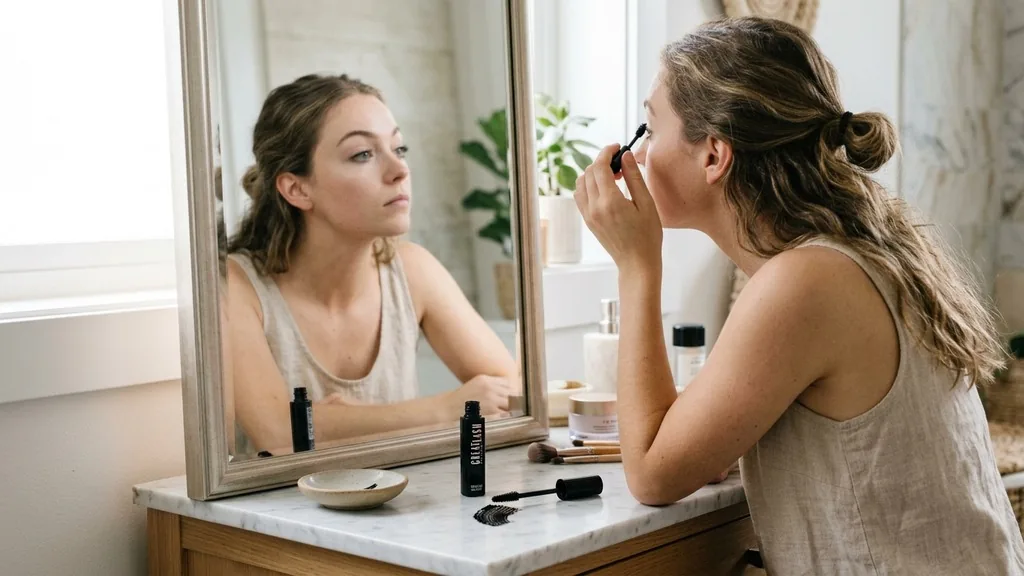
Discovering dark, dusty flecks under your eyes halfway through the day is a frustrating beauty dilemma that ruins a pristine look. When you ask yourself why does my mascara flake, the answer rarely points to a single culprit.
Instead, it is usually a combination of product chemistry, application technique, and the natural environment of your skin. Mascara is designed to adhere to your lashes, but once the formula loses its flexibility or encounters natural oils, it begins to crumble, leading to the dreaded “raccoon eye” effect that plagues even the most seasoned makeup enthusiasts.
The Role of Formula Chemistry in Mascara Longevity
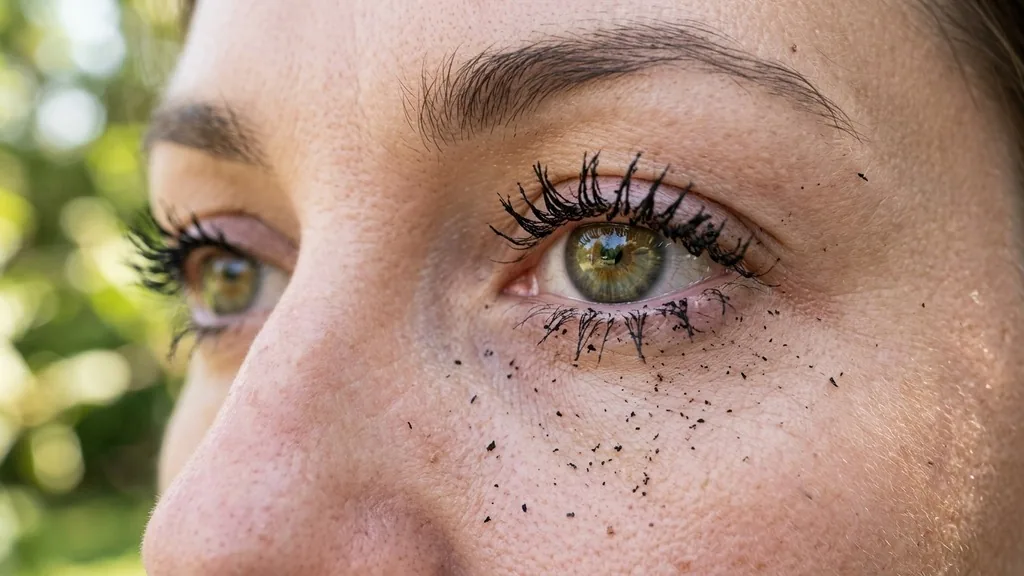
At the most basic level, mascara is a suspension of pigments, waxes, and polymers. The balance of these ingredients determines how the product behaves once it hits the air. Many formulas that promise dramatic volume or extreme length rely on high concentrations of waxes like carnauba or beeswax.
While these provide the structure necessary for thick, lush lashes, they can become brittle as they dry. If a formula contains too little conditioning agent—such as panthenol or vitamin E—the product will harden into a rigid shell on your lashes. Once your eyelashes move during the day, that rigid shell cracks, causing tiny pieces of pigment to fall onto your cheeks.
Another critical factor is the inclusion of volatile solvents. Manufacturers use these to ensure the mascara glides on smoothly during application. However, if the solvent evaporates too quickly or if the product is nearing the end of its shelf life, the formula changes consistency.
This is why a brand-new tube might perform flawlessly, while a tube that has been open for three months starts to flake. The more exposure the wand has to the air, the more the internal chemistry shifts, turning a creamy, flexible liquid into a dry, crumbly paste that refuses to stay anchored to your lashes.
How Natural Oils and Skin pH Affect Product Adherence
Your eyelids are naturally one of the oiliest parts of your face, thanks to a high concentration of sebaceous glands. This creates a challenging environment for eye makeup.
When mascara comes into contact with the natural oils secreted by your skin, the chemical bonds holding the pigments to your lashes begin to break down. This is particularly problematic for those with hooded eyes or oily skin types, as the constant friction of the lashes against the skin—combined with the presence of sebum—acts as a solvent that liquefies the product.
In addition to oils, the pH level of your skin can play a subtle but significant role. If you use heavy eye creams or serums that have not fully absorbed before you apply your makeup, you are essentially creating a slippery base. When the mascara touches these residual products, it cannot properly adhere to the lash hair.
Instead, it sits on top of a greasy layer, making it prone to sliding or flaking off at the slightest movement. To mitigate this, consider using a setting powder around the orbital bone to absorb excess moisture before reaching for your mascara wand.
Application Techniques That Prevent Fallout
Sometimes the issue isn’t the mascara itself, but how it is being applied. Applying too many layers is a common mistake that leads to buildup and eventual flaking. When you stack multiple thick coats of product, the weight of the mascara becomes too much for the lash to support.
As the layers dry, they create a heavy, inflexible mass that is highly susceptible to breaking apart. A more effective approach is to apply one coat, wait for it to become tacky, and then add a second, lighter coat only to the tips.
Furthermore, how you handle the wand matters. Many people have a habit of pumping the wand in and out of the tube to get more product. This is a detrimental practice because it forces air into the tube, accelerating the drying process of the entire formula.
Instead, swirl the wand inside the tube to pick up product. Additionally, ensure you are starting at the very base of the lashes and wiggling the wand outward. This deposits the bulk of the product where the lash is strongest, providing a better foundation that is less likely to crumble as the hours pass.
Comparing Different Types of Mascara Formulas
Not all mascaras are created equal, and understanding the differences between them can help you select a product that suits your specific lifestyle and eye shape. The following table illustrates the common characteristics of different types of mascara and their tendency to flake.
| Mascara Type | Common Base | Flaking Risk | Best For |
|---|---|---|---|
| Waterproof | Oil-based/Polymer | Low | Humidity and long days |
| Volumizing | Wax-heavy | High | Dramatic, thick lashes |
| Tubing | Polymer-based | Very Low | Sensitive eyes/smudge-proof |
| Lengthening | Fiber-based | Moderate | Added length/definition |
As indicated, tubing mascaras are often the solution for those who struggle with constant flaking. Unlike traditional waxes, these formulas contain polymers that wrap around each lash in a “tube” shape. Because they do not rely on drying waxes, they are incredibly resistant to flaking and smudging.
When it is time to remove them, they slide off with warm water, leaving no residue behind. If you find your current mascara is failing you, switching to a tubing formula is often the most effective intervention.
Environmental Factors and Lifestyle Considerations
Your environment plays a massive role in why your mascara might behave unpredictably. Dry, air-conditioned offices or high-humidity outdoor settings can both compromise the integrity of your makeup.
In dry environments, the lack of ambient moisture can cause the mascara to dehydrate faster, leading to brittleness. Conversely, in humid environments, the moisture in the air can soften certain formulas, causing them to lose their grip and eventually flake as they lose their intended texture.
Beyond the air, consider your daily habits. Do you touch your eyes often? Do you wear contact lenses that require you to put drops in your eyes throughout the day?
Every time you touch your lashes or introduce moisture to the eye area, you are disrupting the delicate bond between the mascara and your lashes. If you are a frequent user of eye drops, you should apply them at least ten minutes before applying your makeup. For further insight into ocular health and safe makeup practices, you can refer to the American Academy of Ophthalmology, which provides authoritative advice on maintaining eye health while using cosmetic products.
Strategic Fixes and Maintenance Routines
If you find yourself stuck with a mascara that flakes despite your best efforts, there are several strategic ways to salvage the situation without starting your entire makeup routine over. First, consider using a clear mascara topcoat.
By applying a thin layer of a sealing, clear formula over your colored mascara, you create a protective barrier that locks the pigment in place and prevents it from crumbling. This is particularly useful for those who love the look of volumizing formulas but hate the fallout.
Maintaining your tools is equally important. A dirty eyelash curler can build up old, dried mascara, which then transfers to your lashes and creates a weak, flaky foundation. Clean your curler with rubbing alcohol once a week to ensure that the rubber pads are soft and free of debris.
Additionally, be mindful of the expiration date. Most mascaras should be replaced every three to four months. Even if the product still seems “good,” the preservatives meant to keep bacteria at bay will have degraded, and the formula will have lost its original flexibility.
- Store your mascara in a cool, dark place away from direct sunlight to prevent formula degradation.
- Always remove your eye makeup completely before bed to prevent lash breakage and buildup.
- Use an oil-free eye primer to create a smooth, non-greasy surface for your makeup.
- Consider a lash primer to help the mascara grip the lash hair more effectively.
- Avoid applying mascara to the very tips of your lower lashes if they tend to rub against your skin.
Ultimately, solving the issue of flaking comes down to a process of elimination. Start by checking the age of your product, then evaluate your application technique, and finally, look at your skincare routine. By making small, intentional adjustments, you can ensure that your lashes stay looking fresh, defined, and flake-free from the moment you apply your makeup until the end of the day.
Frequently Asked Questions
Can I fix dry flaky mascara with water?
Adding water to a tube of mascara is generally discouraged. While it might temporarily rehydrate the product, it introduces moisture that encourages bacterial growth. Instead of trying to fix a dry formula, it is safer to replace the tube to avoid potential eye infections or irritation.
Why does my mascara flake only on the lower lashes?
Lower lashes often rub against the skin throughout the day, especially if you have naturally oily skin or hooded eyelids. This friction, combined with the natural movement of the eye, breaks down the mascara bond, causing the dry, brittle pigment to flake off onto your under-eye area.
Is there a specific ingredient I should avoid if my mascara flakes?
Look for mascaras that are heavy on “volumizing” waxes, which tend to be the most brittle. If you struggle with flaking, avoid formulas that emphasize “extreme volume” or “thickening,” as these are the most likely to contain the rigid ingredients that crack after a few hours of wear.
Does a lash primer really help stop flaking?
Yes, a lash primer acts as a bonding agent between your natural lashes and the mascara. It smooths out the surface of the lash hair, allowing the mascara to glide on more evenly and stick more securely, which significantly reduces the likelihood of the product breaking off during the day.


