

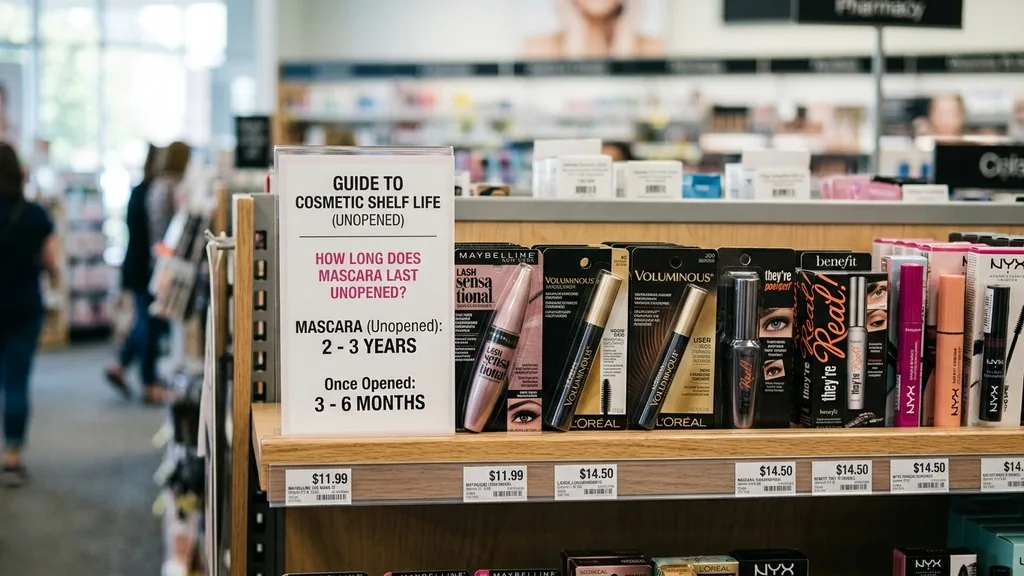
When you stock up on beauty supplies during a sale, you might wonder how long does mascara last unopened before the formula degrades. Most beauty enthusiasts assume that as long as the seal remains unbroken, the product stays pristine indefinitely.
However, the chemistry inside that small tube is far more complex than simple pigment and water. Understanding the shelf life of your cosmetics is essential for maintaining eye health and ensuring the best possible performance from your makeup collection.
The Reality of Cosmetic Shelf Life
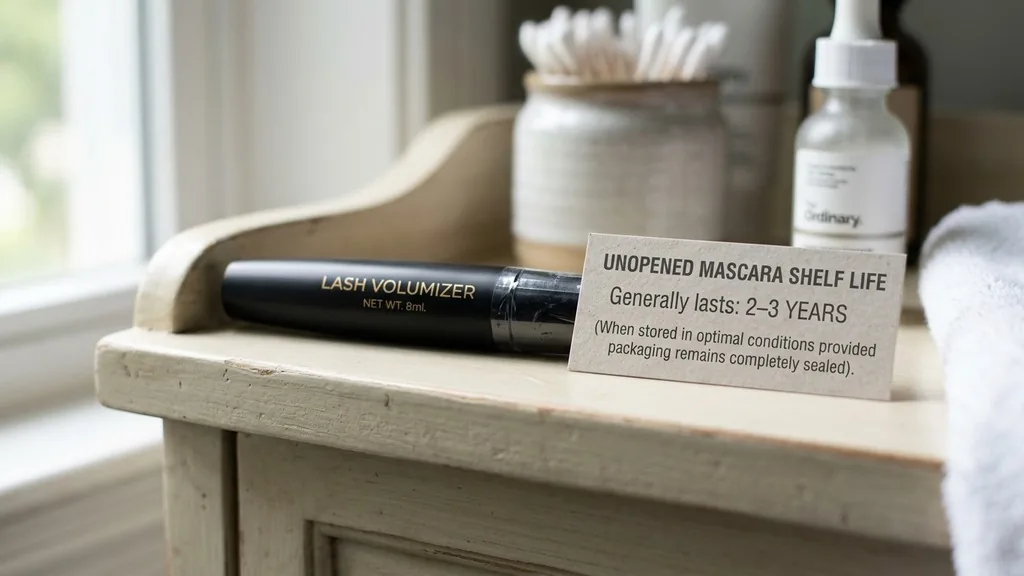
Mascara generally lasts between two and three years when stored in optimal conditions, provided the packaging remains completely sealed. While many consumers believe that unopened makeup stays fresh forever, the chemical stabilizers and preservatives inside the formula eventually break down over time.
Even without exposure to air, the ingredients will undergo subtle changes that can alter the consistency, pigmentation, and overall safety of the product. Manufacturers typically design these formulas to remain stable for a specific window, which is why checking for batch codes is a smart habit for any beauty lover.
When considering the longevity of your stash, it is important to distinguish between the “period after opening” (PAO) symbol and the total shelf life. The PAO symbol, usually represented by a small jar icon with a number like “6M” or “12M,” indicates how long the product is safe once the air hits it.
Unopened products, however, rely on their original factory seal to prevent oxidation and microbial growth. If you store your items in a cool, dark place, you maximize the chance of hitting that two-year mark without any degradation in quality.
Why Unopened Mascara Eventually Expires
Even if you never break the seal, the ingredients inside the tube are not immune to the passage of time. The primary culprits behind expiration are the degradation of preservatives and the instability of specialized polymers.
Over the years, the chemical bonds that keep the wax, water, and pigments emulsified can weaken. This leads to separation, where the oil or water phase might pull away from the pigment, resulting in a clumpy or streaky application once you finally decide to use it.
Furthermore, most modern formulas include active ingredients meant to condition your lashes, such as oils, peptides, or vitamins. These organic components are particularly susceptible to chemical breakdown. While they won’t necessarily turn toxic overnight, their efficacy diminishes significantly.
You might find that a three-year-old tube of mascara, while technically “unopened,” fails to provide the volume or length it promised when it was fresh. The preservatives, which are designed to keep bacteria at bay, also lose their potency, leaving the formula less protected against potential contamination the moment you do open it.
Environmental Factors and Storage Conditions
Where you store your makeup significantly influences how long it stays viable. Many people make the mistake of keeping their beauty products in the bathroom, where temperature and humidity levels fluctuate wildly. Heat and moisture are the enemies of cosmetic stability.
When a tube of mascara is exposed to the steam from a hot shower followed by the cooling effect of air conditioning, the contents expand and contract. This process can stress the internal seal and potentially invite air into the tube, effectively “opening” it before you ever intended to.
To ensure your unopened products reach their full potential shelf life, treat them like fine art or medicine. Store your backup tubes in a cool, dry environment, such as a vanity drawer or a dedicated cool-storage box away from direct sunlight. Sunlight causes UV degradation, which can break down the pigments and change the color of the formula.
If you live in an exceptionally hot climate, keeping your unopened stock in a climate-controlled area is the best way to prevent the ingredients from compromising. Proper storage can often be the difference between a product that lasts two years and one that fails after only twelve months.
Identifying Signs of a Compromised Product
If you find a tube of mascara that has been sitting in your stash for a long time, you should perform a thorough inspection before applying it to your eyes. Even if the seal looks intact, you must be vigilant.
Look for signs of “sweating,” where small droplets of liquid appear on the outside of the tube, or a noticeable change in the weight of the product. If the tube feels suspiciously light, it may indicate that the internal moisture has evaporated through the plastic over time.
Once you break the seal, your senses are the best tool for assessment. A fresh, properly stored product should have a relatively neutral, chemical, or slightly waxy scent. If the mascara gives off a sharp, vinegar-like, or rancid odor, discard it immediately.
This is a clear indicator that the preservatives have failed and the formula has oxidized or become contaminated. Additionally, check the texture on your hand. If the formula is stringy, lumpy, or separates into distinct layers that won’t mix back together, the emulsion has collapsed, and the product is no longer fit for use.
The Risks of Using Expired Makeup
Using expired mascara poses real risks to your ocular health. The eye is an incredibly sensitive organ, and introducing outdated substances can lead to irritation, redness, or even infections like conjunctivitis.
When the preservatives in your mascara expire, the product becomes a breeding ground for bacteria and fungi. Even if the product was sealed, the aging process makes it easier for these microorganisms to thrive once the tube is exposed to the air of your bathroom.
The following table summarizes the key differences between unopened and opened product lifespans:
| Condition | Typical Shelf Life | Risk Factor |
|---|---|---|
| Unopened (Stored Properly) | 24 – 36 Months | Low (Preservative Degradation) |
| Opened (Daily Use) | 3 Months | High (Bacterial Contamination) |
| Opened (Infrequent Use) | 4 – 6 Months | Moderate (Air Exposure) |
It is always safer to err on the side of caution. If you have any doubt about the age or the integrity of a tube, it is not worth the risk of an eye infection. The cost of a new tube is far lower than the cost of a doctor’s visit or the discomfort associated with a scratched cornea or bacterial infection.
How to Track Your Beauty Inventory
Managing a large collection of makeup requires a bit of organization. If you are a fan of stocking up on your favorite items during sales, consider using a simple system to track your inventory.
You can use a permanent marker to write the purchase date on the bottom of the box or tube, or use a spreadsheet to keep track of when you bought each item. This prevents you from inadvertently using a product that has been sitting in the back of your drawer for years.
Rotating your stock is another effective strategy. Use the “first-in, first-out” method, similar to how grocery stores manage their inventory. Always place your newest purchases behind the older ones so that you reach for the older stock first.
This ensures that every product you own is used well within its prime window, minimizing waste and ensuring that you always experience the formula at its absolute best. Being intentional about your consumption habits not only saves money but also ensures that you are always using products that are fresh and effective.
Addressing Topical Gaps: The Truth About Refrigeration
A common question that arises in beauty forums is whether storing mascara in the fridge extends its life. While some people swear by this, there is no scientific evidence to suggest that refrigeration significantly extends the shelf life of unopened mascara beyond its intended manufacturer window. In fact, the cold environment can sometimes cause the waxes in the formula to harden or crystallize, which may ruin the texture once you bring it to room temperature.
The primary benefit of a cool, dark place is consistency. Refrigerators can be humid, and the temperature fluctuations when you open the fridge door can actually be detrimental to the delicate emulsion of cosmetic products. Instead of a fridge, focus on a stable room temperature.
You can find more information on how to properly maintain your cosmetic products through the FDA guidelines on cosmetic shelf life and safety. Stick to a drawer or a cabinet that doesn’t get direct sun, and you will achieve better results than you would with refrigeration.
Best Practices for Maintaining Lashes
The health of your eyes is paramount, and the way you handle your mascara plays a huge role in that. Even when you start with a brand-new, fresh tube, your habits during application dictate how long that product remains safe.
Never “pump” your mascara wand into the tube, as this forces air into the container, which accelerates the oxidation process and dries out the formula prematurely. Instead, gently swirl the wand to pick up the product.
Keep your mascara wand clean. Over time, skin cells, oils, and bacteria from your lashes get transferred back into the tube. If you notice the formula becoming thick or clumpy before the three-month mark, it might be due to these contaminants.
If you ever develop an eye infection, you must discard any eye makeup you were using at the time, regardless of how new it is. No amount of money spent on high-end products is worth compromising your vision or the health of your eyelids.
FAQ Section
- Can I use mascara that is 2 years old if it has never been opened? It is generally safe to use if it has been stored in a cool, dark place, but you should inspect it for any changes in smell, texture, or color before applying it near your eyes.
- What happens if I use mascara that has expired? Using expired mascara increases the risk of bacterial contamination, which can lead to eye infections, severe irritation, or allergic reactions. The preservatives are no longer effective, making your eyes vulnerable to pathogens that thrive in old cosmetic formulas.
- How can I tell if my mascara has gone bad? Check for a rancid or chemical smell, look for signs of separation or clumping in the formula, and test the consistency on your hand. If the product feels different than when you first bought it, it is time to throw it away.
- Does the type of mascara affect how long it lasts? Yes, waterproof formulas or those with high oil content may have slightly different stability profiles than water-based mascaras. Always follow the manufacturer’s specific expiration recommendations, as some specialized formulas are designed to be more delicate and may expire faster.
Maintaining your makeup collection is about balance. You want to enjoy your favorite products, but you must respect the chemistry that makes them work.
By keeping your inventory organized, storing your products correctly, and knowing when to let a tube go, you ensure that your beauty routine remains both effective and safe. Always prioritize your health over the desire to finish a product, and you will enjoy a beautiful, irritation-free experience with your makeup every single day.


