


The question of how long should a tube of mascara last is one that every frequent makeup user must address to maintain optimal eye health. While the packaging might suggest a longer shelf life, the reality of product degradation and bacterial accumulation often dictates a much shorter window of safe use.
Mascara is unique among beauty products because the application process involves repeatedly inserting a wand into a dark, moist, and nutrient-rich environment, creating the perfect breeding ground for microorganisms. Understanding the timeline for replacement is not just about product performance; it is a fundamental aspect of maintaining ocular hygiene and preventing potential infections.
The Three-Month Rule: Why Timing Matters
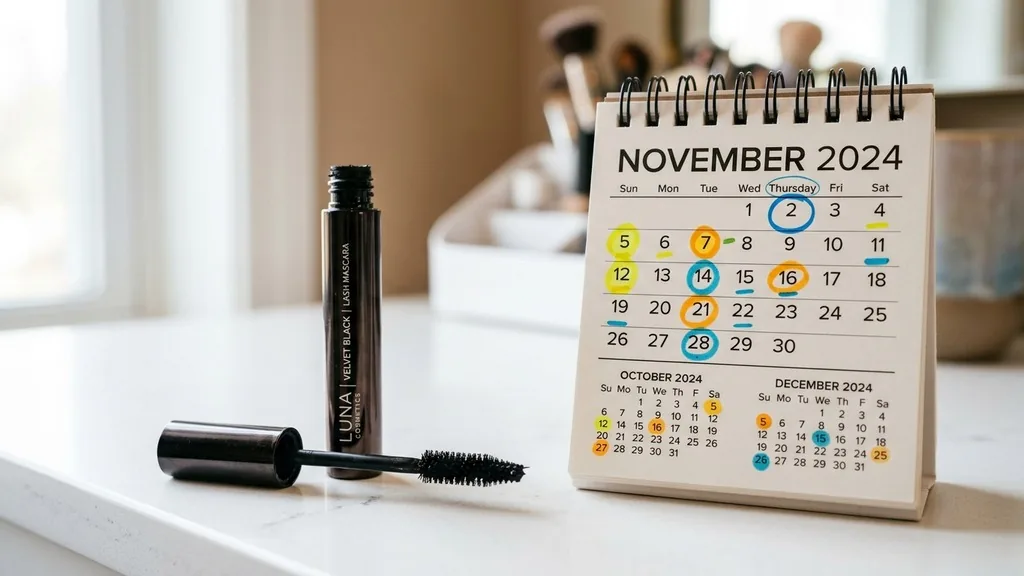
The industry-standard recommendation for how long a tube of mascara should last is strictly set at three months. This timeframe is not a random marketing suggestion designed to sell more product; it is based on the chemical stability of the formula and the inevitable introduction of contaminants.
Once you break the seal of a new tube, the clock begins to tick. The moment the wand is removed and exposed to the air, oxygen enters the container, which initiates a slow chemical breakdown of the preservatives designed to keep the formula safe.
Furthermore, every time you pull the wand out to apply product to your lashes, you are introducing microscopic debris, skin cells, and ambient bacteria into the tube. Over the course of 90 days, these contaminants accumulate to a level that can overwhelm the preservatives within the mascara.
Even if the product looks, smells, and performs exactly as it did on day one, the hidden reality is that the microbial load has likely increased significantly. Ignoring this three-month window significantly heightens the risk of developing conjunctivitis, styes, or more severe inflammatory reactions that can impact your vision.
Signs Your Mascara Has Expired Before the Three-Month Mark
While the three-month rule is the gold standard, your specific usage habits or environmental factors might cause a product to expire prematurely. Being able to identify the physical signs of degradation is essential for protecting your eyes. If you notice any of these changes, you should discard the product immediately, regardless of how long it has been since you opened it.
- Change in smell: A sharp, chemical, or “off” odor is a primary indicator that the preservatives have failed and bacteria are proliferating.
- Texture changes: If the mascara becomes clumpy, dry, or stringy, the formula has likely degraded, which can lead to unsightly flaking and irritation.
- Color shifts: Any noticeable change in the pigment or a separation of the formula that cannot be fixed by a gentle shake suggests that the chemical composition is unstable.
- Irritation: If you experience any redness, itching, or a burning sensation upon application, the mascara is almost certainly the culprit and must be retired.
It is important to note that many users attempt to “revive” dried-out mascara by adding water, eye drops, or oil. This practice is strongly discouraged by professionals. Adding foreign substances to the tube alters the pH balance and introduces new moisture, which actually accelerates bacterial growth rather than making the product safe to use again.
The Hidden Dangers of Bacterial Growth
Your eyes are incredibly sensitive, and the mucous membranes surrounding them provide an easy entry point for pathogens. When you use an expired tube of mascara, you are essentially painting your lashes with a concentrated dose of bacteria. The warm, dark, and damp interior of the mascara tube is an ideal environment for common skin bacteria, such as Staphylococcus epidermidis, to multiply rapidly.
When these bacteria are transferred to the lash line, they can easily migrate into the eye, leading to a variety of conditions. Common reactions include bacterial conjunctivitis, which presents as redness, discharge, and intense itching. In more severe cases, chronic use of contaminated products can lead to blepharitis—the inflammation of the eyelid margins—which is notoriously difficult to treat and can result in the loss of eyelashes.
By adhering to the three-month replacement cycle, you minimize the risk of these infections and ensure that your beauty routine does not compromise your ocular health. For more information on maintaining eye safety, you can consult the American Academy of Ophthalmology, which provides comprehensive guidelines on preventing eye infections related to cosmetic use.
Comparison of Mascara Types and Longevity
Not all cosmetic products are formulated the same way, and the type of formula you choose can influence its shelf life and performance. Waterproof formulas, for example, often contain different binding agents and volatile solvents compared to standard water-based formulas. These differences can change how the product interacts with the air and how quickly it dries out.
| Mascara Type | Average Shelf Life | Key Characteristics |
|---|---|---|
| Standard/Water-Based | 3 Months | Easier to remove, prone to smudging, dries out faster. |
| Waterproof | 3 Months | Resistant to moisture, requires oil-based cleanser. |
| Tubing Mascara | 3 Months | Forms polymers around lashes, less prone to flaking. |
| Natural/Organic | 2-3 Months | Often has fewer preservatives, higher risk of bacteria. |
While the table above indicates a similar timeframe for all types, natural or organic beauty products often require even stricter adherence to the three-month rule. Because these products often eschew traditional synthetic preservatives in favor of natural alternatives, they are significantly more susceptible to spoilage. If you opt for “clean” beauty, be extra vigilant about the smell and texture of your product, as these formulas lack the robust chemical stabilizers found in conventional cosmetics.
Best Practices for Extending Product Utility
While you should never exceed the three-month safety limit, there are ways to ensure your mascara remains in the best possible condition throughout its usable life. The way you handle your wand and store your products plays a major role in preventing premature expiration.
First, avoid the common habit of “pumping” the wand into the tube. Many people do this to pick up more product, but this action forces air into the tube, which dries out the formula much faster and can introduce airborne contaminants. Instead, gently swirl the wand inside the tube to coat the bristles.
Second, store your makeup in a cool, dry place. Many people keep their cosmetics in the bathroom, but the humidity from showers and the fluctuations in temperature can degrade the formula. A vanity or a cool drawer away from direct sunlight is much better for the longevity of your makeup.
Finally, never share your mascara with others. Even if it is a friend or family member, sharing eye makeup is the fastest way to transmit bacterial or viral infections. Your mascara should be treated as a personal medical device rather than a communal beauty product.
Addressing Common Misconceptions and Topical Gaps
A frequent question that arises in online beauty forums is whether a tube of mascara can last longer if it is rarely used. The answer is a definitive no. The expiration date of cosmetic products is determined by the date of first use, not the frequency of application.
Once the protective seal is broken and the wand is introduced to the interior, the countdown begins. Even if you only use the mascara once a week, it has been exposed to the environment and the potential for contamination remains high.
Another common gap in knowledge concerns the total number of applications in a tube. While this varies by brand and volume, most standard tubes contain enough product for approximately 40 to 60 applications. If you are a daily user, you will naturally reach the end of the product’s life cycle around the three-month mark.
If you are an occasional user, you may find that the product is “empty” or dried out long before the three months have passed. In either case, the three-month rule serves as the final cutoff. Never attempt to use a tube of mascara for a year or longer, as the preservative system will have long since failed, leaving you vulnerable to significant eye health issues.
Frequently Asked Questions
How do I know if my mascara is empty?
You will notice the wand comes out with very little product on the bristles, or the application appears streaky and sparse. If you have been using the product for three months and it feels empty, do not try to scrape the sides; simply dispose of it.
Can I use a tube of mascara that is one year old?
No, you should never use a year-old mascara. By that point, the preservatives have broken down, and the product is likely a breeding ground for harmful bacteria. Using old makeup poses a severe risk of eye infections, including conjunctivitis and corneal abrasions.
How often should I replace my tubing mascara?
Tubing mascara should also be replaced every three months. Despite its unique formulation that wraps lashes in polymers, it is still subject to the same bacterial contamination risks as standard mascara. Regardless of the technology, the three-month rule remains the industry safety standard.
What happens if I accidentally use expired mascara?
If you use expired mascara once, you may not experience immediate symptoms. However, you have increased your risk of bacterial exposure. Monitor your eyes for redness, irritation, or discharge over the next 48 hours. If symptoms develop, discontinue use and consult a healthcare professional.


