

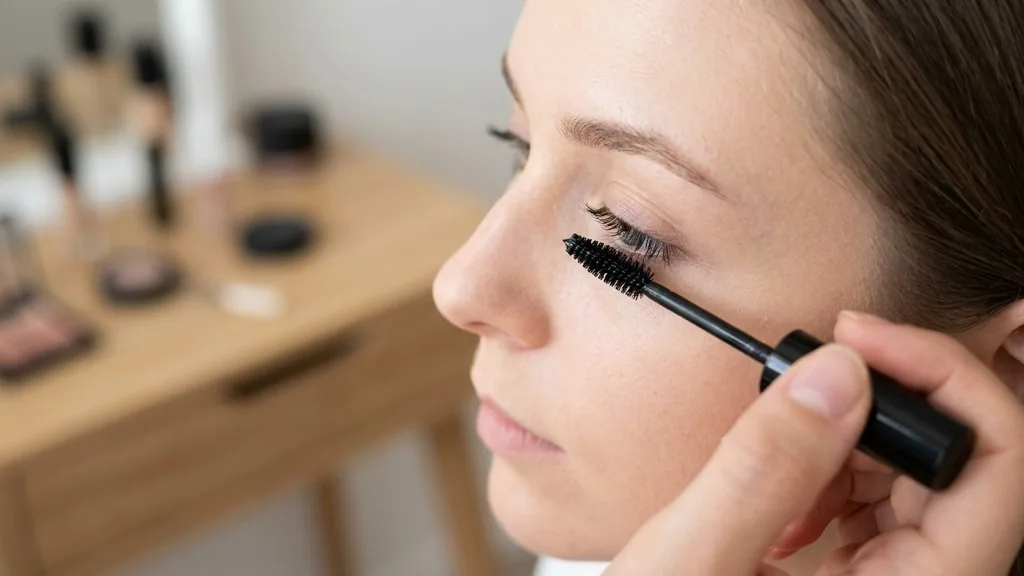
Mascara makeup is a cosmetic staple found in nearly every beauty kit across the globe. By darkening, thickening, lengthening, and defining the eyelashes, this single product has the power to transform the appearance of the entire face.
While it is often considered a basic item, the science and artistry behind its formulation are remarkably complex. Understanding how this product works—and why it has remained a constant in beauty routines for over a century—requires looking at its history, its chemical composition, and the specific application techniques that yield professional results.
The Historical Evolution of Mascara

Mascara as a concept has existed for thousands of years, long before the modern tubes we recognize today. Ancient Egyptians used kohl, a mixture of galena, malachite, and charcoal, to darken their lashes and eyelids.
They believed that lining the eyes served a spiritual purpose, protecting the wearer from evil spirits while simultaneously shielding the delicate skin around the eye from the harsh desert sun. This early form of eye enhancement was not merely aesthetic; it was deeply functional and cultural.
During the Victorian era, the focus shifted toward a more subtle, natural look. Women often created their own DIY lash enhancers using mixtures of soot and elderberry juice. It wasn’t until the early 20th century, specifically 1913, that Eugene Rimmel and later T.L.
Williams—the founder of Maybelline—popularized the commercial product. Williams famously observed his sister Mabel applying a mixture of coal dust and petroleum jelly to her lashes to attract a suitor, leading to the creation of the first mass-marketed “cake” mascara. This solid block had to be wetted with a brush before application, a far cry from the convenient liquid tubes that dominate the market today.
Core Ingredients and Chemical Composition
At its most basic level, mascara is a mixture of pigments, oils, waxes, and polymers. Each ingredient serves a specific purpose in ensuring the product adheres to the lashes, resists smudging, and provides the desired volume or length.
The base of most formulas is a combination of waxes, such as beeswax, carnauba wax, or paraffin. These waxes provide the structure that allows the formula to coat each individual hair and hold a curl throughout the day.
Pigments are responsible for the color. Iron oxides are the industry standard for black and brown shades, providing a rich, opaque finish that doesn’t fade easily. To ensure the product stays put, manufacturers add film-forming polymers.
These polymers create a thin, flexible layer around the lash, preventing the makeup from flaking or running when exposed to moisture. It is the balance of these components that determines whether a product feels lightweight or heavy, and whether it holds up in humid conditions or requires a gentle cleanser to remove.
- Pigments (Iron Oxides): Create the deep color intensity required for definition.
- Waxes (Beeswax, Carnauba): Provide the body, texture, and structural hold for the lashes.
- Polymers: Act as binders to ensure the formula adheres to the hair and resists flaking.
- Preservatives: Prevent bacterial growth, which is critical for products used near the sensitive eye area.
- Conditioning Agents: Ingredients like panthenol or vitamin E help keep lashes soft and prevent breakage.
Understanding Waterproof vs. Washable Formulas
One of the most frequent questions regarding mascara makeup is the difference between waterproof and standard, water-soluble formulas. Waterproof options are designed to withstand water, sweat, and tears by utilizing a higher concentration of waxes and volatile solvents that evaporate upon application.
These formulas are ideal for special occasions, swimming, or for those with hooded eyelids that naturally cause smudging. However, because they are designed to be resistant to liquids, they are significantly harder to remove.
Washable formulas, on the other hand, are water-based. They are much easier to wash off with simple soap and water or a mild cleanser, making them a better choice for daily use.
They are generally gentler on the lashes, as the removal process requires less friction. For those who wear contact lenses or have sensitive eyes, a water-soluble formula is often recommended to avoid the harsh rubbing required to dissolve the stubborn waxes found in waterproof variants.
| Feature | Waterproof Mascara | Washable Mascara |
|---|---|---|
| Primary Solvent | Volatile oils/waxes | Water |
| Removal Ease | Requires oil-based cleanser | Soap and water |
| Best For | Humidity and long wear | Daily use and sensitive eyes |
| Risk of Breakage | Higher (due to removal) | Lower |
The Role of the Wand and Brush Design
The applicator, commonly referred to as the wand or spoolie, is just as important as the formula itself. The shape, material, and bristle density of the brush dictate how the product is distributed across the lashes.
A thick, fluffy brush is typically designed to deposit more product, creating a voluminous, dramatic look. Conversely, a thin, plastic-bristled wand is better for precision, separating individual lashes and reaching the tiny hairs in the inner and outer corners of the eye.
Modern innovations have introduced curved wands, which are intended to mimic the natural shape of the eyelid and lift the lashes from the root. Some wands feature a ball-tip design, allowing for targeted application on lower lashes or specific sparse areas. Understanding your own lash type—whether they are straight, downward-pointing, or sparse—can help you select a brush shape that complements your natural eye shape rather than fighting against it.
Application Techniques for Professional Results
Applying mascara correctly is an art form that can significantly change the look of your eyes. For the best results, start at the very base of the lash line. Wiggle the wand back and forth as you pull it through to the tips.
This “zig-zag” motion ensures that the roots are coated heavily, which provides the illusion of a thicker lash line and a more lifted appearance. If you want to avoid clumps, apply thin, buildable layers rather than one thick, heavy coat.
Another essential technique involves “blinking” into the wand. By placing the wand at the base and blinking slowly while moving the wand upward, you allow the brush to coat every lash evenly without the need for excessive wrist movement.
For a more open-eyed effect, focus the product on the center lashes, while a winged, cat-eye look can be achieved by concentrating more product on the outer corners. Always remember to check for clumps with a clean spoolie brush if you accidentally apply too much.
Addressing Sensitivity and Eye Health
Because the eye area is highly susceptible to infection, proper hygiene is paramount when using any form of eye makeup. Mascara is a breeding ground for bacteria because the wand is repeatedly pulled out and pushed back into the tube, introducing air and contaminants.
To protect your vision, you should replace your product every three months. If you notice a change in the smell, texture, or color of the product, discard it immediately, even if it hasn’t been three months yet.
If you have sensitive skin or a history of allergic reactions, look for “ophthalmologist-tested” or “hypoallergenic” labels. These products are formulated to minimize irritation.
You can find more detailed information on eye health and cosmetic safety through the official FDA guidance on eye cosmetic safety. Always avoid sharing your products with others, as this is the quickest way to transmit bacteria, such as staph or pink eye, between individuals.
Topical Gaps: Debunking Common Myths
There are many misconceptions regarding lash enhancement that persist in the beauty industry. One common myth is that using mascara every day will cause your lashes to fall out. While it is true that tugging on lashes during removal can cause breakage, the product itself does not cause hair loss when used correctly.
The issue usually lies in the removal process rather than the application. Using a gentle, oil-based makeup remover allows the product to slide off without the need for abrasive scrubbing.
Another gap in common knowledge involves the use of “lash primers.” Many believe these are just extra products intended to make you spend more money, but they serve a functional role. A primer coats the lashes in a white or tinted base, adding extra volume and length before the black pigment is applied.
It also acts as a barrier, conditioning the lashes so that the final coat adheres more smoothly. If you find your lashes look thin or brittle, a nourishing primer can bridge the gap between a standard look and a more dramatic, healthy-looking result.
The Future of Lash Technology
As technology advances, we are seeing a shift toward hybrid products that combine makeup with skincare. Modern formulas now often include peptides, biotin, and keratin to strengthen the lashes while you wear them. This trend toward “clean beauty” means that many brands are removing parabens, sulfates, and synthetic fragrances from their ingredients lists to cater to a more health-conscious consumer.
Furthermore, the industry is experimenting with tubing technology. Unlike traditional formulas that coat the hair in wax, tubing mascara creates tiny, water-resistant “tubes” around each lash. These tubes do not smudge or flake, even if you rub your eyes, because they are resistant to oil.
When it comes time to remove them, they slide off easily with warm water and gentle pressure. This innovation represents the next stage of evolution for the product, aiming to solve the eternal struggle between long-lasting wear and easy removal.
FAQs
- How often should I replace my mascara? You should replace your product every three months to prevent bacterial growth. Even if the tube still feels full, the environment inside becomes a breeding ground for germs that can cause eye infections, so it is safer to start fresh regularly.
- Can mascara make my lashes grow longer? Most products only provide a temporary visual effect. However, some formulas contain conditioning ingredients like peptides or biotin that help prevent breakage. When lashes are protected from snapping, they may appear longer and healthier over time, but the product itself does not accelerate hair growth.
- Is it bad to sleep with makeup on? Yes, sleeping with eye makeup is harmful. It can lead to clogged follicles, irritation, and potential infections. The product can also cause lashes to become brittle and break throughout the night. Always cleanse your face thoroughly before bed to maintain the health of your eyes and lashes.
- How do I remove waterproof mascara without damaging my lashes? Use an oil-based makeup remover or a micellar water specifically formulated for waterproof makeup. Saturate a cotton pad, press it gently against your closed eyelid for 15–20 seconds to dissolve the wax, and then wipe away. Avoid pulling or rubbing, as this causes lash loss.


