

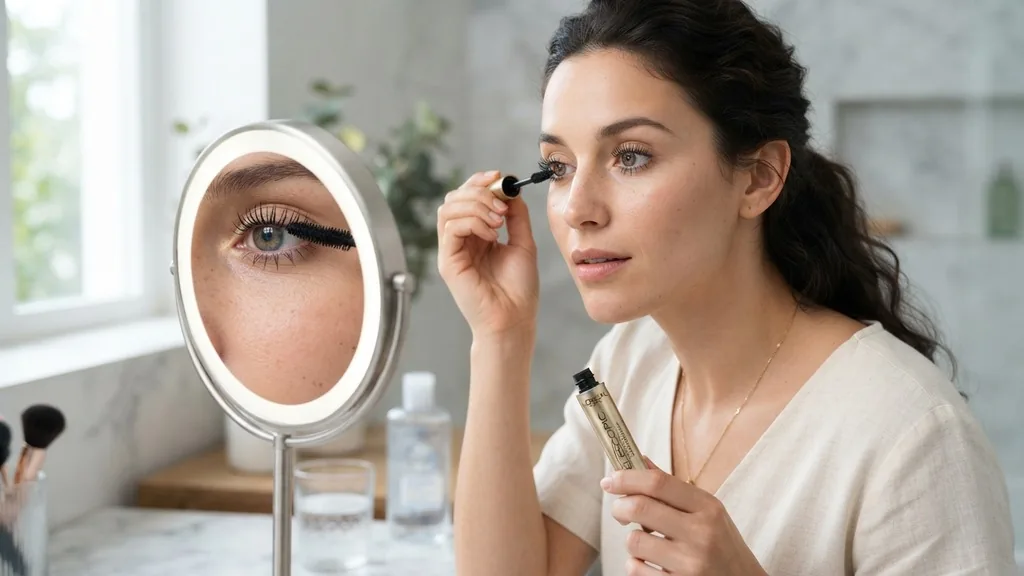
Determining whether your favorite makeup product will hold up against humidity, tears, or a gym session is a common concern for beauty enthusiasts. Many users frequently ask the question: is telescopic mascara waterproof? The short answer is that it depends entirely on which specific version of the L’Oreal Telescopic line you are holding.
While the iconic gold-tube original is beloved for its lengthening capabilities, it is not inherently waterproof. However, the brand has developed variations over the years designed specifically to withstand moisture. Understanding the distinction between these formulas is essential for ensuring your eye makeup remains pristine throughout the day.
Decoding the Original Telescopic Formula
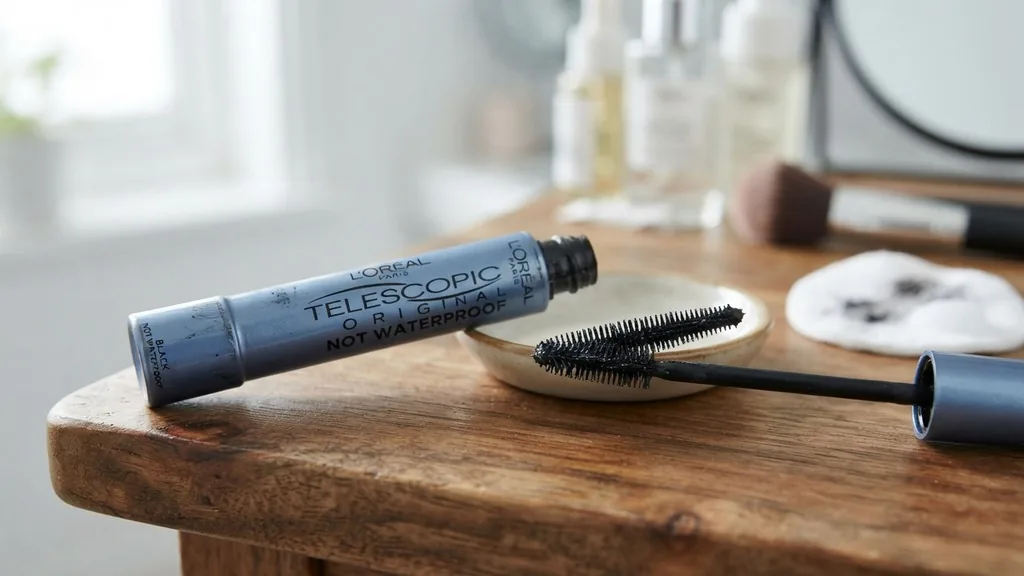
The original telescopic mascara is not waterproof, meaning it is formulated to be removed easily with soap and water. This classic product is widely recognized in the beauty industry for its precise, comb-like brush that captures even the smallest, shortest lashes. Because it lacks the heavy-duty water-resistant agents found in specialized formulas, it provides a more flexible, lightweight feel on the lash.
If you are wondering why someone would choose a non-waterproof version, the answer lies in lash health and convenience. Non-waterproof formulas are generally less taxing to remove at the end of the day. You don’t need to tug or pull at your delicate eye area, which helps prevent premature lash loss.
For those who work in climate-controlled environments and don’t encounter much humidity, the original formula is often the preferred choice. It offers a clean, clump-free finish that separates every individual strand, creating a look that is often described as “fanned out.” If you have sensitive eyes, you might find that the standard formula is more comfortable for daily wear, provided you aren’t planning to go swimming or expecting a particularly emotional day.
Identifying the Waterproof Variations
If you need a formula that can survive a rainstorm or a sweat-filled workout, you should look for the specific packaging that explicitly states “Waterproof” on the label. L’Oreal has released versions of the Telescopic range, such as the Telescopic Waterproof, designed to lock onto your lashes with a more resilient film. These products are engineered to resist smudging and running when exposed to water, oil, or high humidity.
The key difference in these waterproof versions lies in the chemical composition. While the original relies on water-soluble ingredients, the waterproof iterations incorporate specific polymers and waxes that create a hydrophobic barrier. This barrier prevents the pigment from dissolving or migrating when moisture touches the eye area.
When purchasing, check the tube carefully. If the word “Waterproof” is absent from the front or back of the packaging, you can safely assume it is the washable version.
Relying on the color of the tube alone can sometimes be misleading, as product lines often undergo packaging refreshes. Always prioritize the text on the label to ensure you are getting the exact performance you expect from your mascara.
The Science of Waterproof Lash Products
At the heart of any waterproof product is a sophisticated blend of ingredients designed to repel moisture. When you compare standard mascaras to their waterproof counterparts, the primary difference is the presence of specialized film-formers and specific types of wax. In many professional-grade products, you will find ingredients like cera alba, which is a refined beeswax, or various types of synthetic polymers.
These ingredients work by creating a cohesive seal around each lash. Once the solvent in the mascara evaporates, the wax and polymers harden into a flexible but water-resistant coating. This is why waterproof mascara feels slightly different when you apply it—it often dries faster and can feel a bit firmer to the touch once set.
The inclusion of cire (the French term for wax) and various copolymers allows the product to withstand the natural oils produced by your skin, which is a major factor in why standard mascaras often smudge on the lower lash line. By creating a barrier that is impervious to water-based fluids, these ingredients ensure that your look remains intact regardless of environmental challenges. For a deeper look into the safety of ingredients used in cosmetics, you can consult the official guidelines provided by the FDA regarding mascara safety and usage.
How to Tell if Your Mascara is Water-Resistant
Knowing whether your mascara is truly waterproof can save you from the dreaded “raccoon eye” effect. Beyond reading the label, there are a few practical ways to determine the nature of your product.
One simple method is to check the ingredient list for high concentrations of volatile solvents or film-forming agents. If you see ingredients like isododecane or various acrylates copolymers listed near the top of the ingredients, it is highly likely that the product is designed for long-wear and water resistance.
Another indicator is the removal process. If your current tube is labeled as “washable,” it will typically dissolve into a milky consistency when you splash warm water on your face. A waterproof formula, by contrast, will remain completely intact when exposed to water.
It will require an oil-based makeup remover, a micellar water specifically formulated for waterproof makeup, or a cleansing balm to break down the wax and polymer bonds. If you are ever in doubt, apply a small amount to the back of your hand, let it dry completely, and then run it under a stream of water.
If the pigment starts to smear or rinse away, you are dealing with a water-soluble formula. If it stays put even after gentle rubbing, you have a waterproof product.
Comparing Telescopic Formulas
Choosing between the different versions of this popular lash product involves weighing your daily needs against your desire for longevity. The following table provides a quick reference to help you distinguish between the general characteristics of the standard and waterproof offerings within the Telescopic family.
| Feature | Standard Telescopic | Waterproof Telescopic |
|---|---|---|
| Resistance | Low (Washable) | High (Moisture/Oil) |
| Removal | Easy (Warm Water/Soap) | Requires Oil-Based Remover |
| Best For | Daily wear, sensitive eyes | Humidity, sports, long events |
| Finish | Lightweight, fanned out | Firm, set, smudge-resistant |
This comparison highlights that there is no “better” option in a vacuum; it is entirely dependent on the context of your day. If you have a long day at the office followed by a gym session, the waterproof version is the logical choice. However, if you prefer a product that is effortless to remove before bed to minimize mechanical stress on your lashes, the standard version is superior.
Common Topical Gaps: Addressing Misconceptions
There is a significant amount of confusion regarding whether the “Gold” tube versus the “Black” tube indicates waterproof properties. Many users assume that because the gold packaging is the most famous, it must be the “best” or the most durable.
In reality, the color of the tube is largely a branding decision. You can find both washable and waterproof versions of these products in various packaging styles depending on the specific region or the latest collection release.
Another gap in common knowledge is the impact of lash primers. Some users think that applying a primer will make their non-waterproof mascara waterproof. This is generally incorrect.
While a good primer can help with length and volume, it does not change the fundamental chemical structure of the mascara you layer on top. If you use a washable mascara over a primer, it will still be susceptible to smudging if you get caught in the rain.
To achieve true water resistance, the mascara itself must be formulated with the necessary hydrophobic ingredients. Understanding this distinction prevents the disappointment of thinking you have “waterproofed” your lashes when you have only added a base layer.
Best Practices for Application and Longevity
Regardless of whether you choose a waterproof or standard formula, the technique you use during application significantly impacts how well the product performs. For the best lengthening effect, position the brush at the base of the lash and wiggle it slightly before pulling the wand upward. This ensures that you are depositing the maximum amount of pigment at the root, which provides the foundation for the “telescopic” look.
If you are using a waterproof formula, you must work quickly. Because these formulas contain fast-drying solvents to ensure they stay put, they can become brittle if you try to layer them too much after they have already started to set. Apply one coat, let it dry for a few seconds, and then apply a second coat if necessary.
Avoid pumping the wand in and out of the tube, as this introduces air and can cause the product to dry out prematurely. For those with sensitive eyes, ensure you are not getting any of the product too close to the waterline.
Even waterproof formulas can cause irritation if tiny particles of the product flake off and enter the eye. Always keep your mascara tubes tightly closed when not in use to maintain the integrity of the formula.
The Importance of Proper Removal
If you decide to use a waterproof mascara, your removal routine becomes the most important part of your eye care. Because waterproof products are designed to stay on through moisture and oils, simply splashing your face with water will not be sufficient. In fact, trying to force a waterproof formula off with just soap and water often leads to rubbing, which is the leading cause of lash breakage and irritation around the eyes.
To remove waterproof mascara safely, start by saturating a cotton pad with a dedicated dual-phase makeup remover or an oil-based cleanser. Press the pad gently against your closed eyelid and hold it there for 20 to 30 seconds. This allows the oil to dissolve the wax and polymers in the mascara.
Once the product has softened, gently swipe the pad downwards, following the natural direction of your lashes. Repeat this process until all the pigment is gone.
Never scrub horizontally across your lashes, as this can cause them to tangle and break. By taking the time to dissolve the product properly, you keep your natural lashes healthy and ensure that you are ready for a fresh application the next day.
Frequently Asked Questions
- Does the gold tube mean it’s waterproof? No, the color of the packaging does not indicate whether the formula is waterproof. You must always check the label on the tube or the packaging for the specific word “Waterproof” to confirm the formula’s resistance to moisture.
- Can I use a waterproof mascara every day? Yes, you can, provided you are thorough with your removal process. Because waterproof formulas are harder to remove, ensure you use an oil-based cleanser to avoid pulling or damaging your lashes during the nightly cleaning routine.
- Why does my mascara smudge if it’s supposed to be waterproof? If your waterproof mascara is smudging, it is likely reacting to the natural oils on your eyelids. Try using an oil-control primer on your lids or setting the area with a translucent powder before applying your mascara to create a dry, oil-free surface.
- How often should I replace my mascara? For health and safety reasons, you should replace your mascara every three months. Over time, the formula can degrade, and the brush can become a breeding ground for bacteria, which can lead to eye infections or irritation.


