

The pursuit of darkened, lengthened eyelashes is not a modern obsession. While we often think of cosmetics as a recent industry, the desire to frame the eyes with pigment dates back thousands of years. When was mascara invented?
The answer depends heavily on how you define the product. If you are looking for the modern, tube-and-wand applicator that sits in your makeup bag today, the timeline is surprisingly recent. However, if you define it as the application of dark substances to the lash line to enhance the eyes, the history stretches back to the dawn of civilization.
Ancient Origins: Kohl and the Roots of Eye Makeup
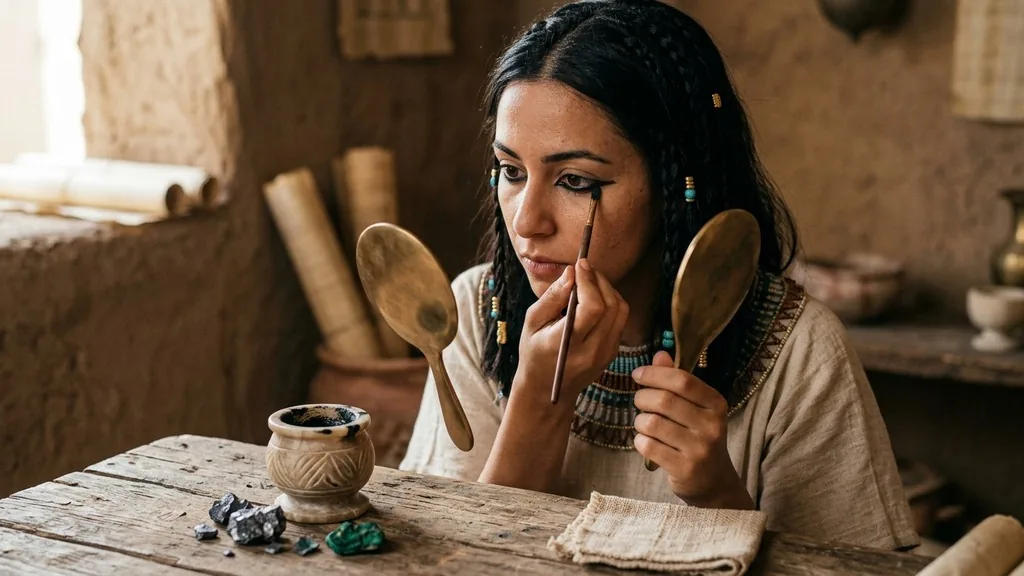
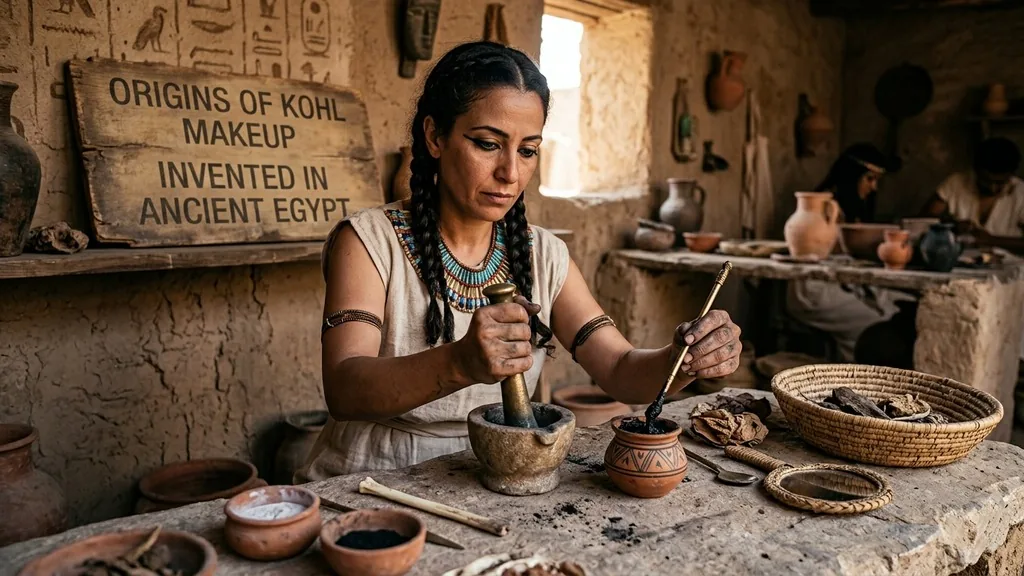
The practice of darkening the eyes began in Ancient Egypt around 3000 BCE. Ancient Egyptians, both men and women, used a substance known as kohl to define their features. This early precursor to mascara was crafted by combining galena—a lead sulfide—with malachite, charcoal, or soot.
While it served a cosmetic purpose, it was also deeply rooted in cultural and spiritual rituals. The Egyptians believed that darkening the area around the eyes provided protection against the “evil eye” and, more practically, shielded the eyes from the harsh glare of the desert sun.
These early formulations were far from the liquid, smudge-proof formulas we see on shelves today. Instead, they were thick, paste-like mixtures stored in small pots and applied using thin sticks or brushes made of wood or ivory. This historical context is vital to understanding the evolution of the product.
The transition from these ancient, mineral-based pastes to the mass-produced items of the 20th century involved centuries of experimentation with waxes, oils, and various pigments. Even as society changed, the fundamental human desire to emphasize the eyelashes remained a constant across different eras and cultures.
The Victorian Influence and the 19th Century
By the 1800s, the Victorian era had brought about a shift in beauty standards, often favoring a more “natural” look. However, the interest in eye enhancement never truly disappeared. During this period, women often experimented with homemade recipes to darken their lashes.
These DIY methods were frequently dangerous, involving substances like lampblack, coal dust, or even elderberry juice. Because there were no regulatory bodies to oversee the safety of these concoctions, many women suffered from eye irritation or infections.
This era is often cited as the bridge between ancient rituals and the birth of the beauty industry. While the first mascara as a commercial product had not yet arrived, the market was beginning to demand safer, more consistent solutions.
It was a time of transition, where the stigma against heavy makeup began to lift, slowly paving the way for the invention of mass-market cosmetics. The mid-to-late 19th century set the stage for visionaries to step in and transform these dangerous home remedies into a standardized, safe, and effective product that could be sold to the general public.
Eugene Rimmel and the Foundation of Modern Mascara
Many people mistakenly believe that the modern wand applicator has existed forever, but the credit for the first truly commercial product goes to Eugene Rimmel. In the mid-1800s, this French perfumer recognized the need for a non-toxic eye makeup.
He developed a product that combined petroleum jelly with coal dust, creating a formula that was both safe and effective. This was a revolutionary shift in the industry, as it moved away from the hazardous ingredients that had dominated the Victorian era.
Rimmel’s invention was sold as a cake-style product. Users would dampen a small brush, rub it against the solid cake of pigment, and then apply it to their eyelashes. While this seems cumbersome by today’s standards, it was a massive improvement in accessibility and quality.
The brand became so synonymous with the product that in many languages, the word “rimmel” is still used to describe mascara. His work proved that there was a viable global market for eye makeup, setting the stage for even greater innovations in the decades that followed.
Thomas Lyle Williams and the Maybelline Breakthrough
The next major leap in the story occurred in 1913, when Thomas Lyle Williams observed his sister, Mabel, applying a mixture of Vaseline and coal dust to her lashes. Inspired by her creative solution, Williams sought to create a more sophisticated version of this blend.
He founded a company called Maybelline—a portmanteau of his sister’s name, Mabel, and the key ingredient, Vaseline. This moment is often cited as the true birth of the modern American mascara industry.
His product, like Rimmel’s, was initially a cake-based formula. It required a brush and water to activate, but it was highly effective at darkening and thickening the lashes. Over the next several years, Maybelline became a household name.
By marketing the product to ordinary women through mail-order catalogs and eventually retail stores, Williams helped democratize beauty. The brand’s success demonstrated that women were eager for tools that could help them achieve a dramatic look without needing to visit a professional aesthetician or rely on dangerous homemade mixtures.
The Evolution of the Applicator
While the formula underwent several changes, the most significant innovation in the 20th century was the invention of the modern wand. For decades, users were tethered to the cake-and-brush method. In 1957, Helena Rubinstein launched the first automatic mascara, known as “Mascara-Matic.”
This product featured a pre-filled tube with a spiraled metal wand that pulled the formula out of the container. This was a total game-changer for the beauty industry.
The convenience of a self-contained applicator meant that women could apply their eye makeup on the go. No longer did they need to find water or carry around separate brushes. This transition turned the product into a staple item that could be easily tucked into a handbag.
Following this, the industry saw an explosion of variations, including different bristle types, curved brushes for curling, and specialized formulas designed to separate, lengthen, and volumize the lashes. The technical engineering behind the brush became just as important as the chemical composition of the liquid itself.
Waterproof Formulas and the Shift to Tubing
As the product became more popular, the demand for longevity increased. Consumers wanted eye makeup that could withstand swimming, rain, or a long day at work.
This led to the development of waterproof formulas, which typically rely on oil-based waxes and polymers to create a seal around the hair. While these were incredibly effective, they were notoriously difficult to remove, often requiring harsh makeup removers that could damage the delicate skin around the eye.
This frustration eventually led to the development of tubing technology. Unlike traditional formulas that coat the lash in pigment, tubing products use polymers that wrap around each individual hair like a tiny sleeve. When it comes time to remove them, these “tubes” slide off easily with warm water and gentle pressure, eliminating the need for abrasive scrubbing.
This innovation represents the current peak of mascara technology, providing the long-wear benefits of waterproof products without the associated damage. You can find more details on the evolution of these chemical processes through various historical records maintained by the Smithsonian Institution.
Topical Gaps: Addressing Common Misconceptions
When researching the history of eye makeup, several questions often arise that are not clearly addressed in standard timelines. One common question is whether the product was originally intended for men. While Ancient Egyptian men certainly wore kohl, the modern commercial product was marketed almost exclusively to women throughout the 20th century.
Another frequent query concerns the “oldest” makeup. While mascara is ancient, it shares its history with lip stains and face powders, which were used in similar timeframes by various cultures across the globe.
It is also important to address the role of celebrity influence. In the 1920s and 30s, the rise of silent film stars like Clara Bow and Greta Garbo helped cement the look of long, dark lashes as a status symbol.
These icons influenced millions of women, shifting the perception of makeup from something associated with the theater or “loose” women to a standard part of the daily beauty regimen. Below is a summary of the key milestones in the development of this product.
| Era | Development | Primary Formulation |
|---|---|---|
| 3000 BCE | Ancient Egyptian Kohl | Galena and soot |
| 1860s | Rimmel’s Cake Mascara | Petroleum jelly and coal |
| 1913 | Maybelline Foundation | Vaseline and carbon |
| 1957 | Helena Rubinstein’s Wand | Liquid in a tube |
| 1990s | Tubing Technology | Polymer-based sleeves |
The Modern Industry and Future Innovations
Today, the industry is more diverse than ever. With the rise of influencers and niche brands like Anastasia Beverly Hills, consumers have access to an incredible array of options.
We have moved past the simple dark pigment of the past to include formulas that contain vitamins, peptides, and conditioners designed to promote growth. The focus has shifted from merely cosmetic effects to products that actually nourish the hair follicles while providing a dramatic aesthetic.
The future of eye makeup lies in sustainability and personalized beauty. Many companies are now looking for ways to reduce plastic waste from discarded tubes and are experimenting with refillable systems. Furthermore, clean beauty trends have pushed brands to eliminate parabens, sulfates, and synthetic fragrances from their ingredient lists.
As we look ahead, the evolution of this product will likely mirror broader technological advancements, perhaps incorporating smart materials that react to temperature or humidity to ensure a perfect application every time. It remains a fascinating example of how a simple desire for beauty can drive centuries of industrial and chemical progress.
- Ancient kohl was used for spiritual protection and sun glare reduction.
- Eugene Rimmel pioneered the first safe, commercial-grade formula in the 1800s.
- Thomas Lyle Williams established the Maybelline brand by capitalizing on home-based beauty trends.
- The 1957 invention of the automatic wand revolutionized the speed and ease of application.
- Modern tubing technology offers long-lasting wear without the need for harsh makeup removers.
- Current trends emphasize lash health, incorporating growth-promoting ingredients like peptides.
Frequently Asked Questions
- Did they have mascara in the 1800s? Yes, but it was not the commercial product we know today. Women in the 1800s typically used homemade recipes consisting of soot, lampblack, or coal dust mixed with oils or waxes to darken their lashes, often at the risk of eye irritation or infection.
- What is the oldest makeup product? Kohl, used in Ancient Egypt, is widely considered one of the oldest forms of makeup. It was used to line the eyes for both cosmetic and perceived medicinal or protective purposes, predating the modern concept of commercial cosmetics by several thousand years.
- Was mascara originally for men? In Ancient Egypt, both men and women used kohl to darken their eyes and protect them from the sun. However, the modern commercial product developed in the 20th century was primarily marketed to women and became a central pillar of the feminine beauty industry.
- What is the #1 mascara in the world? Market trends change rapidly, but top-selling brands often include L’Oreal, Maybelline, and Lancôme. These brands dominate global sales due to their wide availability, consistent formulas, and frequent innovation in brush technology, making them the most recognizable names in the global cosmetics market today.


