

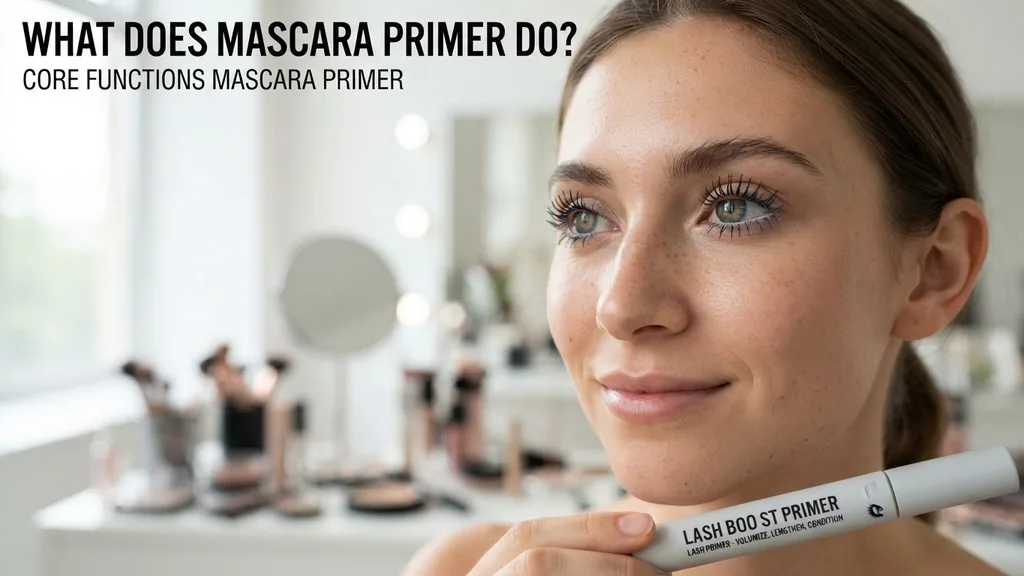
Mascara primer acts as a foundational base coat for your eyelashes, designed to enhance the performance of your regular mascara while providing structural support for your lashes. Much like a primer for your face makeup, this product creates a smooth, even surface that allows your color product to adhere better and stay longer.
When you apply it, you are essentially preparing the lashes for the heavier lifting that mascara provides. Many people wonder if it is truly necessary, but for those seeking dramatic length and volume, it serves as a critical bridge between bare lashes and a finished, high-impact look.
The Core Functions of Mascara Primer
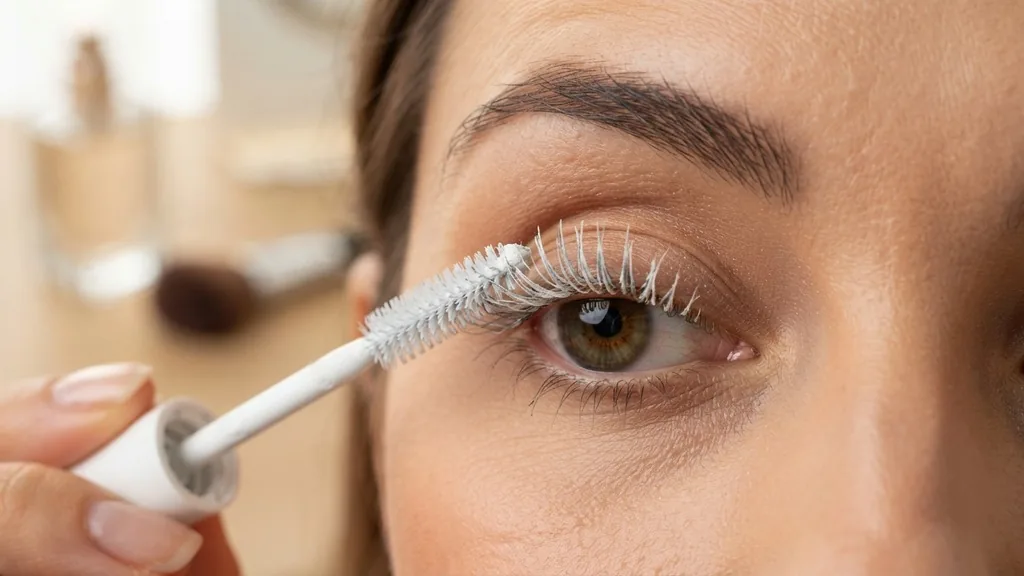
Mascara primer works by coating each individual lash with a conditioning, often white or semi-transparent, formula that thickens the appearance of the hair shaft before you ever touch it with pigment. By providing this base, it helps your mascara glide on more smoothly, preventing the dreaded clumping that occurs when mascara formulas dry too quickly or unevenly.
It acts as a physical barrier, which is particularly useful for those who struggle with smudging or flaking throughout the day. Because the primer is often infused with polymers or fibers, it physically extends the length of your lashes, creating a scaffolding effect that your mascara then builds upon.
When you use a primer, you are essentially giving your mascara something to “grip” onto. Without a base, mascara can sometimes slide off oily lashes or fail to coat the very tips of thin, light-colored hairs.
A high-quality primer ensures that every single lash is accounted for, creating a more uniform and dense appearance. It also helps in maintaining the curl of your lashes, as the formula often sets slightly stiffer than a traditional conditioning serum, helping to lock the shape in place before the weight of the mascara is added.
Comparing Primer Features and Formulas
Different formulations of mascara primer offer distinct benefits depending on your desired outcome. Some are specifically engineered for maximum volume, using thicker, mousse-like textures that physically coat the lash to make it appear wider.
Others focus on lengthening, often incorporating tiny nylon or rayon fibers that attach to the tips of your lashes to create an artificial extension. There are also conditioning primers, which function more like a nighttime treatment but are safe to wear during the day; these typically contain ingredients like panthenol, vitamin E, or peptides to nourish the lashes while they are being styled.
Choosing the right formula depends on your natural lash type. If your lashes are naturally sparse, a volumizing primer is your best ally. If they are already thick but short, a lengthening primer with fibers will provide the dramatic shift you want.
It is important to note that because the primer is usually white or tinted, you must ensure you cover it completely with your black mascara to avoid a gray or “ashy” look. The following table breaks down the primary differences between common primer types found on the market today.
| Primer Type | Primary Benefit | Best For |
|---|---|---|
| Volumizing | Thickens the lash shaft | Sparse or thin lashes |
| Lengthening | Adds artificial fiber length | Short or blunt-ended lashes |
| Conditioning | Nourishes and strengthens | Brittle or damaged lashes |
| Tinted | Reduces visibility of white base | Easier application/less smudging |
Techniques for Professional Application
Applying mascara primer is not vastly different from applying standard mascara, but the order of operations and the timing matter significantly. To get the best results, you should start by curling your lashes with an eyelash curler. This step is essential for creating the lift that the primer will eventually help set.
Once your lashes are curled, pull the wand of your primer from the tube, wiping off any excess product on the rim to prevent clumps. This is a common mistake; loading the brush with too much product will lead to a heavy, spidery finish rather than a refined, separated look.
Apply the primer from the base of your lashes, wiggling the wand back and forth to ensure the roots are fully coated, then pull the wand through to the tips. You do not need to wait for the primer to dry completely to a crisp, but letting it set for about 30 seconds is ideal.
If you apply your black mascara while the primer is still soaking wet, the two formulas might blend too much, effectively diluting the effect of both. By waiting until the primer is “tacky,” you allow the mascara to adhere to the primer’s surface without disrupting the shape it has already created.
Addressing Common Topical Gaps
A frequent question surrounding this topic is whether mascara primer actually causes long-term damage or lash loss. The concern often stems from the fact that primers can make lashes feel stiffer or harder to remove at the end of the day. The reality is that the primer itself is rarely the culprit; rather, it is the removal process.
Because you are essentially applying two layers of product, your lashes require a more thorough cleansing routine. If you are not using an effective oil-based makeup remover or a gentle micellar water to break down the bond, you may find yourself rubbing your eyes aggressively, which leads to breakage and lash loss.
Another gap in understanding involves the “tinted primer” versus the “white primer.” Many people avoid primers because they find it difficult to cover the white residue completely. If you have very dark or thick lashes, you might find that a white primer is difficult to hide, resulting in a dulling effect on your final black mascara.
In this case, a tinted primer—which is usually brown or dark gray—is a much better choice. It provides the same structural benefits without the need for perfect coverage. For more in-depth information on eye safety and beauty standards, you can check out the FDA guidance on eye cosmetic safety to ensure you are using products that meet health standards.
How Primer Influences Lash Sensational Results
When you look at popular products like the lash sensational line, you might wonder if a primer is redundant. These mascaras are designed to fan out the lashes and provide significant volume on their own. However, even with high-performance formulas like those found in the sensational sky high range, a primer can be the difference between a “good” lash day and a “great” one.
The sky high formula is famous for its lengthening capabilities, which rely on a flexible wand and a specific fiber-infused liquid. Adding a primer underneath can amplify that length even further by providing a thicker base for the fibers to latch onto.
Think of the primer as the foundation of a house and the mascara as the paint. While you can paint a wall without primer, the result is rarely as smooth, vibrant, or long-lasting.
If you have “sky high” goals for your lashes, using a conditioning primer can also prevent the mascara from becoming brittle. By keeping the lash hair supple, the primer ensures that the mascara stays flexible throughout the day, preventing the cracking or flaking that can occur when you spend hours in dry or windy environments.
The Role of Polymers and Fibers
The chemistry behind what makes a primer effective lies in its ingredients. Most modern primers rely on a combination of polymers and waxes. Polymers are responsible for the film-forming properties that hold the lash in a curled position.
When the primer dries, these polymers create a rigid yet flexible sleeve around the hair. This is why your lashes feel more “set” after using a primer. If you have ever felt that your mascara makes your lashes look great for an hour but then they slowly droop, the polymers in a primer are the solution to that specific problem.
Fibers are the other major component. These are microscopic synthetic hairs, usually made of nylon or rayon, that are suspended in the primer base. When you brush the primer onto your lashes, these fibers physically attach to your natural lash tips.
When you then layer your mascara over the top, you are effectively extending the length of your lash by the length of those fibers. This is the secret behind the dramatic, “falsie-look” lashes that many influencers achieve. It is not just the mascara; it is the structural support provided by the primer fibers.
Managing Smudging and Longevity
One of the most common reasons people start using a primer is that they are tired of their mascara migrating onto their eyelids by the afternoon. This usually happens because of the natural oils on our skin or the humidity in the air. A primer acts as a sealant.
By creating a barrier between your lash hair and your eyelid, the primer prevents the oils from breaking down the mascara formula. If you have hooded eyelids, you are likely all too familiar with the “transfer” issue. A primer can significantly reduce this by ensuring the mascara remains dry and locked onto the lash rather than becoming pliable and smudging onto the skin.
If you find that your mascara still smudges even with a primer, consider looking for a waterproof primer. While these can be more difficult to remove, they provide an extra layer of defense against moisture.
The goal is to create a “sandwich” of product that is resistant to the elements. You might also find that using a primer allows you to use less mascara overall, which is a great way to prevent the heavy, clumpy look that often leads to fallout and smudging as the day progresses.
Common Misconceptions About Lash Care
There is a persistent myth that wearing mascara primer every day will prevent your lashes from “breathing.” In reality, eyelashes are dead keratin structures, similar to the hair on your head. They do not require oxygen to stay healthy.
However, they do require moisture. If you use a heavy, waterproof primer every single day and do not remove it properly, you can cause the lashes to become dehydrated and brittle, which leads to breakage. This is where the choice of primer becomes important.
Look for formulas that are labeled as “conditioning” or “nourishing.” These contain oils and proteins that actively work to keep the lashes supple while they are coated in product. If you are a daily mascara wearer, investing in a high-quality, conditioning primer is one of the best things you can do for your lash health.
It prevents the mascara from stripping the natural moisture from your lashes. By treating your lashes with the same care you treat your skin—cleansing thoroughly and hydrating—you can enjoy the benefits of a primer without any of the drawbacks associated with long-term wear.
FAQ Section
- Do I really need a mascara primer? You don’t need one to achieve a basic look, but it is highly recommended if you want extra volume, added length, or if you struggle with mascara smudging throughout the day. It provides a necessary base that makes any mascara perform significantly better.
- How do I stop my primer from showing through my mascara? The trick is to ensure you apply your black mascara thoroughly from root to tip. If you have very dark lashes and find the white primer creates a gray cast, try using a tinted primer or apply an extra coat of mascara to ensure complete coverage.
- When is the best time to apply lash primer? Always apply your primer immediately after curling your lashes and before applying your final coat of mascara. You should let the primer sit for about 30 seconds so it becomes tacky, which helps the mascara grab onto the lashes more effectively for a smoother application.
- Does mascara primer help with lash growth? Most mascara primers are cosmetic, not medical, and do not contain growth stimulants. However, by conditioning the lashes and preventing breakage, they can help your lashes look longer and fuller over time, creating the illusion of growth rather than stimulating new hair follicles.


