


Finding dark, unsightly streaks beneath your eyes by midday is a universal frustration for anyone who wears makeup. You carefully apply your favorite formula, only to look in the mirror hours later and wonder, why does my mascara always smudge? This issue is rarely the result of a single factor.
Instead, it is typically a combination of your natural biology, the specific product you are using, and the way your skin interacts with the pigments in your mascaras. Understanding these triggers is the first step toward achieving a flawless, long-lasting look that stays exactly where you put it.
The Role of Natural Oils and Skin Chemistry
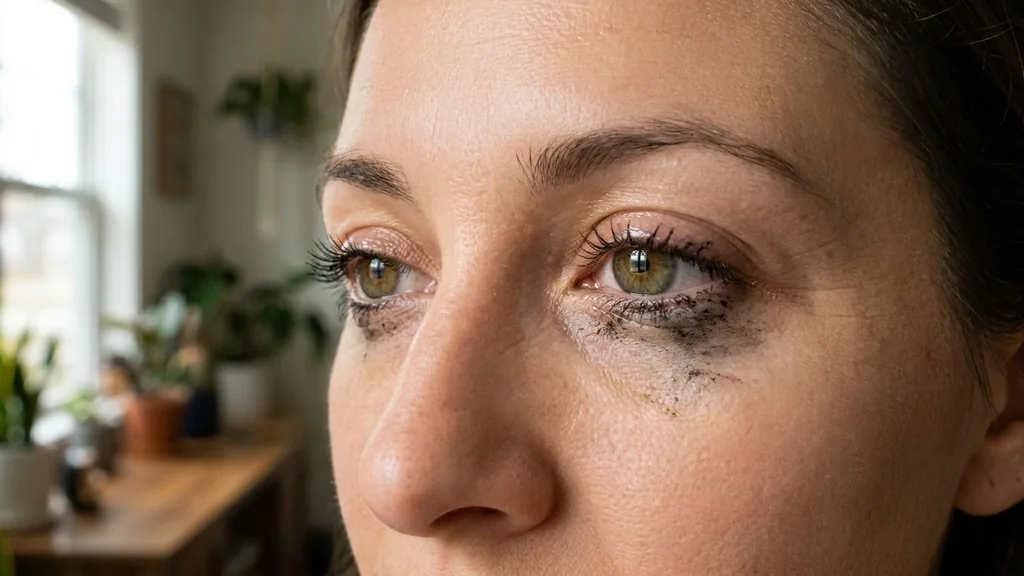
The primary reason for persistent smudging often lies in the natural oils produced by your eyes and the surrounding skin. Your eyelids are among the thinnest areas of skin on the body, and they are prone to secreting sebum throughout the day.
When these oils interact with the waxes and oils found in standard mascaras, they can break down the formula, causing it to loosen and migrate downward. If you have naturally oily skin or hooded eyelids, your lashes are constantly brushing against the skin above or below the lash line, which creates a prime environment for transfer.
Managing Sebum Production
To mitigate the impact of natural oils, you must create a barrier between your skin and your lashes. Many beauty experts suggest using a mattifying primer on the eyelid area before applying any other makeup.
By neutralizing the oil on your lids, you prevent the environment that typically dissolves the mascara’s binding agents. Additionally, setting your under-eye area with a light dusting of translucent powder can absorb excess moisture and oil before it has the chance to interact with your lashes.
Choosing the Right Formula for Your Lashes
Not all formulas are created equal, and the type of product you choose should depend on your environment and your body’s chemistry. While waterproof mascara is often marketed as the solution to all smudging problems, it can sometimes backfire. Waterproof formulas are designed to resist water, but they are often highly susceptible to oils.
If your smudging is caused by the natural oils on your skin, a waterproof formula might actually dissolve faster than a standard one. It is essential to identify whether your smudging is moisture-based or oil-based.
For many people, the solution lies in switching to a tubing mascara. Unlike traditional formulas that coat your lashes in pigment, tubing technology wraps each individual lash in water-resistant polymers that form tiny tubes. These tubes do not smudge, flake, or run.
They stay securely in place until you remove them with warm water and gentle pressure. This is a game-changing option for those who struggle with oily lids but want a look that lasts through heat, humidity, and long workdays.
The Impact of Application Techniques
How you apply your mascara dictates how well it adheres to your lashes. If you are coating your lashes from root to tip with heavy, thick layers, you are increasing the amount of product that can potentially transfer to your skin. When you apply too much product, the mascara remains tacky for a longer period, making it much easier for your lashes to “stamp” the product onto your brow bone or lower lash line every time you blink.
- Wipe excess product off the wand onto a tissue before application to prevent clumping.
- Focus the bulk of the product at the base of the lashes and use a lighter touch toward the tips.
- Wait at least thirty seconds between coats to allow the first layer to set properly.
- Use a clean spoolie brush to comb through lashes immediately after application to remove excess clumps.
- Avoid blinking rapidly while the mascara is still wet to prevent transfer to the eyelid.
Environmental Factors and Humidity
External conditions significantly influence how your makeup wears throughout the day. High humidity levels, intense heat, or even a rainy day can alter the performance of your makeup.
Moisture in the air can soften the ingredients in your mascara, making it prone to running. When you are in a humid environment, your skin also tends to produce more sweat, which mixes with the natural oils on your face, creating a cocktail that can break down even the most durable formulas.
If you live in a climate with high humidity, consider the benefits of using a sealing coat. A clear mascara topcoat can act as a shield, locking in your colored mascara and providing an extra layer of protection against environmental moisture.
Furthermore, try to keep your face cool by using a setting spray that is specifically designed to be humidity-resistant. These small adjustments help maintain the integrity of your makeup when the weather is working against you.
The Hidden Culprit: Your Skincare Routine
Your skincare products may be the hidden reason why your mascara keeps migrating. Heavy eye creams, rich face oils, and emollient-heavy sunscreens are designed to hydrate the skin, but when these products are applied too close to the lash line, they transfer to your lashes. If you apply a thick, oily eye cream in the morning and immediately follow it with mascara, you are essentially coating your lashes in a substance that is designed to break down oils and waxes.
To solve this, allow your skincare products to fully absorb for at least ten minutes before applying any makeup. If you find your eye cream is still too greasy, consider switching to a gel-based moisturizer for the daytime.
You can also lightly blot the area around your eyes with a clean tissue before applying your makeup to ensure that no excess product residue remains on the skin. You can find more detailed advice on maintaining skin health and makeup compatibility through official resources like the American Academy of Dermatology.
Addressing Common Topical Gaps
Many people wonder if putting petroleum jelly or similar products on their lashes helps or hurts. While some claim it helps create a barrier, it is generally discouraged.
Petroleum jelly is an oil-based product; applying it to your lashes before your mascara will almost certainly lead to smudging because it actively works to dissolve the mascara’s binding agents. Similarly, using an eyelash curler after the mascara is already dry is a common mistake that can cause flaking and smudging, as the pressure can crack the dried pigment.
| Mascara Type | Primary Benefit | Best For |
|---|---|---|
| Tubing | Smudge-proof | Oily skin/hooded eyes |
| Waterproof | Moisture-resistant | Swimming/rainy weather |
| Volumizing | Thickness | Thin or sparse lashes |
| Lengthening | Extension | Short lashes |
The Role of Eyelash Health and Maintenance
The condition of your lashes themselves can influence how well mascara stays put. If your lashes are brittle or damaged, they may not hold pigment as effectively as healthy, hydrated lashes.
Over-using waterproof formulas without proper removal can strip your lashes of their natural moisture, leading to breakage and a rougher surface texture. A rough surface provides more “grip” for the mascara to clump, which in turn leads to a higher likelihood of smudging.
Incorporate a lash serum into your nighttime routine to keep your lashes flexible and healthy. When your lashes are in good condition, the mascara glides on more evenly, resulting in less clumping and a more secure bond.
Additionally, ensure you are removing your makeup thoroughly every single night. Leaving residue on your lashes can cause them to become stiff and prone to flaking the next time you apply a new layer of product.
Professional Tips for Long-Lasting Makeup
If you have tried everything and still experience smudging, it may be time to rethink your entire eye makeup strategy. Some makeup artists suggest “baking” your under-eye area with a generous amount of translucent powder.
By applying a thick layer of powder and letting it sit for a few minutes before dusting it off, you create a dry, matte base that is highly resistant to any pigment transfer. This technique is especially effective for those who wear heavy makeup or have very active eyes.
Another professional secret is to use a waterproof mascara only on the tips of your lashes, while using a regular, volumizing formula on the roots. This provides the volume you want without the difficulty of removing a fully waterproof formula, while the waterproof tips act as a barrier to prevent the rest of the product from touching your lower lash line. Experimenting with different combinations of products often yields the best results for individual needs.
Frequently Asked Questions
How do I stop mascara from smudging under my eyes?
Focus on reducing oil by using a mattifying primer or setting powder around the eyes. Switch to a tubing mascara, which forms water-resistant polymers that don’t dissolve with oil, and ensure your eye cream has fully absorbed into the skin before applying any makeup.
Which mascara is best for not smudging under eyes?
Tubing mascaras are generally the best choice for preventing smudges. They wrap each lash in a tube-like coating that doesn’t melt with skin oils or sweat. They stay securely in place all day and only come off when you use warm water and gentle pressure during removal.
What does putting Vaseline on your eyelashes before mascara do?
Putting Vaseline or petroleum jelly on your lashes before mascara is not recommended. Because it is an oil-based product, it will dissolve the binding ingredients in your mascara, causing it to run, smear, and smudge almost immediately after you apply it to your lashes.
Why does my mascara never last?
Your mascara may not last due to oily eyelids, high humidity, or using skincare products that are too emollient. Additionally, applying too many layers of product or using a formula that isn’t compatible with your skin type can cause the makeup to break down prematurely throughout the day.


