

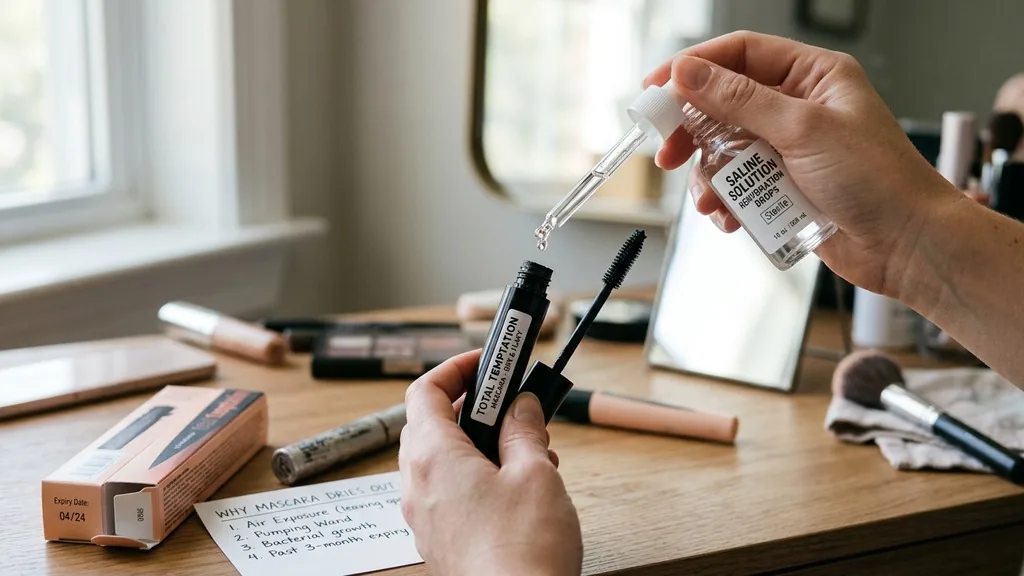
Discovering your favorite tube of mascara has turned into a clumpy, dry mess is a frustrating experience, especially when you are pressed for time. Many people assume that a thickened formula means the product is finished, but learning how to rehydrate mascara can often extend the life of your makeup significantly. By understanding the composition of your cosmetics and the proper techniques for restoration, you can avoid unnecessary waste and keep your lashes looking defined and voluminous for longer.
Understanding Why Mascara Dries Out
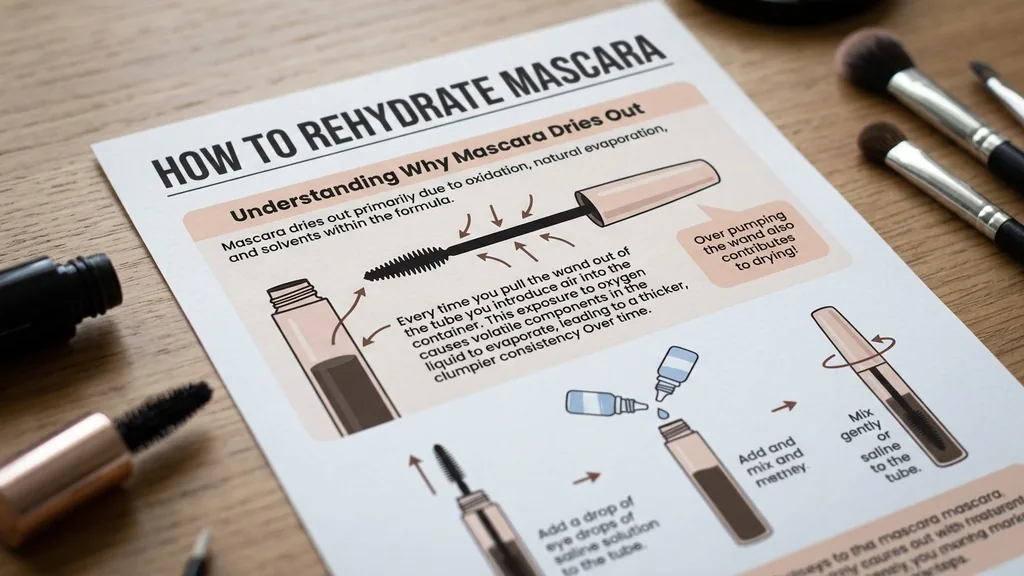
Mascara dries out primarily due to oxidation and the natural evaporation of solvents within the formula. Every time you pull the wand out of the tube, you introduce air into the container.
This exposure to oxygen causes the volatile components in the liquid to evaporate, leading to a thicker, clumpier consistency. Over time, the buildup of air inside the tube accelerates this process, eventually turning a smooth, creamy product into a dry, unusable paste.
Additionally, the way you use the wand impacts the lifespan of your makeup. Many users have a habit of pumping the wand in and out of the tube to grab more product. This “pumping” action forces excess air into the container, which is the fastest way to dry out the formula.
To keep your mascara working well, you should gently swirl the wand inside the tube instead. Proper storage also plays a role; keeping your makeup in a cool, dry place away from direct sunlight helps maintain the integrity of the ingredients for as long as possible.
The Safest Method: Using Hot Water
The most reliable and gentle way to fix dry mascara is by using the heat from warm water. This method works because heat helps to soften the waxes and oils that make up the base of your mascara. By submerging the tube in a bath of warm water, you can loosen the dried product clinging to the sides and the wand, returning it to a more fluid, workable state without introducing foreign substances into the formula.
To perform this technique, fill a small cup or bowl with hot—but not boiling—water. Place your closed mascara tube inside the container and let it sit for about three to five minutes. The warmth will penetrate the tube and soften the hardened formula inside.
After the time is up, remove the tube, wipe off any excess moisture, and give it a good shake. You will find that the product is much easier to apply, resulting in a smoother coat on your lashes. This is generally considered the safest approach because it does not alter the chemical balance of the makeup.
When to Use Contact Lens Solution
For those looking for a more direct liquid additive, contact lens solution is a common recommendation. Because it is designed to be sterile and safe for the sensitive area around the eyes, it is often preferred over other household liquids. The saline and preservatives found in most lens solutions can help thin out the thickened formula, making the mascara glide onto your lashes much more easily.
If you choose this route, start by adding just one or two drops into the tube. Using too much liquid can ruin the consistency, turning it into a watery mess that will smudge easily. After adding the drops, insert the wand and swirl it around thoroughly to incorporate the liquid into the hardened product.
If you find the consistency is still too thick, you can add one more drop, but proceed with caution. Remember that this method introduces moisture into the tube, which may decrease the shelf life of the product, so monitor the smell and texture closely over the following weeks.
Ingredients to Avoid and Why
While you might find various “hacks” online suggesting different household items, it is vital to exercise caution. Many people suggest using tap water, but this is a significant mistake.
Tap water is not sterile and can introduce bacteria into the tube, which could lead to an eye infection. Given that the eye area is extremely sensitive, you should avoid anything that could harbor microbial growth or cause irritation.
Other suggestions, such as using essential oils or heavy vegetable oils, are also generally ill-advised. These substances can break down the formula’s preservatives and may cause the mascara to run or smudge shortly after application. Furthermore, oils can interfere with the structural integrity of the mascara, preventing it from drying properly on your lashes.
Stick to methods that maintain the safety of the product. If you are ever in doubt about the quality or safety of your makeup, it is always better to discard the product rather than risk your ocular health.
For more information on eye safety, you can visit the U.S. Food and Drug Administration guidelines on cosmetic safety.
Comparing Methods for Reviving Makeup
Different techniques for rehydrating your cosmetics offer varying levels of efficacy and risk. Understanding these trade-offs will help you make the best choice for your specific situation.
| Method | Effectiveness | Safety Level | Ease of Use |
|---|---|---|---|
| Hot Water Bath | High | Very High | Easy |
| Contact Lens Solution | Medium | High | Moderate |
| Eye Drops (Saline) | Medium | High | Moderate |
| Tap Water | Low | Low (Risk of infection) | Easy |
As the table demonstrates, the hot water method is the most favorable because it involves zero risk of contamination while effectively warming the product. While contact lens solution is a popular secondary choice, it should be used sparingly to avoid diluting the formula beyond repair. Avoid using tap water entirely, as the risks far outweigh any temporary convenience it might provide.
How to Identify if Your Mascara is Truly Expired
Sometimes, a tube of mascara is not just dry—it is actually past its prime. It is important to know the difference between a product that simply needs a little help and one that should be thrown in the trash.
Mascara typically has a shelf life of three months after opening. Once you pass this window, the preservatives that keep the formula safe begin to break down, leaving you vulnerable to bacteria.
If your mascara has an off-putting or sour smell, it is time to let it go. A fresh tube should have a neutral, chemical scent, but never a pungent or “funky” odor. Additionally, if the product causes any itching, redness, or irritation when you apply it to your lashes, stop using it immediately.
If you have been trying to rehydrate the mascara and the texture remains gritty or lumpy despite your best efforts, the formula has likely degraded too far to be saved. Trust your instincts; if something feels or smells “off,” it is not worth the risk to your health.
Maintaining Your Wand and Tube
Proper maintenance can prevent the need for rehydration in the first place. Many people forget that the wand itself can accumulate dried product, which creates a crust that makes application difficult.
Once a week, take a moment to wipe the wand clean using a gentle makeup remover or a damp tissue. This prevents the buildup of old, dry flakes from falling back into the tube and affecting the fresh product inside.
You should also keep the neck of the tube clean. Dried mascara often accumulates around the opening, preventing the cap from closing tightly. If the cap is not airtight, air will seep in constantly, drying out the formula at an accelerated rate.
By keeping the opening clear of residue, you ensure a tight seal every time you close the tube. This simple habit keeps the environment inside the tube as stable as possible, which is the best defense against premature drying.
Tips for Better Mascara Application
Learning how to rehydrate mascara is only half the battle; ensuring a smooth application is the other half. Even if your mascara is in perfect condition, the way you apply it determines the final look.
Start at the base of your lashes and wiggle the wand horizontally as you pull it toward the tips. This technique deposits more product at the root, which creates the illusion of volume and keeps the lashes lifted.
If you find that your mascara still clumps after rehydrating, use a clean spoolie brush to comb through your lashes immediately after application. This helps to separate the lashes and remove any excess product that might be weighing them down.
If you want a more dramatic look, apply one coat, let it dry for thirty seconds, and then apply a second coat. Building the product in thin layers is much more effective than trying to apply one thick, heavy layer, which is more likely to flake or smudge throughout the day.
Addressing Topical Gaps: Common Questions
Many users are often confused about whether they can fix waterproof formulas. The reality is that waterproof mascara is specifically designed to resist moisture, which makes it significantly harder to rehydrate.
Adding water or saline to a waterproof formula will often result in a clumpy, ineffective mixture that no longer holds its properties. If your waterproof mascara has dried out, it is usually better to replace it rather than attempt to salvage it.
Another common question concerns the use of natural oils like coconut or almond oil. While these are great for skin care, they are generally too heavy for mascara. They can cause the product to slide off your lashes, leading to “raccoon eyes” by the end of the day.
Furthermore, oil can dissolve the bonds that keep the mascara in place, rendering the formula useless. Stick to the methods outlined above, specifically the heat method, as it is the only one that respects the chemical balance of your cosmetic products.
Frequently Asked Questions
- How often should I replace my mascara? You should replace your mascara every three months. This timeframe is the standard recommendation by makeup artists to prevent the buildup of bacteria that can cause eye infections and irritation over time.
- Can I use eye drops instead of lens solution? Yes, sterile saline eye drops are safe to use for rehydrating dry mascara. Ensure the drops are specifically for contact lenses or are simple saline, as medicated drops for redness may contain ingredients that could irritate your eyes.
- Is it safe to put hot water inside the tube? No, never put water directly into the tube. Always use the hot water bath method where you submerge the closed tube. Adding water directly into the formula introduces bacteria and ruins the preservation system of the product.
- Does rehydrating mascara change its performance? It can slightly alter the texture, making it thinner. While it helps restore fluidity, it may not perform exactly as it did when it was brand new. If the performance is significantly degraded, it is time to purchase a new tube.
By following these guidelines, you can manage your makeup collection more effectively and safely. Whether you are using a professional-grade product or a budget-friendly option, the principles of proper storage and gentle maintenance remain the same.
Remember that your eyes are one of the most sensitive parts of your body, so prioritize safety above all else when attempting to extend the life of your cosmetics. With the right approach, you can keep your lashes looking their best without unnecessary waste.


