

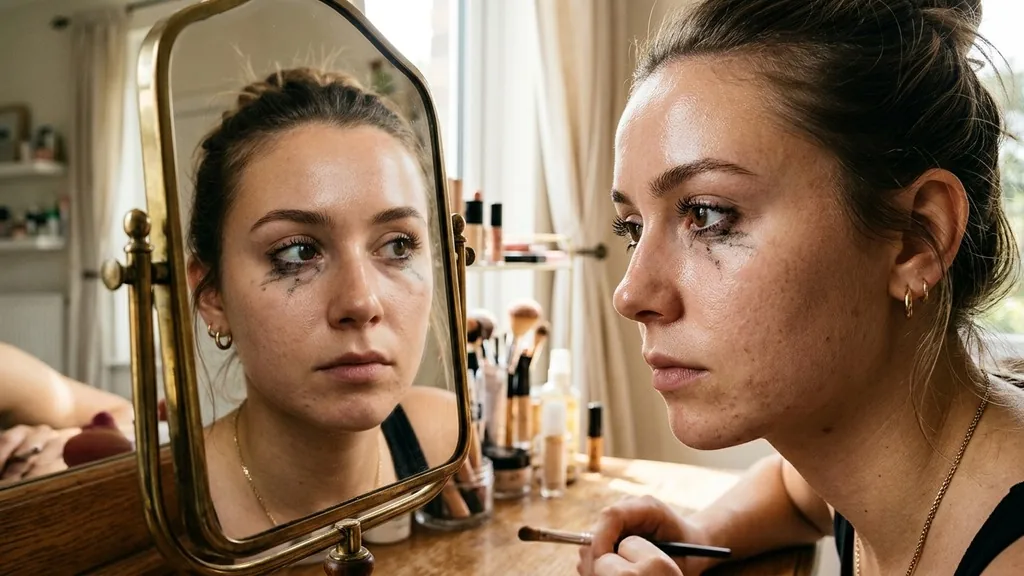
Dealing with raccoon eyes by midday is a common frustration for anyone who wears makeup, yet figuring out exactly how to stop mascara from smudging remains a mystery for many. Whether you are battling oily eyelids, humid weather, or long hours at the office, the sight of dark streaks under your eyes is never the look you intended.
Understanding the root causes of this phenomenon—ranging from your skin‘s natural oil production to the specific chemical composition of your chosen formula—is the first step toward achieving a flawless, long-lasting look. By adjusting your application techniques and choosing the right products, you can maintain pristine lashes from morning until night.
Why Your Mascara Keeps Smudging

To effectively tackle the issue of mascara smudging, you must first identify why it happens in the first place. Most often, the culprit is a combination of skin biology and product interaction. The skin around your eyes is the thinnest on your body and is naturally prone to producing oils throughout the day.
When these oils interact with a traditional wax-based or oil-based mascara, they begin to break down the formula. This degradation causes the product to soften and migrate from your lashes onto the skin below or above the eye.
Furthermore, the friction caused by blinking can exacerbate the issue. If you have long lashes that make direct contact with your skin or lower lash line, the constant movement acts as a mechanical force that pushes the pigment downward. Environmental factors, such as high humidity or perspiration, also play a significant role.
When moisture is present, even high-quality formulas may lose their structural integrity. If you are prone to watery eyes or allergies, your tears—which contain natural salts and proteins—can act as a solvent, causing even the most expensive products to flake or smudge. Recognizing these triggers is essential, as it allows you to adapt your routine specifically to your lifestyle and physical needs.
The Secret Power of Tubing Mascara
If you have tried everything and still find yourself dealing with constant transfer, it is time to consider switching to tubing mascara. Unlike traditional formulas that coat your lashes in pigment, tubing mascaras contain polymers that wrap around each individual lash like a tiny, water-resistant sleeve.
Because these tubes are not oil-soluble, they do not break down when they come into contact with the natural oils on your eyelids. This makes them the ultimate solution for anyone who struggles with persistent smudging.
The beauty of this technology lies in its removal process. Because these tubes are designed to be water-resistant rather than waterproof, they do not require harsh makeup removers or vigorous rubbing. Instead, they slide off cleanly when exposed to warm water and gentle pressure.
By choosing a tubing formula, you effectively eliminate the primary cause of smudging—oil-based breakdown—while simultaneously simplifying your nighttime routine. It is a win-win for both your makeup look and the health of your delicate lash hair.
Priming Your Eyelids for Success
A common mistake in many beauty routines is neglecting the preparation of the skin surrounding the eyes. If you apply mascara to lashes that are sitting against oily, un-prepped skin, you are setting yourself up for failure. To prevent transfer, you must create a matte, oil-free barrier.
This is where the strategic use of powder becomes indispensable. After applying your eye cream—ensuring it has fully absorbed—lightly dust your eyelids and the area directly beneath your lower lash line with a translucent setting powder.
This thin layer of powder acts as a physical barrier, absorbing excess sebum before it can reach your lashes. If you typically wear concealer under your eyes, ensure it is set well with a finely milled powder. A heavy or emollient-rich concealer can migrate into fine lines, dragging your mascara down with it.
By keeping the entire orbital area dry and matte, you significantly reduce the likelihood of the mascara coming into contact with moisture or oil. Think of this as the foundation for your eye look; without it, even the best products will struggle to stay in place.
Strategic Application Techniques
How you apply your mascara is just as important as the product you choose. Many people make the mistake of applying mascara all the way to the very roots of their lashes, which increases the likelihood of the product touching the skin.
Instead, focus the bulk of your application on the middle to the tips of your lashes. This technique creates the illusion of volume and length while keeping the heavy, pigment-laden portion of the mascara away from your lash line.
Additionally, consider the “look down” method. By looking down into a mirror while applying, you pull your lid taut and ensure your lashes are positioned away from your skin. This simple adjustment prevents the wet mascara from touching your eyelid during the application process, which is a frequent cause of “transfer” spots that appear immediately after you finish your makeup.
Another pro tip is to use a lash primer. A good primer creates a stable, even base that helps the mascara grip better and prevents it from flaking or migrating.
Comparing Mascara Formulas
Choosing the right type of product is vital. The market is saturated with options, but not all are created equal. Use the table below to compare the pros and cons of different mascara types to see which aligns best with your specific needs.
| Mascara Type | Primary Benefit | Best For |
|---|---|---|
| Tubing | Zero smudging, easy removal | Oily lids, long days |
| Waterproof | Resists water and sweat | High humidity, athletic activity |
| Volumizing | Dramatic, thick lashes | Special events, short-term wear |
| Natural/Organic | Gentle on sensitive eyes | Daily wear, minimal makeup |
While waterproof mascara is often the default choice for those asking how to stop mascara from smudging, it is not always the best option. Waterproof formulas often contain waxes that can still break down in the presence of heavy facial oils. If you find that waterproof products still smudge on you, the issue is likely oil-based rather than water-based, which reinforces why tubing technology is often the superior choice for daily use.
Topical Gaps: Addressing the “Under Eye” Problem
A frequent concern is why mascara specifically gathers under the eyes. This often happens because the lower lash line is in constant contact with the skin, and the small, fine hairs of the lower lashes are prone to rubbing against the cheek area.
If you struggle with this, you might consider skipping mascara on your lower lashes entirely. Many professional makeup artists prefer to leave the lower lashes bare or use a specialized, non-smudging smudge-proof tint instead.
Another often overlooked factor is the temperature of the room. Heat causes your skin to produce more sebum, which accelerates the melting of mascara.
If you work in a warm environment, keeping a small fan or using a setting spray can help maintain the integrity of your makeup. For further reading on skin health and product compatibility, you can visit the American Academy of Dermatology to learn more about how different cosmetic ingredients interact with the skin barrier.
Establishing a Routine to Prevent Smudging
If you want to master the art of smudge-free lashes, incorporate these steps into your daily workflow:
- Cleanse your face thoroughly to remove any lingering oils or leftover makeup from the night before.
- Apply a light, non-greasy eye cream and allow it to sit for at least five minutes before applying makeup.
- Use a translucent setting powder to mattify the skin around the eyes, including the upper lid and the under-eye area.
- Apply a lash primer to provide a smooth, adhesive base for your mascara.
- Choose a tubing mascara formula for maximum longevity and resistance to natural oils.
- Avoid applying mascara to the very base of your lashes to minimize skin contact.
- Set your entire face with a long-wear setting spray to lock all products in place.
By following this sequence, you address the environmental, physical, and chemical factors that contribute to smudging. Consistency is key; even the most expensive product will fail if the underlying skin is oily or the application technique is flawed. Over time, you will find that these small adjustments become second nature, allowing you to enjoy a polished look without the constant need for touch-ups.
FAQ: Common Questions About Mascara
Why does my mascara smudge even when it is waterproof?
Waterproof mascaras are designed to resist water, but they are often still vulnerable to oils. Since your skin naturally produces sebum, these oils can break down the wax-based binders in waterproof formulas, leading to smudging. If this happens, try switching to a tubing mascara, which is oil-resistant.
Is it better to use a primer or just powder?
Both serve different purposes. A lash primer helps the mascara adhere better to the hair, while powder is used on the skin to absorb excess oil. Using both is the best way to ensure your mascara stays put, as it treats both the lash and the surrounding skin area.
Should I avoid lower lash mascara entirely?
If you have tried everything and still experience smudging, avoiding lower lash mascara is the most effective solution. You can opt for a subtle brown eyeliner or a smudge-proof tint instead, which provides definition to the lower lash line without the risk of the product migrating throughout the day.
How do I remove tubing mascara safely?
Tubing mascara is unique because it requires only warm water and gentle pressure. Simply soak a cotton pad or your fingertips with warm water, hold it against your closed eyes for a few seconds to soften the tubes, and then gently slide the mascara off your lashes without pulling or rubbing.


