

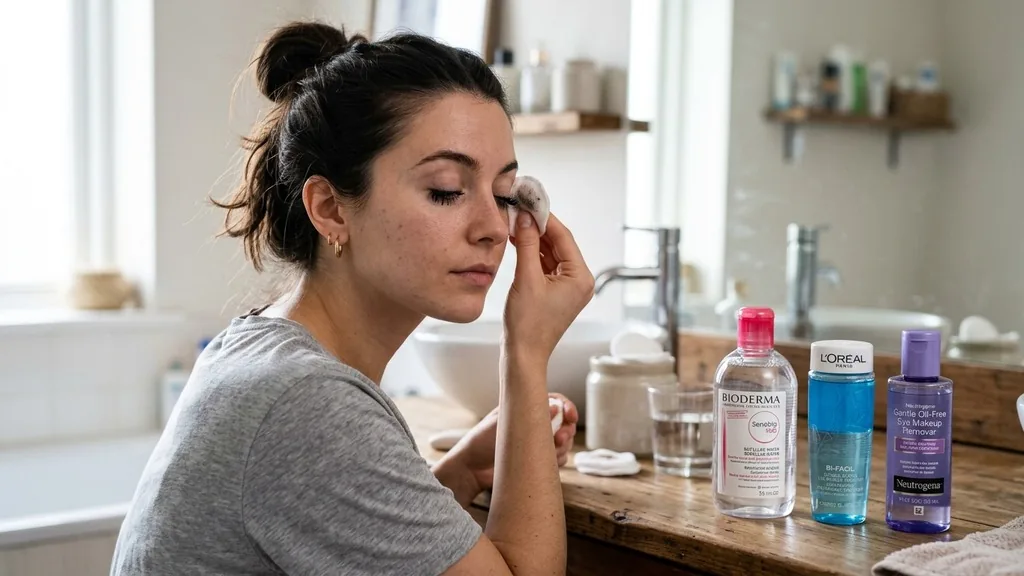
Removing makeup effectively is the cornerstone of a healthy skincare routine, yet learning how to take off mascara without causing irritation or lash loss is a skill many overlook. When you leave residue on your lids or tug too aggressively at your delicate eye area, you invite potential problems like follicular clogging, premature wrinkles, and brittle lashes that eventually break.
Whether you are dealing with everyday formulas or stubborn, long-wear products, the method you choose matters as much as the product you use. By mastering the right technique, you ensure your eyes stay bright and your lashes remain strong and healthy for years to come.
Choosing the Right Makeup Remover for Your Needs
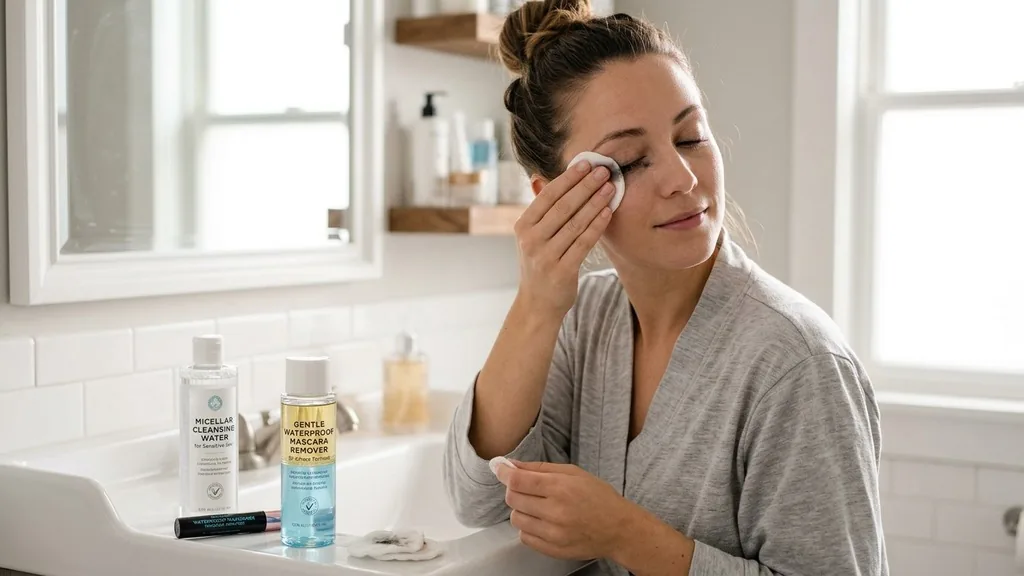
To choose the right makeup remover, you must first identify the type of mascara you are wearing and the sensitivity level of your skin. If you frequently use waterproof mascara, you need a formula capable of breaking down polymers and waxes that are specifically designed to resist water. Most standard water-based cleansers simply move these formulas around rather than dissolving them.
For those with sensitive eyes, look for fragrance-free or ophthalmologist-tested options. Micellar water is a popular choice because it uses tiny micelles to lift dirt and pigment away from the skin without requiring harsh rubbing. If you prefer a more nourishing approach, cleansing oils or balms are excellent for melting away even the most stubborn layers of product.
These formulas often contain ingredients like jojoba or almond oil, which help condition the lashes while they clean. Always prioritize products that are non-comedogenic to ensure you aren’t clogging the pores around your lash line, which can lead to unsightly styes or milia.
The Proper Technique for Removing Mascara
The most effective way to remove mascara involves patience and the right mechanical approach. Never rush the process; instead, allow the product time to do the heavy lifting. Start by saturating a cotton pad or a soft, reusable bamboo cloth with your chosen makeup remover.
Place the pad gently over your closed eyelid and hold it there for at least thirty seconds. This “soaking” period allows the solvent in the remover to soften the mascara, making it significantly easier to wipe away without pulling on your natural lashes.
After the time has elapsed, gently sweep the pad downward in the direction of your lash growth. Avoid rubbing back and forth, as this friction causes lashes to snap and can stretch the thin, delicate skin around your eyes.
If any residue remains, use a clean cotton swab dipped in a small amount of remover to target the base of the lashes where mascara often hides. Being gentle is the absolute secret to maintaining lash density over time.
Why Waterproof Mascara Requires Special Care
Waterproof mascara is formulated with high-performance ingredients that create a protective barrier against moisture, sweat, and tears. While this is great for longevity, it makes removing mascara a more involved process.
Because these products are hydrophobic, using plain water will not work. You must use an oil-based remover, a bi-phase solution, or a dedicated makeup-melting balm to break the chemical bond of the wax.
If you struggle with waterproof formulas, consider switching to a tubing mascara for daily wear. Tubing mascaras form tiny, water-resistant cylinders around each lash that slide off easily with warm water and gentle pressure, eliminating the need for heavy scrubbing or harsh chemical removers.
If you insist on keeping your waterproof routine, always double-cleanse. Start with an oil-based cleanser to break down the makeup, then follow up with a gentle, water-based face wash to ensure no oily residue remains on the skin, which could otherwise lead to breakouts.
Natural Alternatives for Removing Mascara
If you find yourself without a commercial makeup remover, there are several household items that can safely remove mascara. Coconut oil and extra virgin olive oil are two of the most common natural alternatives.
These oils are effective because they are lipophilic, meaning they dissolve the oils and waxes found in most mascara brands. To use this method, apply a small amount of oil to your fingertips or a cotton pad and gently massage it onto your lashes.
While these natural options are effective, use them with caution if you are prone to acne or have extremely oily skin. Ensure you thoroughly wash your face afterward with a foaming cleanser to remove the excess oil.
If you have concerns about the ingredients in your skincare products, you can find more information on safe practices through the American Academy of Dermatology. Always avoid using harsh household chemicals or soaps that are not formulated for the face, as these can severely irritate the eyes and strip the skin of its natural moisture barrier.
Preventing Lash Damage and Breakage
Learning how to take off mascara is fundamentally about preservation. Many people inadvertently lose lashes because they are pulling or tugging too hard during their nightly routine.
If you notice lashes on your cotton pad every single night, you are using too much force. Your lashes are just as fragile as the hair on your head, and they require consistent, gentle care to maintain their full length and thickness.
Another common mistake is sleeping in your mascara. Dried mascara makes lashes stiff and brittle. When you toss and turn in your sleep, these stiff lashes rub against your pillow, which can cause them to break off prematurely.
Even if you are exhausted, taking that extra sixty seconds to remove your makeup will yield dividends in the health and appearance of your lashes. If you find your lashes feel thin, consider applying a lash serum at night after your face is clean to provide extra nourishment and hydration.
Comparing Common Removal Methods
Different products offer varying levels of efficacy depending on the type of makeup you wear. The following table provides a quick look at how different removal methods stack up against common mascara types.
| Removal Method | Best For | Key Benefit |
|---|---|---|
| Micellar Water | Standard Mascara | Gentle, no-rinse formula |
| Cleansing Balm | Waterproof Mascara | Deeply dissolves stubborn wax |
| Natural Oils | Sensitive Skin | Nourishing, chemical-free |
| Bi-Phase Remover | Long-wear Formulas | Heavy-duty pigment removal |
Each of these methods has its place in a well-rounded beauty regimen. For those who wear makeup daily, having a dual approach—a heavy-duty remover for weekends or special events and a gentle micellar water for everyday use—can help keep the skin around your eyes balanced and healthy.
Addressing Topical Gaps: Common Pitfalls
Many people ask why their mascara is so hard to remove even after using a cleanser. Often, the issue is not the product itself, but the application technique.
If you apply multiple coats of mascara, you are essentially building a thick, layered wall that requires more time to dissolve. If you apply a second coat after the first has completely dried, you make it even harder for your remover to penetrate the layers.
Another common gap in knowledge is the importance of cleaning the bottom lashes. Because these lashes are shorter and closer to the skin, they are often neglected. This neglect can cause dark circles to form under the eyes over time as the pigment migrates into the skin pores.
Always use a cotton swab to ensure the bottom lash line is completely clear of all makeup. Furthermore, ensure your makeup remover is not expired. Like all skincare, removers lose their effectiveness and can harbor bacteria once they pass their shelf life, which can lead to eye infections and irritation.
Maintaining Eye Health and Cleanliness
Your eyes are incredibly sensitive, and the products you use around them should be treated with care. Beyond just removing mascara, you should maintain overall hygiene by regularly cleaning your makeup brushes and replacing your mascara every three months.
Old mascara is a breeding ground for bacteria, which can cause conjunctivitis and other eye infections. When you remove your mascara, ensure your hands are clean before you begin.
If you wear contact lenses, always remove them before cleaning your eye makeup. This prevents particles of mascara or residue from your remover from getting trapped between the lens and your eye, which can cause significant irritation or even corneal scratches.
By integrating these habits into your daily life, you create a protective barrier that keeps your vision clear and your eyes healthy. Consistent care is the most effective way to ensure that your beauty routine supports, rather than hinders, your natural features.
Frequently Asked Questions
- Can I use Vaseline to remove mascara? Yes, petroleum jelly is an effective, inexpensive way to dissolve mascara. Apply a small amount to your lashes, let it sit for a minute, and wipe it away gently. Be sure to wash your face thoroughly afterward to avoid clogging the pores around your eyes.
- How do I remove mascara without damaging my lashes? The key is to avoid rubbing. Saturate a cotton pad with your remover, hold it against your closed eyelid for thirty seconds to break down the pigment, and gently sweep downward. This minimizes friction and prevents the lashes from being pulled out during the process.
- Why is my mascara so hard to remove? It is likely because you are using a waterproof or long-wear formula that is designed to resist water. Water-based cleansers cannot dissolve these formulas effectively. You need an oil-based remover, such as a cleansing balm or a bi-phase eye makeup remover, to break down the waxes.
- What can I use if I run out of makeup remover? You can use natural oils like coconut, jojoba, or olive oil to dissolve mascara safely. Apply a small amount to your lashes, massage gently, and wipe away with a clean cloth. Always follow up with a gentle facial cleanser to remove the oil residue from your skin.
Taking the time to refine your removal process is a small investment that offers significant long-term benefits. By avoiding harsh ingredients and prioritizing gentle, consistent techniques, you protect the delicate skin around your eyes and keep your lashes healthy, thick, and resilient. Remember that your eyes are one of your most expressive features; treating them with the care they deserve ensures they continue to look their best every single day.
Whether you prefer high-end cleansing balms or simple, natural oils, the best method is the one that removes all traces of makeup without causing stress to your skin or lashes. Start paying attention to how your eyes feel after you clean them, and adjust your routine until you find the perfect balance of efficacy and comfort.


