

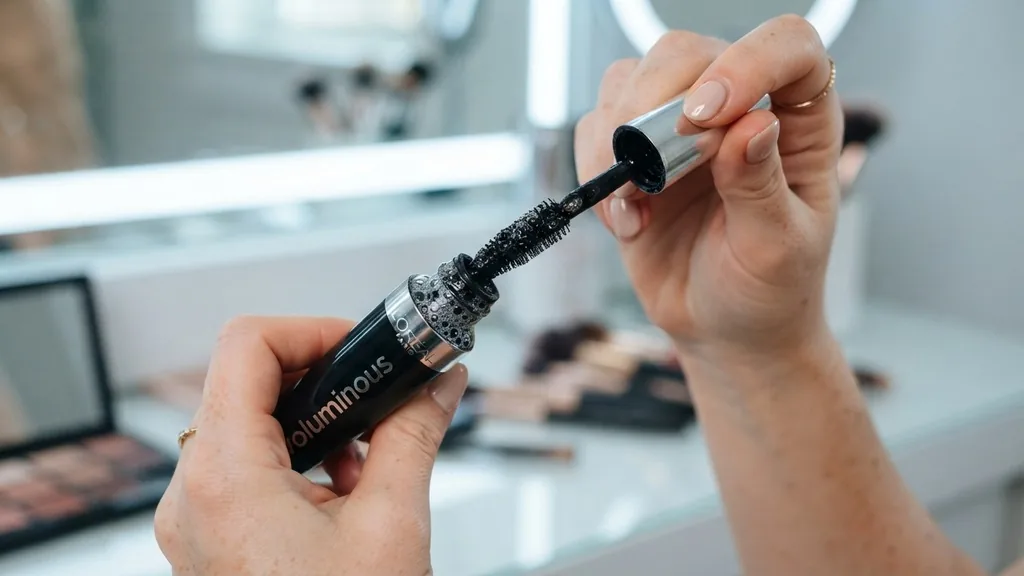
Dealing with clumpy mascara is one of the most frustrating experiences in a daily beauty routine. You reach for your favorite tube, expecting a smooth, lengthening effect, only to find the product has thickened, dried out, or become riddled with unsightly, spider-leg clumps.
Learning how to unclump mascara effectively can save you money, reduce waste, and ensure your lashes always look their best. Whether your formula is simply aging or has been exposed to too much air, there are several reliable methods to restore its consistency and extend its shelf life without compromising your eye health.
Understanding Why Mascara Clumps Over Time
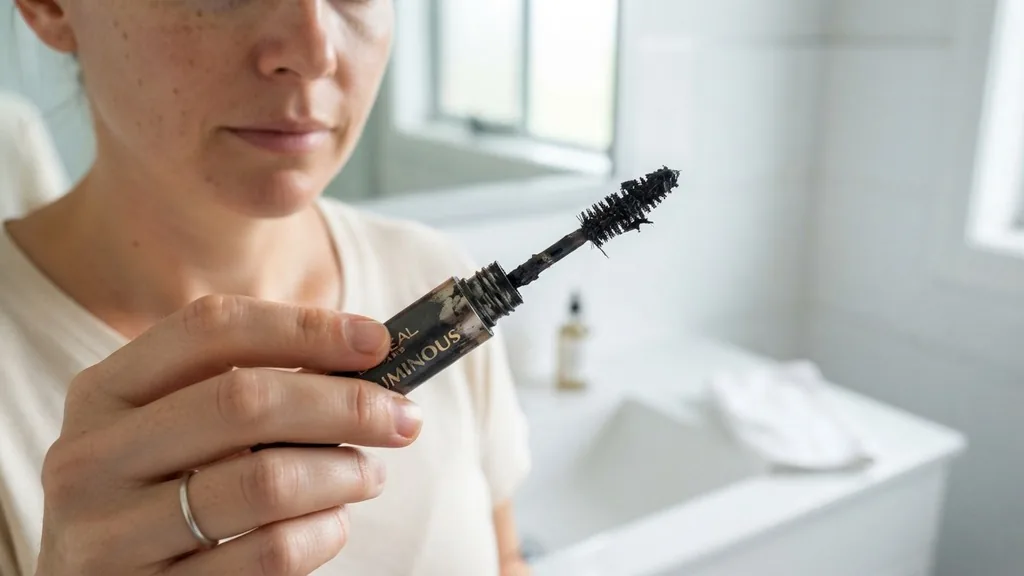
To solve the problem of thickening formula, you first need to understand the science of why it happens. Most modern mascara formulas are emulsions of waxes, oils, pigments, and water. When you apply mascara, you are repeatedly pulling the mascara wand out of the container and pushing it back in.
This mechanical action pumps air into the tube, which accelerates the evaporation of the water content. As the water evaporates, the remaining waxes and polymers become denser and more viscous, leading to that dreaded clumpy texture.
Beyond simple evaporation, contamination plays a significant role in the degradation of your makeup. Every time the brush touches your lash line or skin, it picks up microscopic debris, oils, and bacteria, which are then transferred back into the container. Over time, these contaminants can alter the chemical stability of the formula, causing it to separate or clump prematurely.
It is important to distinguish between a product that is simply dry and one that has expired. If your mascara smells strange, looks separated in a way that stirring cannot fix, or causes irritation to your eyes, it is time to discard it entirely. Safety should always take precedence over saving a few dollars.
Simple Methods to Restore Thickened Mascara
If your product is still within its recommended usage window—typically three months after opening—you can often restore its original texture using gentle, heat-based techniques. The most popular method involves utilizing warm water to soften the waxes inside the container.
By placing the closed tube into a cup of hot (not boiling) water for about five to ten minutes, you can effectively melt the thickened waxes back into a liquid state. This allows the pigment to glide onto the lashes more smoothly, effectively removing clumps that have formed due to cold temperatures or minor evaporation.
Another highly effective approach is the use of contact lens solution or specialized makeup thinner. It is vital to use these products sparingly; adding too much liquid can ruin the formula, making it runny and prone to smearing. For contact lens solution, one or two drops are usually sufficient.
If you choose to use a professional-grade beauty thinner, follow the manufacturer’s instructions, as these are formulated to integrate with the existing ingredients without breaking down the preservative system of the makeup. After adding the drops, insert the mascara wand and swirl it gently—do not pump the brush, as this only introduces more air into the container.
The Role of the Mascara Wand and Application Technique
Often, the appearance of clumps is not caused by the formula itself, but by the condition of the mascara wand or the way you apply mascara. Over time, dried, crusty layers of old makeup can build up on the bristles of the brush.
When this happens, the tool can no longer distribute the product evenly, causing it to pool and create thick, uneven globs on the lash hairs. Regularly cleaning your applicator is a vital step in maintaining a flawless look.
To clean your wand, use a gentle makeup remover or mild soap and warm water. Ensure the brush is completely dry before reinserting it into the tube. Furthermore, your application technique matters significantly.
Instead of starting at the tip of the lashes, place the brush at the very root of your lashes and wiggle it back and forth as you pull upward. This base-heavy application ensures that the bulk of the product is deposited where the lashes are strongest, while the tips receive a lighter coat, preventing the weight of the product from causing the lashes to stick together. If you find your lashes clumping despite a clean wand, consider using a clean spoolie brush to comb through them immediately after application.
Comparing Methods for Fixing Clumpy Makeup
When deciding how to approach a dry or clumpy tube, it is helpful to weigh the pros and cons of different intervention methods. Some methods are safer for the long-term integrity of the product, while others provide a quick, temporary fix.
| Method | Effectiveness | Best For | Risk Level |
|---|---|---|---|
| Warm Water Bath | High | Slightly dried-out formula | Low |
| Contact Lens Solution | Medium | Reviving thicker formulas | Moderate |
| Makeup Thinner | Very High | Professional-grade restoration | Low |
| Adding Water | Low | Emergency use only | High (Bacterial growth) |
As shown in the table, while adding plain tap water might seem like a quick fix, it is generally discouraged because it lacks the preservative properties found in contact lens solution or commercial thinners. Introducing non-sterile water into your makeup creates a breeding ground for bacteria, which can lead to eye infections. Always prioritize the health of your eyes when attempting to salvage a product.
If you are interested in the broader science of cosmetic safety, you can learn more about the guidelines for eye makeup at the U.S. Food and Drug Administration website.
Tips to Keep Mascara from Clumping in the First Place
Prevention is always more effective than restoration. By changing a few simple habits, you can significantly prolong the life of your favorite kit components. First, avoid the habit of “pumping” the wand.
Many people do this to pick up more product, but it is the primary reason for air entering the tube and drying it out. Instead, gently swirl the wand against the interior walls of the container to pick up the desired amount of product.
Second, pay attention to the storage environment. While it is common to keep makeup in the bathroom, the humidity and fluctuating temperatures caused by showers can negatively affect the chemical composition of your cosmetics. Store your mascara in a cool, dry place away from direct sunlight.
Additionally, always ensure the cap is screwed on tightly after every single use. Even a slightly loose cap can allow enough air exchange to dry out the product within a few days. If you use multiple types of mascara—for example, one for volume and one for length—try to alternate them or use them up sequentially rather than having several tubes open simultaneously, as each one has a limited “freshness” window once the seal is broken.
Addressing Common Myths and Topical Gaps
There is a significant amount of misinformation circulating regarding how to fix clumpy makeup. One common myth suggests that you can use eye drops to thin out the product. While some eye drops contain similar ingredients to contact solution, others contain active medications (like those for redness relief) that are not meant to be mixed with cosmetic ingredients.
Never use medicated eye drops to hydrate your mascara. Another recurring question is whether you can use oil, such as baby oil or olive oil, to loosen the formula. This is generally a bad idea; oils will break down the waterproof polymers in many formulas, leading to smudging and “raccoon eyes” throughout the day.
Another gap in the common advice involves the difference between “clumping” and “pilling.” Sometimes, what appears to be clumpy mascara is actually the result of residue from your skincare routine or eye cream interfering with the application. If you apply a heavy moisturizer or eye serum right before your makeup, the oils can prevent the mascara from adhering properly, causing it to slide and clump.
Ensure your eye area is clean and relatively dry before you start your makeup application. If you have naturally oily lids, using a light dusting of translucent powder before applying your mascara can create a better surface for the product to grip, preventing that messy, clumpy look that often develops by midday.
Frequently Asked Questions
- How can I tell if my mascara is too old to save? If your mascara is more than three months old, has a rancid or chemical smell, or has significantly changed in color or texture despite your attempts to fix it, it is time to discard it. Using expired makeup increases the risk of bacterial eye infections.
- Is it safe to add water to my mascara to thin it out? No, you should never add plain water to your mascara. Water introduces bacteria and lacks the preservatives needed to keep the formula safe. If you must add a liquid, use a drop of saline solution or a professional-grade cosmetic thinner specifically designed for this purpose.
- Why does my brand new mascara look clumpy right out of the tube? Some formulas are naturally thicker or contain more waxes for volume. If it is brand new, try wiping the excess product off the wand onto a clean tissue before applying. This removes the “glob” of product that often accumulates at the tip of the brush during manufacturing.
- How do I prevent my lashes from sticking together during application? To prevent lashes from sticking, use a clean lash comb or spoolie brush to separate them immediately after applying the first coat. Work quickly while the product is still wet, and focus on wiggling the brush at the roots rather than pulling it through the tips repeatedly.
By maintaining your tools, storing your products correctly, and knowing the safe, effective ways to restore a thickened formula, you can ensure your makeup remains a high-performance part of your daily routine. Remember that the goal is always to achieve a smooth, defined look without compromising your eye health.
If a product remains consistently clumpy despite your best efforts, it is likely a sign that the formula has reached the end of its life cycle, and it is better to replace it than to risk irritation. With these techniques, you can master the art of keeping your makeup in top condition for as long as possible.


