

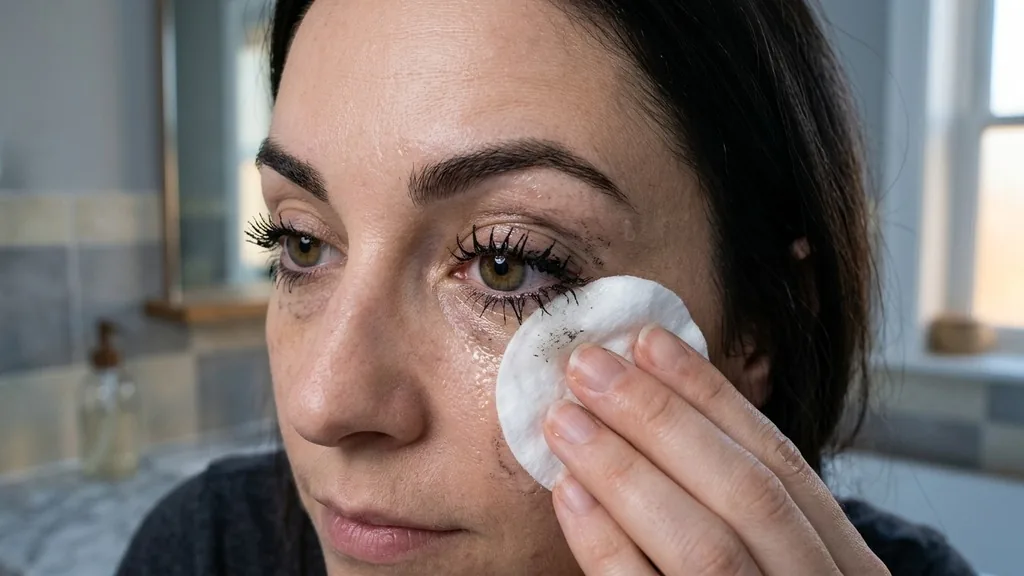
Removing eye makeup, particularly mascara, is a nightly ritual that many people rush through, yet it remains one of the most critical steps in maintaining the health of your eyes and the longevity of your natural lashes. When you learn how to wash off mascara properly, you are not just cleaning your face; you are preventing irritation, avoiding clogged follicles, and ensuring your eyelashes remain strong and flexible.
Because the skin around your eyes is the thinnest and most delicate on your entire body, the methods you choose to dissolve stubborn pigments matter significantly. Whether you are dealing with a heavy-duty waterproof formula or a standard everyday mascara, the goal is to break down the product without pulling, tugging, or causing unnecessary friction that leads to premature lash loss.
Understanding the Chemistry of Mascara Removal
To effectively remove mascara, you must first understand what you are trying to dissolve. Most modern mascaras are formulated with a combination of waxes, oils, pigments, and film-forming polymers.
Waterproof varieties, in particular, are engineered to resist water, meaning they require a lipid-based solvent to break the chemical bonds holding the product to your lashes. If you attempt to scrub them away with plain water and a rough towel, you are essentially trying to force a physical removal, which is where the damage occurs.
The chemistry of removal relies on the principle that “like dissolves like.” Since most long-wear mascaras are oil-based or polymer-based, using a dedicated makeup remover that contains surfactants or oils allows the formula to lift away from the hair shaft gently. When you apply a remover, you are allowing the solvent to penetrate the layers of mascara, softening the film so that it slides off rather than snapping off.
This chemical interaction is the secret to preserving your lash health. If you feel resistance while wiping, it is a sign that the product has not been sufficiently broken down, and you should pause and reapply your cleanser rather than applying more physical pressure.
Effective Techniques for Removing Waterproof Formulas
Waterproof mascara is notorious for being difficult to remove, often requiring a bit more patience and the right choice of products. If you struggle with stubborn residue, the most effective approach is to use a bi-phase makeup remover or a high-quality cleansing balm. These products are specifically designed to tackle the water-resistant polymers that keep your lashes looking bold throughout the day.
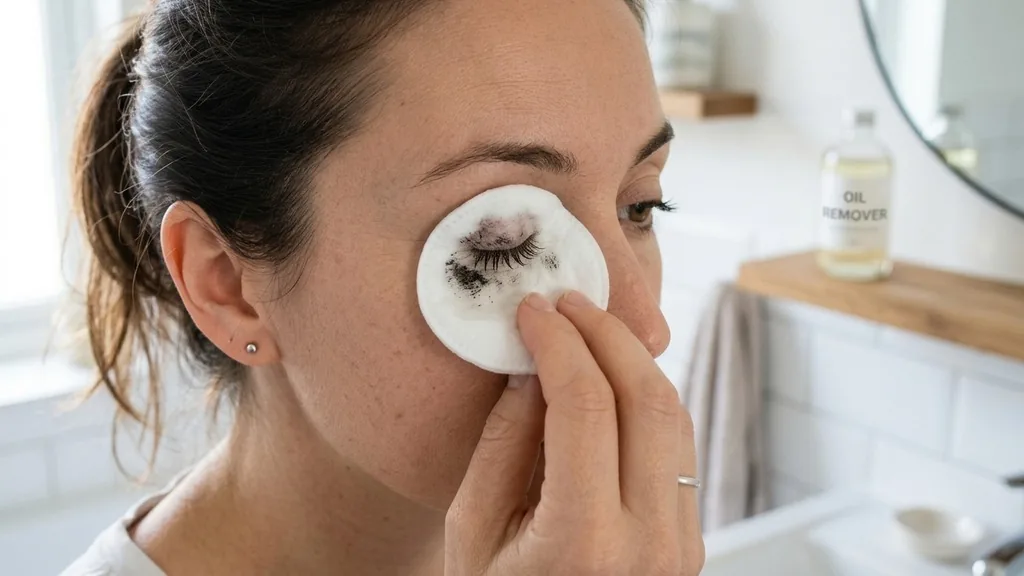
When using a bi-phase remover, you must shake the bottle to combine the oil and water phases. The oil phase works to dissolve the waterproof waxes, while the water phase helps to wipe away the residue without leaving a greasy film. Apply the solution to a soft cotton pad and hold it against your closed eyelid for at least thirty seconds.
This “soaking” time is crucial. By allowing the product to sit, you give the chemicals time to do the heavy lifting. Once the time is up, gently sweep the pad downward in the direction of your lash growth.
Never rub back and forth in a zigzag motion, as this tangles the lashes and increases the likelihood of breakage. You can learn more about the importance of maintaining proper eye health during your beauty routine by visiting the American Academy of Ophthalmology guidelines for eye safety.
Natural Alternatives When You Lack Specialized Products
There are instances where you might find yourself without your usual makeup remover, perhaps while traveling or simply running out of supplies. In these cases, you can turn to household staples that are safe for the delicate eye area.
Natural oils, such as fractionated coconut oil, sweet almond oil, or jojoba oil, are excellent at breaking down the waxes in mascara. Because these are pure lipids, they can dissolve even the most stubborn waterproof formulas effectively.
To use an oil-based approach, dispense a small amount of oil onto your fingertips or a clean cotton round. Gently massage the oil into your lashes, working from the base to the tips. You will notice the mascara beginning to smear and loosen as the oil interacts with the pigments.
Once the lashes are saturated, use a warm, damp washcloth to gently wipe away the mixture. It is important to follow up with a mild facial cleanser to ensure all excess oil is removed from your skin, preventing potential breakouts or milia around the eyes. While these natural methods are highly effective, always ensure that the oils you use are pure and free from fragrances or additives that could cause irritation to your eyes.
The Role of Tubing Mascara in Simplified Removal
If you find that the process of removing mascara is consistently frustrating or causing you to lose lashes, you might want to consider switching to tubing mascara. Unlike traditional wax-based mascaras that coat your lashes in layers of pigment, tubing mascaras contain polymers that form tiny, water-resistant “tubes” around each individual lash. These tubes do not smudge or flake, making them a favorite for those with oily skin or those who wear contact lenses.
The beauty of tubing mascara lies in its removal process. You do not need harsh chemical removers or multiple cotton pads. Because the tubes are designed to slide off with the combination of warm water and gentle pressure, you can effectively remove them while washing your face in the shower.
Simply saturate your lashes with warm water, wait a few seconds for the tubes to soften, and then gently slide them off with your fingertips or a soft cloth. This method is arguably the least traumatic for your lashes, as it requires no rubbing and leaves zero residue behind. If you are someone who values speed and convenience, transitioning to a tubing formula is a game-changer for your nightly routine.
Comparing Common Mascara Removal Methods
Choosing the right method often depends on your skin type, the type of mascara you wear, and how much time you have at the end of the day. The following table provides a quick comparison of the most common approaches to help you decide which is best for your lifestyle.
| Removal Method | Best For | Pros | Cons |
|---|---|---|---|
| Bi-Phase Remover | Waterproof Mascara | Highly effective, non-greasy | Requires shaking, can be drying |
| Cleansing Balm | Full-face makeup | Gentle, hydrating, melts away everything | Can be messy, requires double-cleansing |
| Natural Oils | Dry/Sensitive Skin | Natural, nourishing, inexpensive | Can leave residue, requires follow-up wash |
| Tubing Mascara | Sensitive Eyes | Easiest removal, no rubbing | Requires specific product formula |
Each of these methods has its place in a well-rounded beauty routine. For instance, if you wear heavy, dramatic eye makeup for special events, a cleansing balm is usually the superior choice because it can quickly break down layers of shadow, liner, and mascara simultaneously. Conversely, if you have very sensitive eyes, opting for a gentle oil or a tubing mascara will prevent the inflammation that often comes with repeated scrubbing.
Common Mistakes to Avoid for Lash Longevity
Many people inadvertently damage their lashes by committing common errors during the makeup removal process. One of the most frequent mistakes is using a cotton ball that has not been properly saturated. If the pad is dry, you are essentially sanding your lashes every time you wipe.
Always ensure your pad is damp enough to glide across the lid without tugging. Additionally, many people forget to clean the roots of their lashes. Residual mascara buildup at the lash line can lead to blepharitis—an inflammation of the eyelids—and can block the oil glands, leading to styes.
Another critical error is using the wrong tools. Avoid using paper towels or rough terrycloth towels to remove eye makeup. These materials are too abrasive for the delicate skin around the eyes.
Instead, opt for soft microfiber cloths or reusable cotton rounds that are specifically designed for sensitive facial skin. Furthermore, never sleep in your mascara. Sleeping with product on your lashes makes them brittle and prone to breakage, as the hardened mascara restricts the natural flexibility of the hair.
Over time, this habit can lead to thinner, shorter lashes. To keep your lashes healthy, ensure you are consistent with your removal, no matter how tired you feel at the end of the day.
Addressing Topical Gaps: Essential Aftercare and Maintenance
Beyond the act of removal, the health of your lashes depends on how you treat them immediately afterward. Once you have successfully washed off your mascara, your lashes may feel slightly dry, especially if you used a heavy-duty remover.
Applying a light, lash-safe serum or a tiny drop of castor oil can help nourish the hair follicles and keep the lashes flexible. This step is particularly beneficial for those who wear waterproof mascara daily, as the drying nature of these formulas can sap the moisture from your natural lashes over time.
It is also important to consider the shelf life of your mascara. Many people keep their mascara for far too long, leading to the growth of bacteria within the tube. Even if you are an expert at removing your makeup, using an expired product can introduce pathogens to your eyes, causing infections that can lead to lash loss.
As a general rule, replace your mascara every three months. If you notice a change in smell, texture, or if you develop an eye infection, discard the product immediately.
By maintaining both your removal technique and your product hygiene, you ensure that your lashes remain a vibrant, healthy frame for your eyes for years to come. Remember that consistency is the key; treating your lashes with the same care you give your skin will pay off in the form of fuller, stronger, and more resilient eyelashes.
Frequently Asked Questions
Can I wash off mascara using only water?
Using only water is generally ineffective for most mascaras, especially waterproof or long-wear formulas. Water alone cannot break down the waxes and polymers in the product, leading to excessive rubbing and potential lash damage. It is always better to use a dedicated remover or oil to ensure the mascara dissolves safely.
What are the consequences of not removing mascara before sleep?
Failing to remove mascara causes the product to harden on the lashes, making them brittle and prone to breaking while you toss and turn. It can also clog the hair follicles and the oil glands on your eyelid, potentially leading to irritation, styes, and chronic eye infections like blepharitis.
How can I remove mascara without losing any lashes?
The secret is to use a “soak and slide” method. Saturate a cotton pad with a gentle makeup remover or oil, hold it against your closed lashes for thirty to sixty seconds to break down the formula, and then gently wipe downward. Never pull or scrub, as this is the primary cause of mechanical lash loss.
What should I do if I get makeup remover in my eyes?
If you accidentally get makeup remover in your eyes, flush the area immediately with lukewarm water or a sterile saline solution. Keep your eyes open while rinsing to ensure all residue is washed out. If you experience persistent stinging, redness, or blurred vision, consult an eye care professional to rule out irritation or chemical burns.


