


Finding the right shade of makeup to complement your natural features is a subtle art, and choosing what color mascara for green eyes is one of the most effective ways to brighten your gaze. While classic black is a reliable staple, it doesn’t always provide the warmth or intensity needed to make green irises truly stand out.
Green eyes are unique because they often contain flecks of gold, yellow, or even brown, meaning they react dynamically to different color temperatures. By swapping your standard tube for a complementary hue, you can draw attention to the specific undertones of your eyes, creating a look that feels intentional and vibrant.
Understanding Color Theory for Eye Makeup
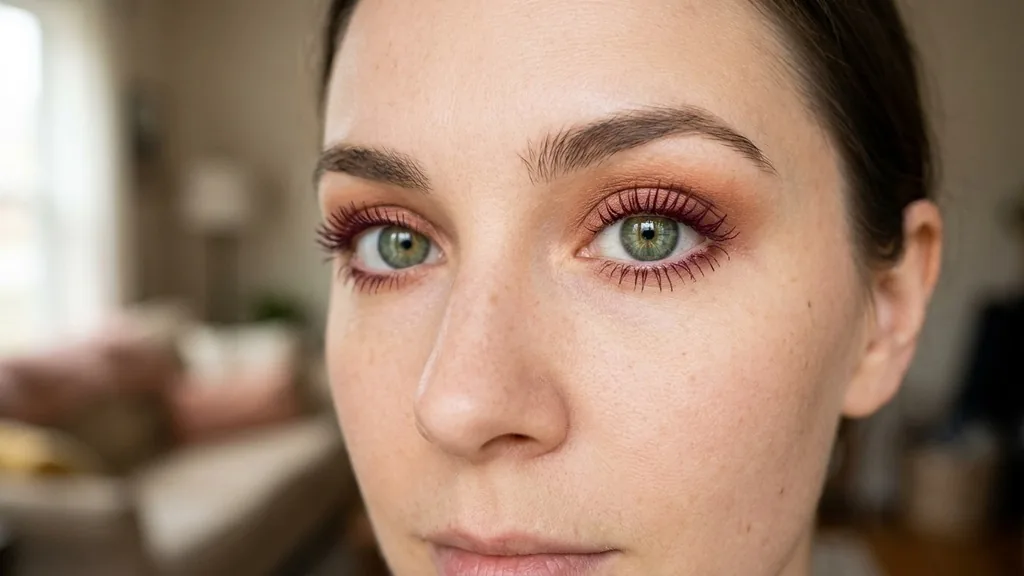
The best way to enhance green eyes is to utilize the principles of color theory, specifically focusing on the color wheel. Since green sits across from red on the spectrum, colors with red, purple, or warm pink undertones are the most effective at creating contrast. When you apply a mascara that contains these warm pigments, your brain perceives the green of your eyes as more vivid because of the complementary relationship between the two colors.
Think of this as a balancing act. If your eyes have a deep, mossy green tone, a deep plum mascara will provide a sophisticated, subtle shift that makes the green appear richer. If your eyes are more on the lighter, sea-foam side, a warm copper or reddish-brown mascara will highlight the golden flecks within the iris.
This isn’t just about picking a random color; it is about choosing a shade that interacts with your natural pigment to make the iris appear more luminous. Using a professional understanding of color theory allows you to move beyond basic black and embrace shades that act as a frame for your unique eye color.
Why Plum and Burgundy Mascara are Top Choices
Plum and burgundy are arguably the most popular choices for green-eyed individuals because they offer a perfect middle ground between professional wearability and noticeable color impact. These shades are dark enough to define the lash line, providing the same structural benefit as black mascara, but the reddish-purple undertones serve to neutralize any dullness in the green.
When you use a burgundy or deep wine mascara, you are essentially introducing a warm, earthy contrast that makes the green of the iris look more intense. This is particularly effective for daytime looks where you want to look polished without appearing like you are wearing heavy makeup. Because these colors are deep, they don’t look overly bright or costume-like.
Instead, they provide a soft, romantic effect. Many people find that these shades are the best way to transition from a neutral look to something slightly more experimental, as they blend seamlessly into the lash line while still providing a distinct glow to the eyes.
The Role of Copper and Bronze Tones
If you want to emphasize the golden or yellow flecks often hidden within green eyes, copper and bronze mascaras are your best tools. These metallic-leaning shades offer a warm, sun-kissed effect that makes the eyes appear brighter and more awake. While purple shades create contrast, copper shades create harmony by reflecting the warmth already present in the eye’s structure.
Applying a copper-toned mascara is particularly effective in the summer months or when you want to create a soft, monochromatic makeup look. You can pair this with a simple gold or neutral eyeshadow to keep the focus entirely on the eyes. Unlike black mascara, which can sometimes look harsh against very fair skin, copper mascara softens the overall appearance of the face.
It provides a luminous quality that makes the whites of the eyes appear clearer and the green of the iris appear more saturated. If you have been looking for a way to make your eyes look rested and vibrant, these warm, metallic tones are an excellent choice.
Comparing Mascara Shades for Green Eyes
When choosing between different colors, it helps to see how they function in terms of intensity and effect. The following table breaks down common mascara shades and their primary impact on green eyes.
| Mascara Color | Primary Effect | Best For |
|---|---|---|
| Deep Plum | Enhances green depth | Professional settings |
| Burgundy/Wine | Creates high contrast | Evening/Dramatic looks |
| Copper/Bronze | Highlights gold flecks | Daytime/Sun-kissed glow |
| Navy Blue | Brightens the whites | Making eyes look alert |
Each of these colors serves a different purpose, and you don’t have to stick to just one. You might choose a plum shade for the office and keep a copper-toned mascara in your makeup bag for weekend outings or special events. Experimenting with these shades allows you to see how different light conditions change the way your eyes interact with the colored pigments on your lashes.
Techniques for Applying Colored Mascara
Applying colored mascara doesn’t require a different technique than using black, but it does require a bit more attention to detail to ensure the color is visible. If your natural lashes are very dark, you may find that the color doesn’t show up as clearly on the first pass.
In this case, you can use a white or clear lash primer before applying your colored mascara. This will create a neutral base that allows the pigment of the mascara to pop, ensuring that the plum or copper tone is clearly visible against your lash line.
Another technique is to apply a coat of black mascara to the roots of your lashes and then focus the colored mascara on the tips. This technique, often called a “gradient lash,” provides the structural definition of black at the root while adding the desired color pop to the ends.
It is a subtle way to incorporate color without committing to a full-lash look. Remember to use a volumizing mascara formula if you want the color to be more prominent; a thicker coat of product will naturally hold more pigment, making the hue appear more saturated as it catches the light.
Common Mistakes to Avoid
One of the most common mistakes people make when transitioning to colored mascara is choosing a shade that is too bright or neon. While electric blue or bright green mascaras can be fun for editorial looks, they often distract from the eyes rather than enhancing them.
For day-to-day wear, look for “muted” or “deep” versions of your chosen color. A deep eggplant is much more flattering than a bright violet.
Another mistake is neglecting the rest of your makeup. If you decide to use a vibrant colored mascara, try to keep your eyeshadow palette neutral. Using a bright eyeshadow alongside a colorful mascara can make the overall look appear cluttered.
By keeping the lid simple—perhaps just a sweep of champagne or matte taupe—you allow the mascara to serve as the focal point of the look. Finally, ensure that you replace your mascara every three months. Colored mascaras, especially, can dry out or change texture, which affects how the color applies to your lashes.
Addressing Specific Needs for Mature Eyes
As we age, our lashes may become thinner or more sparse, making the choice of formula just as important as the choice of color. For those over 50, a lengthening volumizing formula is often superior to a heavy, clumpy one.
You want a product that separates the lashes while adding enough pigment to define the eyes. Avoid waterproof formulas for daily use if possible, as they can be drying and harder to remove, which might cause lash breakage over time.
Instead, look for a high washable formula that provides a soft, feathery look. The goal is to make the eyes look bright and open. A deep plum or burgundy mascara is particularly excellent for mature eyes because it provides a softer alternative to the harshness of jet black.
It defines the lashes without emphasizing fine lines or shadows around the eye area. By choosing a formula that conditions the lashes while adding color, you ensure that your eyes look healthy and vibrant throughout the day.
Finding the Best Formulas on the Market
When searching for the best colored mascara, look for brands that prioritize pigment density. You want a product that applies opaque in just one or two coats.
Many drugstore brands now offer high-quality colored options that perform just as well as their luxury counterparts. For instance, some lines feature specific brush shapes, such as a flexible wand that mimics a lash sensational effect, which helps to fan out the lashes and ensure that every individual hair is coated with the color.
If you are looking for a reliable option, search for a lengthening volumizing mascara that explicitly states it is safe for sensitive eyes. Since you are applying these products close to the waterline, quality ingredients matter. Some modern formulas include conditioning agents like jojoba oil or panthenol, which help keep your lashes flexible.
Whether you choose a sky high or a standard brush design, the key is the formula’s ability to hold the pigment. Always read the packaging to ensure the color is a deep, rich tone rather than a translucent tint, as the latter will likely disappear against your natural lash color.
Incorporating Color into Your Daily Routine
It is easy to feel intimidated by the idea of moving away from black, but you can start small. You don’t have to wear colored mascara every single day to reap the benefits. Many people prefer to use it as a “weekend” makeup choice or for evening events where the lighting is lower.
* Start by applying a dark burgundy mascara only to your lower lashes. This provides a subtle hint of color that draws attention to the green in your eyes without changing your entire look.
* Try layering a colored mascara over your regular black mascara. This creates a dark base with a subtle shimmer of color that only appears when you are in direct sunlight.
* Keep a neutral, high-quality black mascara for professional meetings and save your plum or copper shades for social gatherings.
By treating colored mascara as a tool in your makeup kit rather than a replacement for your daily routine, you can enjoy the versatility of your look. It is a simple, low-risk way to experiment with your style and see how different shades change the appearance of your eyes.
Frequently Asked Questions
- Does blue mascara work with green eyes? Blue mascara can make the whites of your eyes appear brighter, but it doesn’t provide the same color-enhancing contrast as purple or copper. If you have cool-toned green eyes, a deep navy might work, but generally, warm tones are more flattering.
- Should I use black or brown mascara for green eyes? While black is a classic, dark brown or espresso mascara is often more flattering for green eyes. It provides definition without the harshness of black, making it an excellent choice for a natural, everyday look that doesn’t overpower the iris.
- Which color mascara is better for green eyes, burgundy or plum? Both are excellent, but they serve different purposes. Burgundy has more red and creates a stronger, more noticeable contrast. Plum has more blue and purple, which creates a softer, more sophisticated look. Choose burgundy for boldness and plum for subtlety.
- Can I wear colored mascara if I have sensitive eyes? Yes, you can. The sensitivity of your eyes is usually related to the formula rather than the color pigment. Look for hypoallergenic, ophthalmologist-tested formulas that are free from harsh fragrances and parabens, regardless of the color you choose.


