

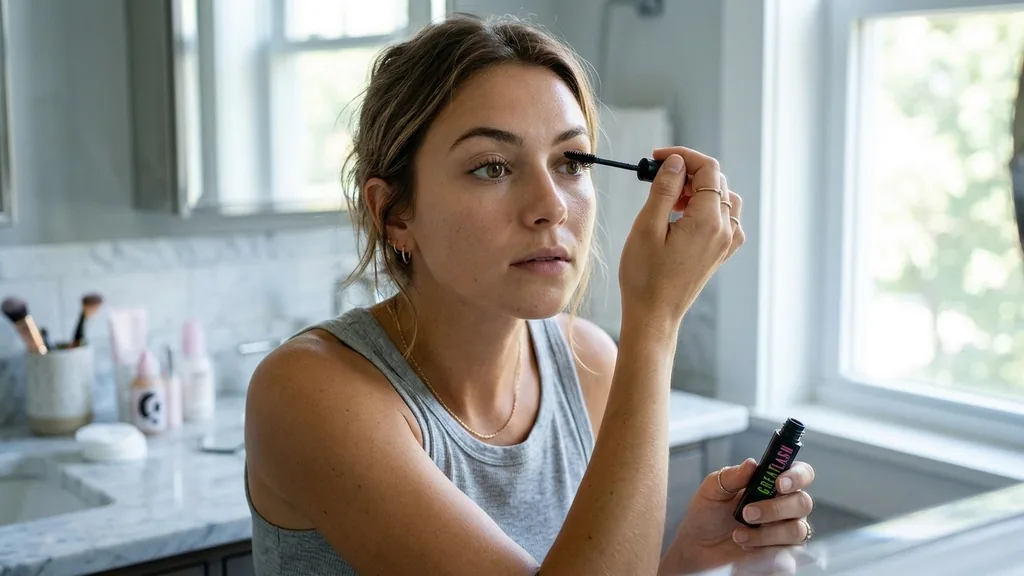
Maintaining eye health while perfecting your beauty routine requires a strict understanding of product longevity. Many beauty enthusiasts ask exactly how long does mascara last after opening, often unaware that the dark, damp environment inside a mascara tube is the perfect breeding ground for microorganisms. While some makeup products can last for years, your eye products have a much shorter shelf life because of the delicate nature of the ocular environment.
Most dermatologists and makeup professionals recommend that you replace your mascara every three months. This timeframe is not merely a marketing tactic to sell more units; it is a critical safety guideline designed to prevent potential infections.
Once you break the seal on a new tube, you introduce air, moisture, and skin cells into the formula. This process initiates a countdown that eventually compromises both the quality of the product and the health of your eyes.
Why the Three-Month Rule is Non-Negotiable
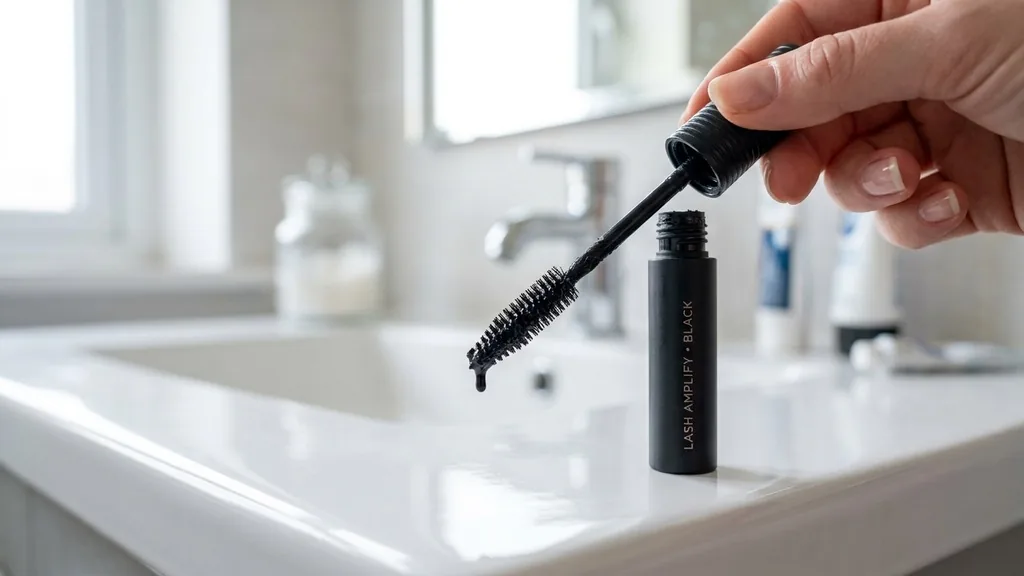
The primary reason you must limit the use of a single tube of mascara to three months revolves around the risk of bacterial contamination. Every time you pull the wand out of the tube and return it, you are effectively pushing air and potential debris back into the container. Over the course of several weeks, this cycle introduces microscopic particles, skin cells, and bacteria from the surface of your skin directly into the formula.
Once these bacteria enter the tube, they find a nutrient-rich, dark, and moist environment where they can multiply rapidly. Even though most modern mascaras contain preservatives designed to inhibit microbial growth, these preservatives have a limited effective lifespan.
By the time you reach the three-month mark, the efficacy of these protective agents typically wanes. Continued use beyond this window significantly increases the risk of developing conditions such as conjunctivitis, styes, or more severe corneal abrasions caused by contaminated wands.
Furthermore, the physical consistency of the formula changes over time. As you open and close the tube, the solvent—usually water or a volatile oil—begins to evaporate. This causes the mascara to become thick, clumpy, and prone to flaking.
Applying dried-out mascara is not only frustrating because it ruins your makeup look, but it can also cause physical irritation to the eye. Flakes of old, brittle mascara can fall into your eye, causing redness, discomfort, and inflammation. To learn more about maintaining ocular hygiene, you can visit the American Academy of Ophthalmology for official guidelines on eye makeup safety.
Identifying Signs of Expired Mascara
Knowing how to spot a product that has passed its prime is just as important as keeping track of the date you first opened it. While the three-month rule is the safest general guideline, environmental factors like humidity, storage location, and how often you use the product can impact its actual shelf life. If you notice any of the following signs, you should discard the product immediately, regardless of how long you have actually been using it.
First, observe the smell of the product. Fresh mascara should have either no scent or a very faint, chemical-like aroma typical of cosmetic ingredients. If you notice a sharp, sour, or “off” smell, the preservatives have likely broken down, and the product is harboring bacteria.
Second, check for changes in texture. If the mascara has become excessively thick, stringy, or is clumping significantly on the wand, it is past its useful life. Do not attempt to “revive” the mascara by adding water or oil; this will only introduce more contaminants and further degrade the formula.
Third, look for signs of separation. If the liquid component has separated from the pigments, the chemical balance of the formula has been compromised.
Finally, if you experience any new or unusual irritation, itching, or redness after applying your eye makeup, take it as an immediate signal to stop using that specific tube. Your eyes are incredibly sensitive, and the cost of a new tube is far lower than the cost of treating an avoidable eye infection.
The Impact of Storage Habits on Product Life
Where and how you store your makeup significantly influences how long your mascara stays safe for use. Many people keep their cosmetics in the bathroom, which is arguably the worst place for them.
Bathrooms are characterized by frequent fluctuations in temperature and high levels of humidity, both of which accelerate the degradation of chemical formulas. Heat and moisture are essentially catalysts for bacterial growth and can cause the preservatives in your mascara to fail much faster than they would in a stable environment.
To extend the life of your product to its maximum potential, store your makeup in a cool, dry place away from direct sunlight. A bedroom vanity or a dedicated makeup drawer is far superior to a bathroom cabinet. Additionally, avoid the common habit of “pumping” the wand in and out of the tube to get more product on the brush.
This action forces excess air into the tube, which accelerates the oxidation process and causes the formula to dry out prematurely. Instead, gently swirl the wand inside the tube to coat it evenly.
It is also important to keep your wand clean. If you notice buildup on the spoolie, you can gently wipe it with a disposable makeup wipe, but be careful not to introduce moisture into the tube.
Ultimately, the best way to maintain the integrity of the formula is to minimize the time the tube remains open. Always ensure the cap is screwed on tightly after every single use to prevent air from entering the chamber.
Comparing Shelf Life Across Mascara Types
Not all mascaras are created equal, and the specific formula of your favorite product can influence its longevity. While the general rule remains three months, certain variations in ingredients can change how quickly a tube becomes compromised. Below is a comparison of different mascara types and how their properties affect their lifespan.
| Mascara Type | Longevity Characteristics | Risk Factors |
|---|---|---|
| Waterproof Mascara | Generally holds up better against humidity but dries out faster. | Solvents evaporate quickly, leading to clumping. |
| Natural/Organic Formulas | Often lack harsh preservatives, making them expire faster. | High susceptibility to rapid microbial growth. |
| Tubing Mascara | Resistant to smudging, but the polymers can harden over time. | Formula thickens as polymers react with air. |
| Standard Washable | Balanced formula, usually lasts the full three months. | Prone to bacterial contamination if handled poorly. |
As indicated in the table, natural or organic mascaras often have a shorter effective shelf life because they rely on gentler preservatives. If you choose to use “clean” beauty products, pay extra attention to the smell and texture, as these products may turn sour or dry out before the three-month mark. Conversely, waterproof formulas often contain more volatile solvents that evaporate rapidly upon exposure to air, meaning you might notice them becoming “crusty” or difficult to apply even if they are technically still within the safety window.
Addressing Topical Gaps: The Truth About Unopened Mascara
A common point of confusion for many consumers is whether a product is still good if it has remained sealed. Many people assume that because a tube is factory-sealed, it can be kept indefinitely. This is a significant misconception.
While an unopened tube of mascara will last significantly longer than an opened one, it is not immortal. Most manufacturers suggest that unopened mascara is safe to use for up to two to three years if stored properly in a cool, dark environment.
However, the chemical stability of the formula still degrades over time. If you have an old tube of mascara that has been sitting in a drawer for several years, even if the seal appears intact, the ingredients may have begun to separate or lose their effectiveness.
Furthermore, the plastic packaging itself can degrade over long periods, potentially leaching chemicals into the formula. If you find an old, unopened tube, check for an expiration date or a “period after opening” (PAO) symbol, which looks like a little jar with a number inside (e.g., 6M for six months).
If you cannot find a date, use your best judgment. If the packaging shows signs of wear, or if the product has been subjected to extreme heat, it is safer to discard it.
The risk of using a degraded formula is simply not worth the potential for allergic reactions or eye irritation. Always prioritize the health of your eyes over the desire to finish an old product.
Best Practices for Maintaining Eye Health
Beyond just watching the clock, there are several habits you should adopt to ensure your mascara usage remains safe. First, never share your mascara with anyone else.
Eye makeup is highly personal, and sharing wands is the fastest way to transmit bacteria, viruses, and infections between people. Even if you are just letting a friend “try” your mascara for a quick touch-up, you are introducing foreign bacteria into your tube that your own immune system may not be accustomed to.
Second, be mindful of your application technique. Avoid applying mascara while in a moving vehicle, as this increases the risk of accidentally poking your eye with the wand.
A scratch on the cornea, even a minor one, creates an entry point for bacteria, which can lead to a serious infection when combined with the potential contaminants in your mascara. If you do accidentally scratch your eye, avoid using any eye makeup for a few days to allow the surface to heal completely.
Finally, always remove your mascara thoroughly before going to sleep. Leaving mascara on your lashes overnight can cause them to become brittle and break, but more importantly, it can lead to eye irritation. Use a gentle, oil-based or micellar cleanser designed specifically for the eye area.
Wipe away the product carefully without pulling or tugging on your lashes. By following these consistent hygiene practices, you ensure that your eye makeup routine remains a source of beauty rather than a source of health complications.
- Always write the date of opening on the bottom of the tube with a permanent marker.
- Replace your mascara immediately after recovering from an eye infection like pink eye.
- Avoid using old samples or tester wands in retail stores, as these are highly contaminated.
- Keep your makeup brushes and tools clean to prevent cross-contamination.
- Discard any mascara that has been left in a hot car or direct sunlight for an extended period.
By adhering to these standards, you protect the delicate surface of your eye from unnecessary trauma and infection. While it may feel wasteful to throw away a tube of mascara that still has product left inside, viewing it as a consumable health product rather than a permanent accessory will help you maintain a safer beauty regimen. Remember that your eyes are irreplaceable, and the small investment in a new tube of mascara every three months is a fundamental aspect of responsible self-care.
Frequently Asked Questions
Can I use mascara that is over a year old?
No, you should never use mascara that is over a year old. Even if it was stored properly, the preservatives have likely degraded, making it a high-risk environment for bacterial growth. Using such an old product significantly increases your chances of developing painful eye infections or severe irritation.
How do I know if my mascara is expired?
Look for changes in smell, texture, and performance. If the formula has an off-putting, sour odor, has become clumpy and dry, or causes itching and redness upon application, it is definitely expired. Always trust your senses—if something feels or smells wrong, dispose of the tube immediately.
Does unopened mascara go bad?
Yes, unopened mascara can expire. While it lasts much longer than an opened tube, the ingredients will eventually break down over time. Most unopened mascara remains safe for two to three years if stored in a cool, dark place, but always check the packaging for a specific expiration date.
Should I replace mascara after an eye infection?
Yes, you must discard any eye makeup you were using when you developed an eye infection. The wand and the formula are likely contaminated with the bacteria or virus that caused the infection. Continuing to use the same product will likely lead to re-infection, prolonging your recovery time.


