

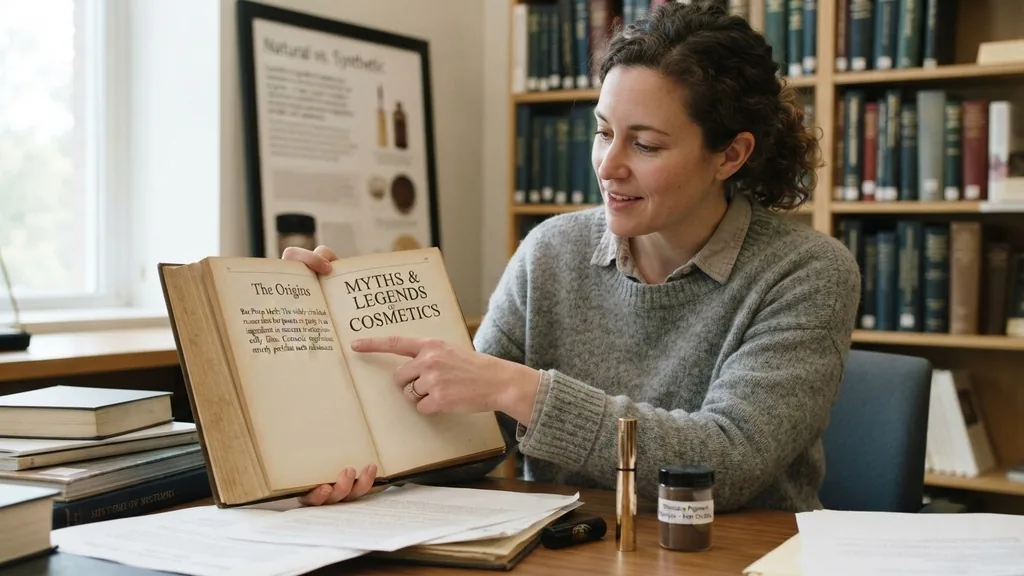
The question of whether there is bat poop in mascara is one of those persistent urban legends that has circulated in beauty circles for decades. It is a classic example of how a grain of truth—in this case, the presence of a specific, shimmering substance—can be twisted into a bizarre narrative about animal waste. If you have ever felt hesitant about applying your favorite product because you heard a rumor about its origins, you are certainly not alone.
The cosmetic industry uses a wide array of chemical compounds, some of which have names that sound exotic or even suspicious to the untrained ear. However, when we look at the reality of modern manufacturing, we find that the science of beauty is far removed from the guano-filled myths that haunt internet forums.
To understand why this rumor exists, we have to separate fact from fiction. The confusion often stems from the chemical name for a specific pearlescent agent used in cosmetics. By breaking down exactly what goes into your makeup tube and how these components are sourced, we can dispel the fear and provide a clear picture of what you are actually putting on your lashes.
The Origins of the Bat Poop Myth
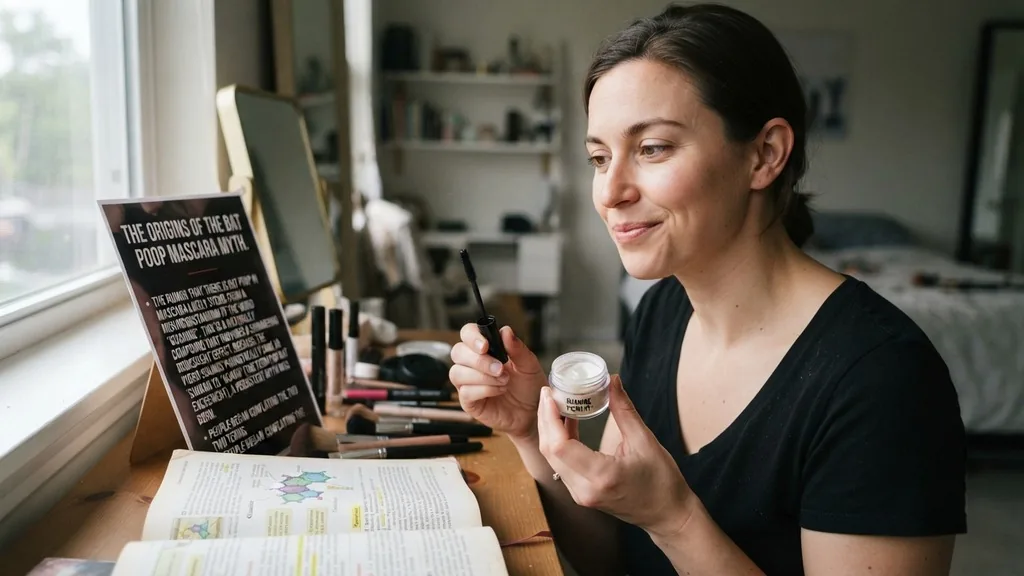
The rumor that there is bat poop in mascara likely stems from a misunderstanding of the word guanine. This is a naturally occurring compound that provides a shimmering, iridescent effect.
Because the word sounds phonetically similar to guano—the term for bat excrement—a persistent myth was born. People began to conflate these two terms, leading to the widespread belief that cosmetic companies were harvesting waste from caves to achieve that coveted, glossy finish on eyelashes.
In reality, guanine is a fundamental building block of life. It is one of the four main nucleobases found in DNA and RNA. In the context of the beauty industry, it is a crystalline material that reflects light, giving products like mascara, eyeshadow, and nail polish a pearly luster.
While the name similarity is unfortunate, there is no biological connection between the DNA component guanine and the waste products produced by bats. This confusion is a perfect example of how linguistic coincidences can create lasting misinformation in the consumer marketplace.
What Actually Is Guanine in Cosmetics?
Guanine is a nitrogenous base that occurs naturally in many organisms. In the cosmetic world, it is primarily used as a colorant and a skin-conditioning agent.
It is essentially a crystalline substance that, when processed, creates a reflective, metallic, or pearlescent finish. When you see a mascara that claims to add a soft glow or a high-shine finish, it is often due to the inclusion of these tiny, light-reflecting crystals.
The industry does not source this material from animal waste. Instead, the guanine used in high-end and drugstore makeup is typically synthetic or derived from fish scales. Historically, the scales of fish like herring were harvested to extract guanine for pearlescent pigments.
Today, as many brands move toward ethical and vegan-friendly formulations, they often use synthetic versions of these crystals to achieve the same visual effect without relying on animal byproducts. This shift underscores a broader trend in the industry toward transparency and the use of laboratory-synthesized ingredients that are safer and more consistent than natural extracts.
Common Ingredients Found in Mascara
When you look at the back of a mascara tube, you will see a list of chemicals that might look intimidating. However, these ingredients are carefully selected for their ability to coat the lashes, maintain consistency, and prevent bacterial growth. The formulation process is highly technical, involving a balance of pigments, waxes, and film-formers.
- Water: Acts as the primary solvent to keep the product in a liquid state.
- Waxes: Ingredients like beeswax, carnauba wax, or paraffin provide the structure that builds volume on the lashes.
- Pigments: Iron oxides and carbon black are the industry standards for achieving deep, dark color.
- Film-formers: Polymers such as acrylates copolymer help the mascara adhere to the lashes and prevent smudging throughout the day.
- Preservatives: Essential for preventing the growth of mold and bacteria in the moist environment of the tube.
These components work together to ensure that the mascara stays on your lashes while being easy to remove at the end of the day. The inclusion of oils—such as castor oil or argan oil—is also common, as these help keep the lashes conditioned and prevent them from becoming brittle or dry over time.
The Role of Carbon Black and Iron Oxides
If you are concerned about what gives your mascara its deep, intense black color, you are likely looking at carbon black or iron oxides. These are the workhorses of the cosmetic industry.
Carbon black is a finely divided form of amorphous carbon produced by the incomplete combustion of heavy petroleum products. It is incredibly effective at absorbing light, which is why it creates such a bold, dramatic look.
Iron oxides, on the other hand, are naturally occurring minerals that are processed for safety and purity before being added to makeup. They are considered very stable and are widely used because they are non-toxic and hypoallergenic. Unlike the myths regarding animal waste, these ingredients are rigorously tested for safety.
You can learn more about the regulatory standards for these substances by visiting the U.S. Food and Drug Administration cosmetics page, which outlines the requirements for color additives in personal care products. The industry relies on these stable minerals precisely because they do not change, degrade, or cause reactions in the way that organic, unrefined materials might.
Is There a History of Using Animal Waste?
The idea that we once used bat poop in makeup is largely a product of historical fiction or extreme fringe practices that were never standard in the cosmetic industry. While ancient cultures certainly experimented with various natural substances—such as crushed beetles for red pigment or soot for darkening the eyes—there is no evidence to suggest that guano was a mainstream ingredient.
The primary reason for this is practical. Guano is high in ammonia and other compounds that would be incredibly irritating to the sensitive skin around the eyes. Applying such a substance would lead to immediate inflammation, infection, and severe discomfort.
The history of cosmetics is actually one of refinement, where people moved away from harsh or unpredictable natural materials toward substances that were more stable and safer for long-term use. The evolution of the industry has been driven by the need to protect the consumer, not by the desire to incorporate exotic or waste-based materials.
Comparing Traditional and Modern Formulas
The difference between older cosmetic formulations and those found on shelves today is significant. In the past, companies had fewer options for synthetic stabilizers, which meant they relied more heavily on natural fats and waxes. This often resulted in products that had a shorter shelf life and were more susceptible to bacterial contamination.
| Feature | Traditional Formulations | Modern Formulations |
|---|---|---|
| Stability | Lower, prone to spoilage | High, enhanced with preservatives |
| Pigmentation | Variable, based on natural soot | Consistent, using pure iron oxides |
| Texture | Often heavy or sticky | Lightweight, film-forming polymers |
| Safety Testing | Minimal or non-existent | Rigorous, standardized testing |
As the table above illustrates, modern manufacturing has largely solved the issues that plagued early makeup production. By using synthetic pigments and advanced polymers, brands can guarantee that every tube of mascara performs the same way, regardless of when or where it was produced.
Addressing Topical Gaps: Why Misinformation Persists
One might ask why the “bat poop” rumor persists despite being scientifically impossible. The answer lies in the psychological phenomenon of the “ick factor.” Consumers are naturally wary of what they put on their bodies, especially near their eyes.
When a product is manufactured by a large corporation, it can feel impersonal or mysterious. Rumors about “hidden” ingredients thrive in this environment because they provide a simple, albeit false, explanation for why a product might be harmful or “unnatural.”
Furthermore, the rise of “clean beauty” marketing has inadvertently fueled these fears. By positioning certain chemical-sounding names as inherently bad, some brands have encouraged consumers to fear ingredients they do not understand. This fear-based marketing works because it taps into our desire to be safe.
However, it often obscures the fact that even “natural” ingredients require significant processing to be safe for human use. The reality is that the cosmetic industry is one of the most heavily regulated sectors in the world, and the use of hazardous animal waste would be a catastrophic violation of safety standards.
How to Identify Ingredients You Are Unsure About
If you are ever worried about a specific ingredient in your mascara or any other cosmetic product, you do not have to guess. There are several ways to verify what you are using.
First, look for the INCI (International Nomenclature Cosmetic Ingredient) list on the packaging. This is a standardized system used globally to identify ingredients.
If you see a name you do not recognize, you can search for it in trusted databases like the Cosmetic Ingredient Review or various university-backed chemical libraries. These resources provide clear, evidence-based definitions of what each ingredient does and why it is included in a formula.
By taking a proactive approach to learning about your products, you can move past the fear of myths and make informed decisions about your beauty routine. You will likely find that most of the “scary” names on your mascara tube are simply scientific terms for harmless, effective, and necessary components that make the product perform as promised.
Frequently Asked Questions
- Is guanine actually made from bat poop? No, guanine is a chemical base found in DNA. In cosmetics, it is either synthesized in a lab or derived from fish scales to create a pearlescent effect. It has no biological connection to bat waste or guano.
- Are there any animal products in modern mascara? Some mascaras contain beeswax or shellac, which are animal-derived. However, these are clearly labeled for consumers who prefer vegan or cruelty-free products. There is no industry use of excrement or waste products in any commercial cosmetic formulations.
- Why do people think there is bat poop in makeup? The myth persists due to the phonetic similarity between “guanine” (a shimmering pigment) and “guano” (bat excrement). This linguistic coincidence, combined with a general distrust of chemical names, has allowed the rumor to spread through internet forums and social media.
- Should I be worried about the ingredients in my mascara? Modern mascara is subject to strict safety regulations. While some people may have sensitivities to specific preservatives or waxes, the products on the market are tested to ensure they are safe for use on the eyes and do not contain harmful contaminants.


