

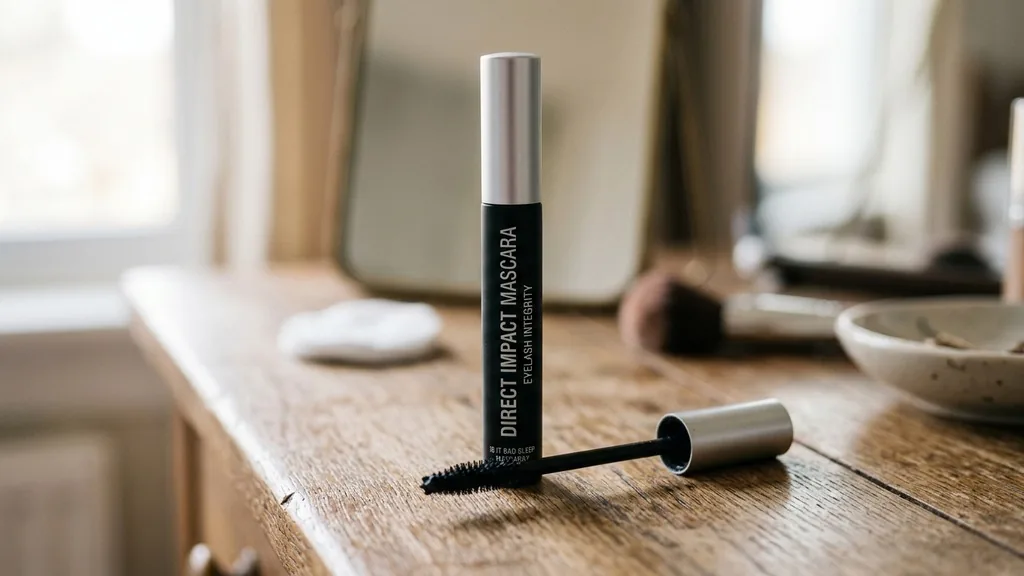
We have all been there: after a long, exhausting day, the last thing you want to do is stand in front of the bathroom mirror to scrub away your eye makeup. You might think that leaving your mascara on for just one night won’t do any significant damage.
However, the reality of sleeping with mascara on is more concerning than most people realize. Your eyelashes are delicate, and the skin around your eyes is the thinnest on your entire face, making it particularly vulnerable to the chemical residue and physical stress caused by hardened cosmetic products.
The Direct Impact of Mascara on Eyelash Integrity

Is it bad to sleep with mascara on? Yes, primarily because it compromises the structural integrity of your natural lashes. Mascara is designed to coat, thicken, and lengthen the appearance of lashes by hardening into a film.
When you leave this film on overnight, your lashes lose their natural flexibility. As you toss and turn on your pillow, the stiffened lashes are subjected to friction. Because they cannot bend or move naturally, they become brittle and are far more likely to snap or break off entirely.
Beyond the physical breakage, the weight and texture of dried mascara can put unnecessary strain on the lash follicle. Over time, this chronic stress can contribute to thinner, sparser lash growth.
When you fail to remove your makeup, you are essentially forcing your lashes to carry a burden they were never meant to support during their natural rest cycle. The accumulation of product also prevents the lashes from being properly cleaned, which can lead to a buildup of oils and debris right at the base of the lash line, potentially clogging the tiny follicles that support hair growth.
Understanding the Risk of Eye Irritation and Infection
The eyes are incredibly sensitive organs, and introducing foreign substances into the ocular environment during your sleep cycle can lead to significant discomfort. When you sleep with mascara on, microscopic flakes of dried pigment can easily migrate from your lashes into your eyes.
This is not just a nuisance; it is a common cause of mechanical irritation. The physical particles act as tiny abrasives, scratching the surface of the cornea or irritating the conjunctiva, which is the delicate membrane lining the inside of your eyelids.
Furthermore, mascara formulas often contain preservatives and chemical agents that are not intended to stay in contact with your eyes for eight hours at a time. Prolonged exposure to these ingredients can trigger allergic reactions, leading to redness, swelling, and itching. In more severe cases, the environment created by trapped makeup can become a breeding ground for bacteria.
If you have any existing eye sensitivities, leaving mascara on significantly increases your risk of developing conditions like blepharitis—an inflammation of the eyelids that can cause crusting, burning, and a gritty sensation in the eyes. According to the American Academy of Ophthalmology, proper hygiene is essential for preventing ocular complications caused by cosmetic products.
How Sleeping in Makeup Affects Your Skin
While the focus is often on the lashes themselves, the impact of sleeping in makeup extends to the delicate skin surrounding the eyes. Your skin undergoes a process of renewal and repair while you are sleeping.
When you leave a layer of mascara—which often smudges onto the upper and lower lids—on your skin, you are effectively creating a barrier that interferes with this natural cycle. The makeup can settle into the fine lines around the eyes, potentially leading to premature aging and the development of deeper wrinkles.
Moreover, the skin around the eyes is prone to congestion. If you wear waterproof or long-wear mascara, these products are often formulated with ingredients that are meant to be durable. Leaving them on prevents the skin from breathing and can clog your pores.
While the skin around the eyes has fewer pores than the rest of the face, it is still susceptible to the effects of trapped bacteria and oils. Regularly sleeping in makeup can lead to the formation of milia—small, white bumps that appear under the skin—or exacerbate underlying skin conditions like contact dermatitis.
The Hidden Dangers of Waterproof Formulations
Waterproof mascara is particularly problematic when left on overnight. These formulas are specifically engineered to resist water, sweat, and oils, which makes them incredibly difficult to remove without a specialized cleanser.
Because they are so stubborn, they often require more intense rubbing or pulling to get off, which is a major source of trauma for the eye area. If you sleep in them, they remain firmly adhered to your lashes, creating a stiff, inflexible shield that remains in place for much longer than the manufacturer intended.
The chemical composition of waterproof products often includes volatile silicones and synthetic waxes that provide that long-wear finish. When these chemicals sit against your skin and hair follicles for an extended duration, the risk of developing a sensitivity or an allergic reaction increases substantially.
Many people find that their eyes feel significantly more tired and “heavy” in the morning after sleeping in waterproof mascara. This is a clear indicator that the product is interfering with the natural moisture balance of your eyelids and lash line, leading to dryness and irritation.
Comparing Nightly Removal Habits
To understand the importance of a consistent routine, it is helpful to look at how different habits affect your eye health over the long term. The following table highlights the differences between proper removal and neglecting your eye hygiene.
| Factor | Removing Mascara Nightly | Sleeping with Mascara On |
|---|---|---|
| Lash Health | Flexible, strong, less breakage | Brittle, prone to snapping |
| Skin Condition | Clear pores, optimal repair | Congested, potential for milia |
| Eye Comfort | Refreshed, minimal irritation | Gritty, red, potential infection |
| Follicle Health | Clean, unobstructed growth | Clogged, risk of inflammation |
Effective Strategies to Remove Mascara Gently
If you find that removing your mascara is a chore that tempts you to skip the process, you may need to adjust your technique. The key is to use the right tools so that you don’t have to scrub your eyes. A high-quality oil-based cleanser or a dedicated makeup remover is essential.
Oil dissolves the waxes and pigments in mascara, allowing them to slide off the lash without pulling. To remove your eye makeup effectively, follow these steps:
- Saturate a cotton pad or a reusable bamboo cloth with your chosen cleanser.
- Gently press the pad against your closed eyelid for 20 to 30 seconds to allow the product to break down the mascara.
- Wipe downward in a soft, sweeping motion, following the natural direction of your lashes.
- Avoid rubbing back and forth, as this causes significant mechanical damage to the delicate skin.
- Use a cotton swab dipped in micellar water to clean any remaining residue from the lash line.
By making this process easier, you remove the primary barrier to maintaining good hygiene. When you use products that work efficiently, you are much less likely to feel the urge to leave makeup on overnight. Investing in a good cleansing balm or a gentle micellar water can turn a tedious task into a soothing end-of-day ritual that benefits your overall eye health.
Addressing Topical Gaps: Can You Nap With Mascara?
A common question involves whether it is acceptable to nap with mascara on if you are only sleeping for an hour or two. While a short nap is less damaging than a full eight-hour night, the risks remain the same. The primary issue is the hardening of the product and the resulting friction.
If you are a side sleeper or if you press your face into a pillow, even a short nap can lead to lash breakage. Furthermore, if you are prone to eye irritation, even a brief period of exposure to the chemicals in your mascara can trigger a reaction.
If you find yourself needing to nap frequently, it is worth considering a tubing mascara. These formulas form “tubes” around each lash rather than painting them with pigment. They are generally easier to remove with warm water and are less likely to flake or smudge during short periods of rest.
However, even with these, the best practice is always to remove any eye makeup before resting to ensure your eyes remain clean and free from potential irritants. Your eyelids need that time to recover from the weight and environmental stressors of the day.
Long-Term Consequences of Chronic Neglect
If you make a habit of sleeping with mascara on, the cumulative effects can be significant. Over months and years, chronic neglect of your eye hygiene can lead to permanent damage to your lash follicles. This can result in a condition called madarosis, which is the loss or thinning of eyelashes.
While not always permanent, the recovery process for damaged follicles is slow and not guaranteed. Furthermore, constant inflammation of the eyelid margins can lead to chronic dry eye syndrome, as the meibomian glands—which produce the oil necessary for healthy tear film—become clogged by makeup residue.
Beyond the physical damage, there is the issue of bacterial colonization. Old mascara is a magnet for bacteria, and by failing to remove it, you are keeping that bacteria in close proximity to your ocular surface throughout the night. This increases the likelihood of developing styes or chalazia, which are painful, swollen bumps on the eyelid.
These conditions are not only uncomfortable but can also require medical intervention if they become infected. Prioritizing your nightly removal routine is a simple, non-negotiable step in maintaining your eye health and the longevity of your natural lashes.
Frequently Asked Questions
Is it okay to leave mascara on just once in a while?
While doing it once is unlikely to cause permanent damage, it is still not recommended. Even a single night can cause lash breakage and irritation. It is better to establish a consistent routine to ensure your lashes and the skin around your eyes stay healthy and free from debris.
What should I do if I wake up with mascara still on?
If you wake up with mascara on, remove it immediately. Do not rub your eyes.
Use a gentle oil-based cleanser or micellar water to soften the product before wiping it away. Follow up with a soothing eye cream to rehydrate the skin and check for any signs of redness or irritation.
Does sleeping in mascara actually stop my lashes from growing?
While it doesn’t necessarily stop the biological process of hair growth, it can damage the follicles and cause lashes to break off before they reach their full potential. This creates the appearance of shorter, thinner lashes and can lead to long-term thinning if the follicles are chronically stressed or inflamed.


