

If you have ever struggled with raccoon eyes by midday or spent an eternity scrubbing your eyes at night, you have likely encountered the promise of tubing mascara. Unlike traditional formulas that rely on oils and waxes to coat your hair in pigment, this unique product works through an entirely different chemical process.
It creates tiny, water-resistant polymers that wrap around each individual lash, forming a protective sleeve or “tube.” When you look at the industry today, these products have become a staple for anyone who values longevity and ease of removal above all else.
Understanding the Chemistry of Tubing Mascara
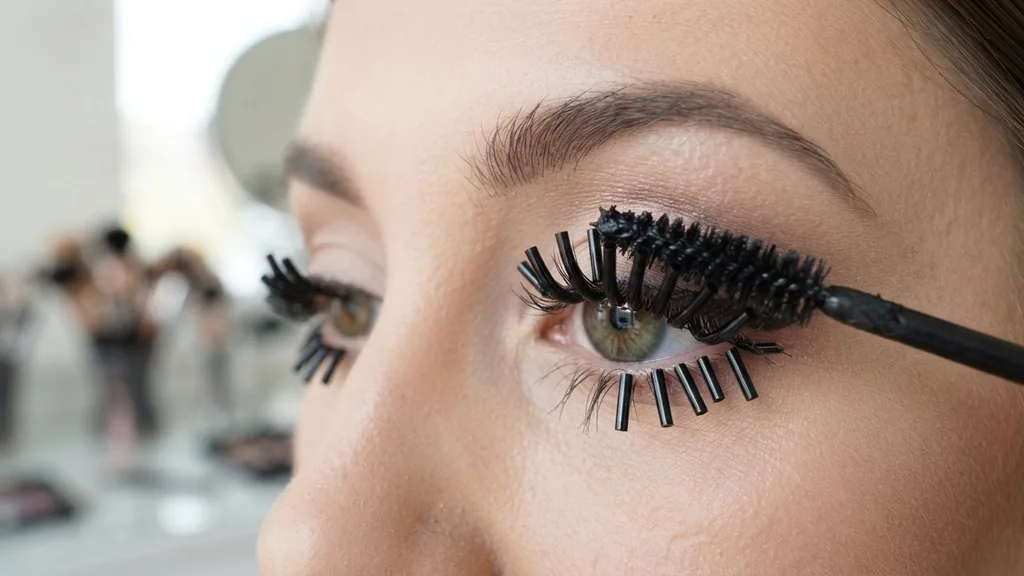
Tubing mascara is defined by its ability to form physical, cylindrical structures around individual lashes rather than simply painting them with a pigmented paste. While a standard makeup product might contain high concentrations of waxes or heavy oils that dry down on the lash surface, a tubing formula relies on acrylic copolymers.
When you apply this formula, these polymers bind to the hair shaft as the water evaporates. This creates a flexible, cohesive tube that is essentially impervious to oil, sweat, and moisture throughout the day.
The distinction between this and a standard formula lies in how they interact with your skin’s natural oils. Most people experience “smudging” because the sebum produced by the eyelids breaks down the waxes in standard formulas, causing them to smear downward. Because the polymers in tubing formulas are specifically engineered to be oil-resistant, they stay firmly in place.
This makes them a preferred choice for people with oily skin or those who reside in humid environments. The formula does not migrate, ensuring that your look remains as crisp at 8:00 PM as it was at 8:00 AM.
Furthermore, the physical structure of these tubes provides a different type of finish. Because the product coats the hair in a uniform cylinder, it can often provide more length and definition than traditional options.
By extending the appearance of the hair tip, you achieve a clean, separated look that rarely clumps. If you are looking for a natural, fluttery appearance that highlights your eyes without the risk of flaking, this technology offers a significant advantage over thick, volumizing waxes.
Key Differences Between Tubing and Traditional Formulas
To understand the core differences, it is helpful to look at how these products function during daily wear and at the end of the night. A traditional mascara relies on pigments suspended in a thick, waxy base. This base is designed to be wiped away or dissolved with an oil-based cleanser.
In contrast, tubing mascaras are specifically designed to be removed with warm water alone. This is not just a convenience; it is a fundamental shift in how the product interacts with the delicate skin around your eyes.
When you use a traditional product, you often have to rub your eyes vigorously with a cotton pad soaked in makeup remover. This friction can lead to premature aging of the eyelid skin and, more importantly, can cause lash breakage. Because the tubing formula slides off in complete, intact pieces when exposed to the right temperature of water, you can avoid the tugging and pulling entirely.
The tubes simply glide off the hair shaft, leaving no residue behind. This gentle removal process is a major reason why many people with sensitive eyes or contact lens wearers make the switch.
Below is a quick comparison table to help you distinguish between the two main types of lash products available on the market:
| Feature | Traditional Mascara | Tubing Mascara |
|---|---|---|
| Primary Base | Waxes and Oils | Acrylic Copolymers |
| Removal Method | Oil-based cleanser | Warm water and light pressure |
| Smudge Resistance | Low to Medium | High |
| Finish Style | Voluminous and thick | Long and defined |
How to Properly Remove Tubing Mascara
Removing tubing mascaras requires a technique that is almost the opposite of what you might be used to. Many people mistake these products for standard ones and attempt to wash them off with their regular cleansing balm or micellar water.
While these oil-based products will eventually work, they are not the most efficient way to release the polymers. Instead, you need the combination of heat and hydration to loosen the bond between the tube and the hair.
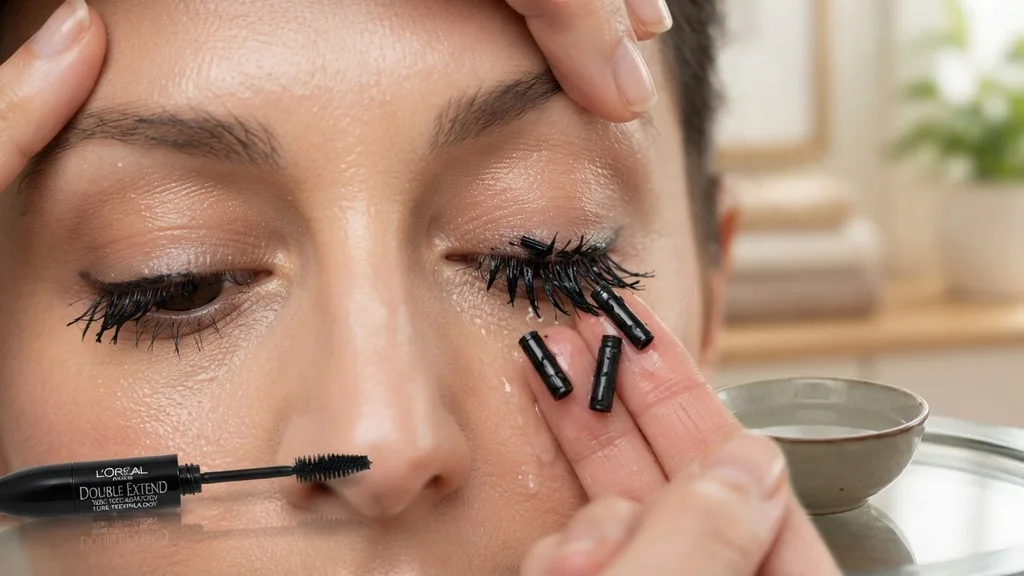
Start by splashing your face with warm water. Let the water sit on your lashes for a few seconds to soften the polymers. Once the tubes have been sufficiently hydrated, you can use your fingertips or a damp cloth to gently slide the tubes off.
You will notice that they come away in tiny, dark, cylindrical pieces. It can look a bit alarming the first time you see them in the sink, as they may resemble stray hairs or fibers, but this is simply the product leaving your eyes completely clean.
Avoid using heavy pressure or aggressive rubbing. If you find the tubes aren’t sliding off, your water might not be warm enough, or you might need to let the water soak in for a few more seconds.
Because you are using water to facilitate the removal, you also reduce the risk of leaving behind makeup residue that can cause irritation or clogged pores at the lash line. This makes the entire process faster and much healthier for your eye area in the long run.
The Advantages of Using Tubing Technology
The primary draw for most users is the elimination of smudging. If you have ever looked in a mirror at 3:00 PM only to find dark shadows under your eyes, you know the frustration of a formula that cannot handle the oils on your face. Tubing formulas are virtually immune to this.
They do not smear, transfer, or flake throughout the day, which makes them an excellent choice for long work days, weddings, or hot summer weather. You can trust that your look remains intact without needing to check a mirror constantly.
Another major benefit is the clean appearance they offer. Because the product coats the hair in a smooth, even layer, you don’t get the “spidery” or clumpy look that heavy waxes can sometimes cause.
This allows for a more precise, professional finish that enhances your natural beauty rather than masking it. Many people appreciate that they can build up the product for extra length without it becoming heavy or weighing down their lashes.
Finally, the health of your lashes is a significant factor. Because you are avoiding the harsh rubbing required by oil-based removers, you are less likely to experience thinning or breakage.
Maintaining the integrity of your natural lashes is essential for long-term eye health. By switching to a formula that requires nothing more than gentle, warm water to release, you are actively preserving your lashes every single day.
Addressing Common Misconceptions
One of the most frequent questions people ask is whether these products are waterproof. The answer is nuanced: they are water-resistant but not strictly “waterproof” in the way that traditional oil-based waterproof formulas are.
While they will not budge if you sweat or get caught in a light drizzle, they will release if you soak them in warm water. This means they are not ideal for swimming or heavy, tear-filled events, as the chemistry of the polymers is designed to break down under specific conditions.
Another common concern is whether these products provide enough volume. Historically, tubing mascaras were associated only with length and definition.
However, as the makeup industry has evolved, brands like Thrive Causemetics have popularized high-performance formulas that combine the tubing technology with fibers to add significant volume and thickness. Do not assume that choosing a tubing product means you have to sacrifice the dramatic, full-lash look that you prefer.
It is also important to note that you cannot always tell if a product is a tubing formula just by reading the front of the packaging. You often need to check the ingredient list for terms like “acrylates copolymer” or “ammonium acrylates copolymer.”
If you are unsure, look for marketing language that highlights “warm water removal” or “tube technology.” These are usually the strongest indicators that you are dealing with a tubing product rather than a standard wax-based one.
Addressing Topical Gaps: Common User Questions
Many users wonder if tubing mascara is bad for their lashes compared to other types. In reality, it is often better. Traditional waterproof formulas are notoriously drying and difficult to remove, which is why they are often the primary culprit behind lash loss.
Tubing formulas are generally considered more gentle because they don’t require the harsh chemical solvents or physical friction needed to strip away stubborn, oil-based waxes. If your lashes feel brittle, switching to a tubing formula is a great way to let them recover.
Another gap in common knowledge is how to layer them. Can you use a lash primer with a tube formula? You can, but you must be careful.
If the primer is too oily, it may prevent the polymers from adhering correctly to your hair. It is usually best to use a water-based primer or to apply the tubing formula directly to clean, dry lashes.
Some users also wonder if they can layer a tubing mascara over a traditional one. While you can, the benefits of the tubing formula—specifically the smudge-proof nature—will be compromised because the traditional mascara underneath can still break down.
Finally, there is the question of shelf life. Like all eye products, these should be replaced every three to four months to prevent bacterial growth.
However, because they are water-activated, some users find that they dry out slightly faster in the tube if not capped tightly. Always ensure you hear a satisfying “click” when closing the container to maintain the integrity of the formula for as long as possible.
How to Choose the Best Tubing Mascara for Your Needs
When selecting your product, consider the shape of your natural lashes. If you have straight lashes that refuse to hold a curl, you may find that the weight of some tubing formulas causes the curl to drop.
In this case, look for a formula that is lightweight and specifically labeled as “curling” or “lifting.” These often contain slightly different polymer chains that hold their shape better once dry.
If you prioritize drama and volume, look for formulas that incorporate synthetic fibers. These fibers attach to the tips of your lashes, acting as extensions that are then sealed in by the tubing polymers.
This gives you the best of both worlds: the smudge-proof benefits of tubing and the dramatic, thick appearance of a volumizing product. Always check the brush design as well; a curved wand is typically better for lifting, while a dense, straight brush is better for building volume.
Price points vary significantly in this category. While there are budget-friendly options, the technology required to create high-quality, stable polymers can sometimes lead to a higher price tag. Read reviews focusing on “flaking.”
A high-quality tubing mascara should hold firm; if it flakes, it usually means the polymer blend isn’t flexible enough to move with your blinking. Finding the right balance between hold, flexibility, and volume is the key to finding your perfect match.
Final Considerations for Your Beauty Routine
Integrating this product into your routine is fairly simple, but it does require a slight mental shift. Remember that you are not painting the lashes; you are wrapping them. This means you should apply the product from the root to the tip in a single, smooth stroke.
Avoid the “zig-zag” motion often used with traditional mascaras, as this can cause the tubes to clump together before they have a chance to set properly. Once you apply the first coat, give it about 30 seconds to set before applying a second layer, if desired.
The beauty of this technology is that it simplifies your life. You no longer need a dedicated makeup remover or an oil-based cleanser that might leave your skin feeling greasy or cause breakouts.
By simplifying your routine, you are also reducing the number of products you need to purchase and store. This minimalism, combined with the superior performance against smudging, is why many people who try tubing mascara never go back to traditional options.
If you have sensitive eyes, you will likely notice an immediate difference. The lack of heavy waxes and oils means there is less chance of irritation or the “heavy eye” feeling that often accompanies thick, traditional formulas. Whether you are looking for a natural, everyday look or a more dramatic effect for an evening out, there is a tubing formula that can meet your needs while keeping your lashes healthy and your under-eye area clear of smudges.
Frequently Asked Questions
- Is tubing mascara considered waterproof? Technically, no. While it is highly water-resistant and won’t smudge from sweat or humidity, it is designed to dissolve when soaked in warm water. It is not recommended for swimming or activities where you will be fully submerged for long periods.
- Can I use an eyelash curler with tubing mascara? Yes, you can use an eyelash curler. It is best to curl your lashes before applying the mascara. If you try to curl them after the product has dried, the tubes may crack or flake off because they are meant to be flexible, not rigid like traditional wax formulas.
- How do I know if a product is a tubing mascara? Check the ingredient list for “copolymers,” specifically acrylates. Additionally, the packaging will often state that it is “warm water removable” or “tube technology.” If the product requires an oil-based cleanser to remove, it is likely a traditional wax-based formula, not a tubing one.
- Why does my tubing mascara look like fibers when I remove it? That is actually the product working exactly as intended. The “fibers” you see are the individual tubes that were coating your lashes. When they come into contact with warm water, they lose their grip on the hair and slide off as complete, intact cylinders.


